
This is part two of a three part series on the Nile portion of our trip to Egypt in late 2019 as we’re going somewhere new soon.
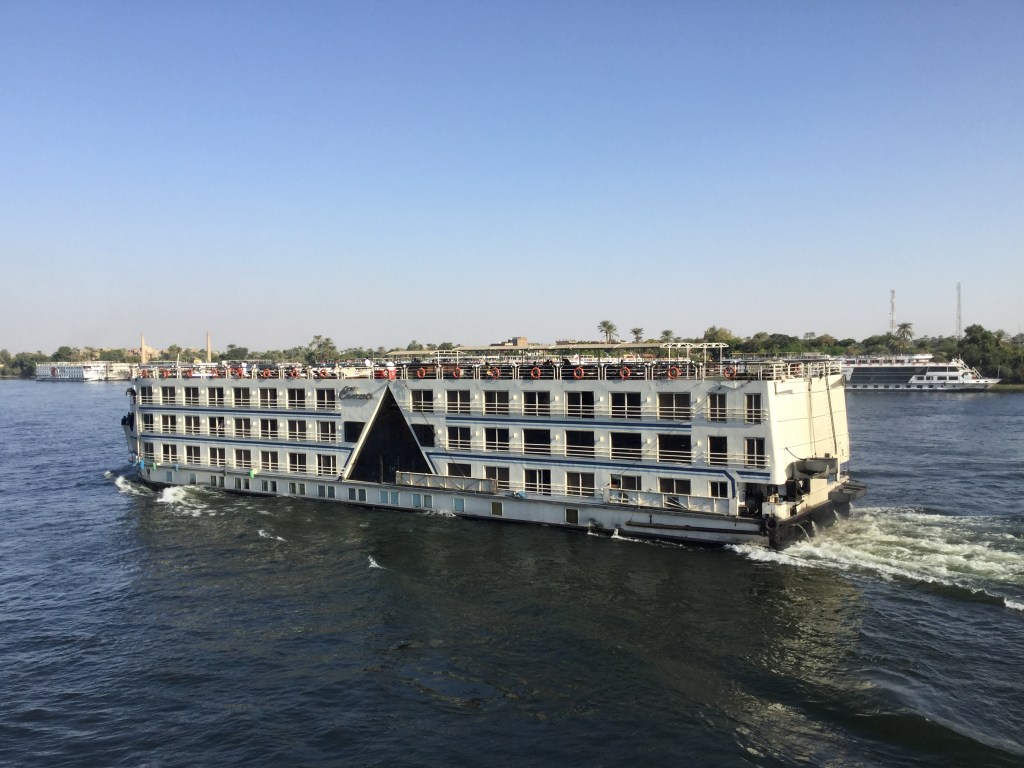
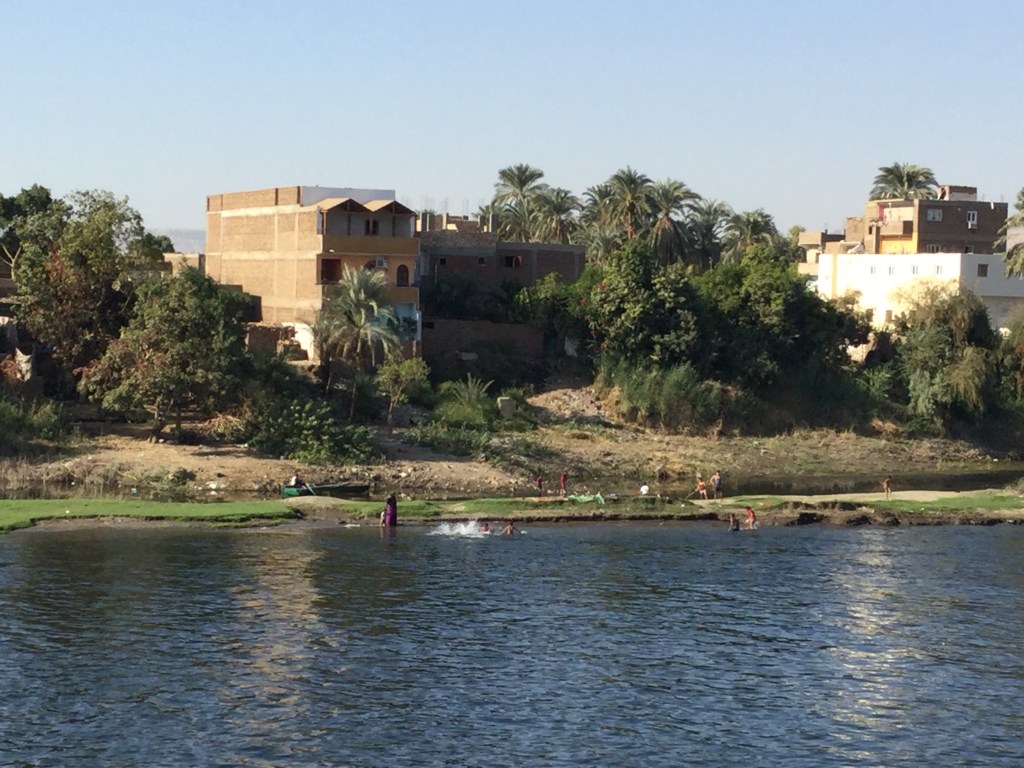
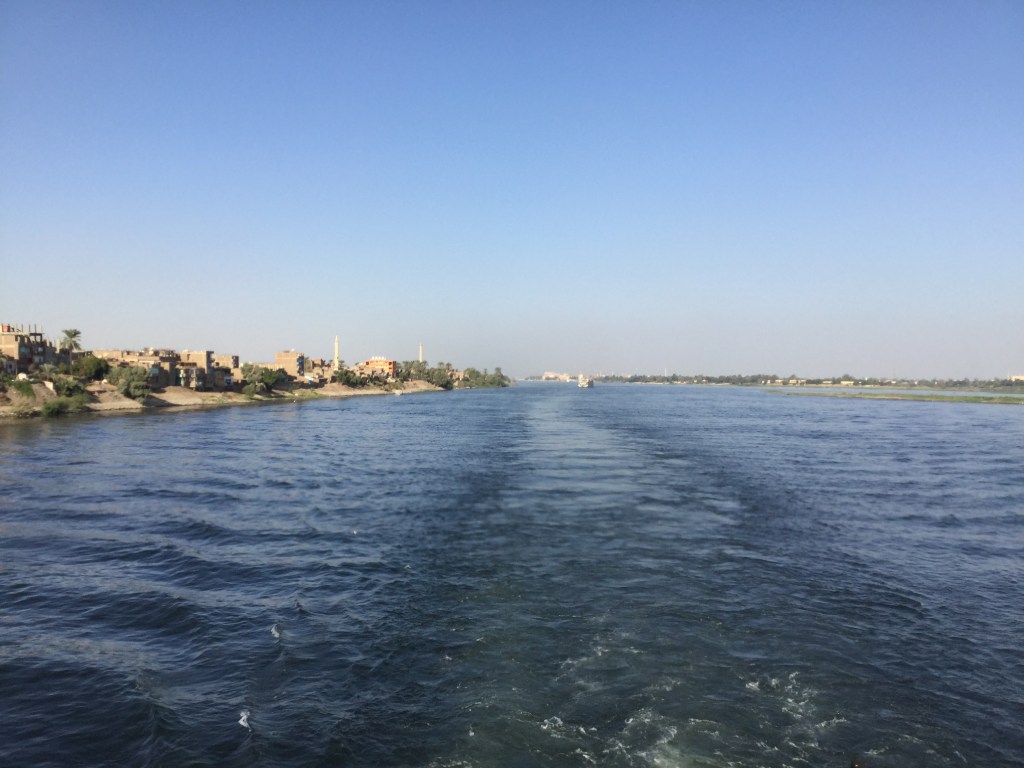
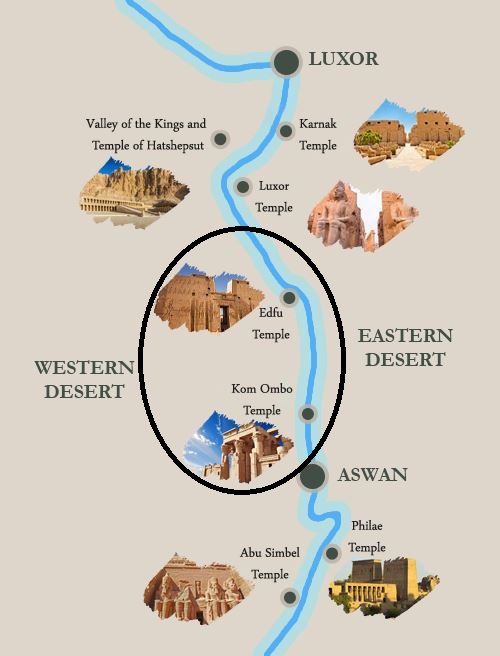
Our riverboat Le Fayan continued through the night and the next morning we went further south towards Edfu. We spent a lot of time on deck or looking out of our room as there was lots to see along the banks of the Nile. Other boats passed by, fishermen were busy at work, children were playing and women were washing clothes.
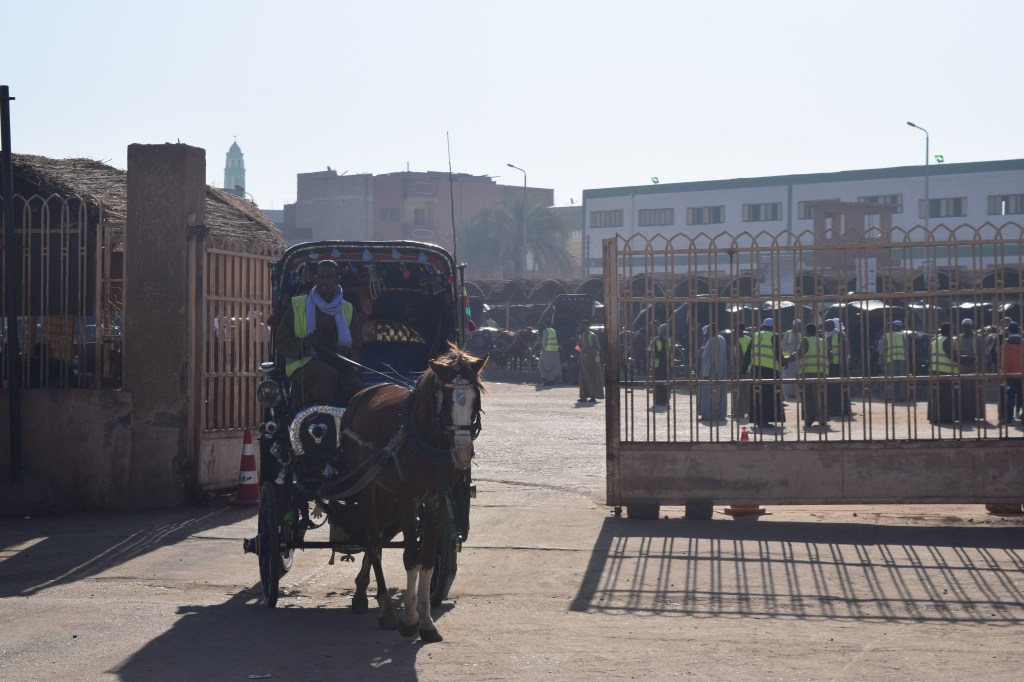
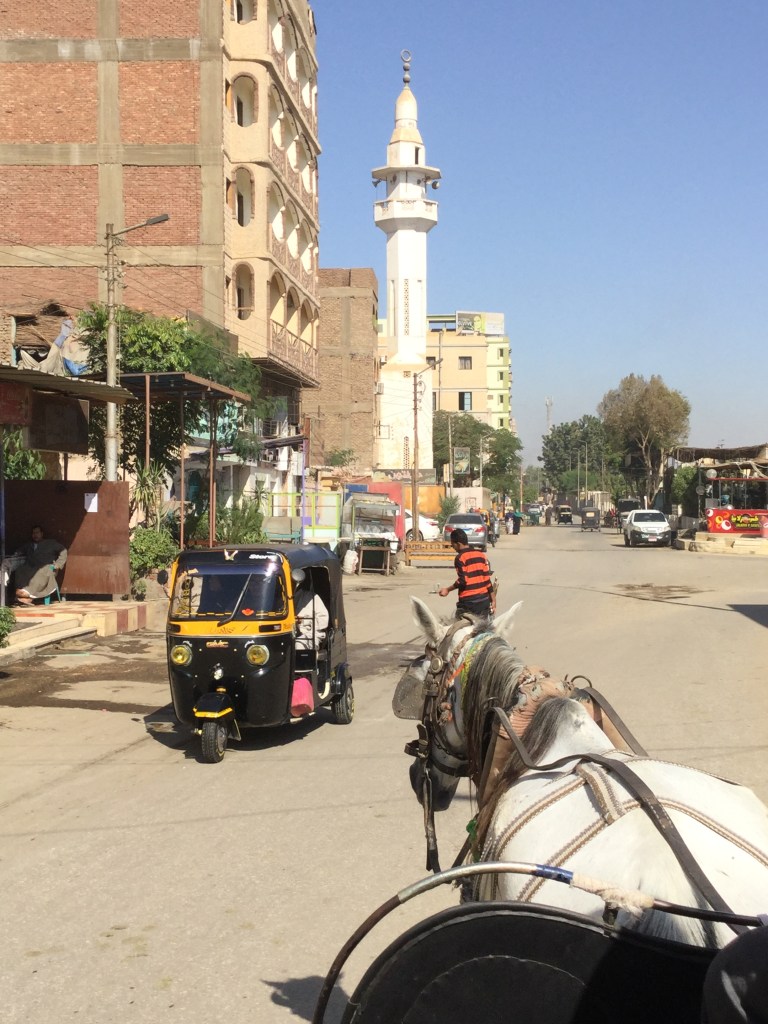
Eventually we arrived in Edfu in the early afternoon. After leaving the boat we walked a short distance to a waiting horse and carriage. Apparently this was the common way to get to the temple and many tour agencies made sure it was included. Similar to taxis, it appears it is a competitive industry with a lot of licensed drivers so the locals want to make sure they get paid.

We were more concerned about how the horses were treated. They appeared to be in decent shape; however, they would be in the hot sun much of the day making multiple trips back and forth from the river to the temple as well as being crowded at one end of the trip. Like the donkeys of Greece, it was not a tradition that benefitted the animals.
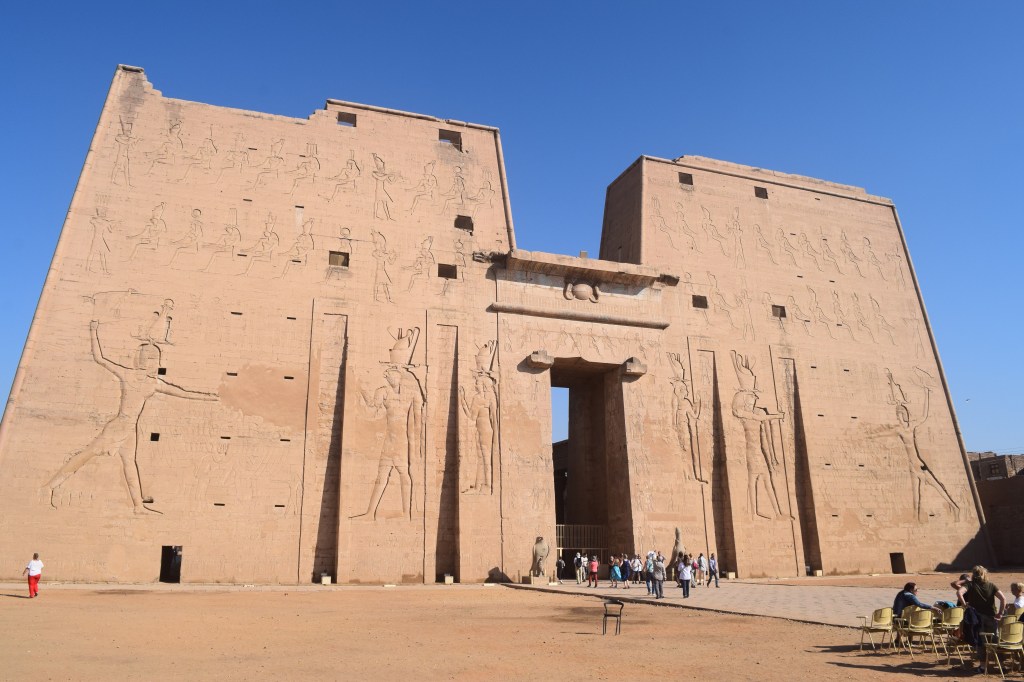
Edfu was a settlement and cemetery site beginning from around 3000 BC. It was the ‘home’ and cult centre of the falcon god Horus. Nowadays the city has about 60,000 inhabitants.

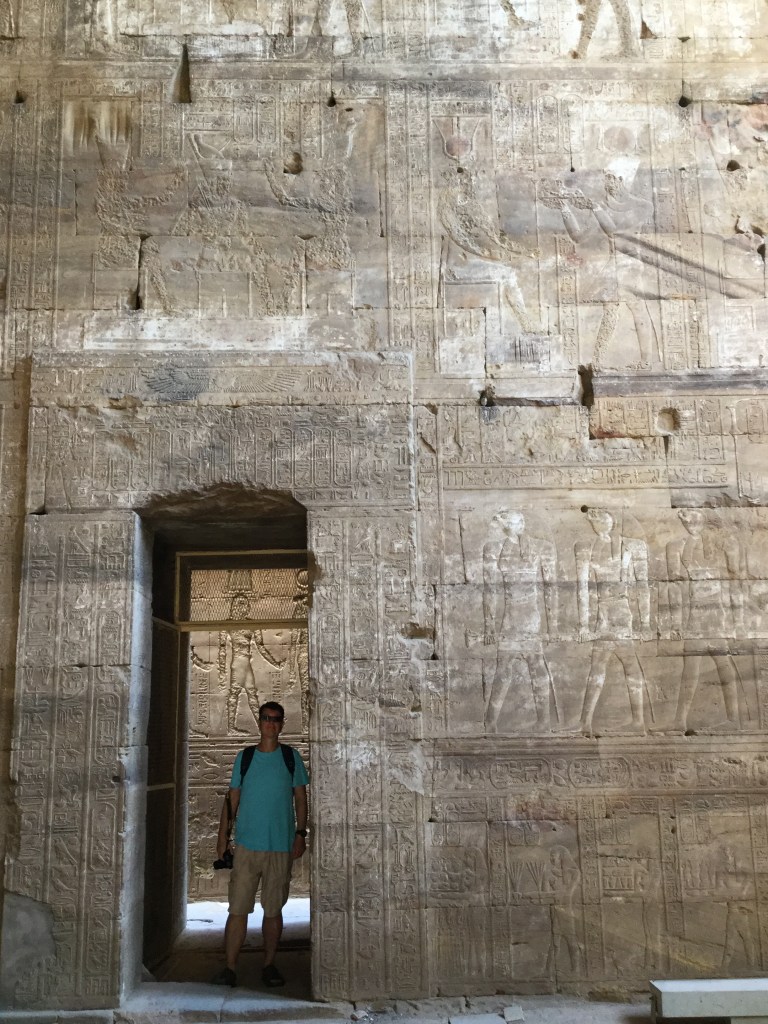
Located on the west bank of the Nile, the Temple of Edfu was begun back in 237 BC. The temple was built on top of much older ruins dating back to Ramses III. Construction continued during the Ptolemaic dynasty and was completed in 57 BC.
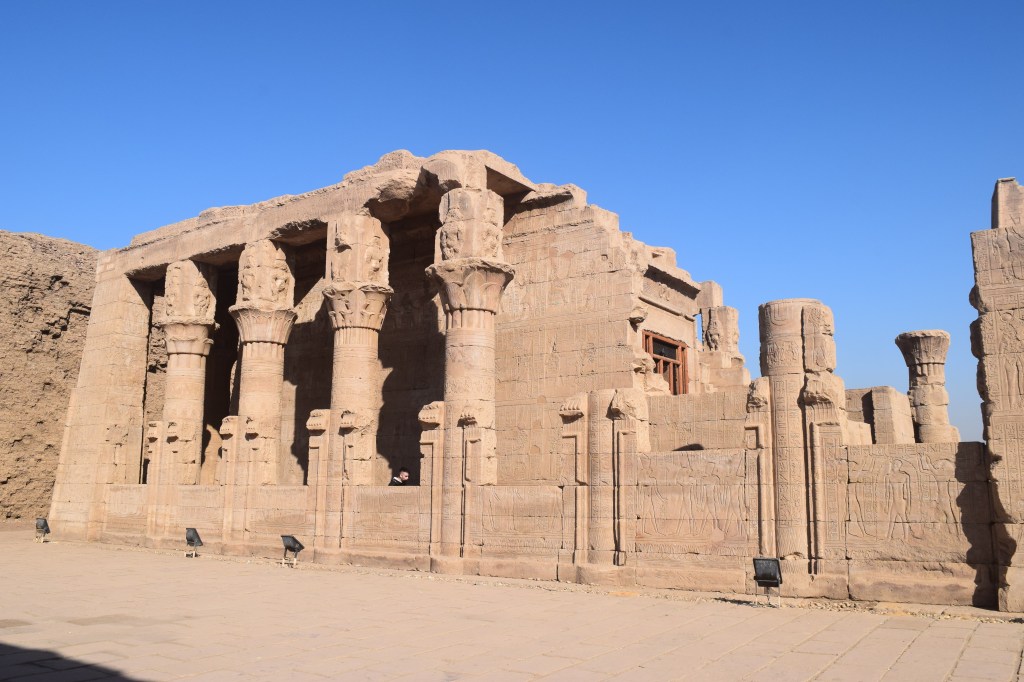
Although abandoned many centuries ago, the temple was fortunate to have been largely untouched. This was due to it being buried up to a depth of 12 metres (39 ft) beneath drifting desert sand and layers of river silt deposited by the Nile. At some point later on the local inhabitants built homes directly over the temple. The Temple of Edfu is the largest temple dedicated to Horus and Hathor.

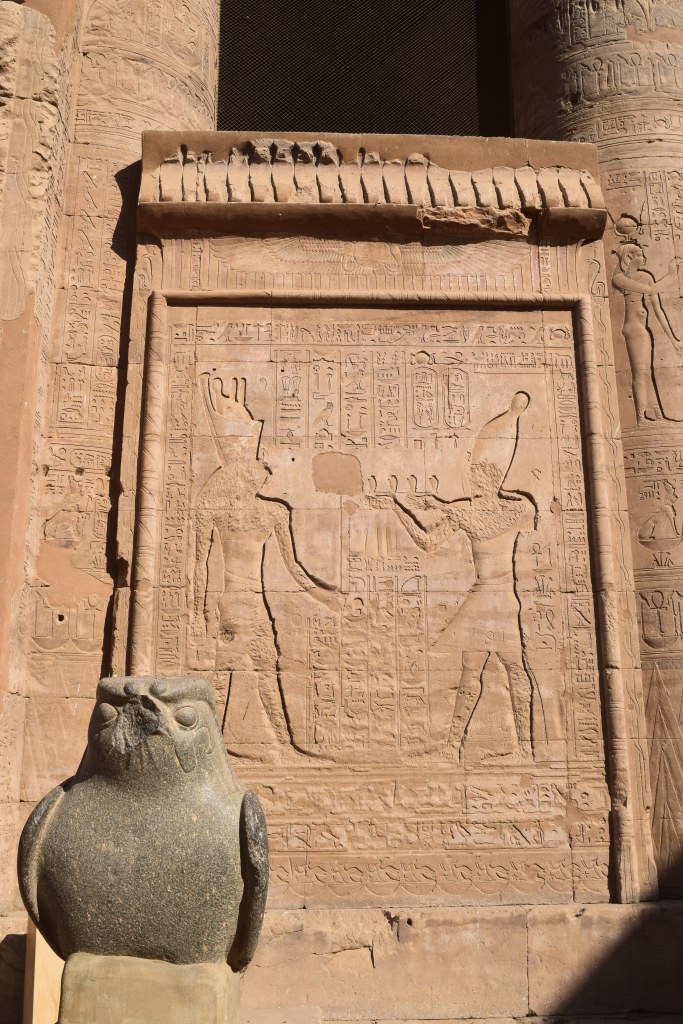


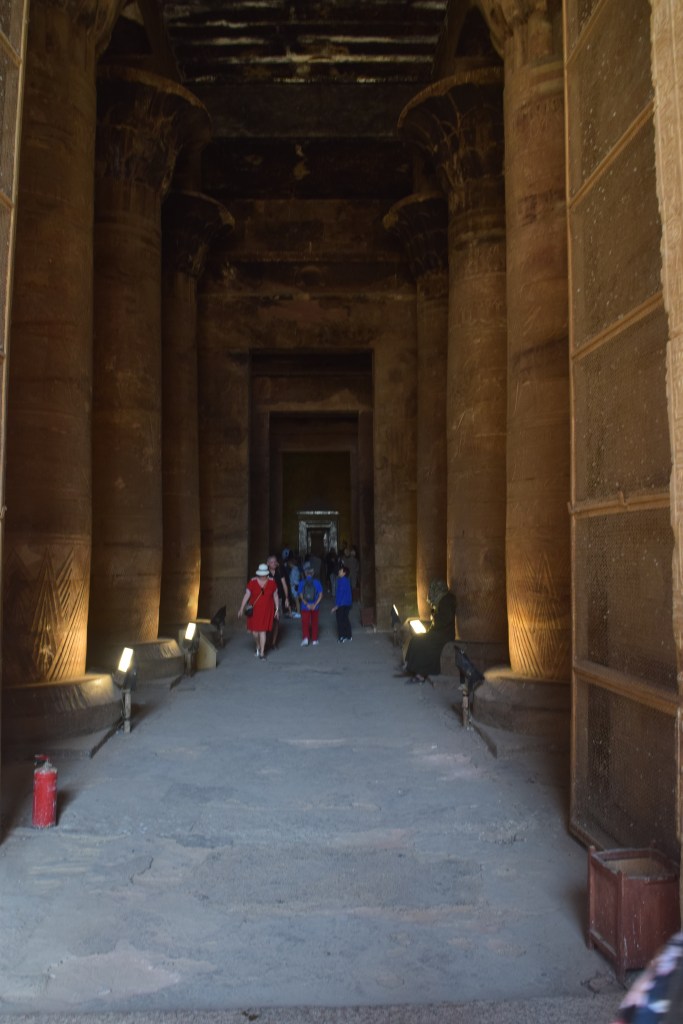

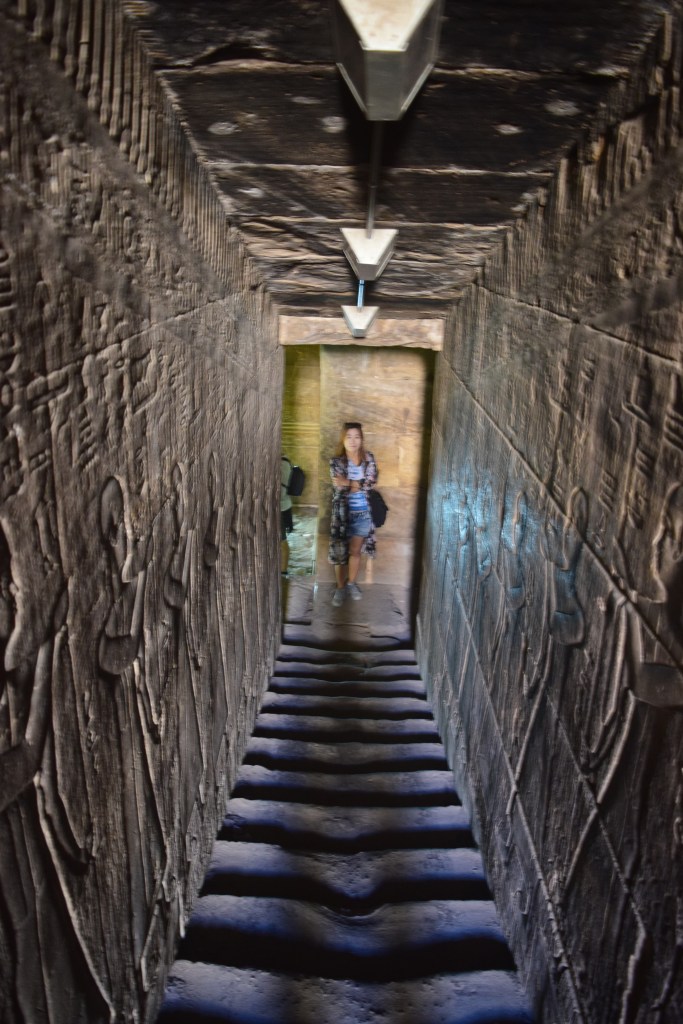
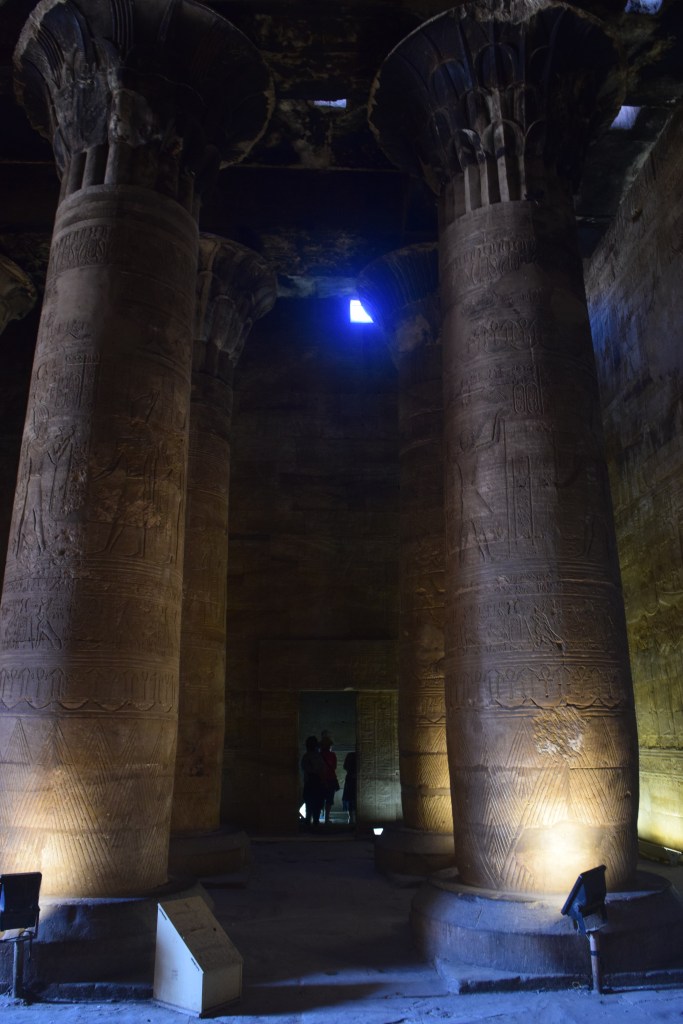
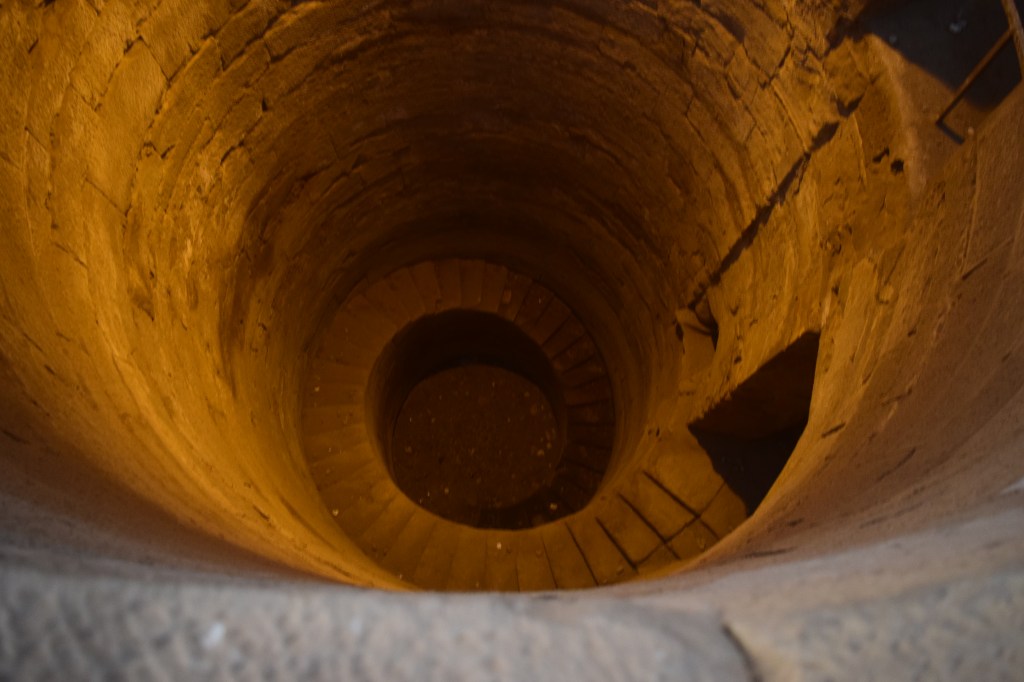
Many people avoided the stairs and narrow corridors in some of the side areas so we were able to get away from the crowds to see some other parts of the temple. It could be quite atmospheric sometimes (or creepy, depending on your point of view).



After returning to the boat for lunch and sailing a bit further south, we docked at Kom Ombo in the late afternoon. This experience was going to be different as we were visiting the temple at sunset.
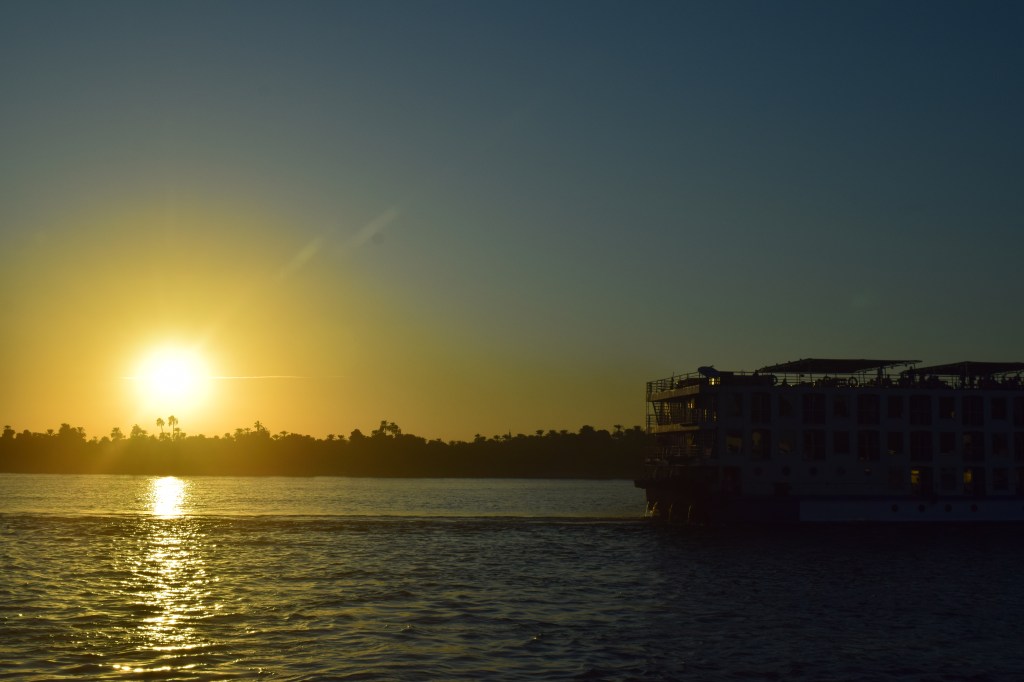
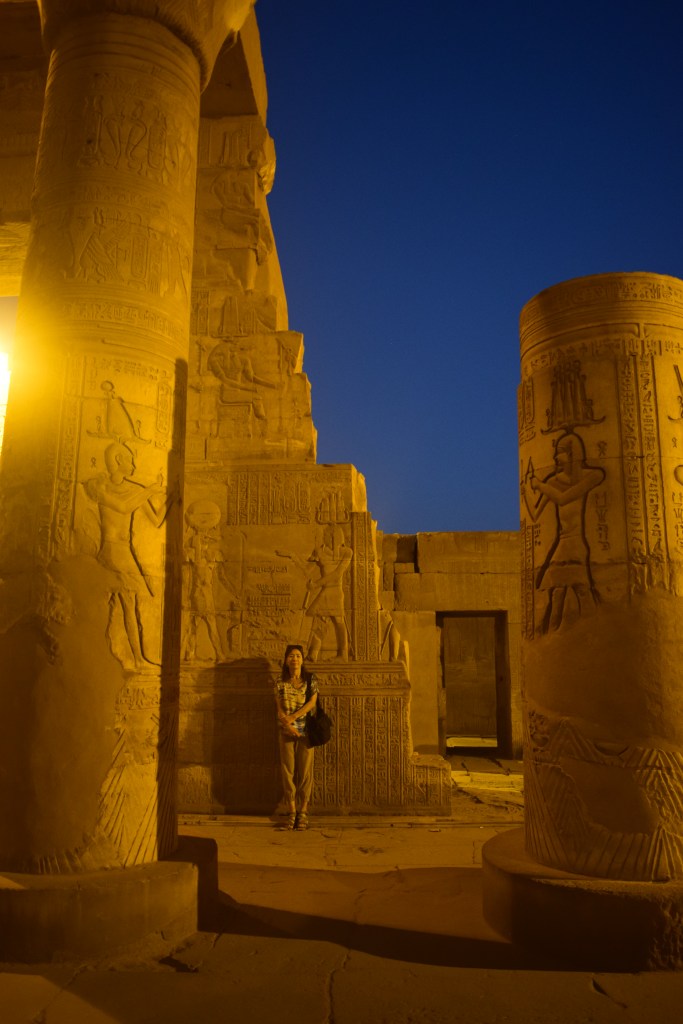
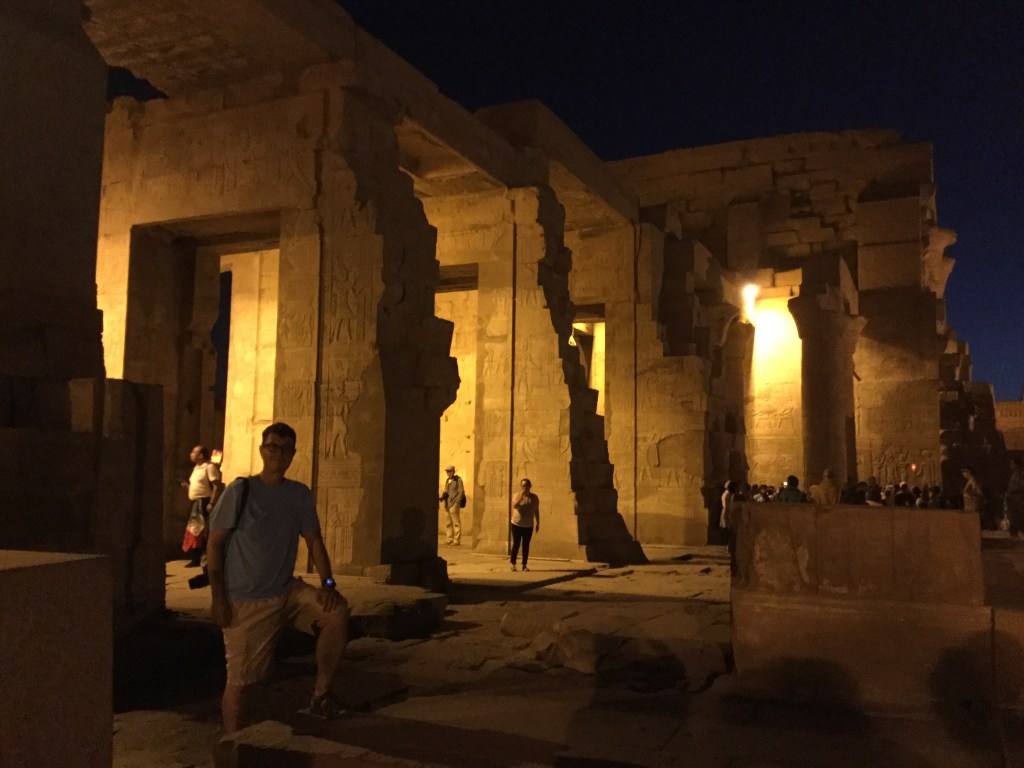
We entered the temple complex just as the twilight was arriving and the lights at Kom Ombo were coming on. The experience just got better as night fell.
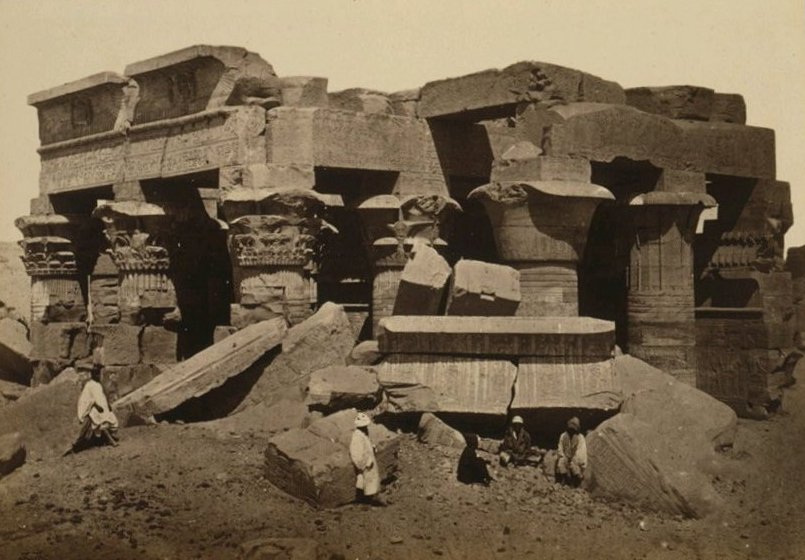
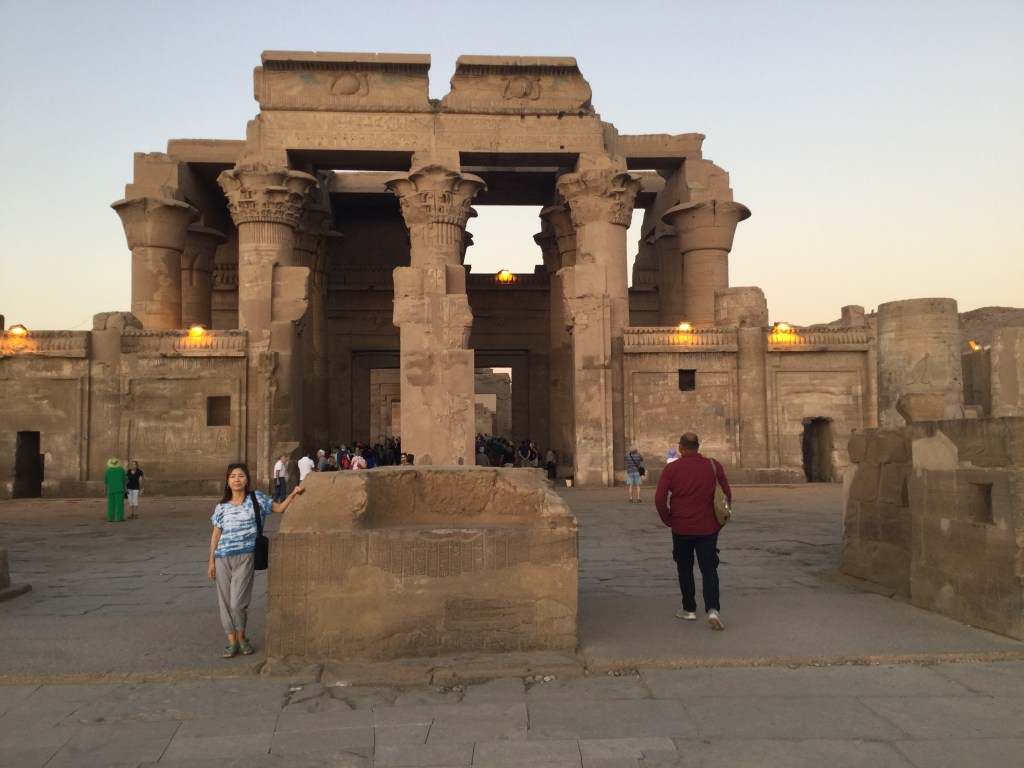
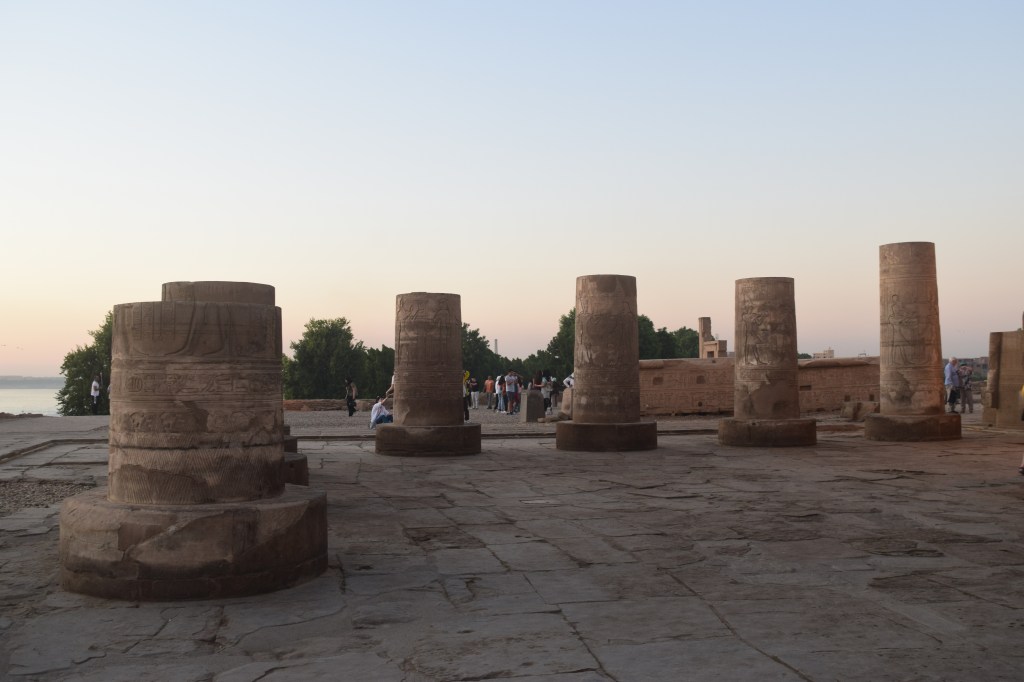
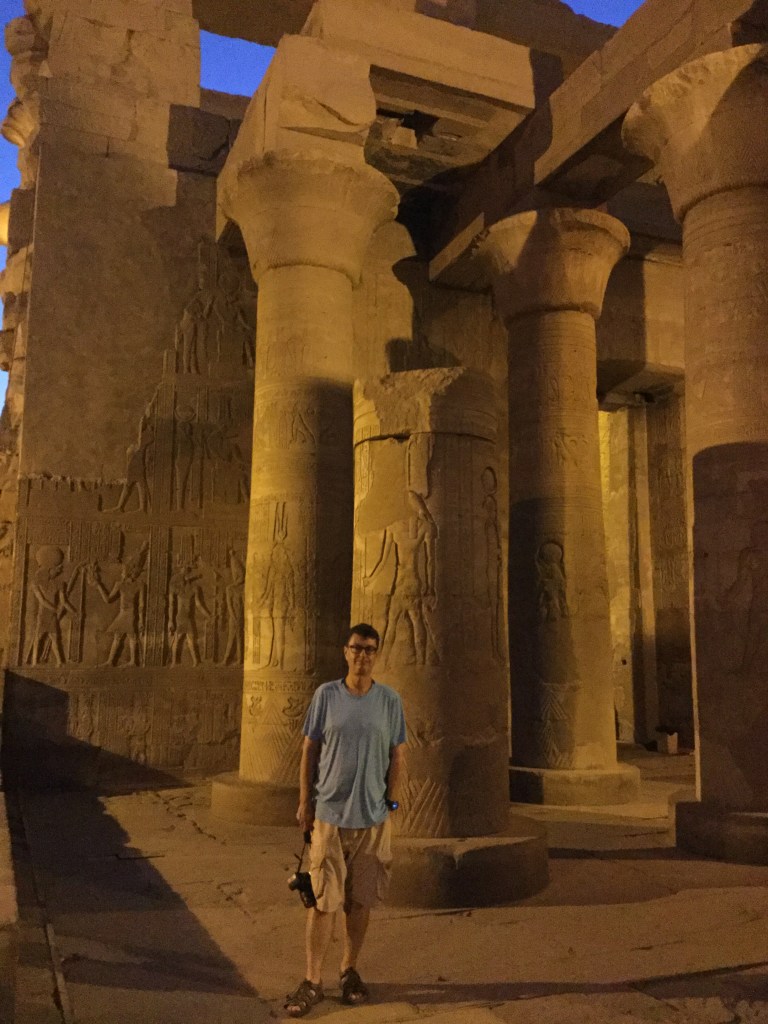
Kom Ombo is unusual because it was a “double-temple.” There were two sets of temples dedicated to two different gods. The southern half was dedicated to the crocodile god Sobek, and the northern half dedicated to the falcon god Horus and two others.


Much of the temple has been destroyed by the flooding of the Nile, by earthquakes and by later builders who used its stones for other projects.


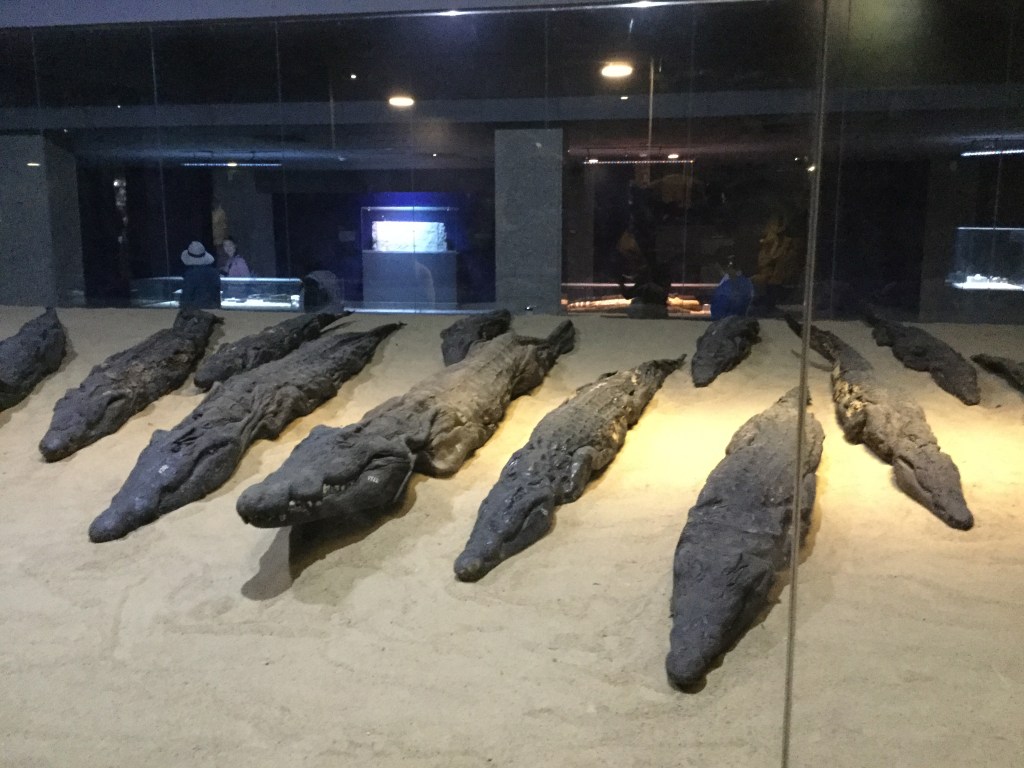
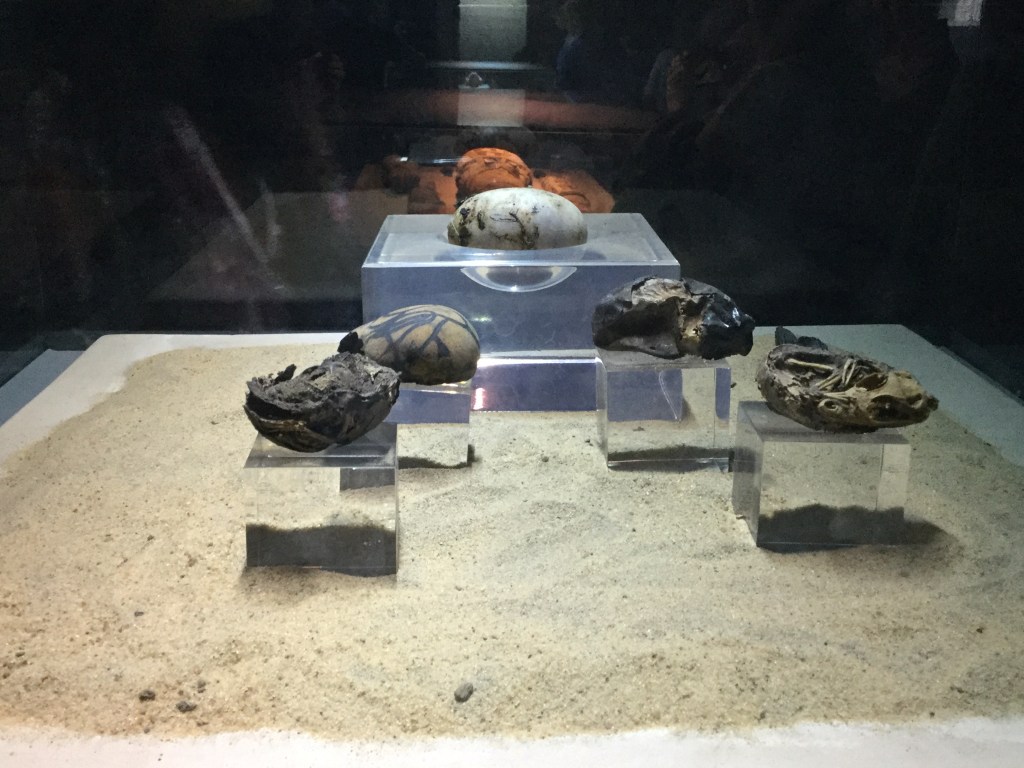
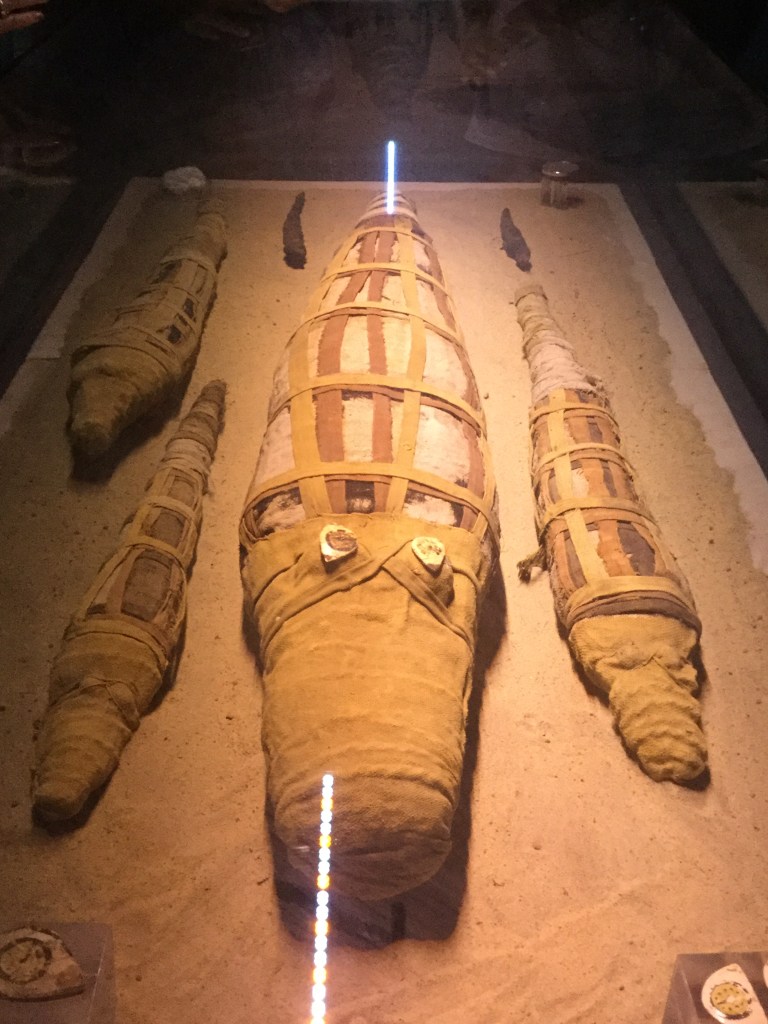
We then headed over to the crocodile museum, an enclosed space that is part of the temple complex. It has a few of the over 300 crocodiles that were found there.

Larger cameras were not allowed (a few other indoor areas were like this in Egypt) but phone cameras were permitted.

Once thing about Egypt is the touts and photo people are very common near the ancient sites and very aggressive. They will demand money if you take a photo anywhere near them and will not give up easily. This last photo is of a snake charmer just outside Kom Ombo. Kim took a photo and he immediately got up and demanded $10 for doing so. He started following us Kim deleted the photo in front of him to get him to leave. Of course there’s always the trash bin…
…but lesson learned. Be careful where you take photos!

Both Edfu and Kom Ombo were fascinating places on the second full day of the journey. Part three of this series will focus on final part of the Nile cruise as we reached the end of the trip around Aswan Dam.
 Humphreys Travel