

This is part three of a three part series on the Nile portion of our trip to Egypt in late 2019 as we’re travelling right now.
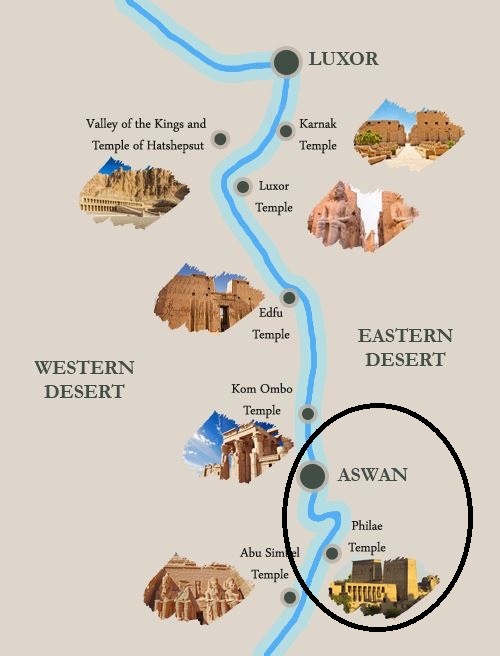
Another overnight voyage brought us to Aswan in the morning. After a long early morning trip to Abu Simbel, we returned to the riverboat just after lunchtime. In the afternoon we checked out an interesting local attraction: the unfinished obelisk.
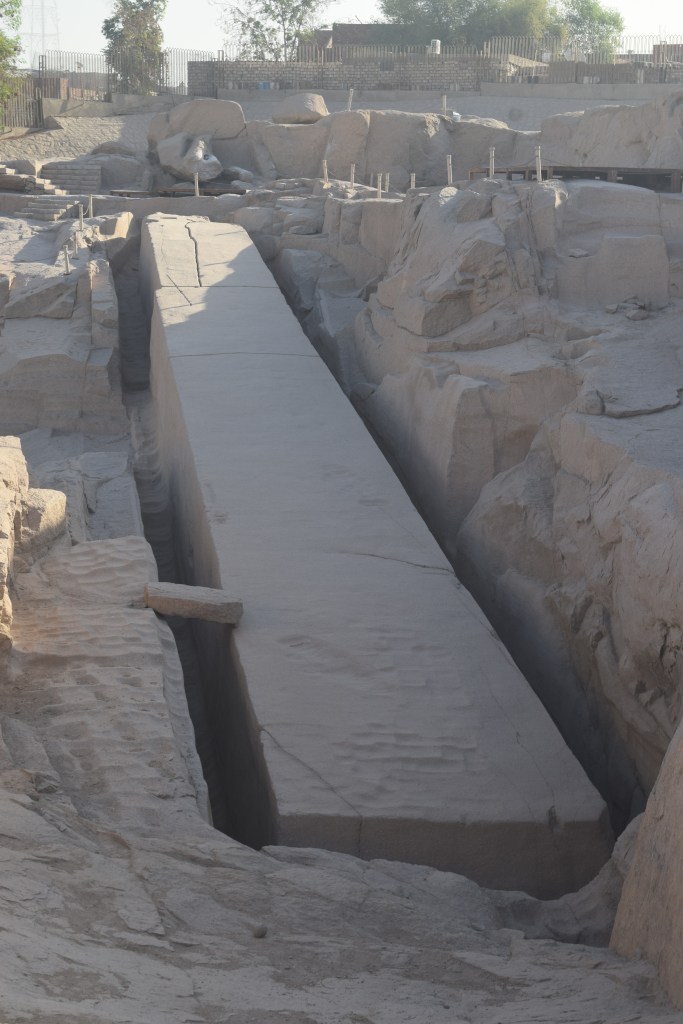
The most interesting thing about the obelisk is its size. It was nearly one-third larger than any ancient Egyptian obelisk ever erected. If finished it would have measured around 41.75 metres (137.0 ft) and would have weighed about 1,000 tons.
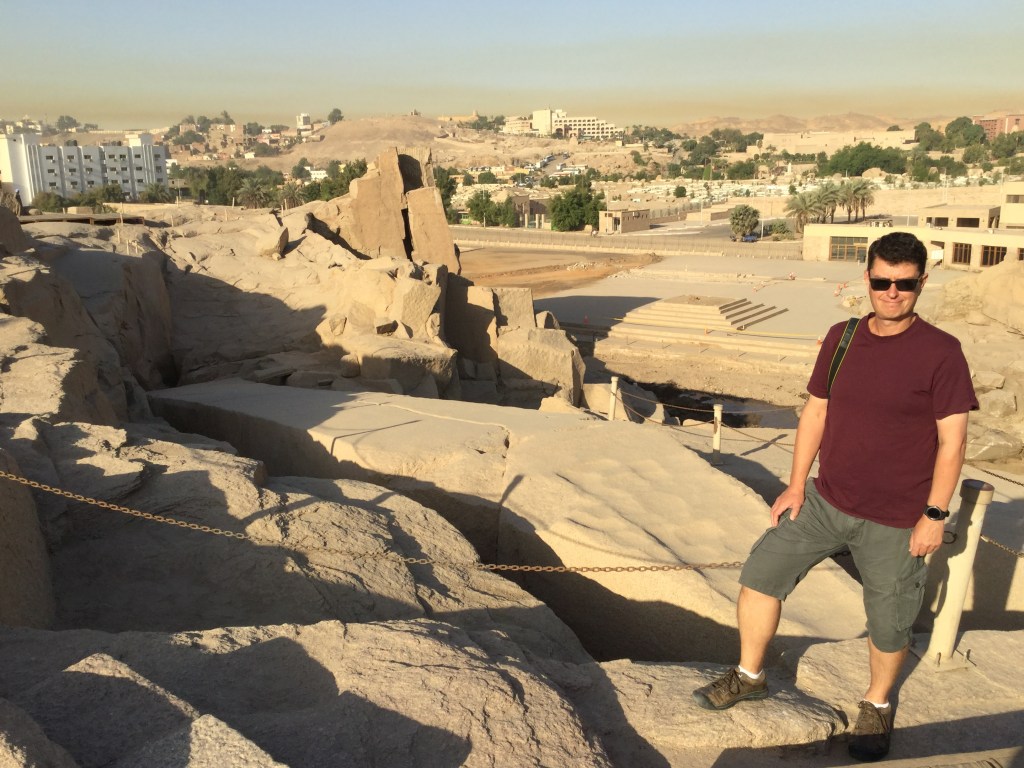
Dating back about 3,500 years, the obelisk’s creators began to carve it directly out of the bedrock in the quarry, but cracks appeared in the granite and the project was abandoned. The bottom side of the obelisk is still attached to the bedrock.
Marks from workers’ tools are still clearly visible in the side of the obelisk. The unfinished obelisk has given archaeologists and insight into ancient Egyptian stone-working techniques.

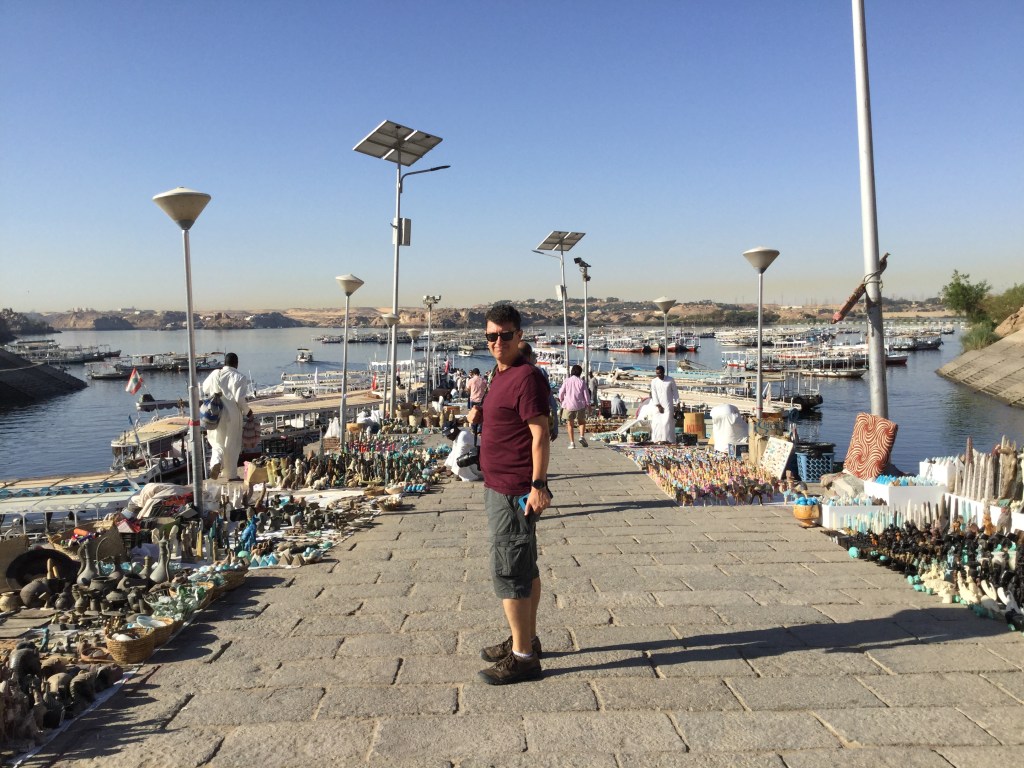
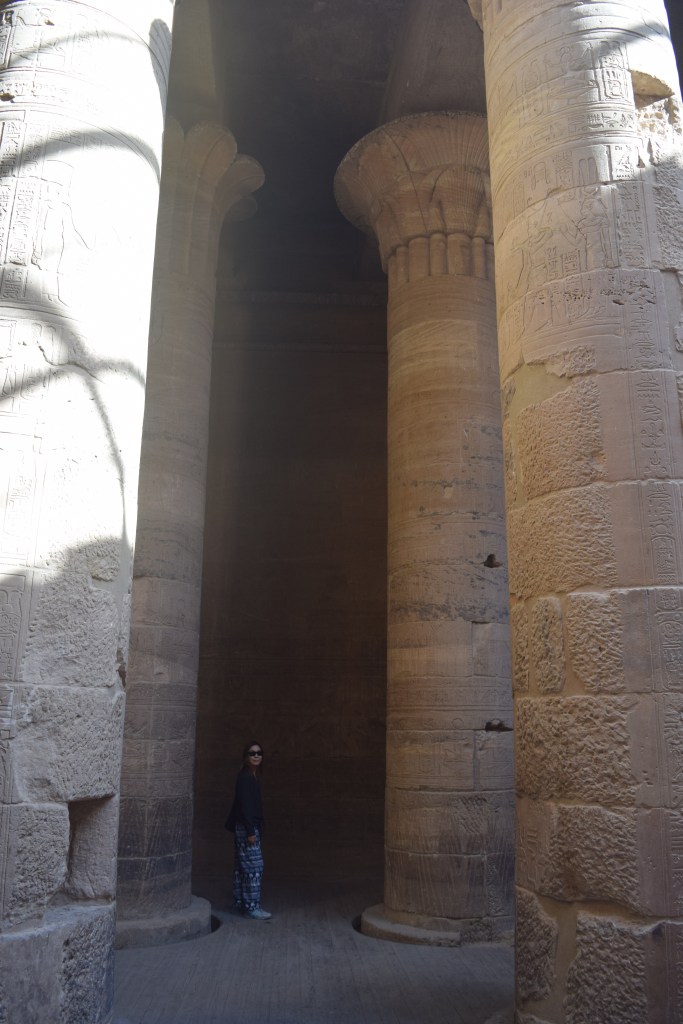
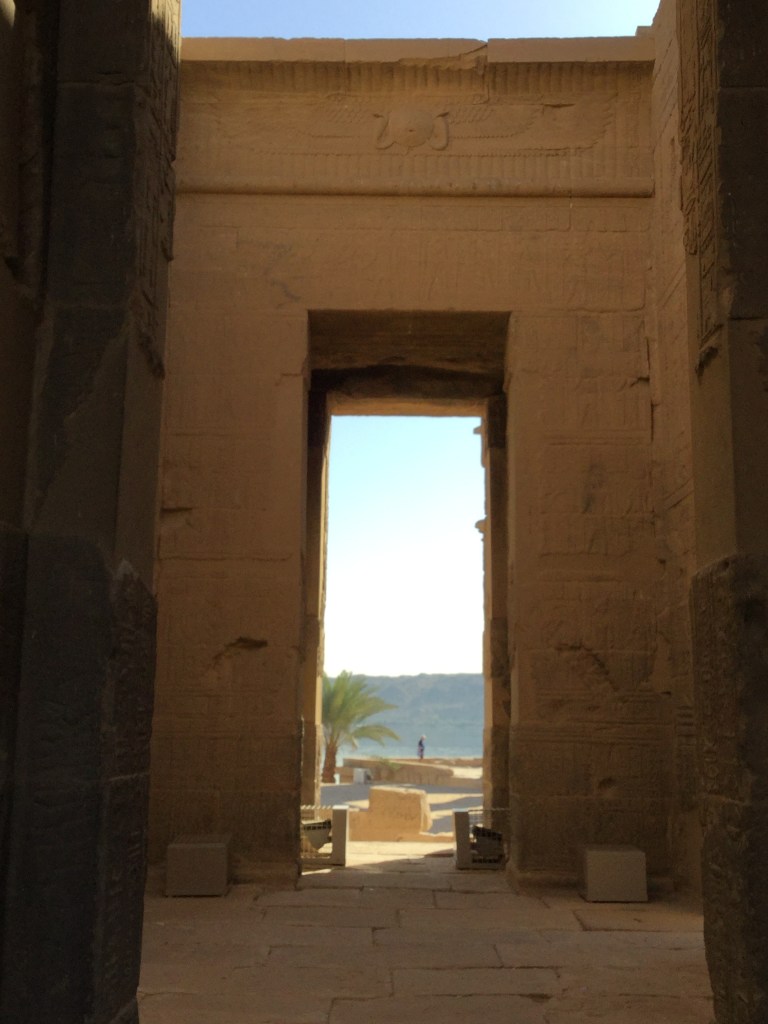
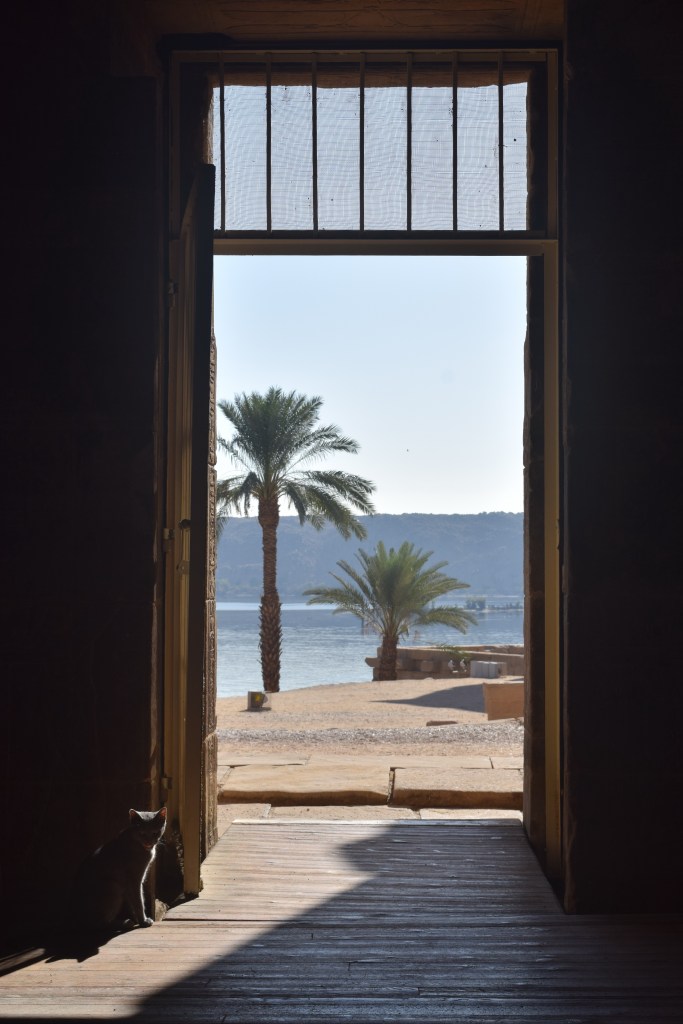
Our next stop was a boat trip to Philae, an island-based temple complex in the Aswan Low Dam reservoir, downstream of the Aswan Dam.
Originally located on Philae Island, the island and the surrounding area have been variously flooded since the initial construction of the Aswan Low Dam in 1902. The temple complex was dismantled and moved to nearby Agilkia Island as part of the UNESCO Nubia Campaign project. It allowed for the protection of this and other complexes before the 1970 completion of the Aswan High Dam.

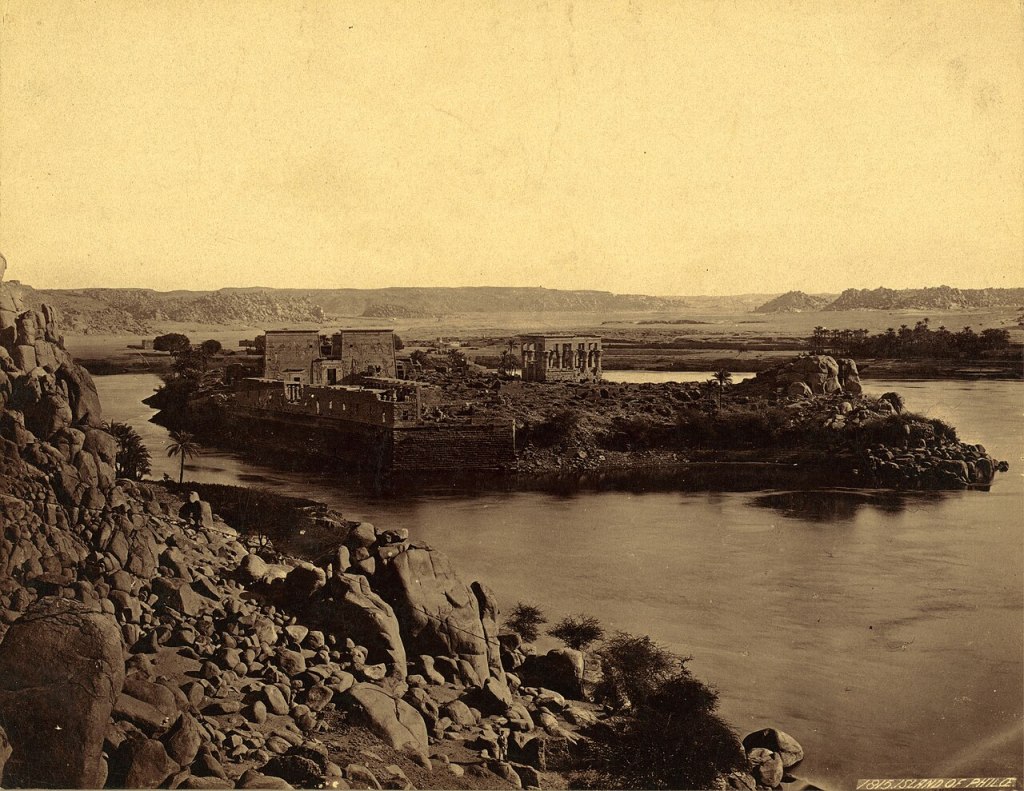


Since Philae was said to be one of the burying-places of Osiris, it was considered a sacred place by the Egyptians to the north and the Nubians (often referred to as “Ethiopians” in Greek) to the south. Only priests could dwell there and the place was accordingly given the name “the Unapproachable” There were stories that birds would not fly over the island nor would fish approached its shores

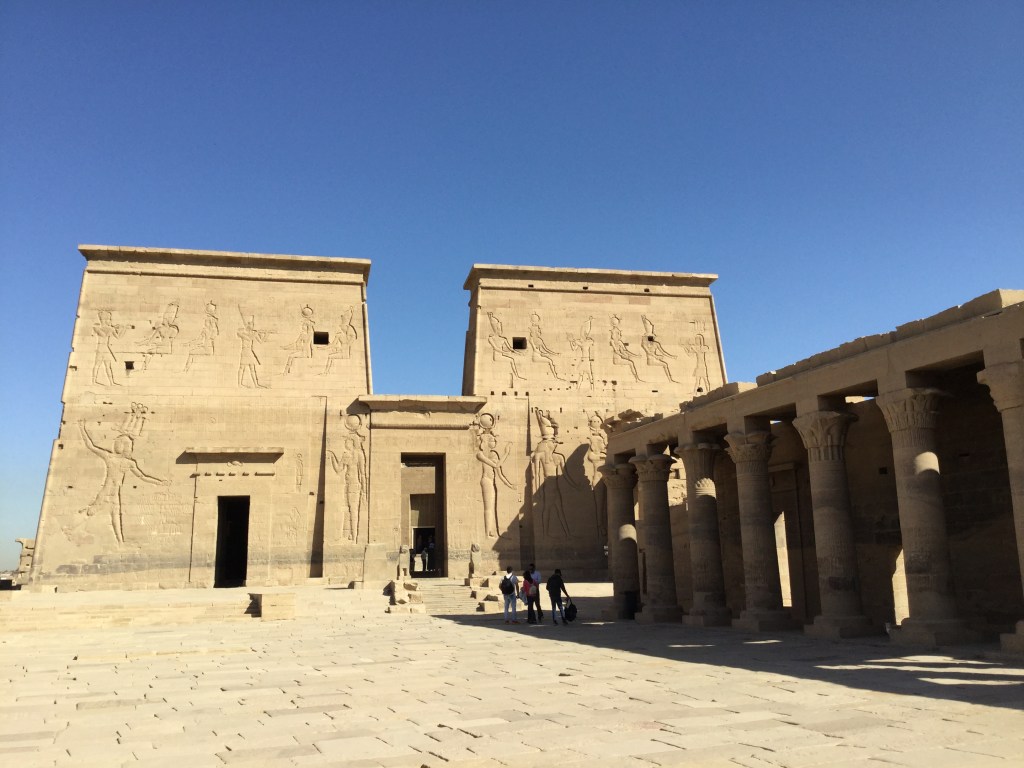
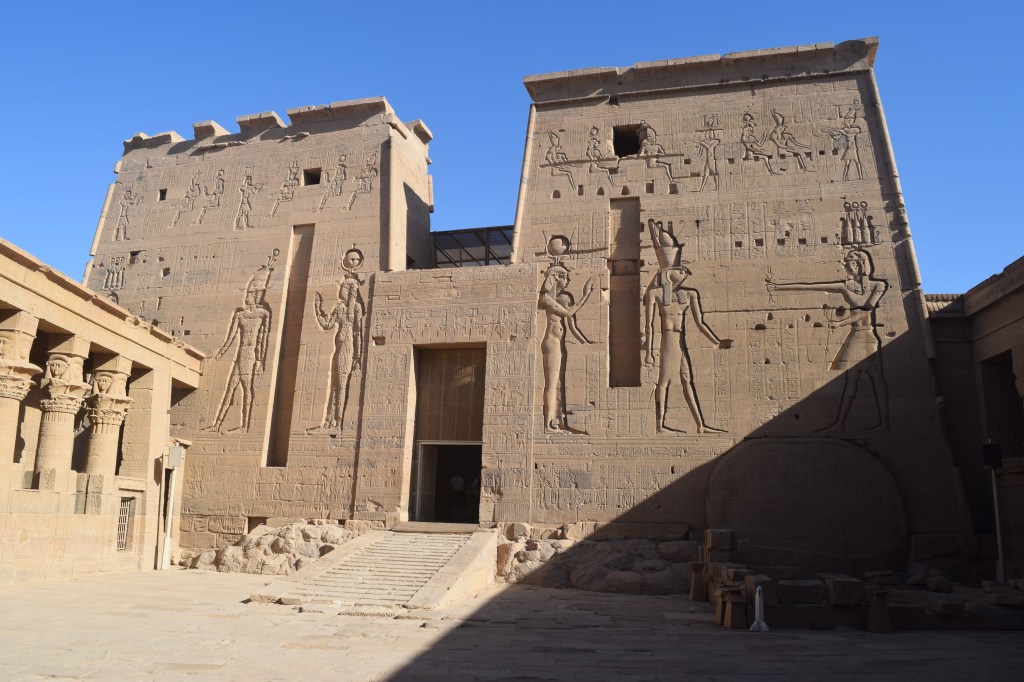
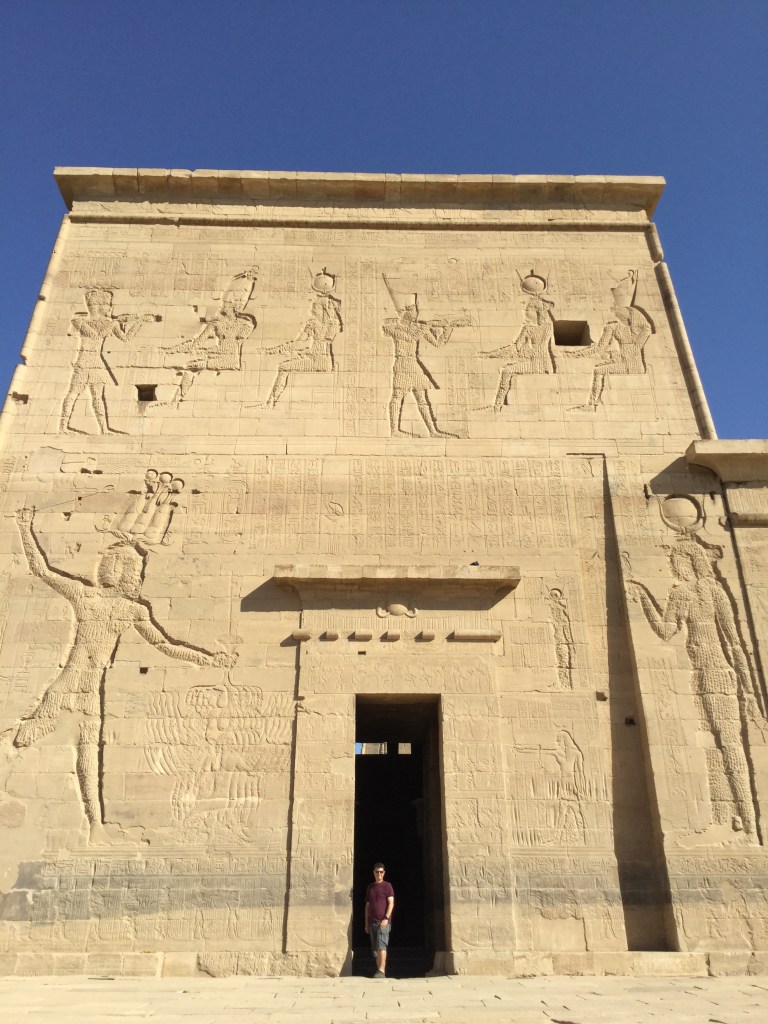
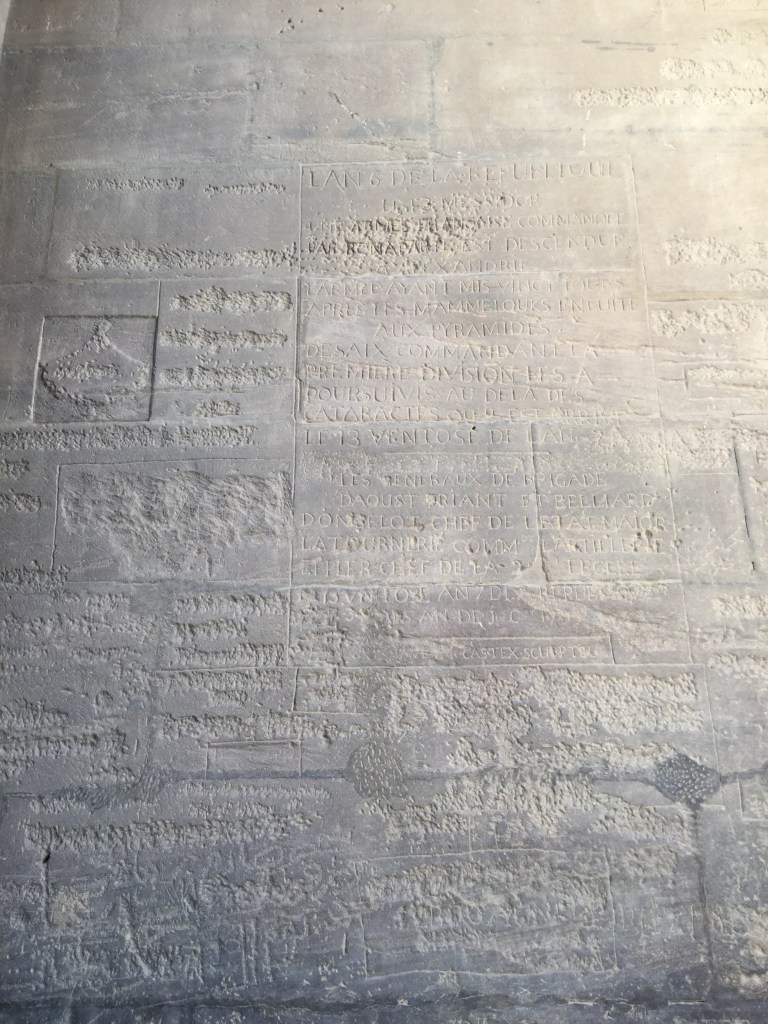
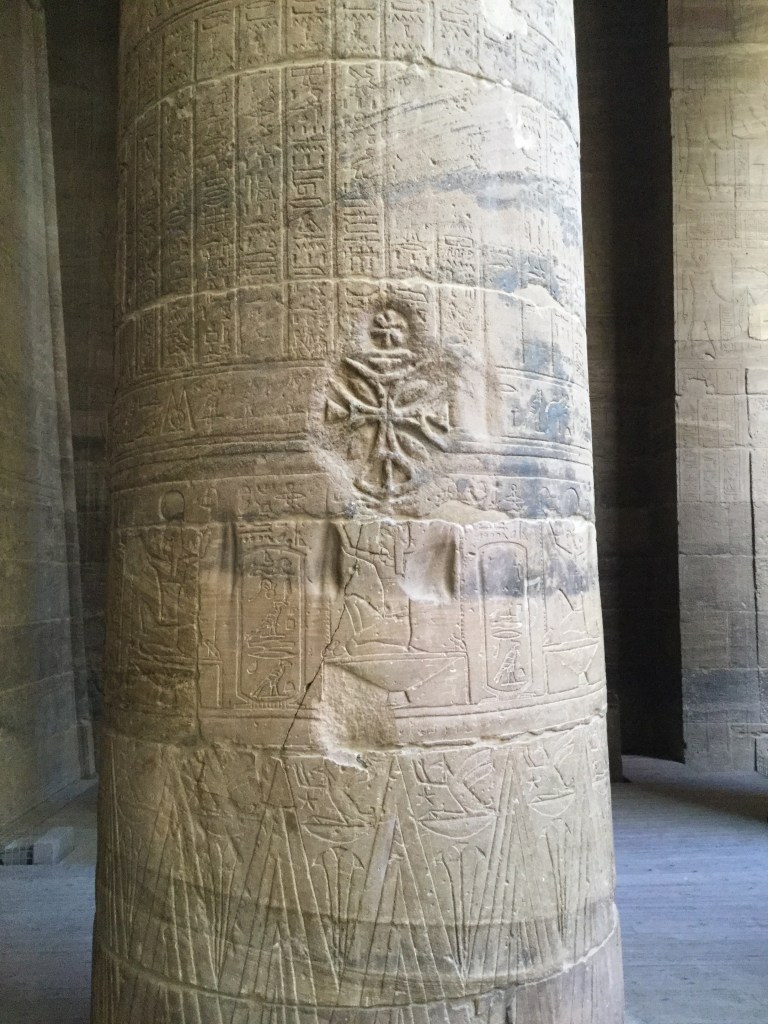
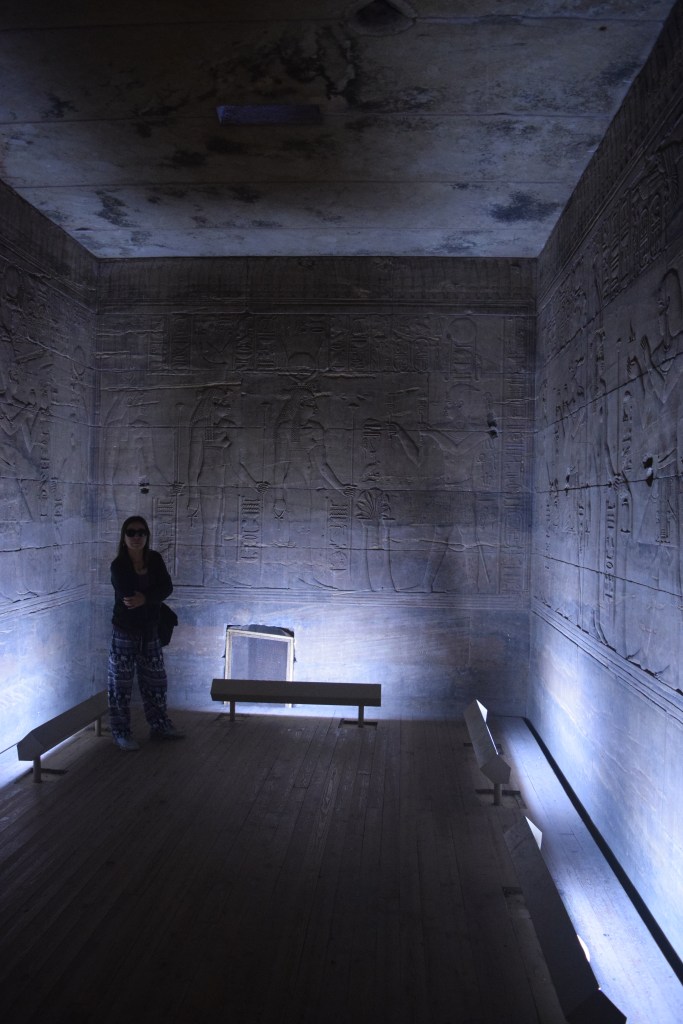


The temples had been practically intact since the ancient days, but with each year of flooding the situation worsened and in the 1960s the island was submerged up to a third of the buildings all year round.
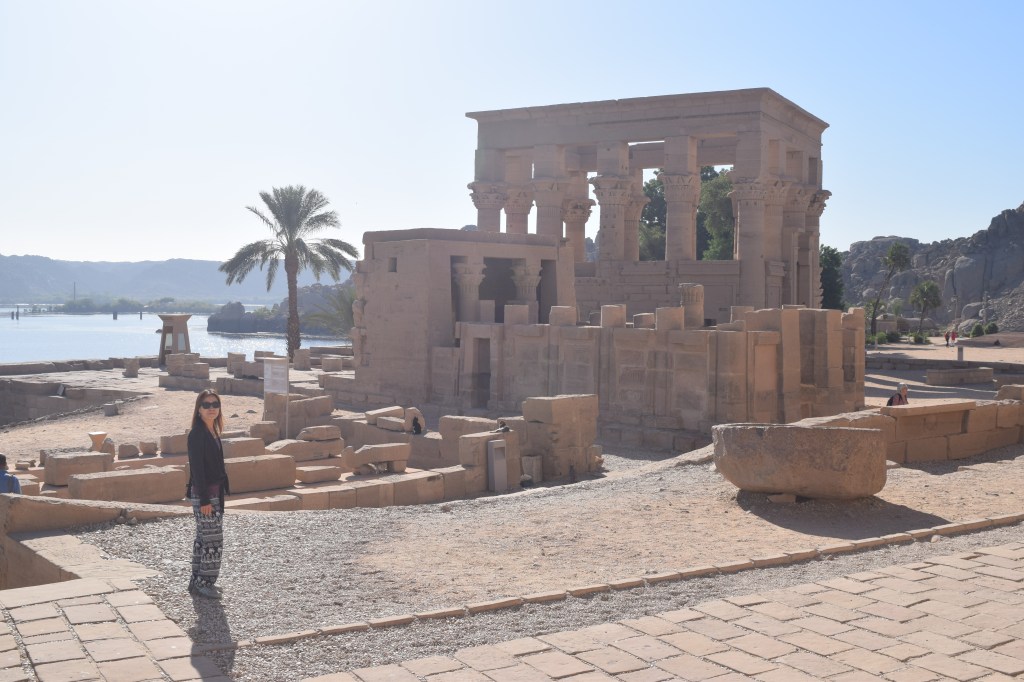

In 1902, the Aswan Low Dam was completed. This threatened to submerge many ancient landmarks, including the temple complex of Philae. The height of the dam was raised twice, from 1907 to 1912 and from 1929 to 1934, and the island of Philae was nearly always flooded.
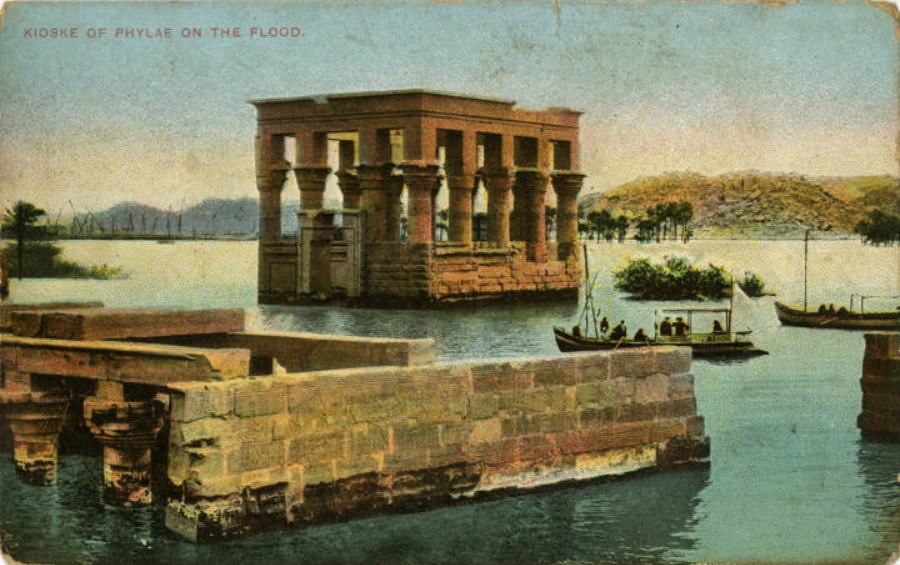
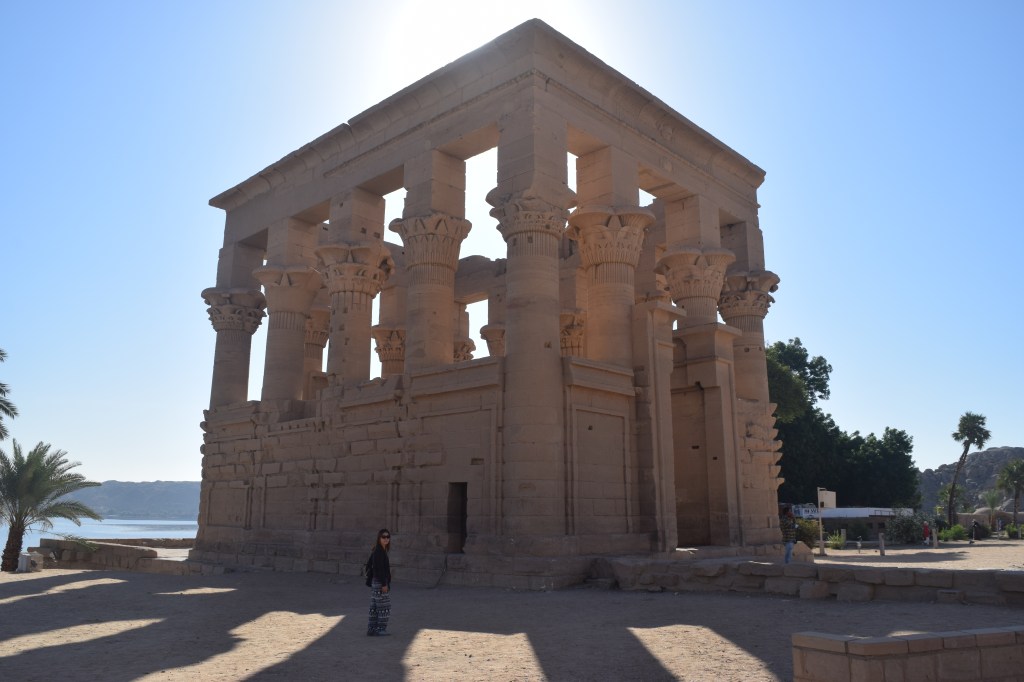
Trajan’s Kiosk was a temple that was the original entrance to Philae from the Nile, but changed location when the temple was rebuilt. It is likely to have been built before the time of Trajan (possibly Augustus) but has images of Tajan as pharaoh inside.
In 1960 UNESCO started a project to try to save the buildings on the island from the destructive effect of the waters of the Nile. First of all, a large coffer dam was built, constructed of two rows of steel plates between which a 1 million cubic metres (35 million cubic feet) of sand was tipped. Any water that seeped through was pumped away.
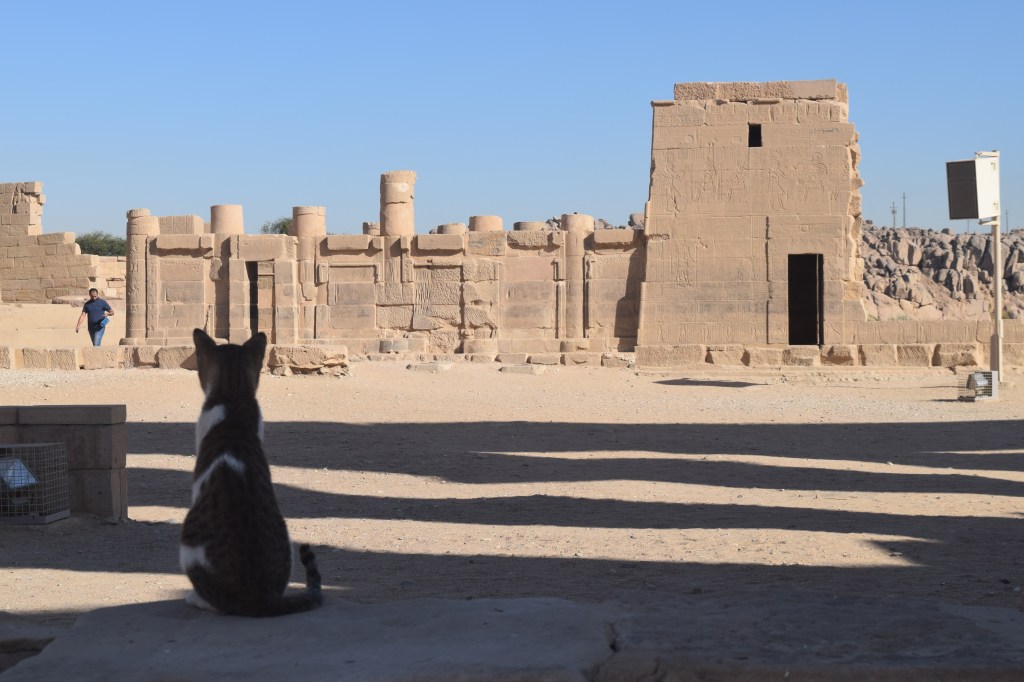
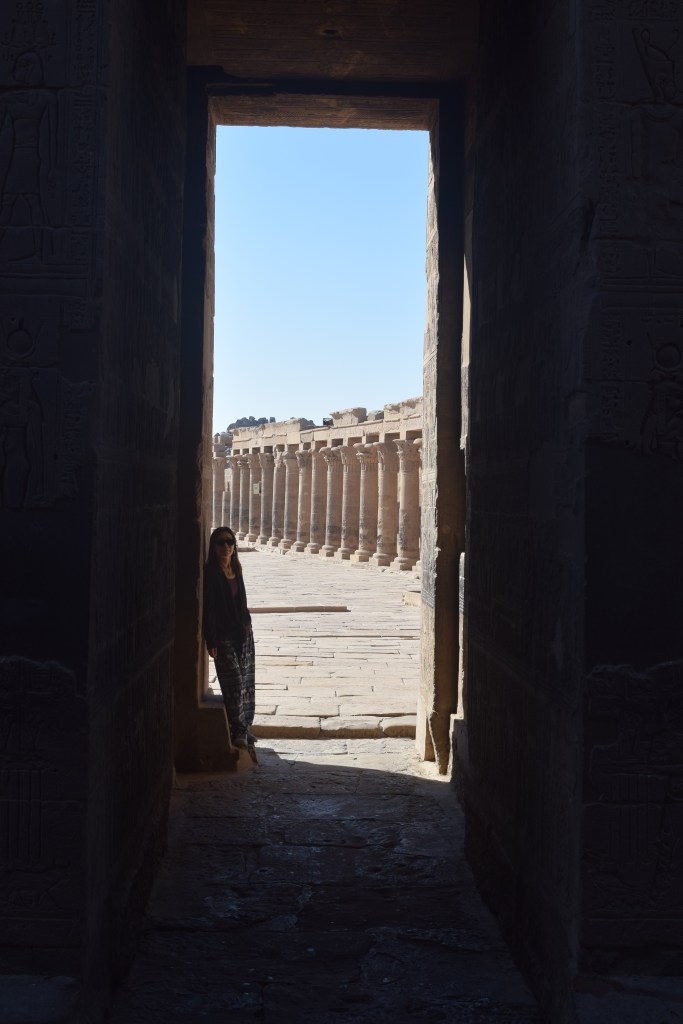
Next the monuments were cleaned and measured. Then every building was dismantled into about 40,000 units from 2 to 25 tons, and then transported to the nearby Island of Agilkia on higher ground. The transfer itself took place between 1977 and 1980.
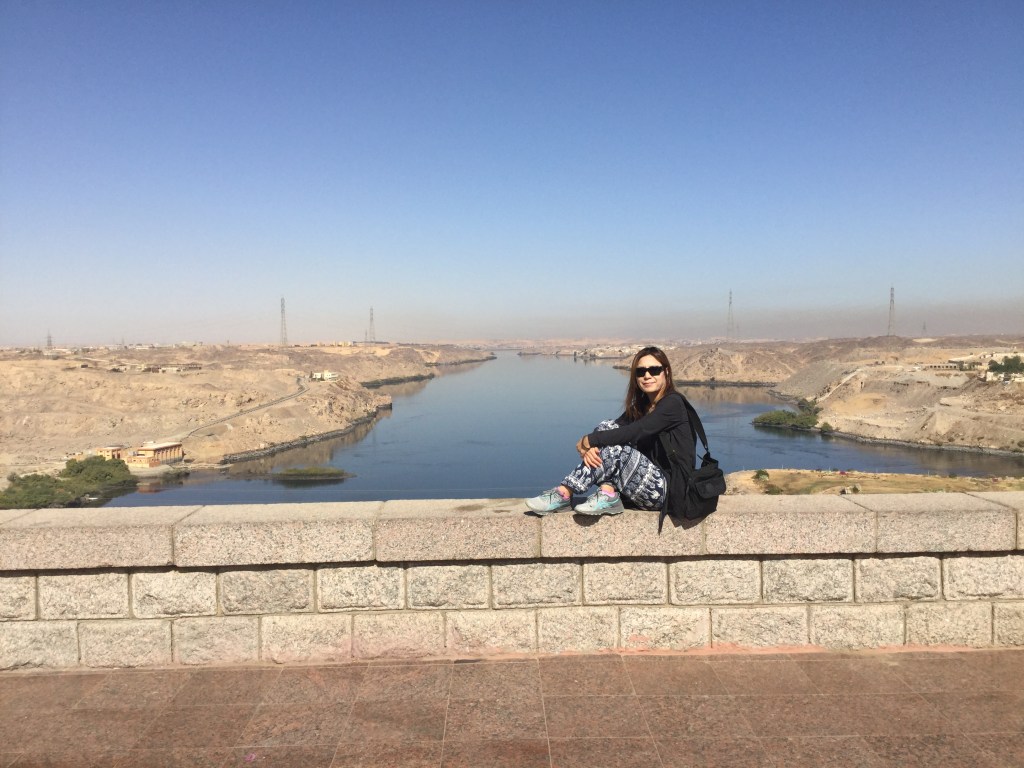
We visited the Aswan high dam as well. An engineering marvel, the construction of the dam in the 1960’s permanently blocked off the Nile south of Aswan. The highest earthen dam in the world when it was completed, a number of archaeologic sights such as Abu Simbel and Philae had to be rebuilt in a safe location due to its construction.
The construction of the dam had two major benefits: the annual floods could now be controlled, and the water could be stored for later release over multiple years. So while Hercule Poirot continued with the colourful cast of characters down to Abu Simbel back in the 1930s, in reality one can no longer sail the Nile continuously to its source.
We had a brief side trip next to the dam to see the huge Soviet-Egyptian Friendship Monument. The USSR played a significant role in the construction of the high dam.

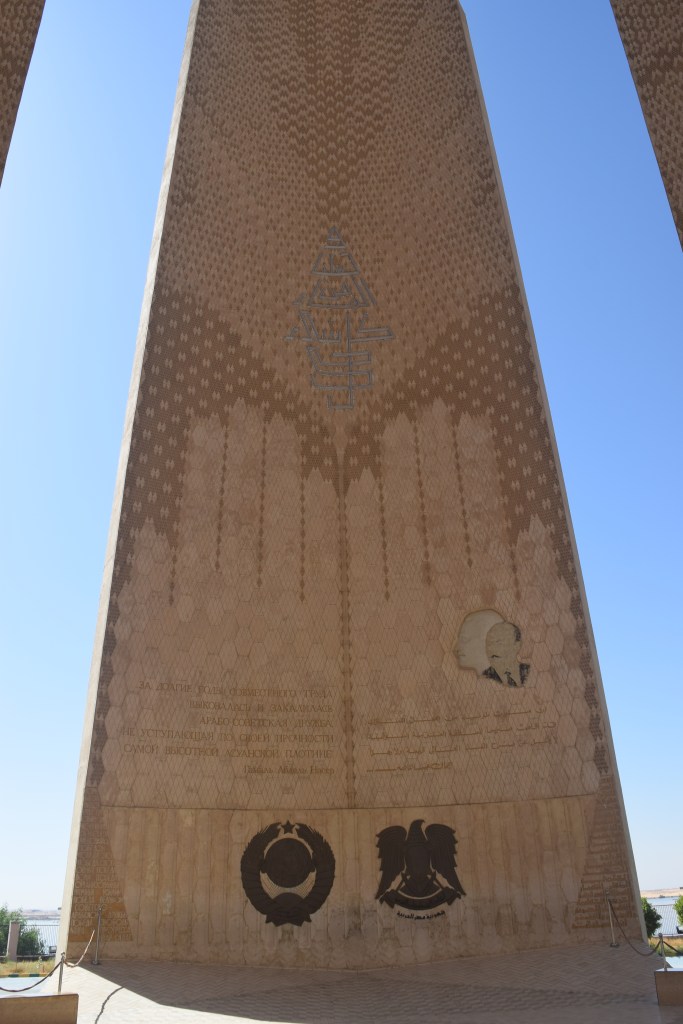
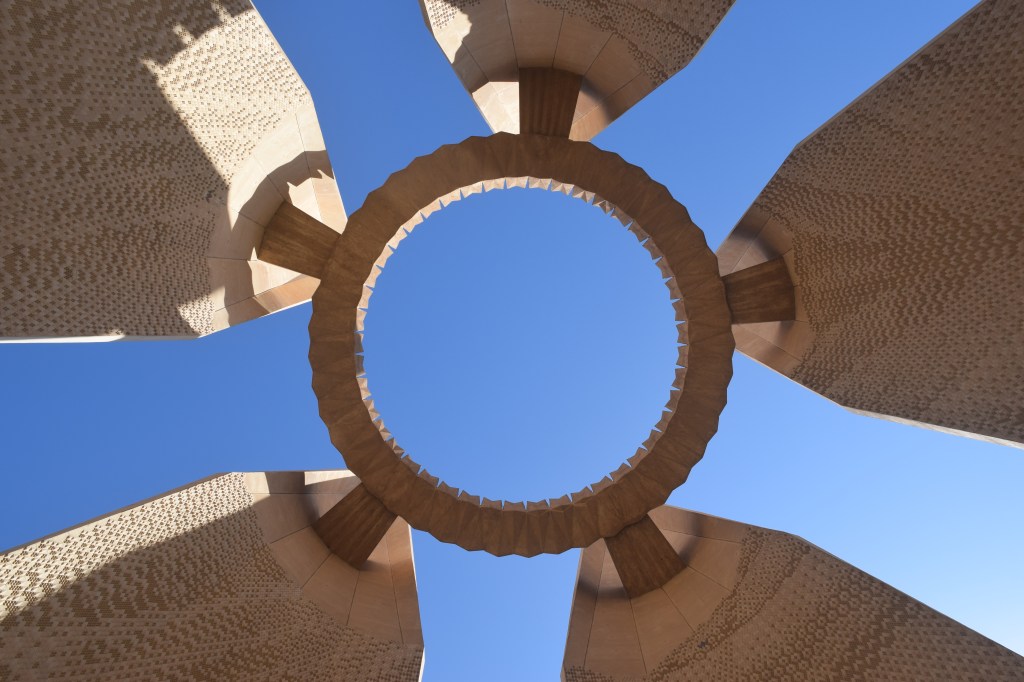
There’s an elevator to an upper observation area but it wasn’t working on the day we visited.
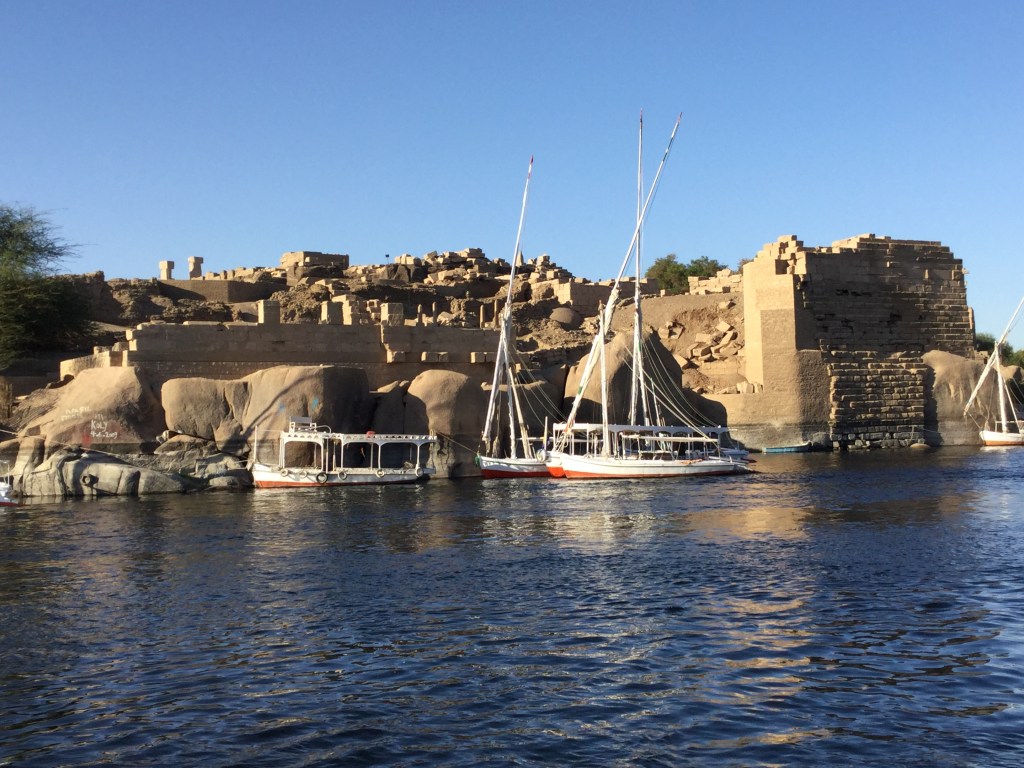
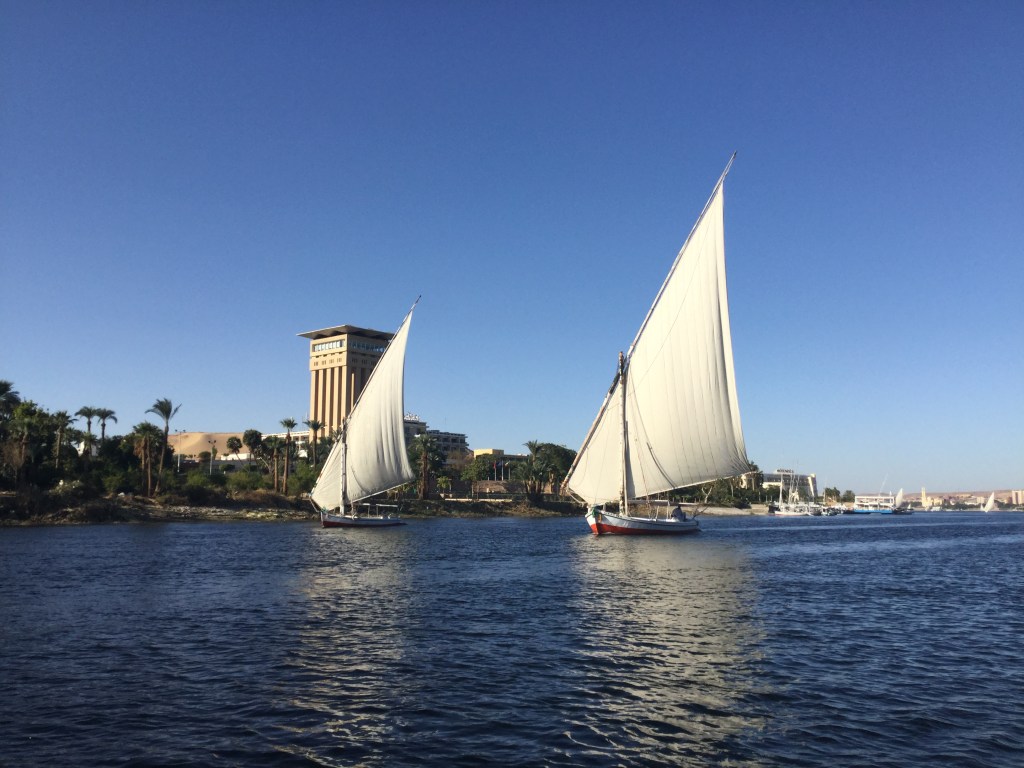
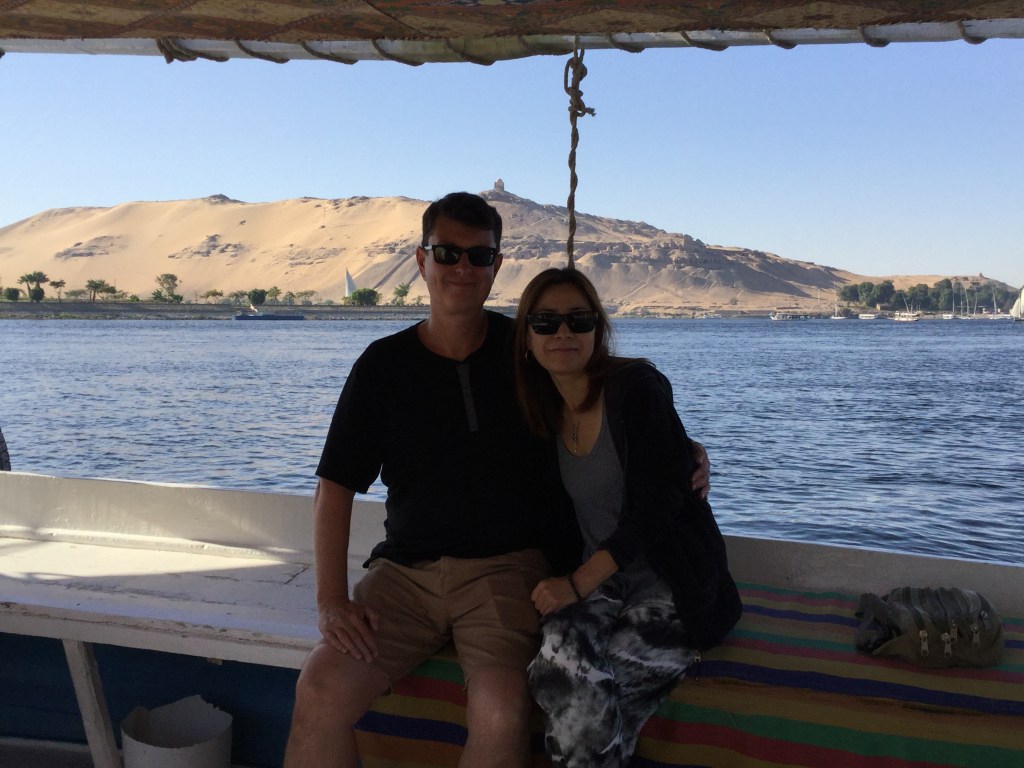
We finished with a late afternoon felucca ride as far south as the boat would allow. It was a little more than an hour’s journey, but the pace seemed to slow right down while we were on the felucca. It was a very relaxing trip, and the boatman lazily but expertly navigated his way around rocks and other boats.


We passed by the Old Cataract Hotel, is a historic British colonial-era hotel that was built in 1899 by Thomas Cook. Agatha Christie stayed there and set parts of Death on the Nile there, and scenes from the 1978 film were shot there as well.
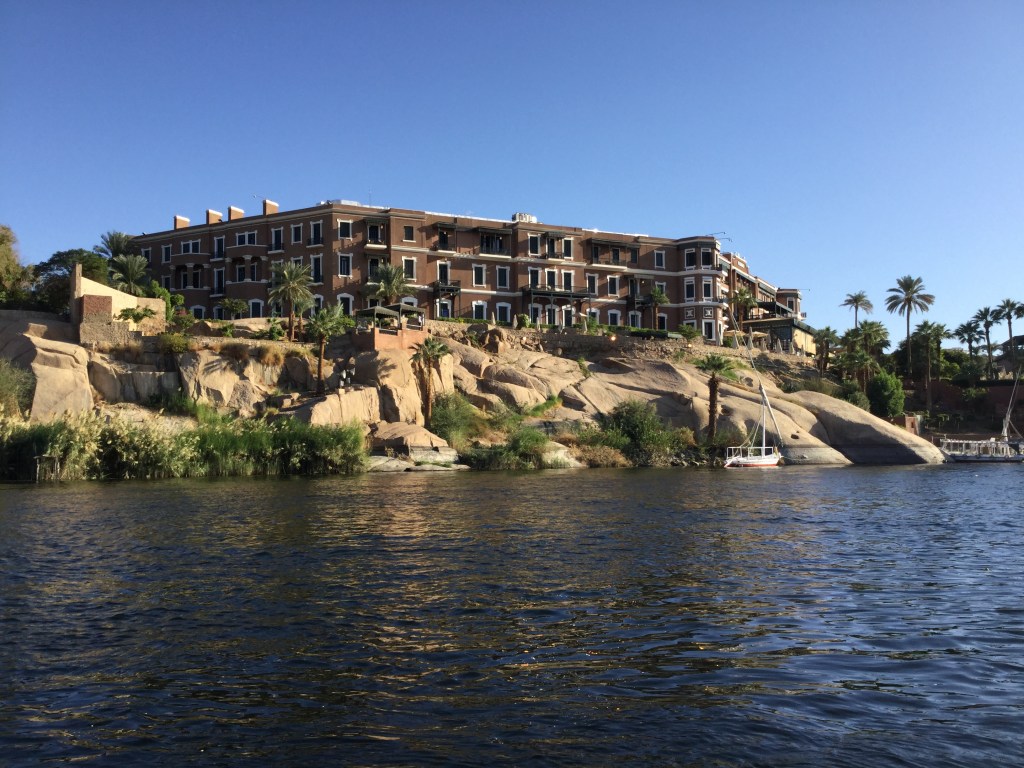
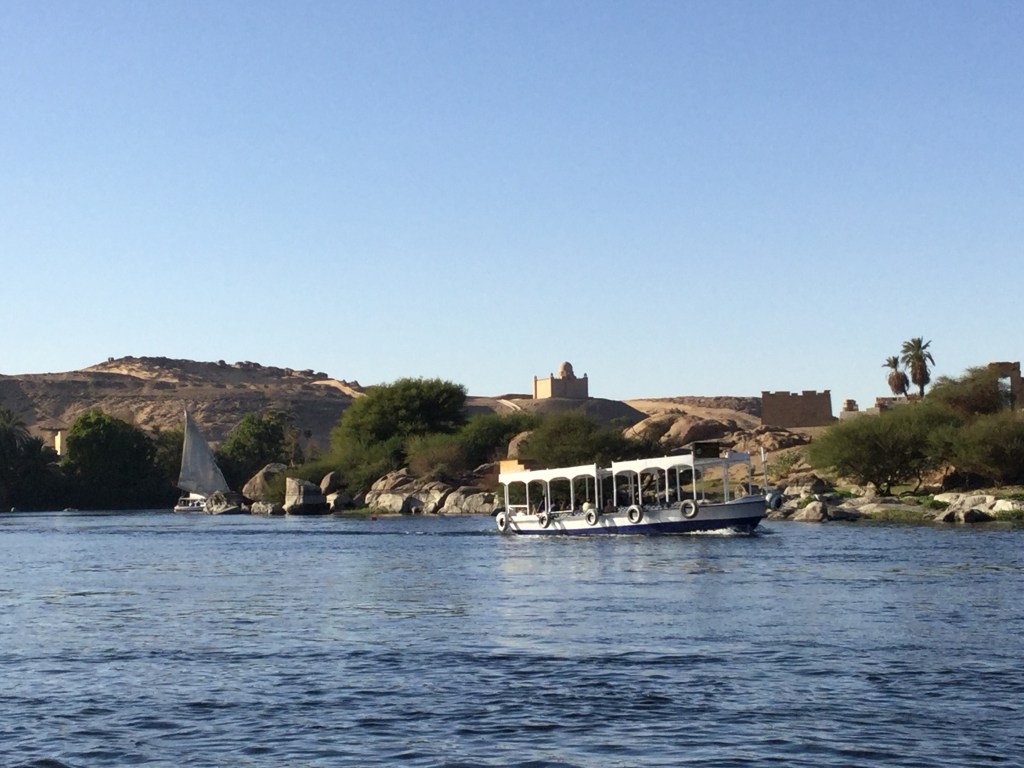
We were back to the boat one last time before a flight back to Cairo to spend our last few days in Egypt. The Nile cruise was everything we hoped it would be, and a highlight of our time in Egypt.
 Humphreys Travel