

For our first visit to South America we debated between a few locations before deciding on Peru in July. The plan was to do three weeks slowly moving south towards Cusco, and then enjoy one more week in a nearby location at the end of the trip. Originally we considered going to the Amazon jungle near Iquitos, but we didn’t have updated vaccines and didn’t want to risk things.
We also considered Bolivia for a week to take in La Paz and the Uyuni Salt Flats, but it felt too ambitious for a short run across the border. So we ended up using the last week for a trip to the north Peru around Trujillo. With the events surrounding the attempted coup in Bolivia last month, we were glad we didn’t take on the extra challenge. However, we also learned that northern Peru is far less tourist-oriented than the south and presented its own challenges.

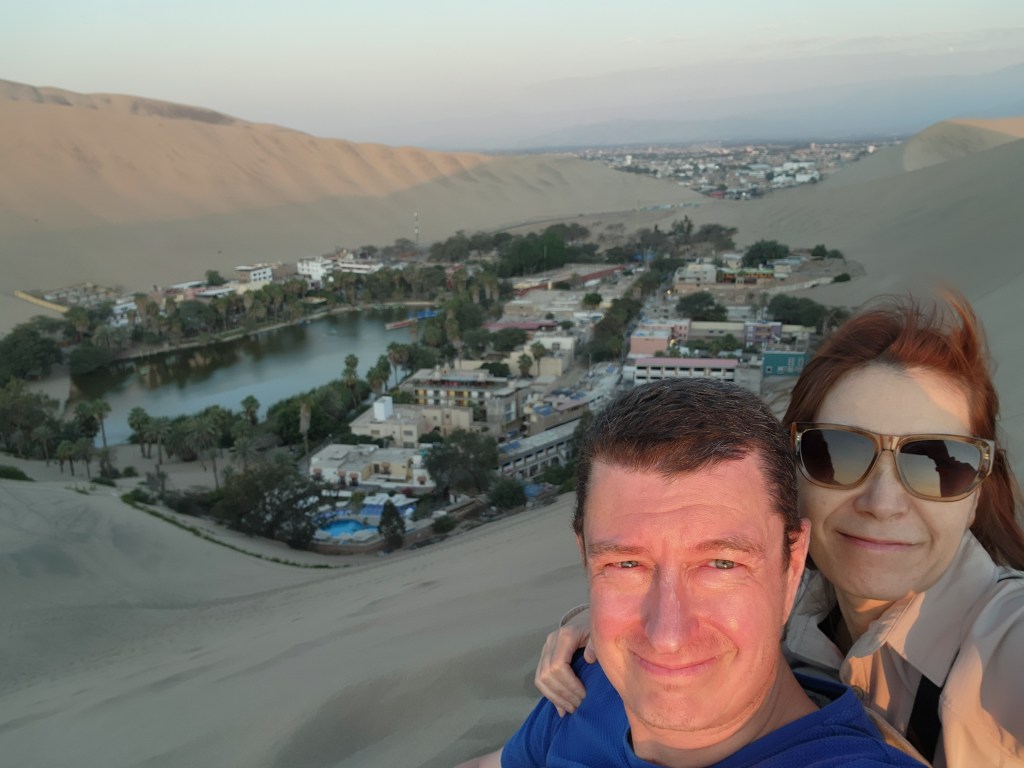
We spent the first three days in Lima. The southern route we chose involved taking buses south from Lima to the coast near Paracas for a few nights and then inland to the dunes of Huacachina (Ica). From there we stayed a night in Nasca near the Nasca Lines before taking an overnight bus to Arequipa for a few days to get used to the higher altitude. From there we took a bus even higher to Puno to see Lake Titicaca before moving north (and slightly lower in elevation) to Cusco.
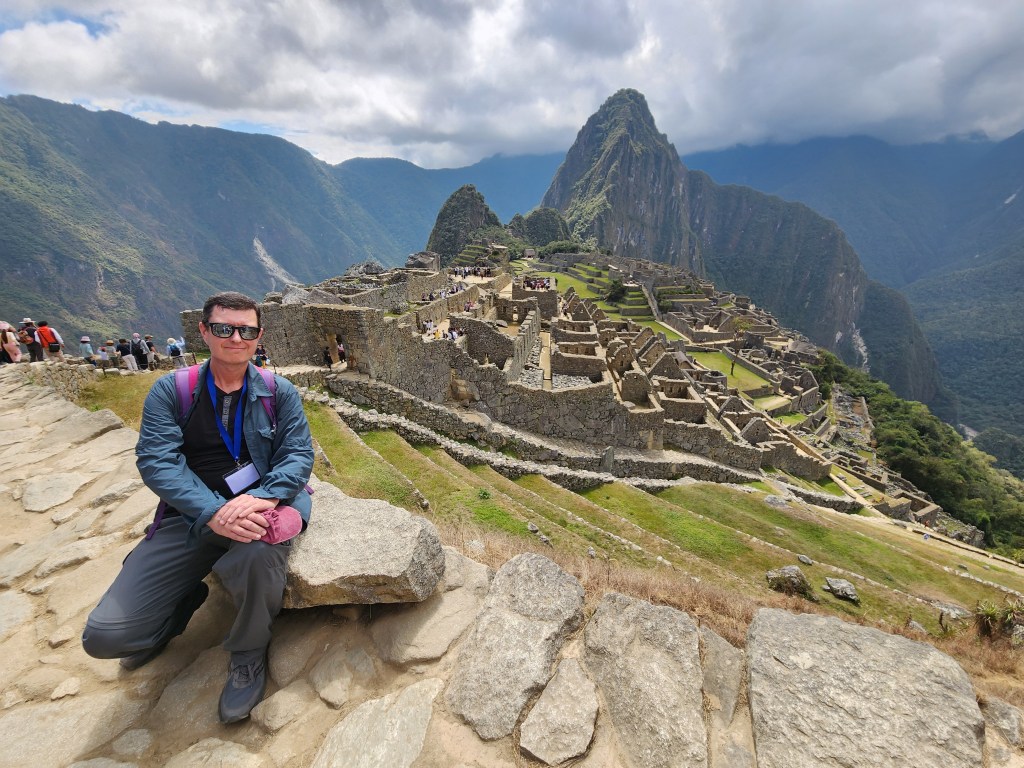
After a few days in Cusco we went on to Ollantaytambo for a few nights before taking the train to visit Machu Picchu for the day. After returning to Cucso we flew to Trujillo in the north via Lima. After a few days in Tujillo we stayed in the beachside town of Huanchaco before heading back from from Lima airport.

We wanted to minimize altitude sickness by moving up gradually. Everything at the start was around sea level until Arequipa, which was 2,300 metres (7,550 feet) above. After that we went to Puno to experience the highest city altitude at 3,826 metres (12,549 feet). We only had mild symptoms overall and passed even higher before we arrived in Cusco at 3,399 meters (11,152 feet) above sea level. It made Macchu Picchu at 2,430 metres (7,972 feet) a much easier climb!
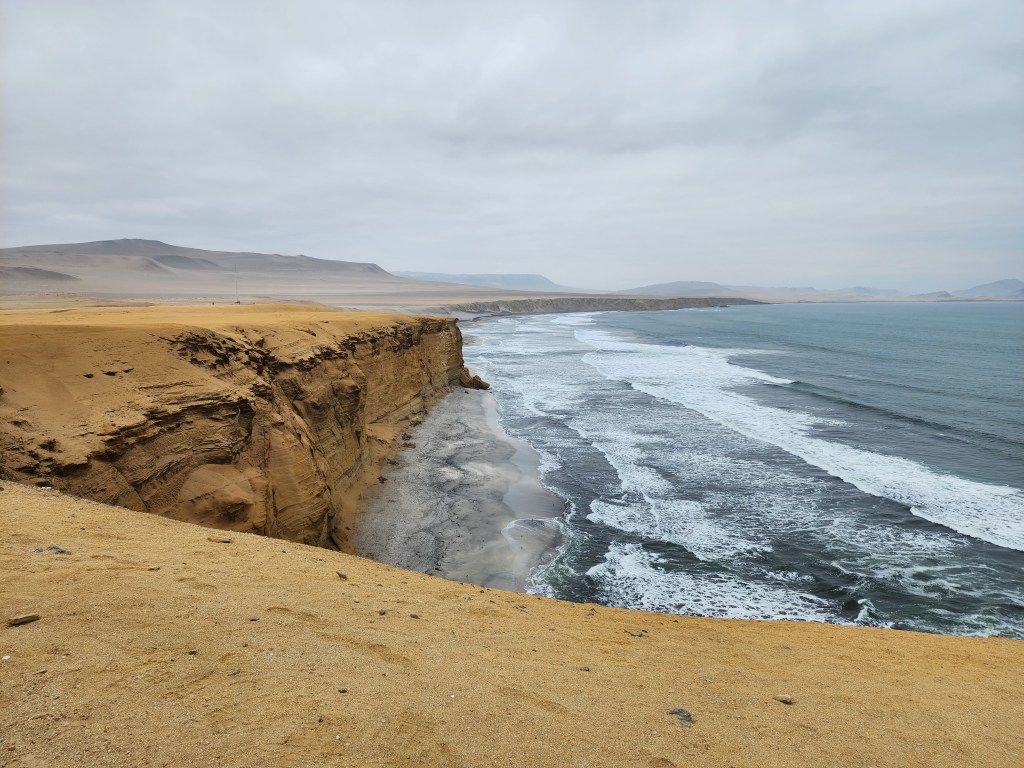
The weather throughout the trip was excellent. We left on July 10th and returned on August 8th. There was no rain for the entire trip and temperatures were usually in the 20s (mid-70s) with little or no humidity. It got chilly and near zero at night in Puno and around the Cusco region but nothing requiring heavy jackets or winter gear.
We debated booking private deluxe buses throughout the trip or take a more organized service like PeruHop. As a foreigner-friendly bus service, it’s been heavily advertised through bloggers (who I’m sure were getting discounted travel as a result) so we were skeptical. Rather than using PeruHop all the way to Cusco, we used their service until Puno and used Peruvian buses and tours for the rest.
Overall I’d say PeruHop was convenient in some ways but not well organized in others. Things rarely started on time, they didn’t have their own buses so you might not get the same ride twice, and they are not as comfortable as the best Peruvian buses. But I had similar complaints about the Peruvian bus system later in the trip so neither ended up being the clear choice.
For air travel, we took LATAM Airlines from Cusco to Trujillo (via Lima) and then back to Lima at the end of the trip. Other than a refueling delay for an hour on one flight, it was fine.
We also used a combination of taxis, professional taxi services (through the Internet), and Uber, and the quality of experience varied greatly. The same went for the trips we took. In the next series of blogs, we’ll start in Lima and then head south on the way to the sacred valley before going up to the north of Peru. Although Machu Picchu was the most famous destination and a highlight of the trip, we found a few other highlights that were just as impressive and far less crowded.
While things didn’t go completely smoothly, it was a great trip, and we’ll detail what when well and what didn’t in the next series of blogs.
Next up: A Day in the Miraflores District of Lima
 Humphreys Travel