


As a hybrid of tour and bus service, our Peru Hop bus service had a few features that the domestic lines didn’t. On the trip to Paracas, it included a stop at a plantation called The Casa Hacienda San Jose. It ended up being a very enlightening stop even though it revealed some dark times in Peru’s past.


The hacienda suffered great damage after the 2007 Peru earthquake that hit the central Peruvian coast on August 15, 2007. A hotel chain purchased it did extensive renovations from 2009 to 2012 when it reopened.


In the early 1800’s revolts in the region had some slaves escaping to join the liberators, but the plantation survived the independence movement and continued.
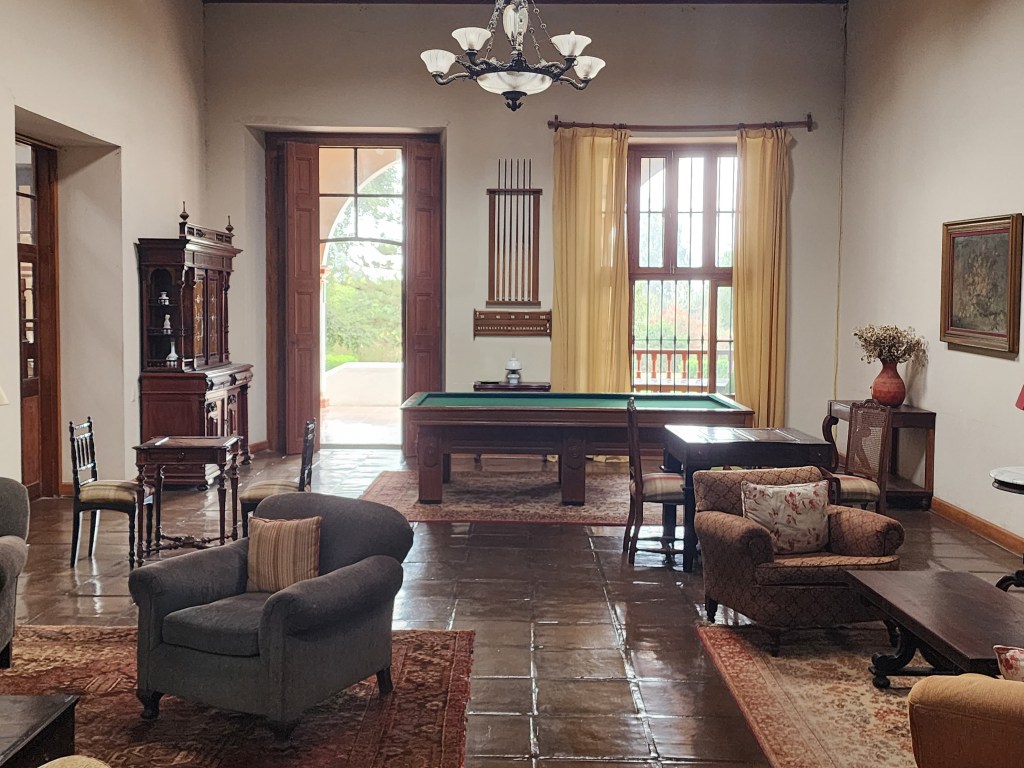
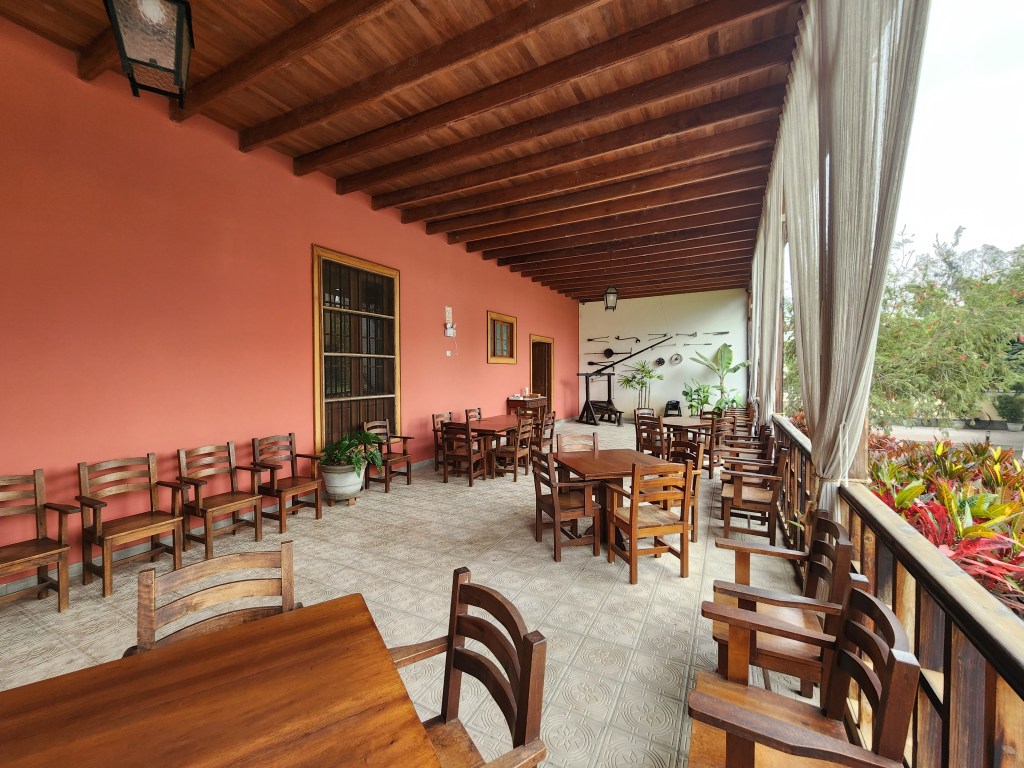
Hacienda San José was first mentioned in 1688 when Rosa Josefa de Muñantones y Aguado married Don Andrés Salazar. As a dowry, she contributed her manor house and church along with a farm located in the Chincha valley to the marriage. Over time it became a sugar plantation containing 87 slaves. Sugar cane produced two very expensive exports: sugar and honey.


After further marriages and expansion, the plantation grew to have more than 1,000 slaves working to produce sugar cane and cotton. The nearby town was where many slaves used to hide, escaping the extensive abuse they suffered on the plantations.

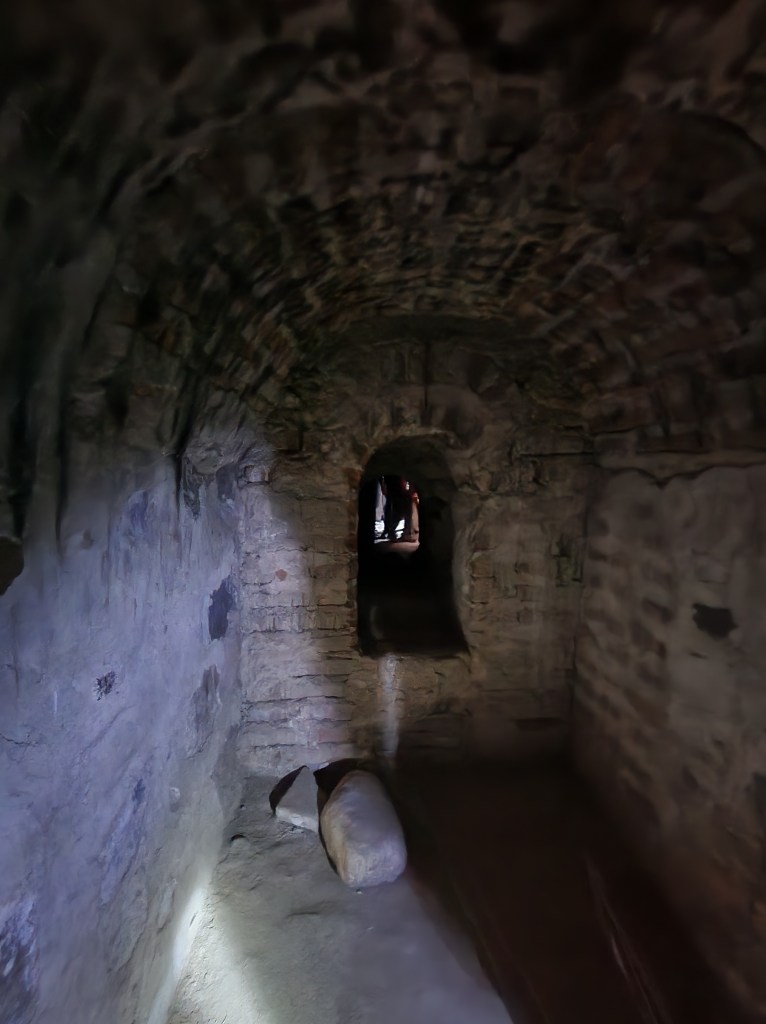

We walked through the tunnels that the slaves used to transport goods for export. It was a bit claustrophobic as there were some tight and narrow spaces and small rooms. It’s difficult to imagine just how terrible the conditions were for the slaves who had to use these tunnels.

Some rooms were used for punishment and were tiny and completely dark; these punishments could go on for days.
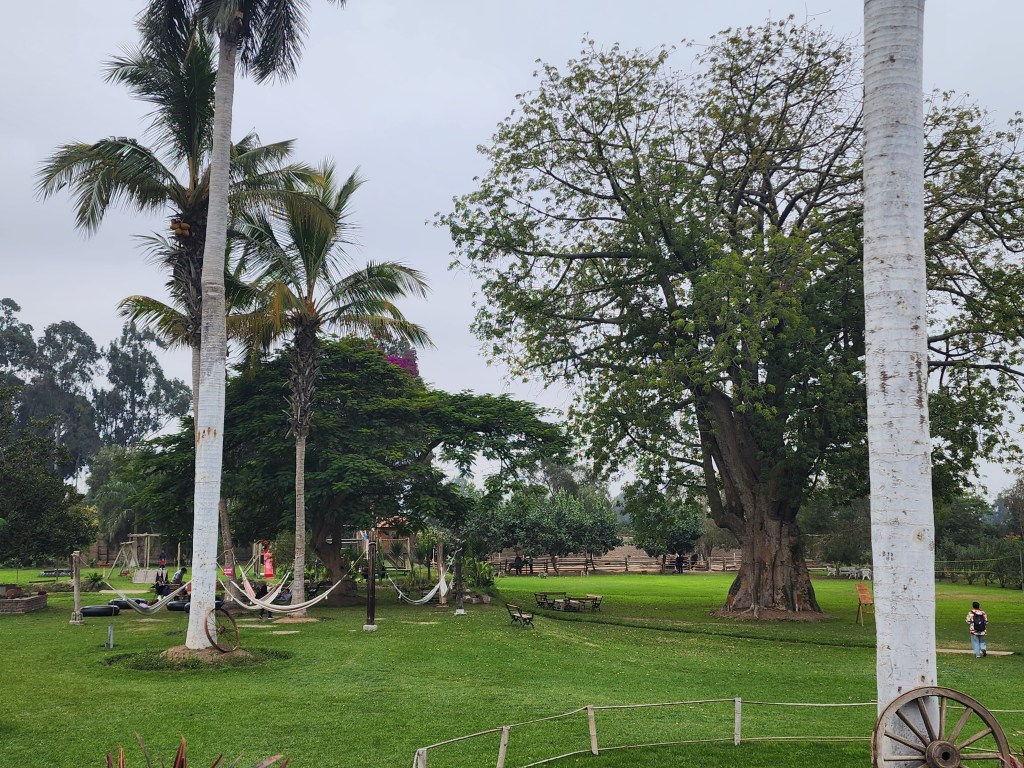
Slavery was abolished in Peru in 1854. However, many slaves continued to work on the plantations.
The last heir Julio Carrillo de Albornoz y Mendoza, 25 years old, was murdered by the slaves on the main staircase of the manor house during the War of the Pacific. The house was soon sold by his widow and passed through various hands until modern times.

The entire tour took a little over and hour and was a nice break on the long drive between Lima and Paracas. From here went went on for another hour before arriving in Paracas, the topic of the next post.
Random Notes:
-As a side note, this was one of the reasons we chose the Peru Hop bus service for most of our southern trip even though the bus itself was smaller and less comfortable than the better domestic bus lines such as Cruz Del Sur. During the travel Peru Hop made stops along the way whereas the regular buses were express and didn’t stop. We decided to sacrifice a bit of comfort to gain a few experiences along the way.
-There were other reasons we chose Peru Hop, such as picking us up from our hotel at some locations or from nearby central locations in other cities (bus terminals in Peru were often on the fringes of the larger cities).
-On the downside, they were often late for these pickups. Some guides were new to the job and were more limited with information while others had clearly done it for a long time. But they were friendly and did their best. Overall we’d give them a 7 out of 10 and don’t regret using the service. But it wasn’t quite as impressive as some of the glowing reviews we’ve seen on YouTube.
 Humphreys Travel