

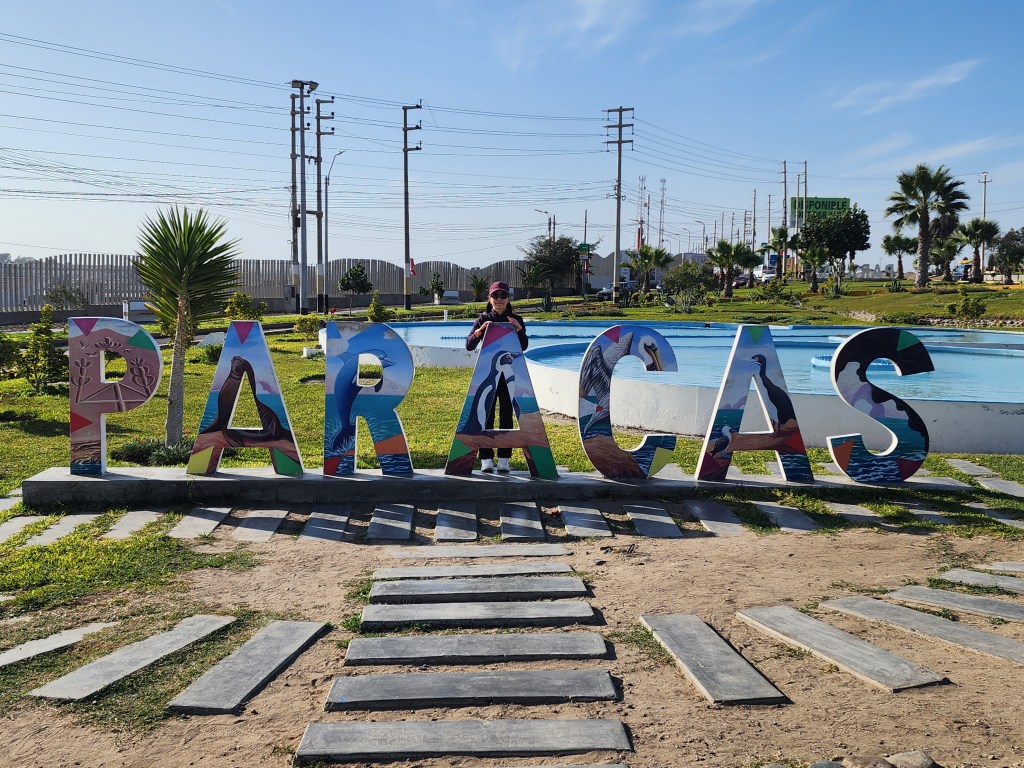
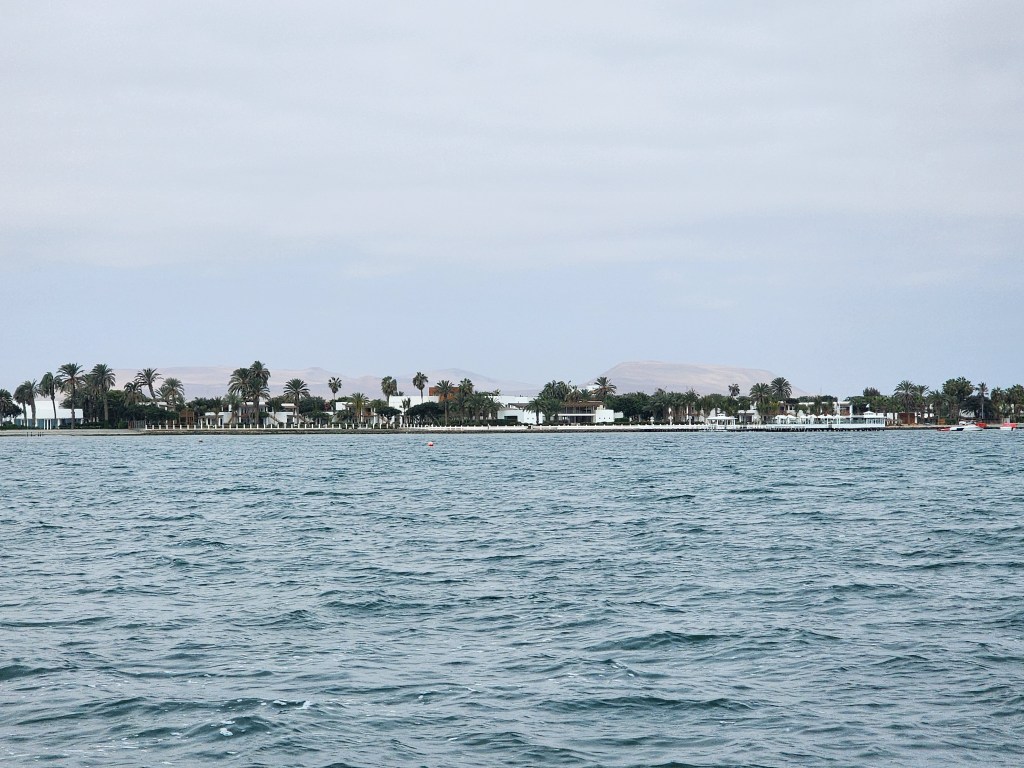
Paracas (also known as El Chaco), is a small port town in the Pisco province of southern Peru, located about four hours south of Lima. The town is an ideal departure point for the Ballestas Islands (nicknamed the “Peruvian Galápagos”) that are home to sea lions, pelicans and Humboldt penguins. Also in the area is the enormous Paracas National Reserve, a desert peninsula which acts as a protected area for wildlife. It is an important archaeological zone as well.

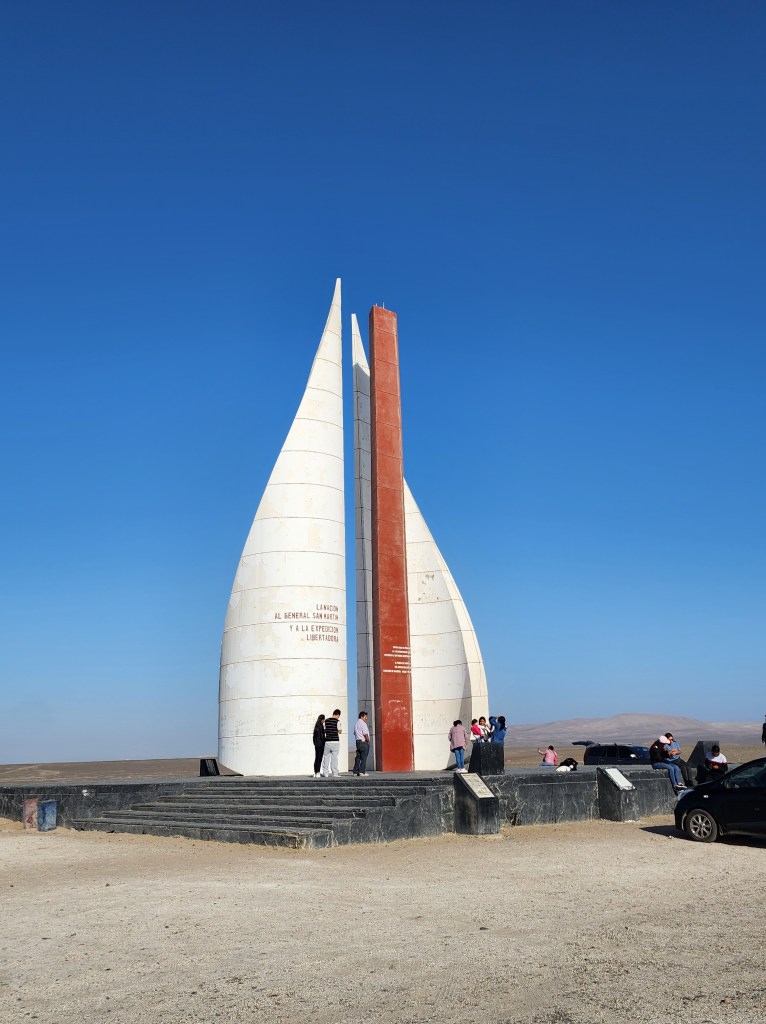
There is a story that says that Argentine liberator and Peruvian national hero José de San Martín was going over military strategies underneath a palm tree in the Paracas bay and fell asleep. While sleeping he dreamed of possible national flags. When he awoke, he saw a group of flamingos with intense red and white colors, and it was then that the colors of the Peruvian flag were chosen.

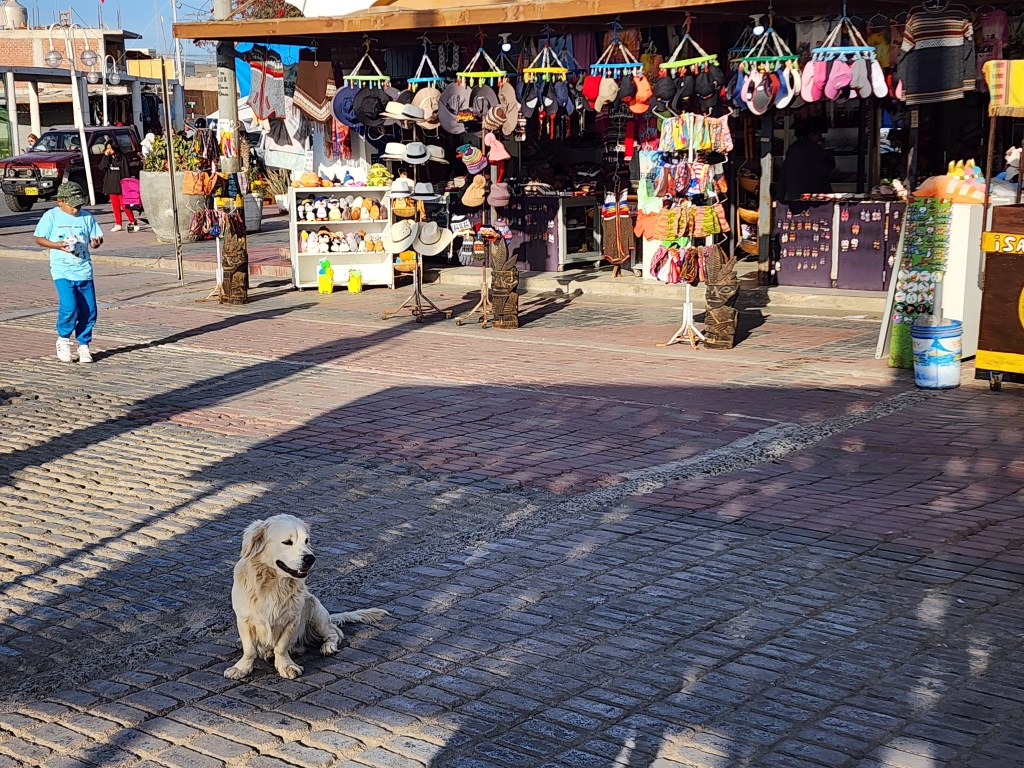
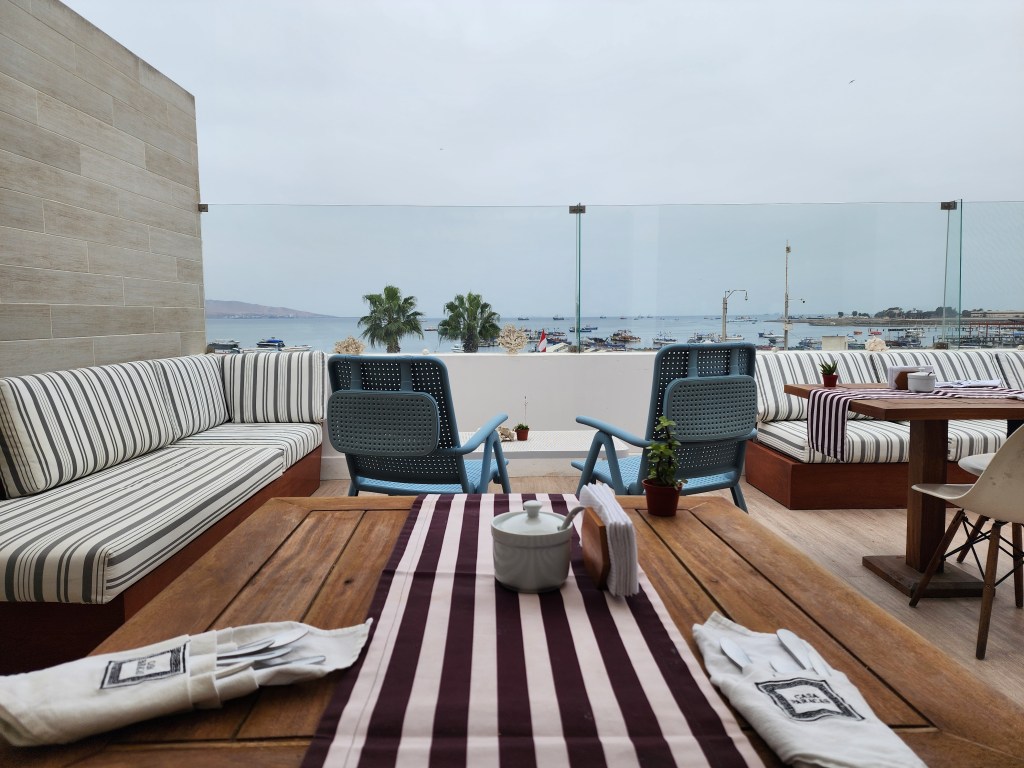
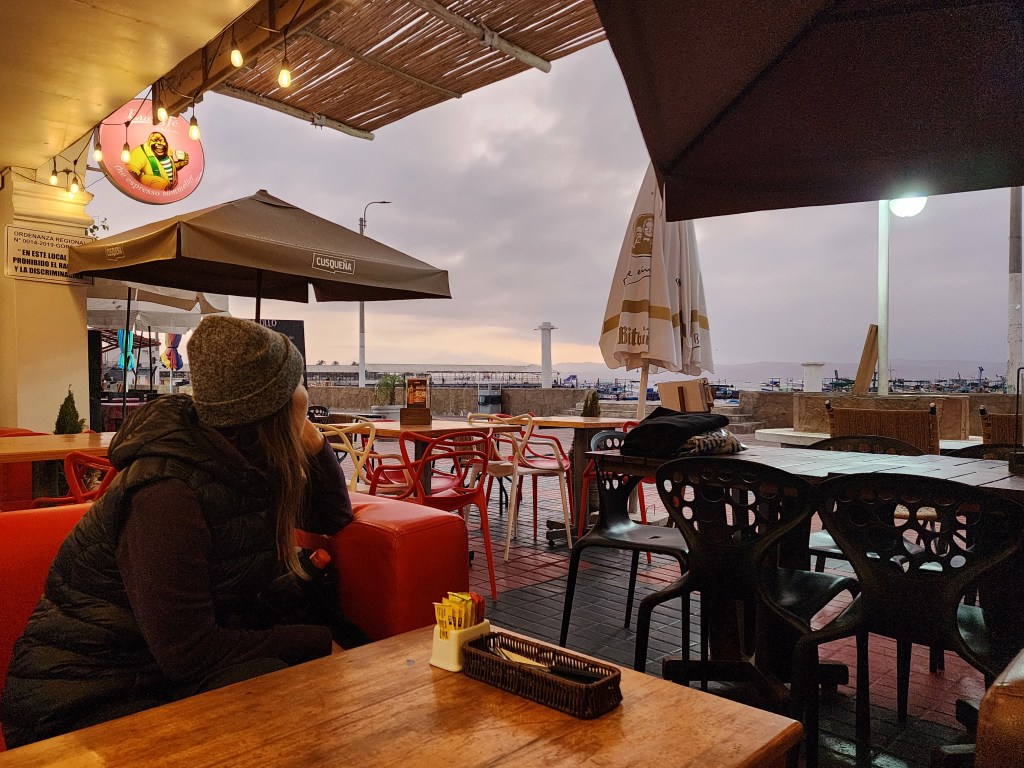
The town itself is very small, with the restaurants and shops concentrated around the two streets closest to the waterfront. You could walk through the busiest parts of town in just a few minutes, so keep in mind there is not a lot to do outside of the boat tour and the nearby Paracas National Reserve.

The next morning we headed out to do the morning trip to the Ballestas Islands. It would be about a two hour tour and the cost was US19.00. We booked it through the bus company we used, Peruhop.


Our first stop on the boat tour was not to see animals or birds, but a piece of history. The area around Paracas was once home to the Paracas Culture, a prehistoric civilization that existed between 800 BCE and 200 BCE. The Paracas culture is especially recognized for its detailed textiles, artwork, and advances in irrigation technology. While on the boat tour we were able to experience on of the most impressive sights from the distant past: a huge geoglyph etched into a hillside.
This massive geoglyph, which faces out to the Paracas Bay from the coast, was made in the same style as the famous Nazca lines and depicts what appears to be a type of candelabra or chandelier, though that is certainly not what it actually is. There are a variety of theories as to its origin and what it actually represents, including being attributed to the ancient Paracas Culture, the revolutionary Jose de San Martín or 19th century pirates.

From there we left the coastline and headed out to the open ocean. We soon came to the Ballestas Islands where we would get to experience some of the wildlife.
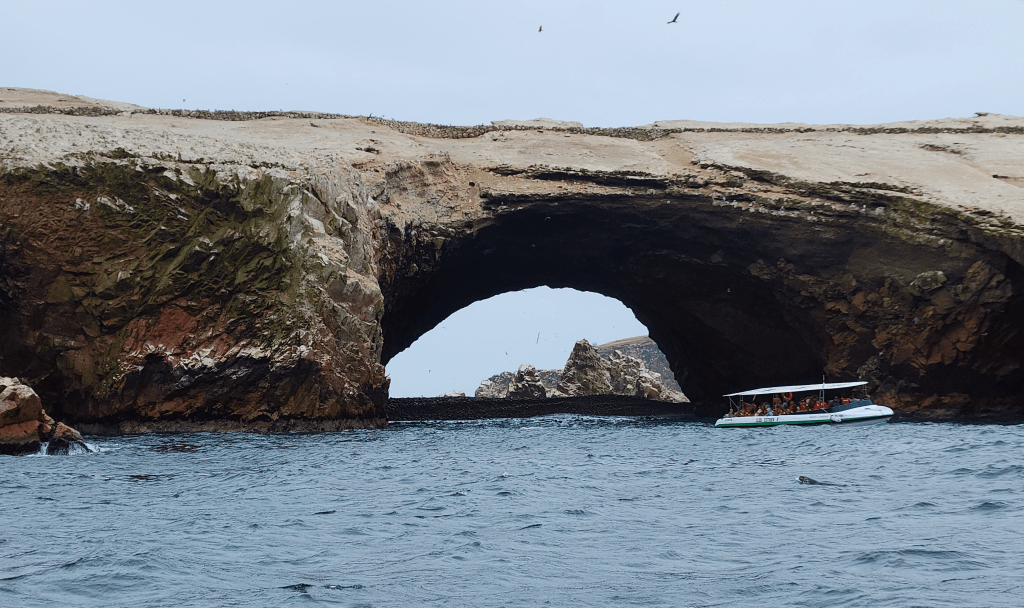
There were penguins on the tour, but timing is always important because in our case there were just a few and they stayed up on the rocks or at a distance on the rocky shore. But it was nice to see them anyway.


We wound our way around the islands, checking out the various species of birds living on the rocks we passed. The water was choppy at times but not too hard on us.
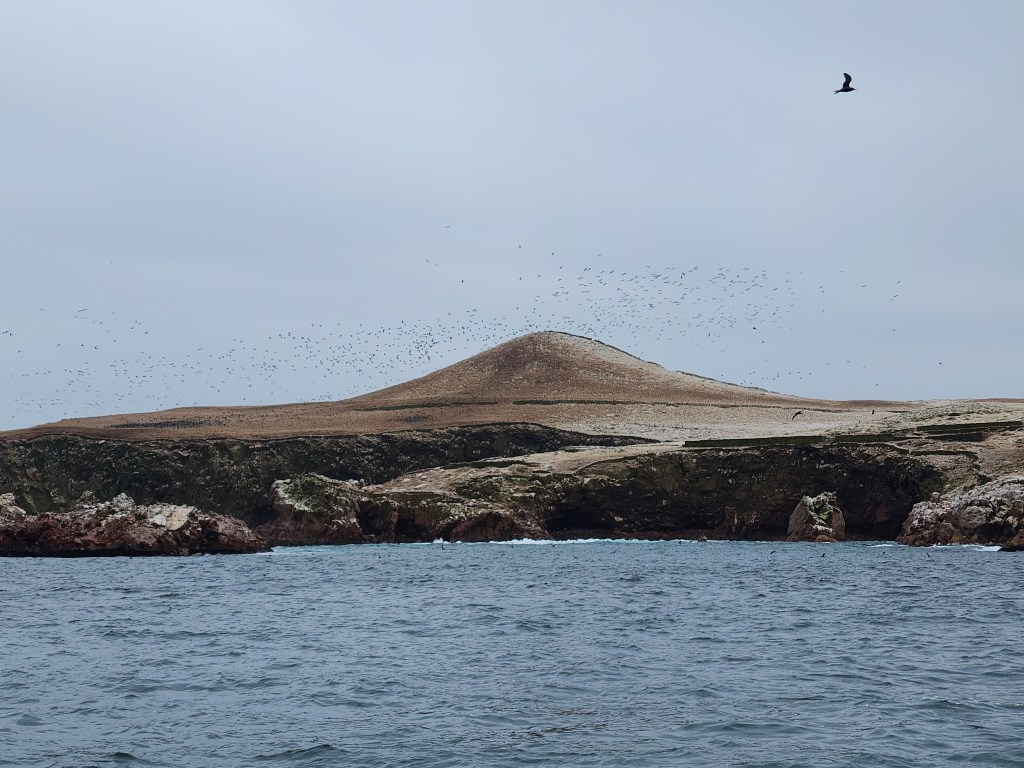

From there were got closer to one of the islands, finding a calm spot where a rocky beach could be found. Just before we reached it we saw two creatures relaxed on a small but jagged rock closer by.

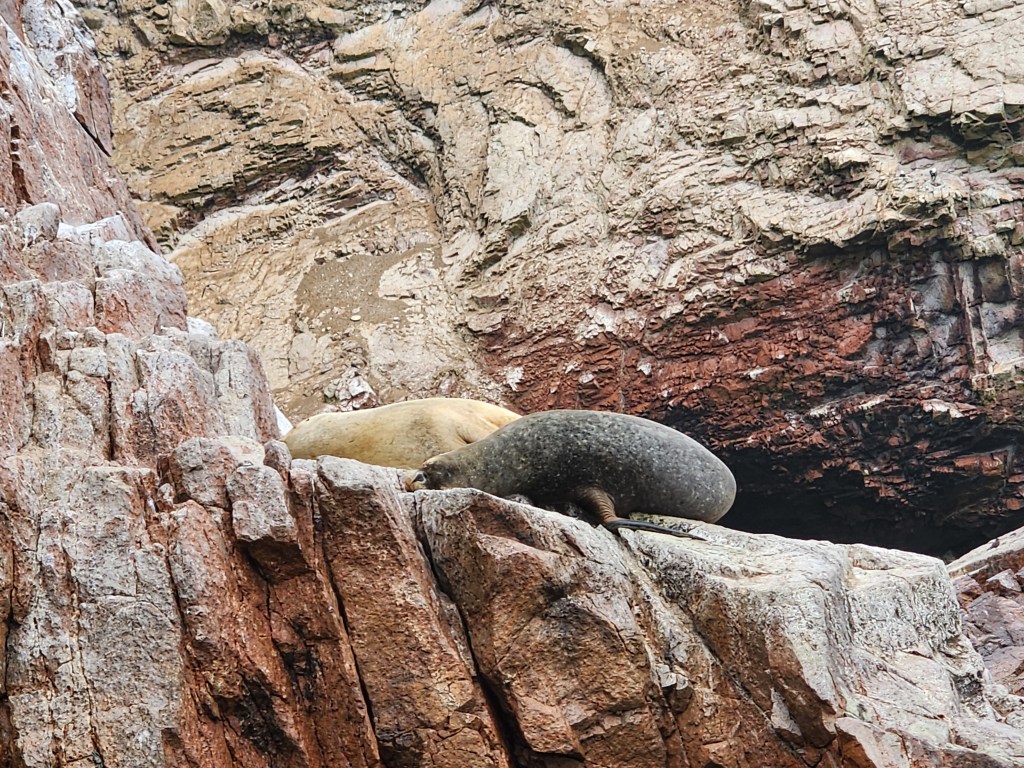
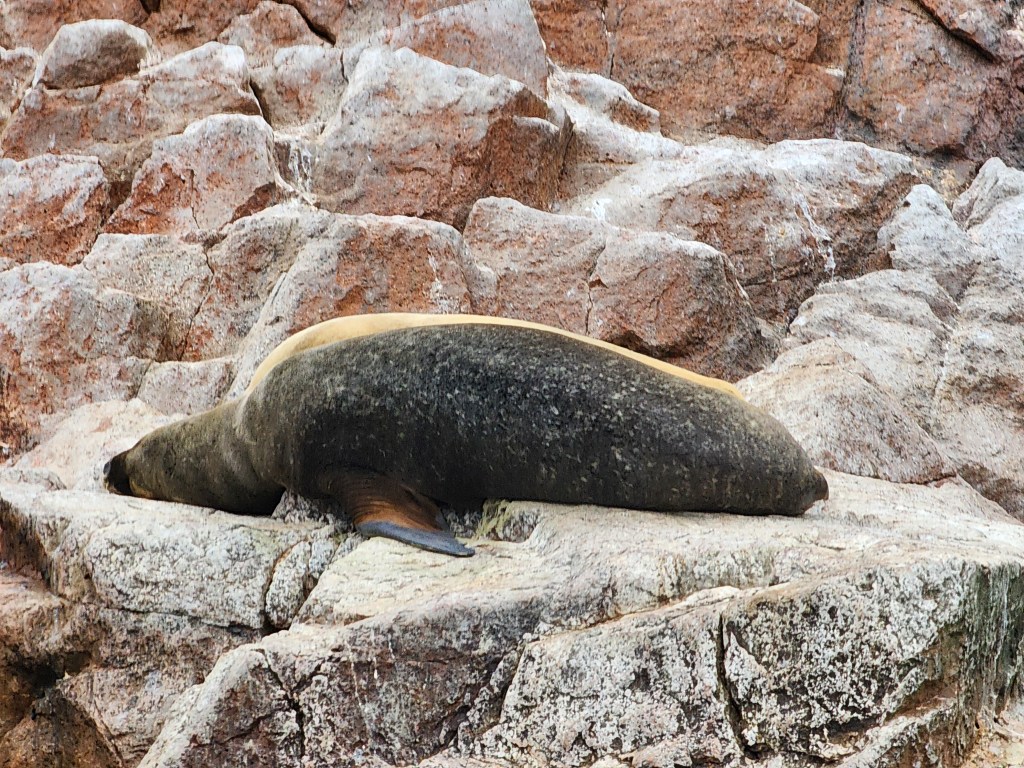
After passing the sleeping sea lions we ventured a little further close to a rocky shoreline where we saw a nice shelter spot for the birds and animals. It was a really picturesque spot.
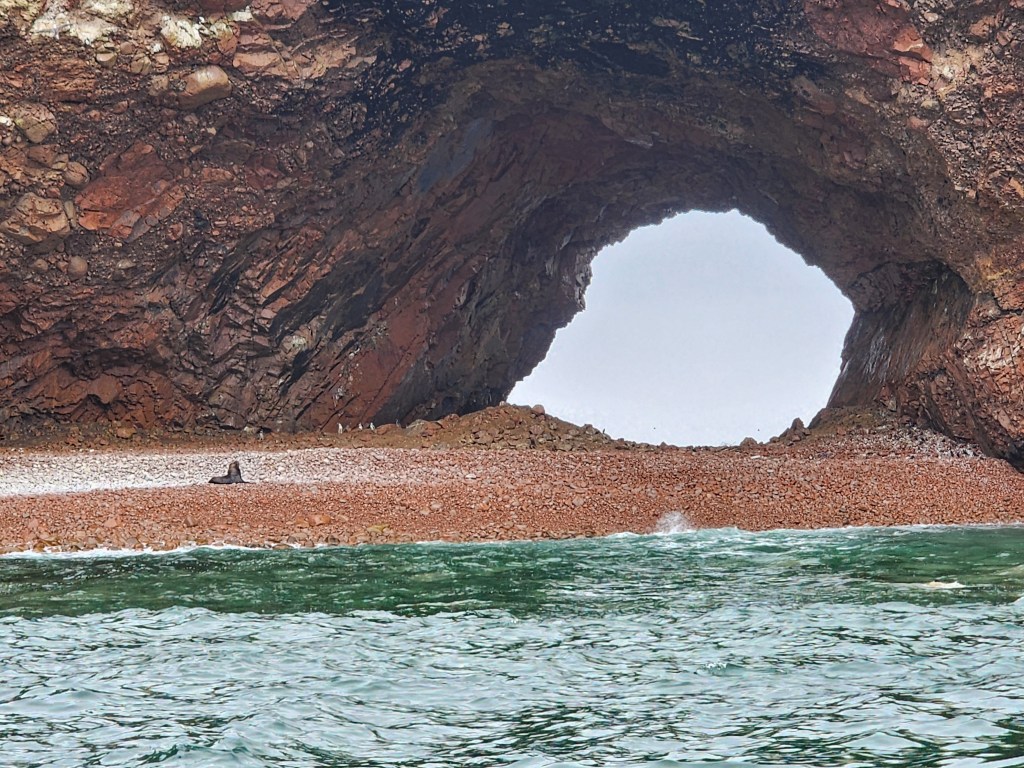
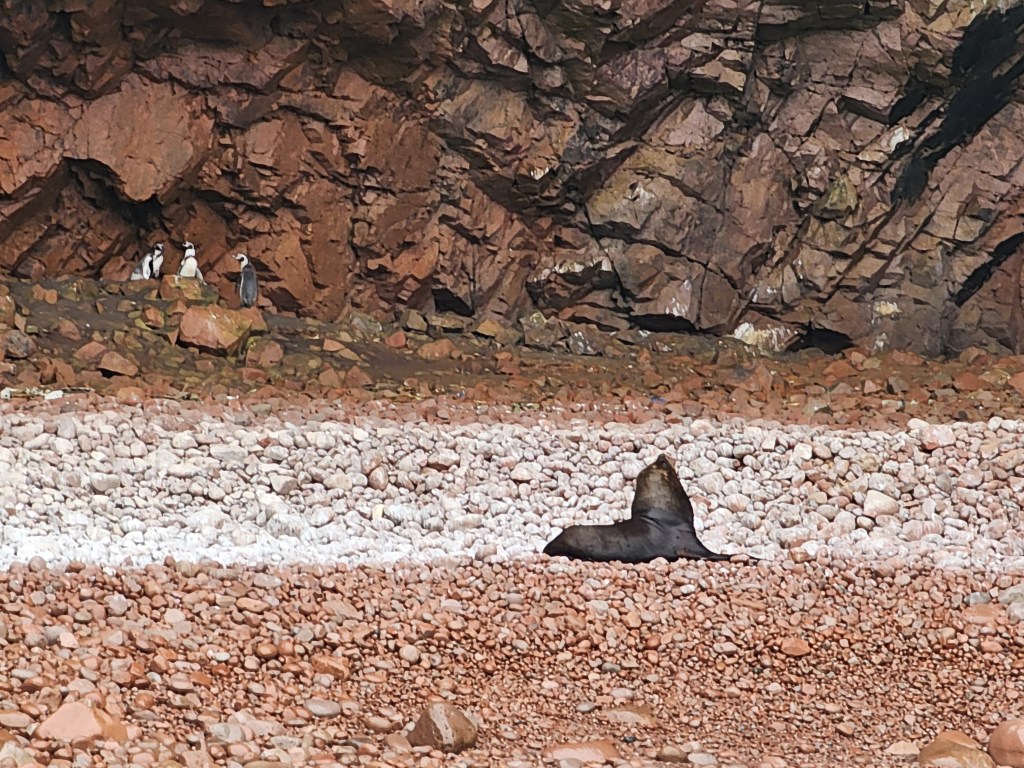
The boat then turned around and made its way out of the little cove, heading in a different direction once we were back to the open ocean.
We headed back the same way we had come, passing the large island full of birds once again. This time most had settled and were all huddled together.
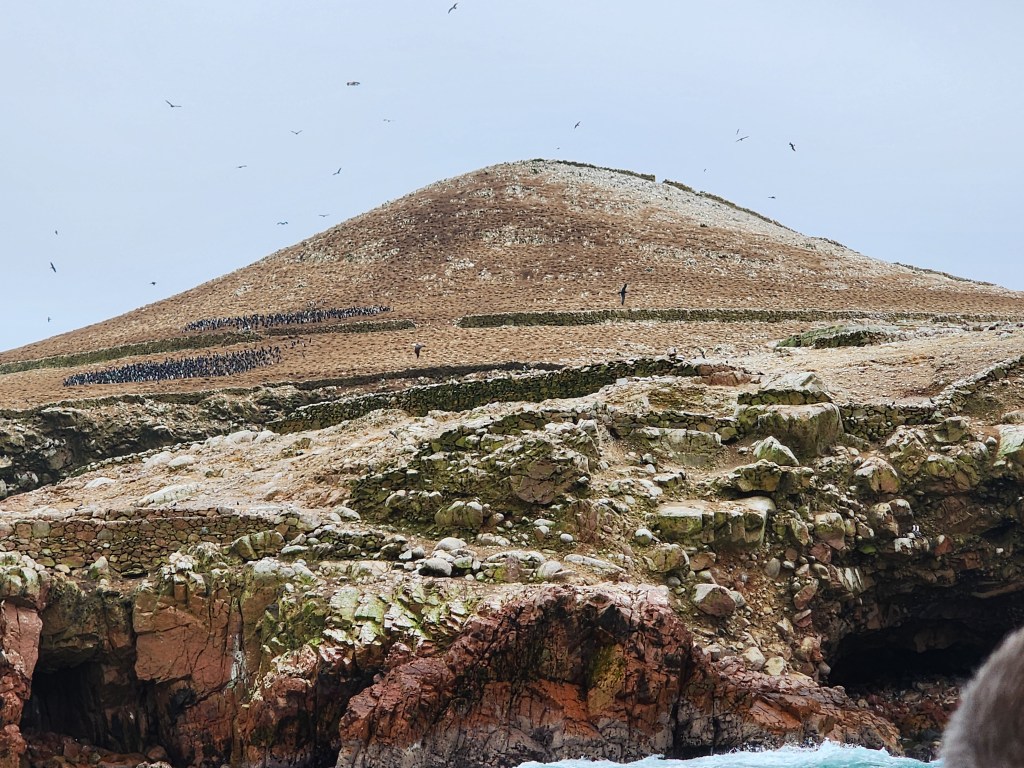

The islands have had an important renewable resource since Incan times: guano. The excrement from the birds and animals has been collected and used as an excellent fertilizer.
From the mid-1800s to the early 1900s, the export of guano increased significantly, so much so that the sale of guano helped to pay off Peru’s national debt after independence. Peru became economically stronger, but the delicate ecosystem that sustained the seabird population suffered significant damage.

Nowadays mining is limited to three months a year and the guano is harvested and exported in a more controlled environment. With tourists and fishermen are sharing the same space they have to be careful.


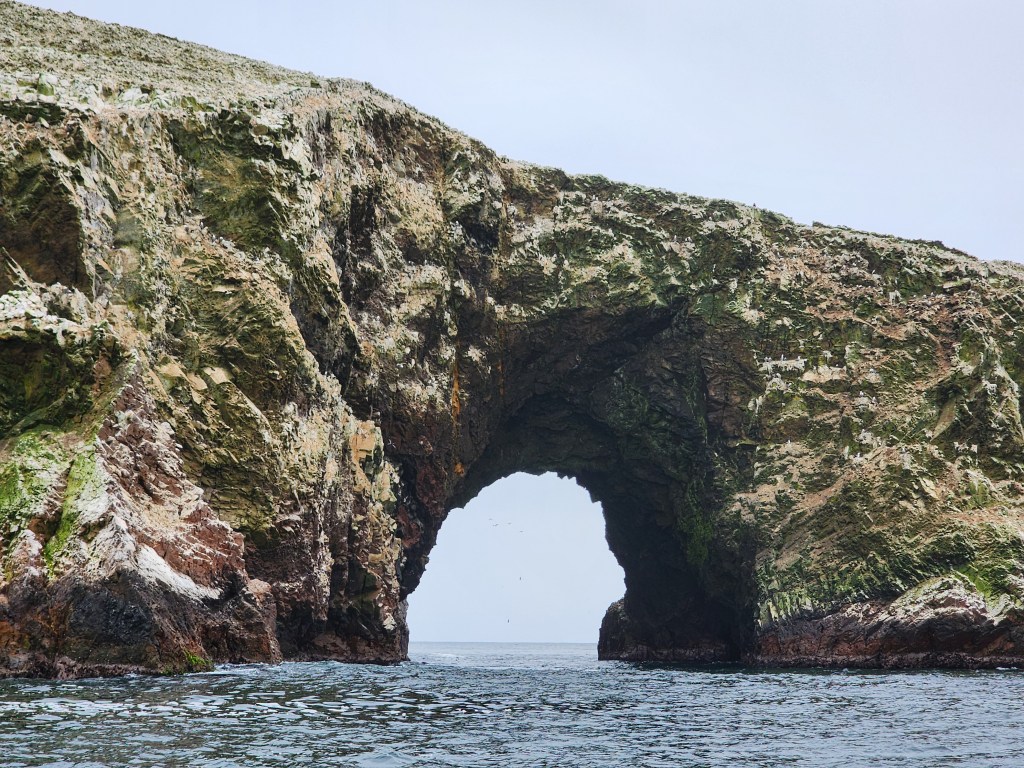
The boat tour lasted about two hours. We really enjoyed the tour and felt it was more than worth the fee. When we were on the water it really felt like a different environment far removed from the human settlements close by. There was limited interaction with people and much more wildlife to see.


We were very glad to make the trip to Paracas to see something very different from the rest of Peru. In contrast to the very dry regions we would visit during the rest of the tour, this one heavily involved the ocean. It a great stop on the way to the Cusco region if you are doing southern Peru by land travel.
Notes:
-Paracas is a small and easily walkable town. Except for the residential area, there are only has two main streets in the downtown, and one of them is the road that leads in and out of town. There are a number of restaurants, though the local ones often had similar seafood menus
-Peak season is December to February (Peru’s winter) but the weather is mild all year round. We were there in early July and the weather was excellent, while the town was not crowded at all
 Humphreys Travel
One thought on “Paracas and the “Peruvian Galapagos Islands””