
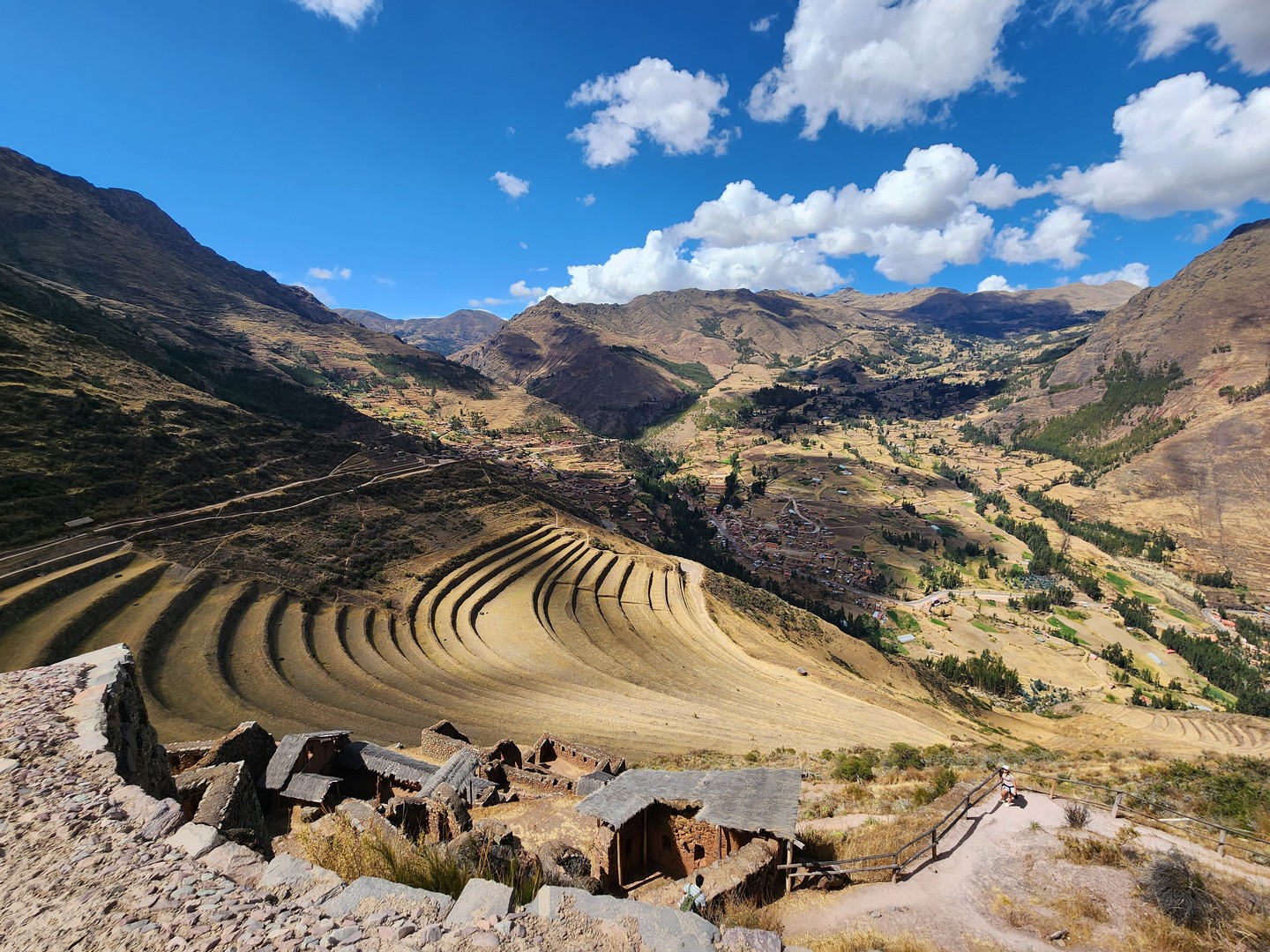
Pisac is an outstanding example of Incan ingenuity, combining military, agricultural, and religious functions in one strategic location. Its well-preserved ruins provide insight into the civilization’s mastery of engineering, astronomy, and urban planning. It’s also a bit underrated.
In fact, Pisac ended up being one of our favourite spots in Peru. Compact but full of views and ruins, it was an unexpected pleasure. And we didn’t even get to see all of it!
Pisac is one of the most significant Incan archaeological sites in Peru, located in the Sacred Valley about 30 km (19 miles) from Cusco. Perched on a mountain ridge above the modern town of Pisac, the site features an impressive complex of agricultural terraces, temples, military structures, and urban settlements.
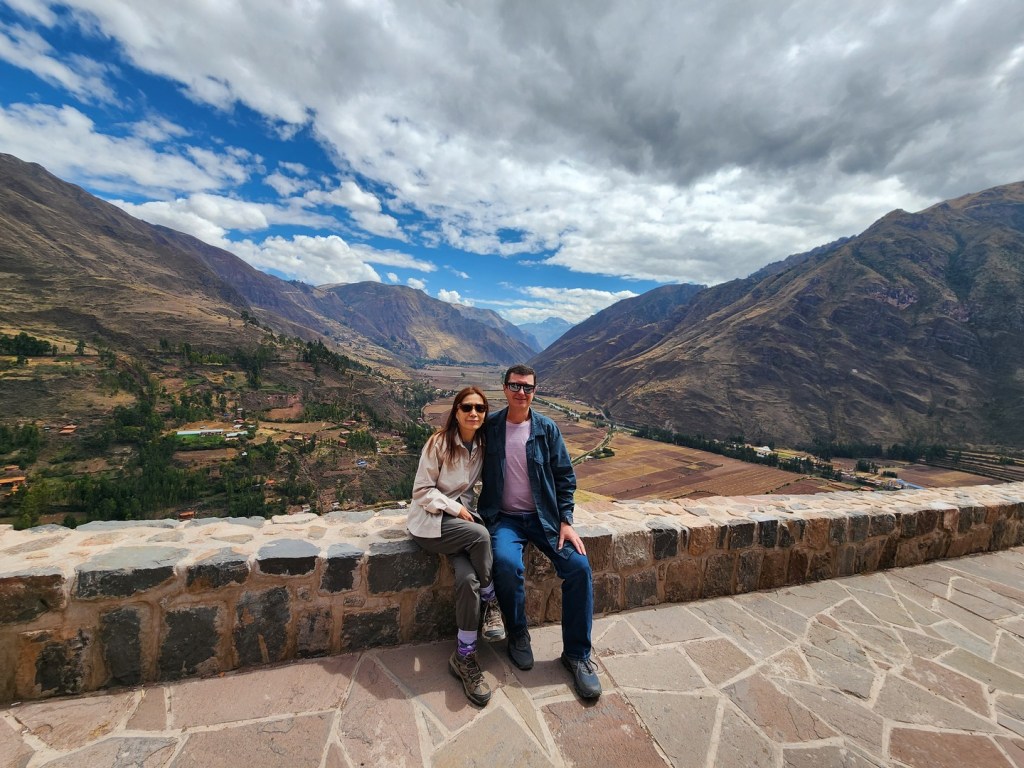
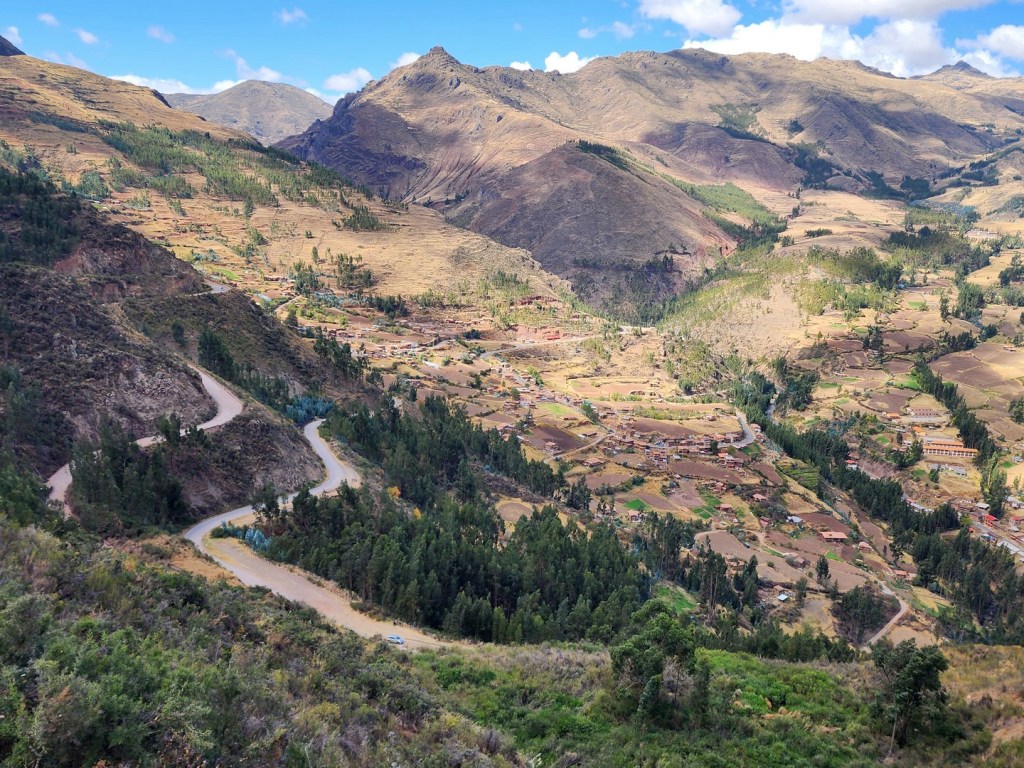
The trip took just over an hour, with a brief stop along the way to stretch and view a village inside the valley. We booked with the private transfer service Taxidatum as we had a good experience with them the previous day with our trip to Sacsayhuamán. The cost of the trip was 220 soles (US$60) for both of us, as you rent the car and driver rather than paying per passenger. Four people could save more by sharing the ride! Another nice feature of the service is that you pay at the end of the trip, not in advance.
The driver arrived at our hotel on time and off we went. Leaving the city took a little time due to traffic, but the roads were quiet once we left Cusco.
History and Purpose
The exact origins of Pisac are not fully documented, but it is widely believed that the site was built during the reign of the Inca emperor Pachacuti (1438–1471). Pachacuti is credited with expanding the Inca Empire and developing many of its most famous structures, including Machu Picchu. Pisac may have been constructed as a royal estate for the emperor, similar to how Machu Picchu served as a retreat.
Pisac likely served multiple purposes:
- Military Role: Its elevated position made it a strategic military outpost that guarded the eastern entrance to the Sacred Valley.
- Religious and Ceremonial Importance: The presence of temples, ceremonial baths, and an Intihuatana (ritual stone) suggests that Pisac was an important spiritual site.
- Agricultural Significance: The vast system of terraces allowed the Incas to cultivate crops efficiently while preventing erosion.


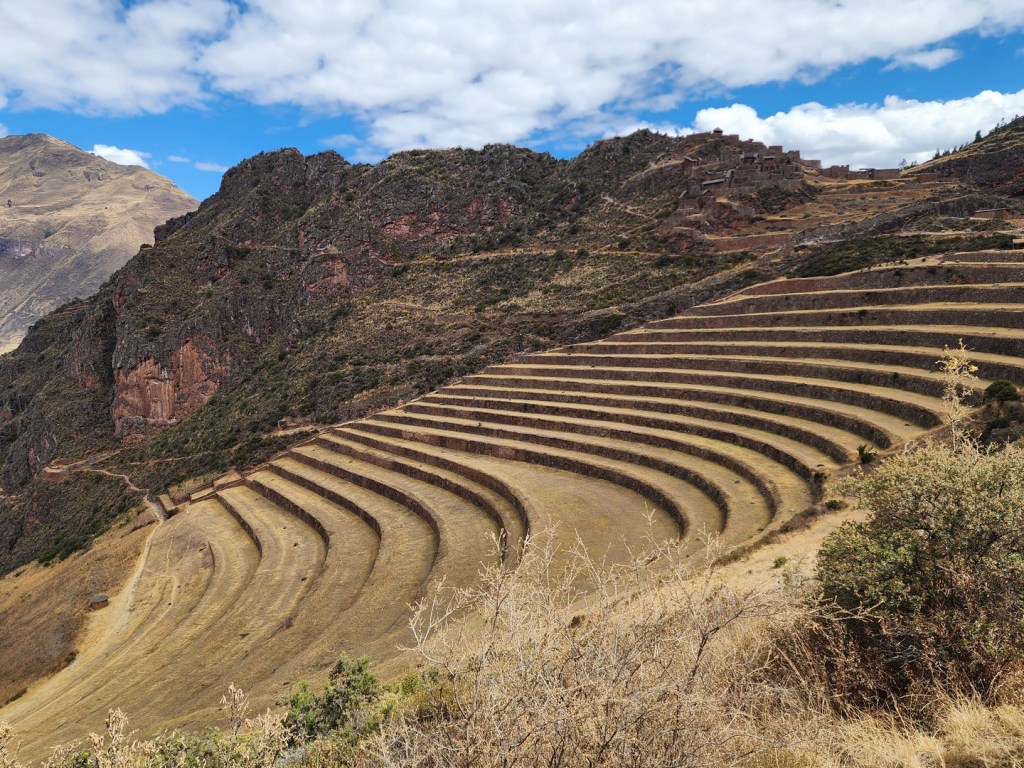
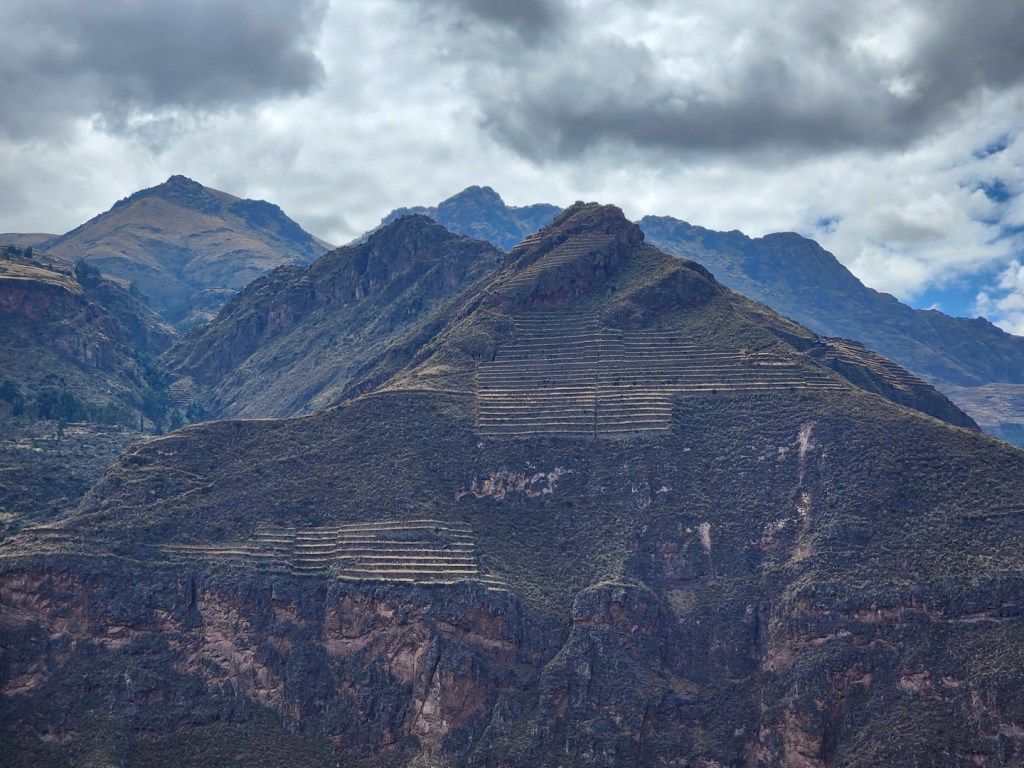
One of Pisac’s most striking features is its series of large agricultural terraces that cascade down the mountainside. These terraces:
- Were built to maximize arable land in the steep Andean environment.
- Helped control water drainage and prevent landslides.
- Allowed the cultivation of a variety of crops, including maize and potatoes.
These terraces show that the Incas’ agricultural techniques were advanced for the time, allowing them to sustain large populations.


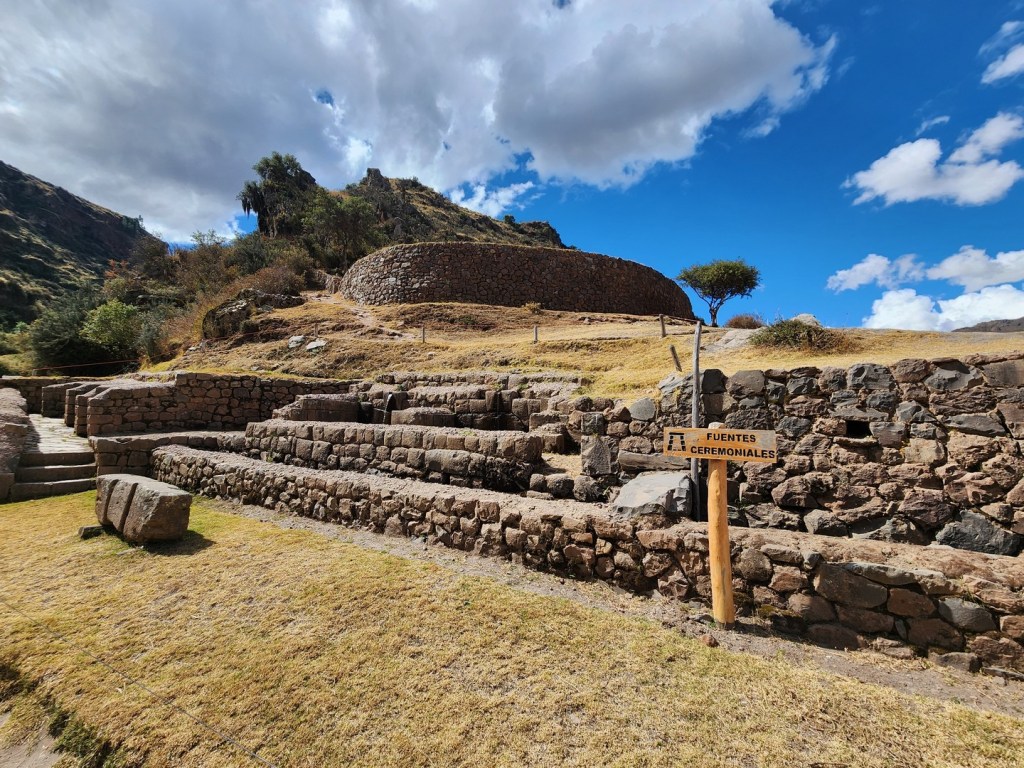
The site also features an advanced system of water channels and ceremonial baths, reflecting the Incas’ expertise in hydraulic engineering. These baths were likely used for ritual purification before entering the sacred areas.


Pisac is home to one of the largest known Incan cemeteries, located on the cliffs of Tankanamarka. Thousands of tombs were carved into the rock, and it is estimated that the cemetery held thousands of burials. Unfortunately, many of the tombs were looted by grave robbers over the centuries.


Pisac’s strategic location at the entrance to the Sacred Valley suggests that it played a crucial role in controlling access to the valley and protecting Cusco from potential invasions.
Pisac includes fortified walls, watchtowers, and other military structures, reinforcing its strategic defensive purpose. Additionally, the site contains residential areas, possibly used by priests, military leaders, and high-ranking Inca officials.
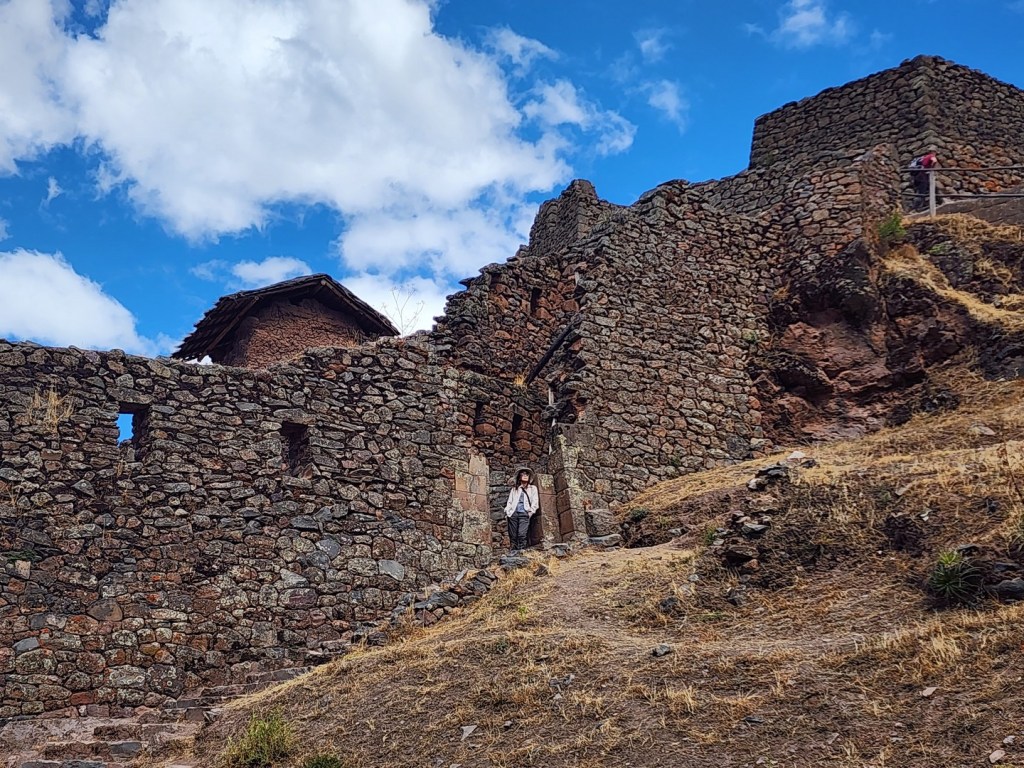
After the Spanish conquest in the 1530s, Pisac was abandoned, and much of its significance was lost over time. It was clear from our walk through Pisac that it was well situated overlooking the valley. The military section could view in all directions as it overlooked multiple valleys.
The climb of a moderate grade, coupled with the thin air at 3,500 metres (11480 ft), made it a slow climb for us. But eventually we made it and took in excellent views.


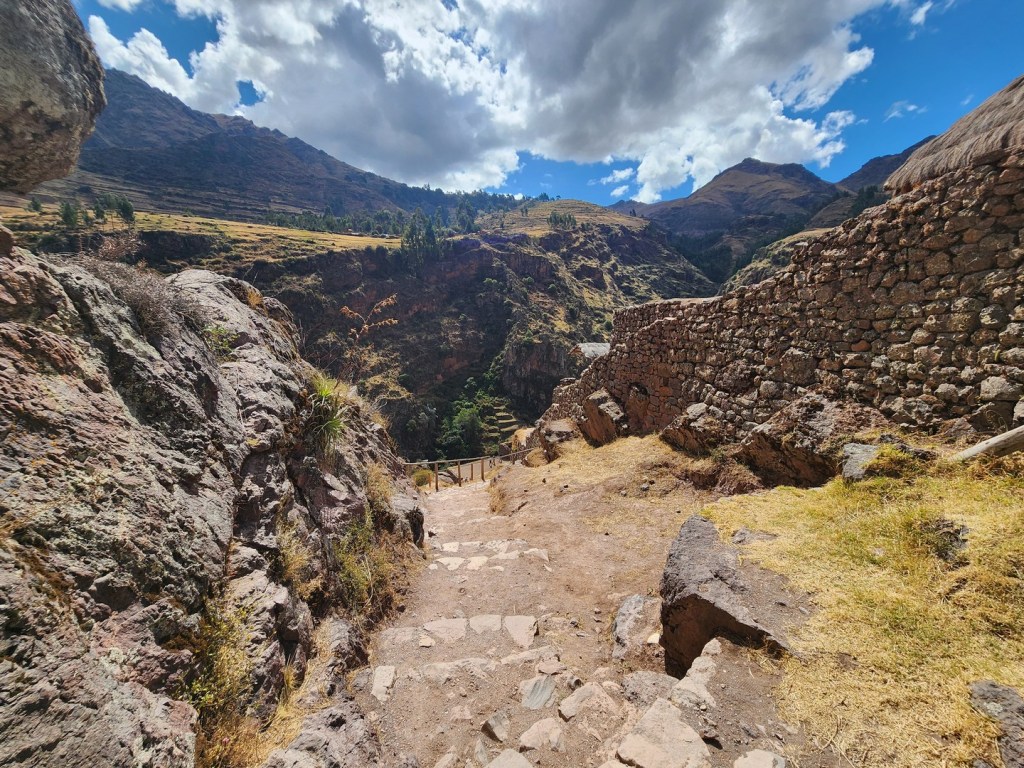
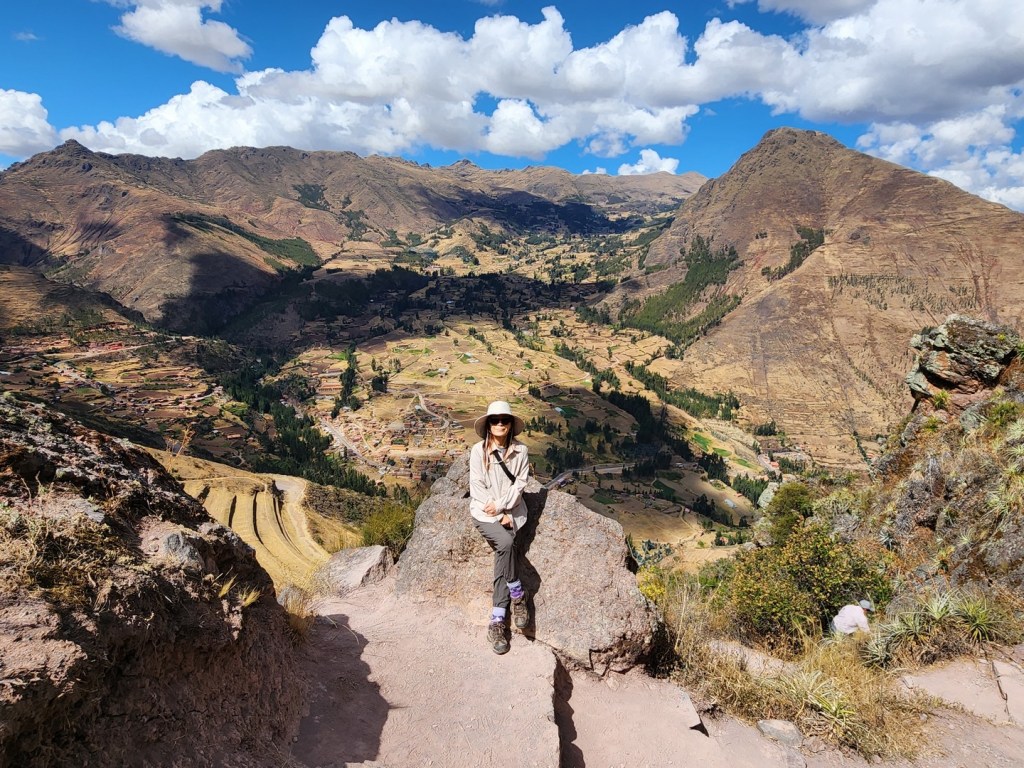
It was close to this spot that a path that went through a wall was blocked off and we couldn’t cross over to the other side of Pisac. From research I later learned that the path was not considered safe due to recent rockslides. So there were a few parts of the complex that we weren’t able to view including the Temple of the Sun as well as the religious and ceremonial area.
So instead we headed back to the entrance. Before getting back in the car we purchased a fresh orange juice for the driver and a juice and corn for us. The total was 24 pesos (US$6.50)

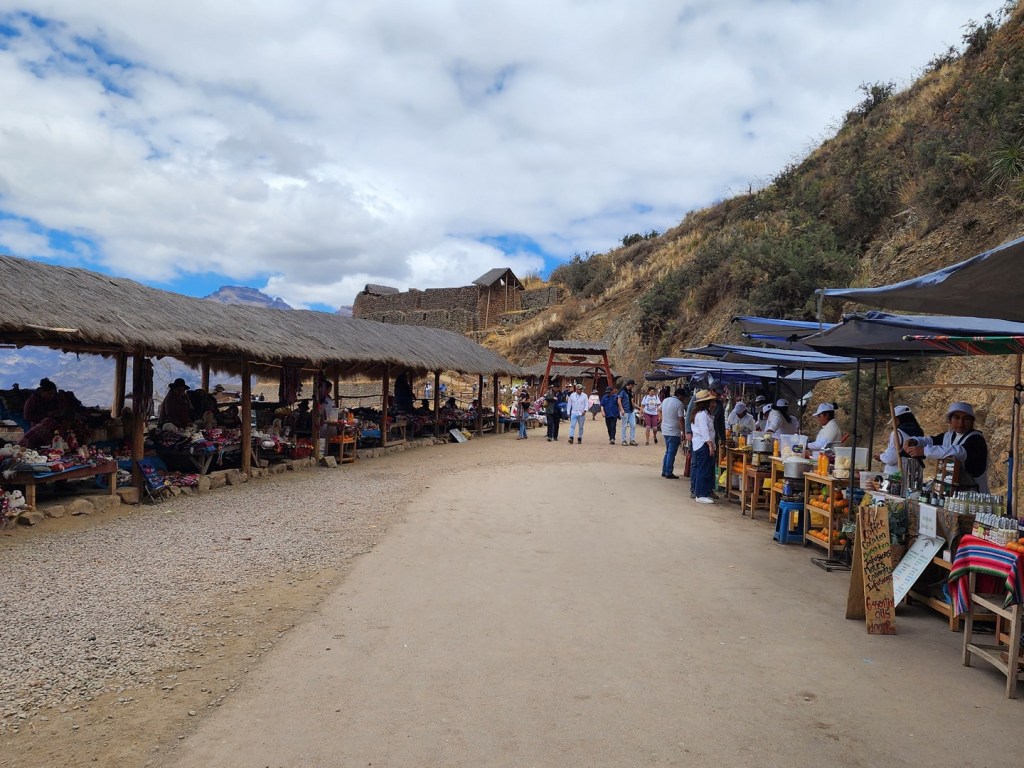
Below the ruins, the town of Pisac is known for its traditional Andean culture. The town’s well known market offers handmade crafts, textiles, jewelry, and fresh produce.
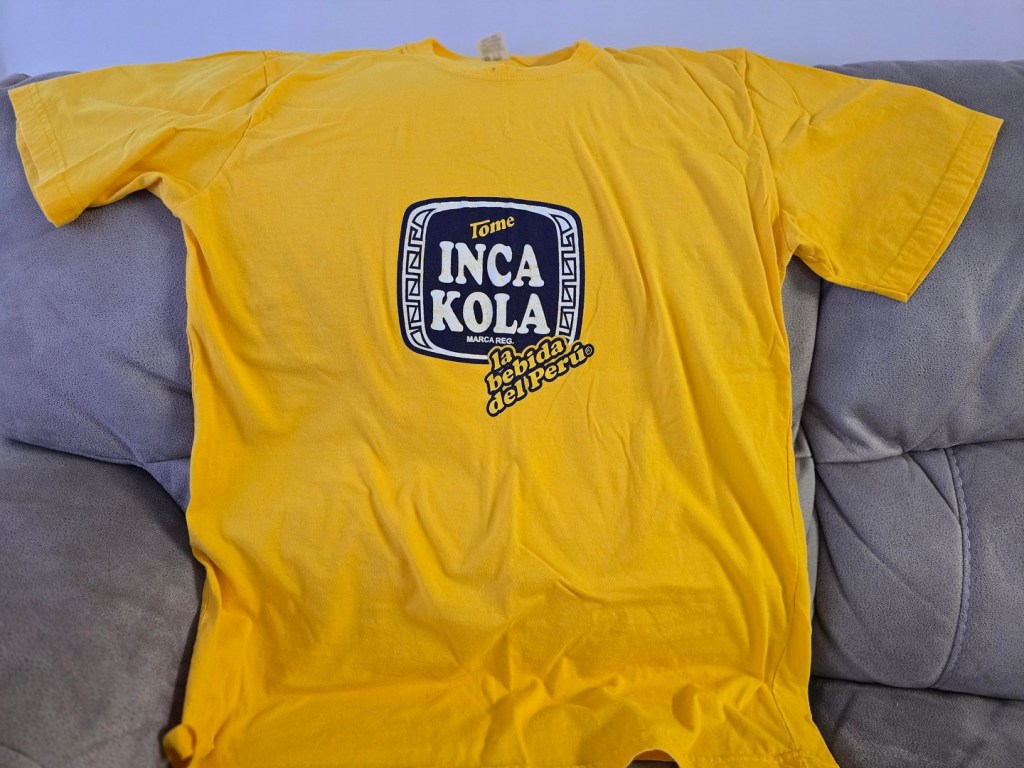
We made a stop at the Pisac Market, on the return from the ruins. Although it is supposed to be a popular place, on the day we visited it was empty. No crowds to worry about but we got all the attention from the vendors! I ended up buying a t-shirt.

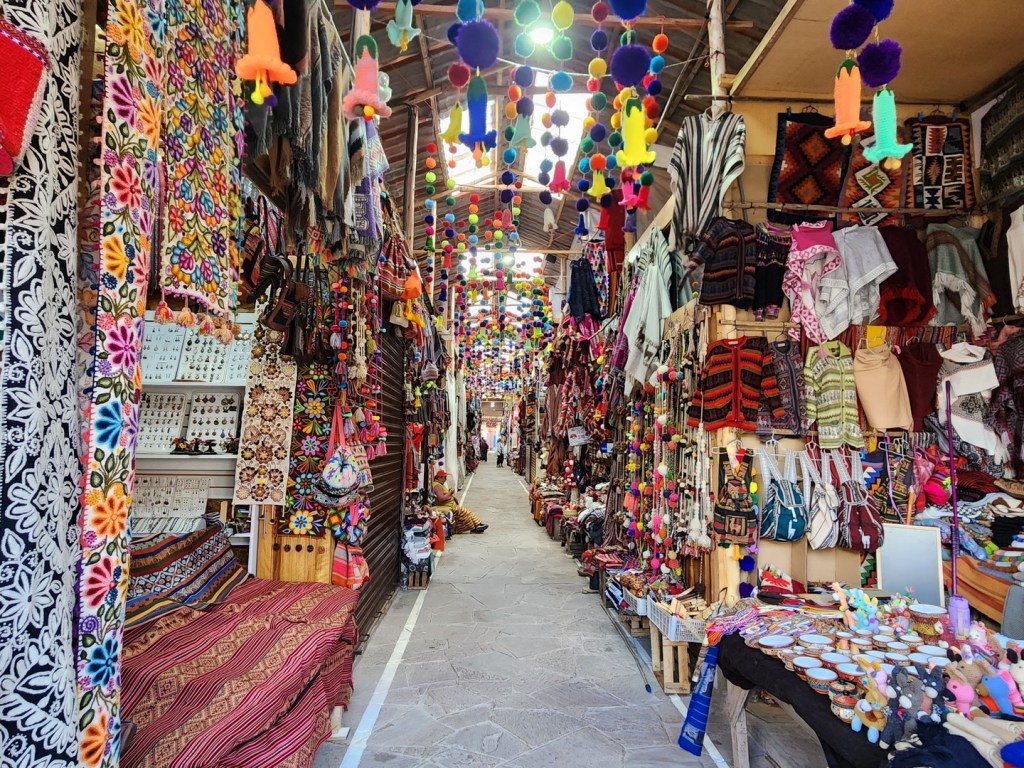


We really had a great time in Pisac. Even though we went in summer, the weather was beautiful and there were few people at the site. We were able to wander around at our own pace before returning to our driver. And we were back in Cusco by the late afternoon with time to spare before dinner. Whether you do it by tour or private transportation, Pisac is worth it.
 Humphreys Travel