
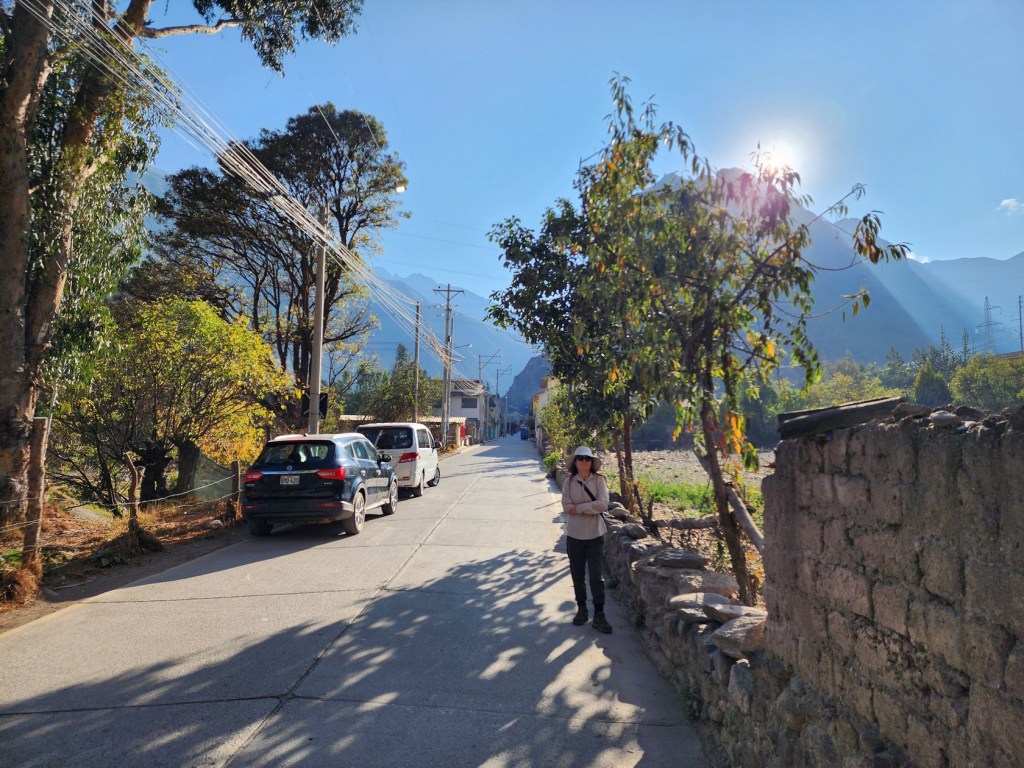
Prior to our trip to Machu Picchu we stayed in Ollantaytambo for three nights. This gave us one full day going to and from Machu Picchu.
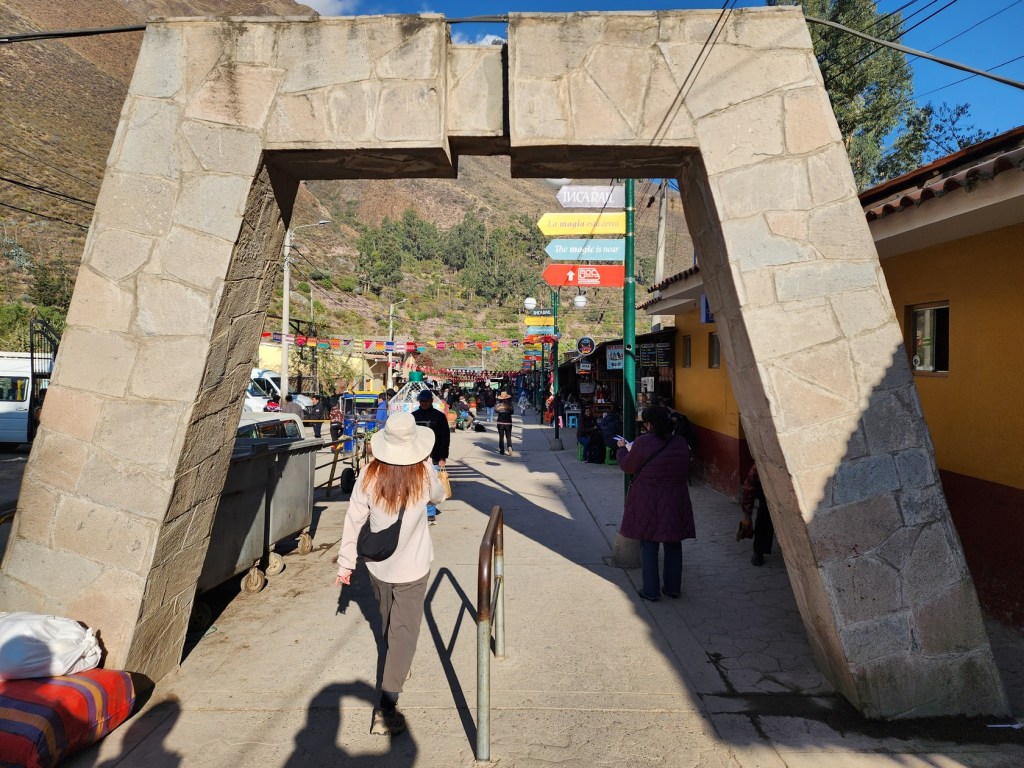
Months earlier we booked a return train departing at 8:29 a.m. in the morning and arriving in Aguas Calientes at 9:54 a.m. The return had a 4:22 departure from Machu Picchu, arriving in Ollantaytabmo at 6:10 p.m.


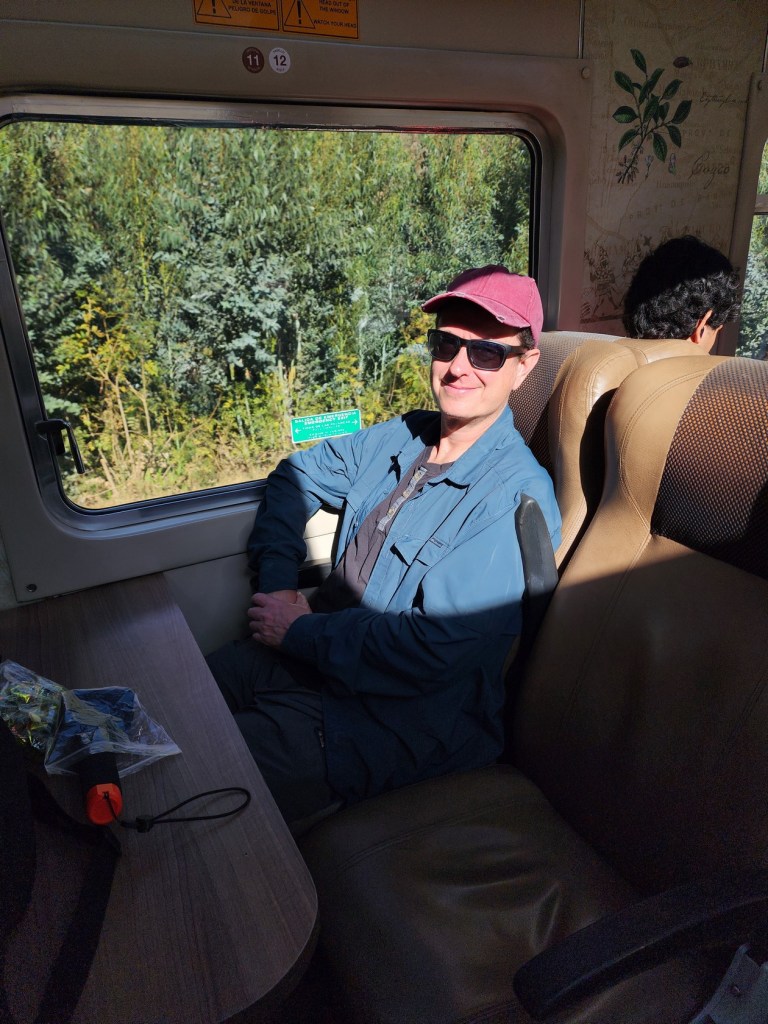
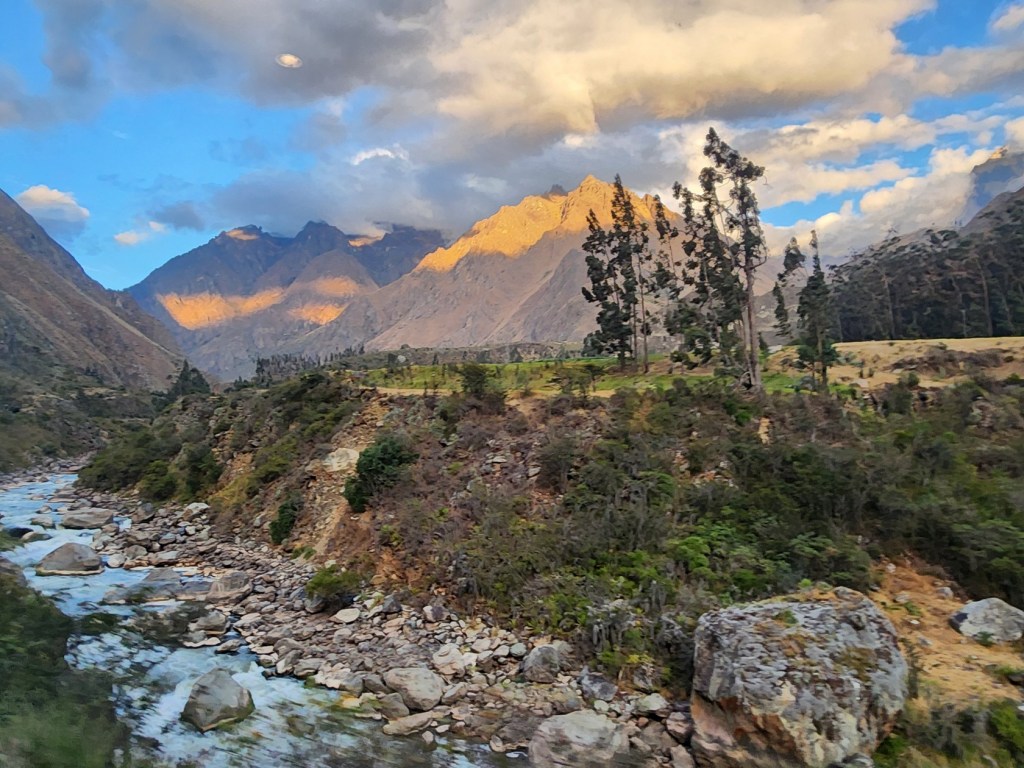
The train we chose was the Expedition, the cheapest of the PeruRail options to Machu Picchu. The interior was simple but adequate for a trip that took less than two hours. There was nothing fancy with the service. A simple food cart came by at one point in the journey but we were fine. We were too busy enjoying the view.

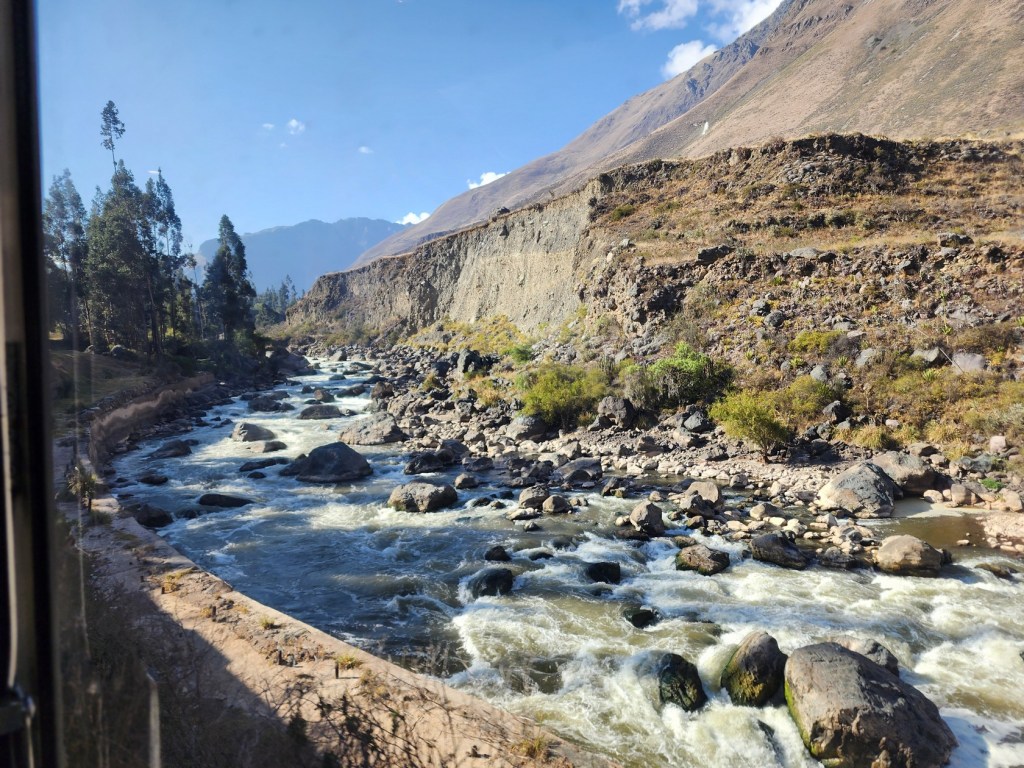
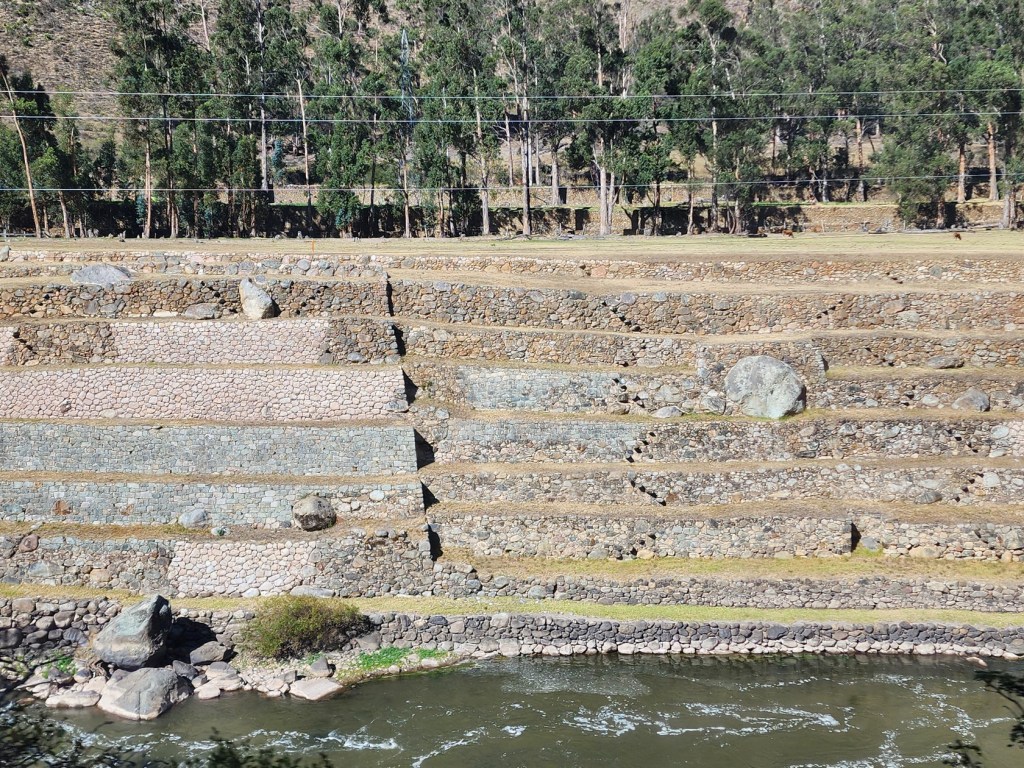

We finally arrived in Aguas Calientas, the town located at the bottom of the ruins. It’s a completely touristy town, and that’s the reason we chose not to stay there despite it being more convenient for the trip to Machu Picchu.


Emerging from the train station, you have to go through a maze of shops before emerging near the river in the centre of town. The buses to the top are on the other side of the river, so find a bridge and cross. It’s recommended to find a bridge to the right as the end of the lineup will be somewhere on the right side. We took a bridge on the left side and walked past the entire line (it was long) before getting to the end. It took almost an hour to get on the bus.

The bus trip took about 40 minutes to get to the top. There was a steady stream of buses going up and down the mountain, and the trip involved navigating switchbacks and hairpin curves, all while avoiding buses coming the other way! Eventually we were at the top where we got in another line to enter the site. After about 20 more minutes we were in.

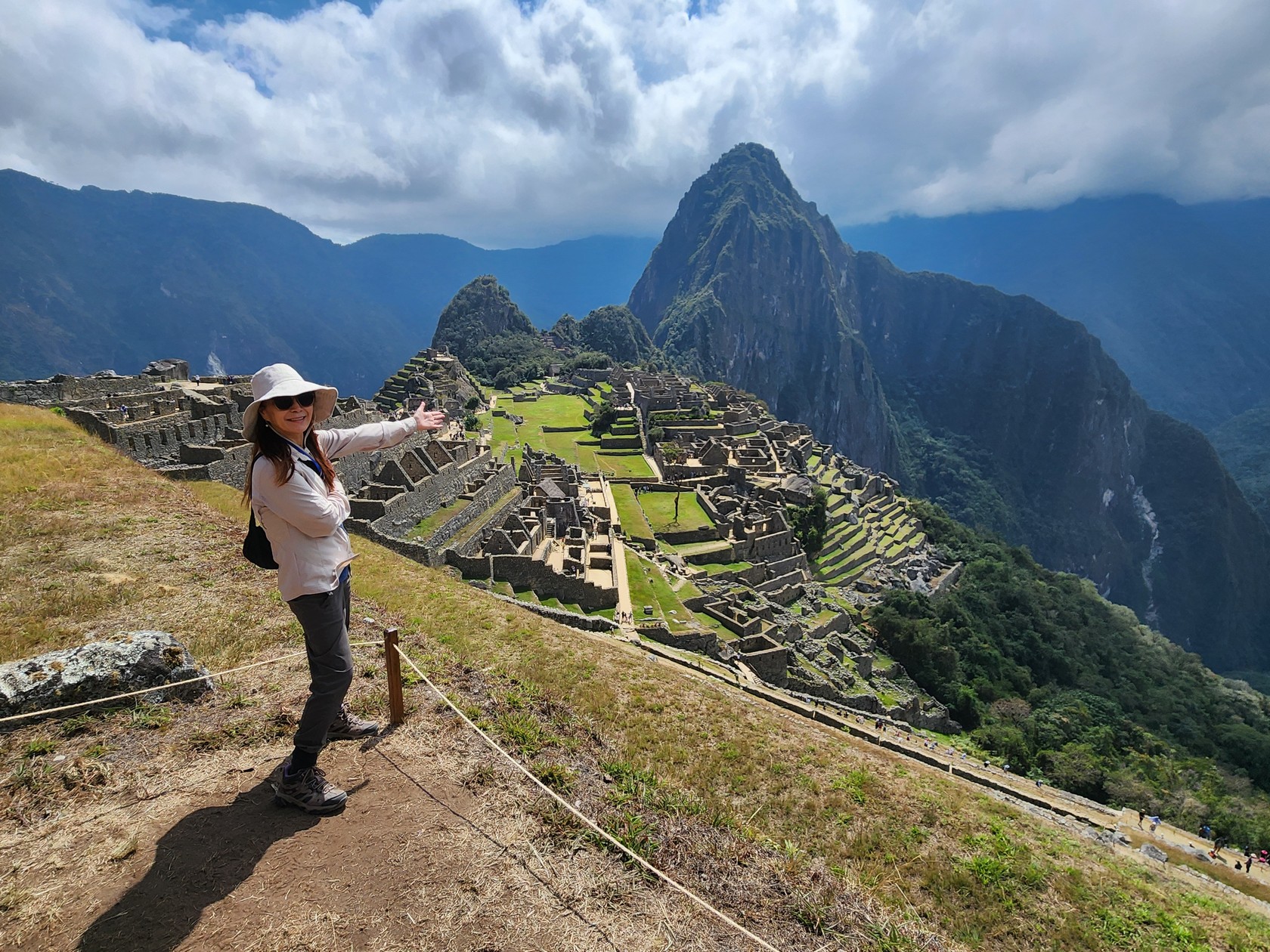
After arriving at the top, there was another wait in the entrance line. You have to choose the correct circuit as there were multiple lineups. We did Circuit 2, which is the classic circuit. It’s considered the most popular one with the classic views of the ruins from above.

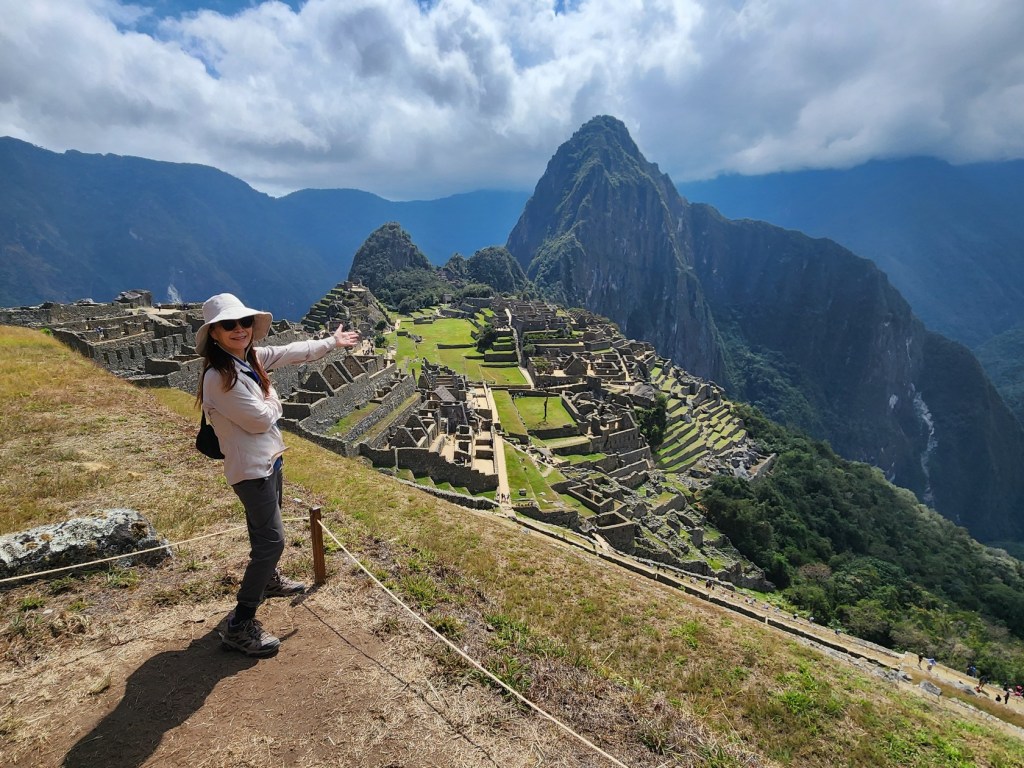
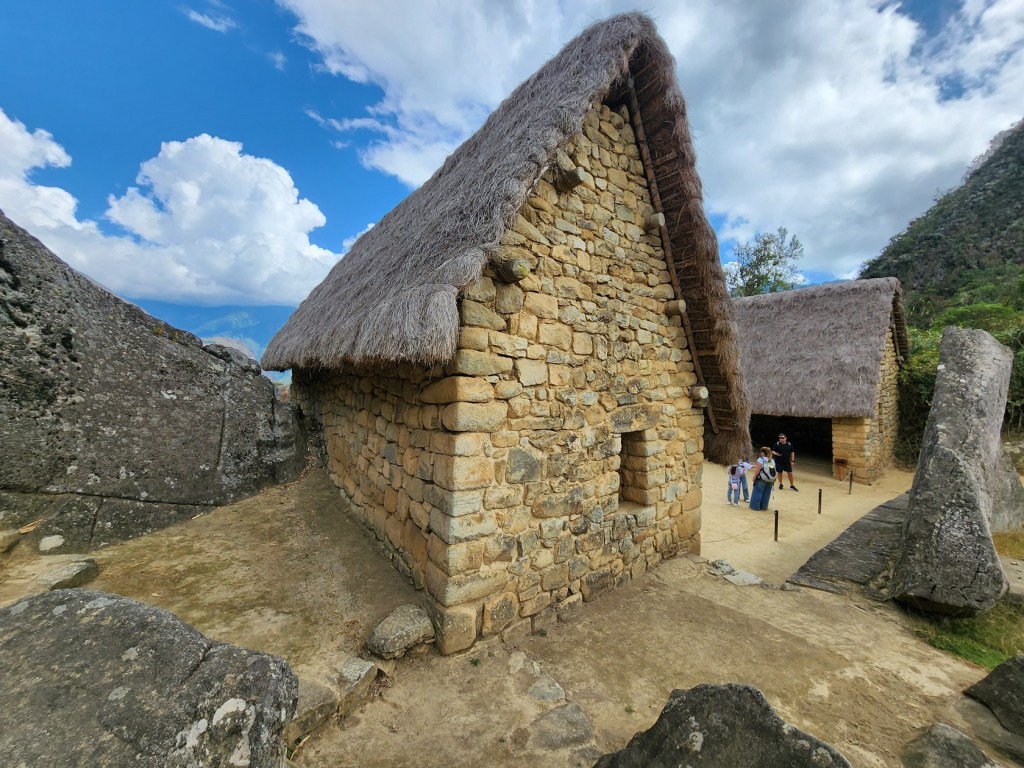
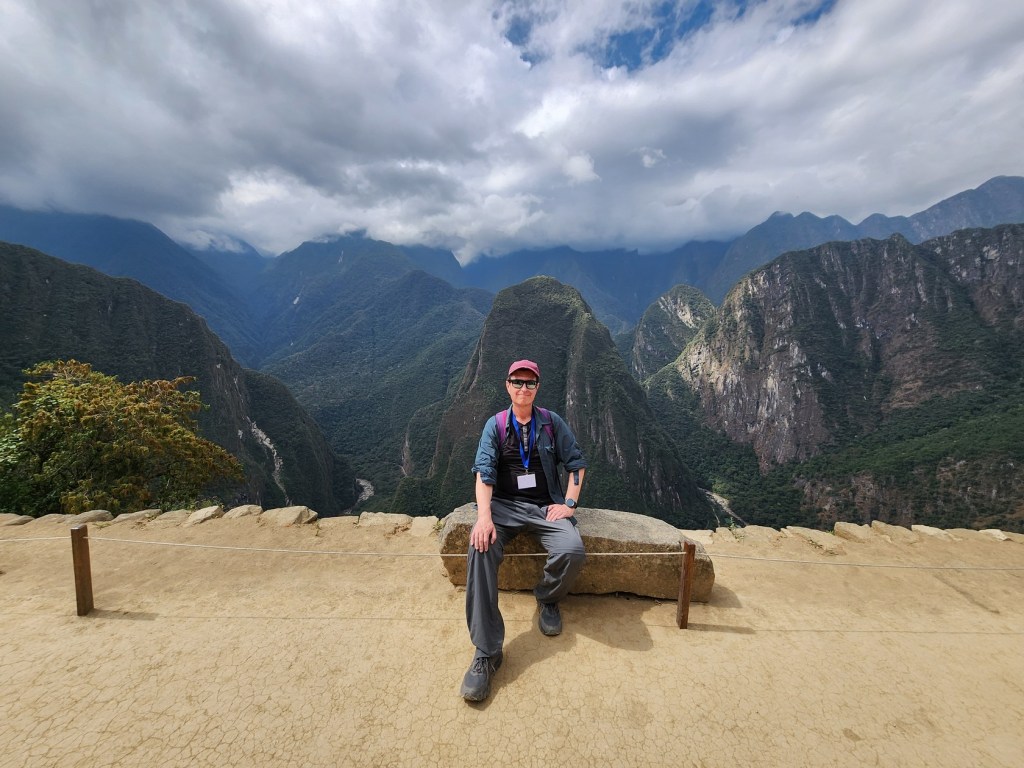
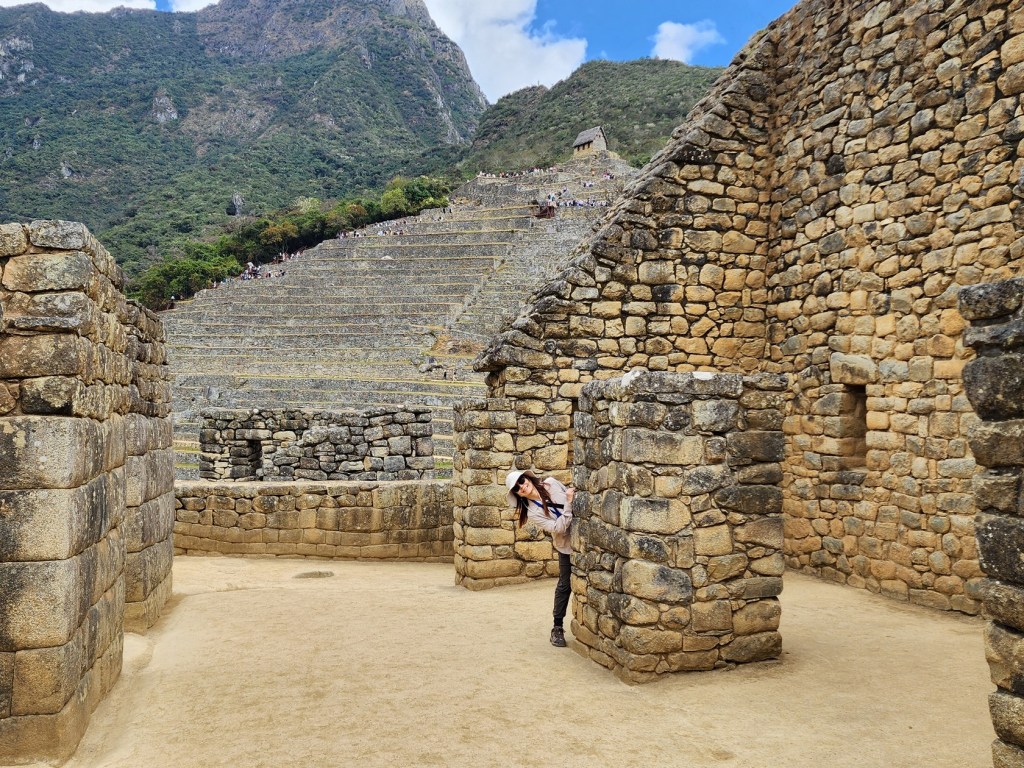
Machu Picchu occupies a narrow saddle between the peaks of Machu Picchu (“Old Peak”) and Huayna Picchu (“New Peak”) at an elevation of about 2,350 meters (7,710 feet), overlooking the Urubamba River valley. The citadel spans some 13 km² (5 sq mi) and features over 150 buildings, including temples, terraces, and living quarters, all constructed with precisely cut granite blocks fitted without mortar.

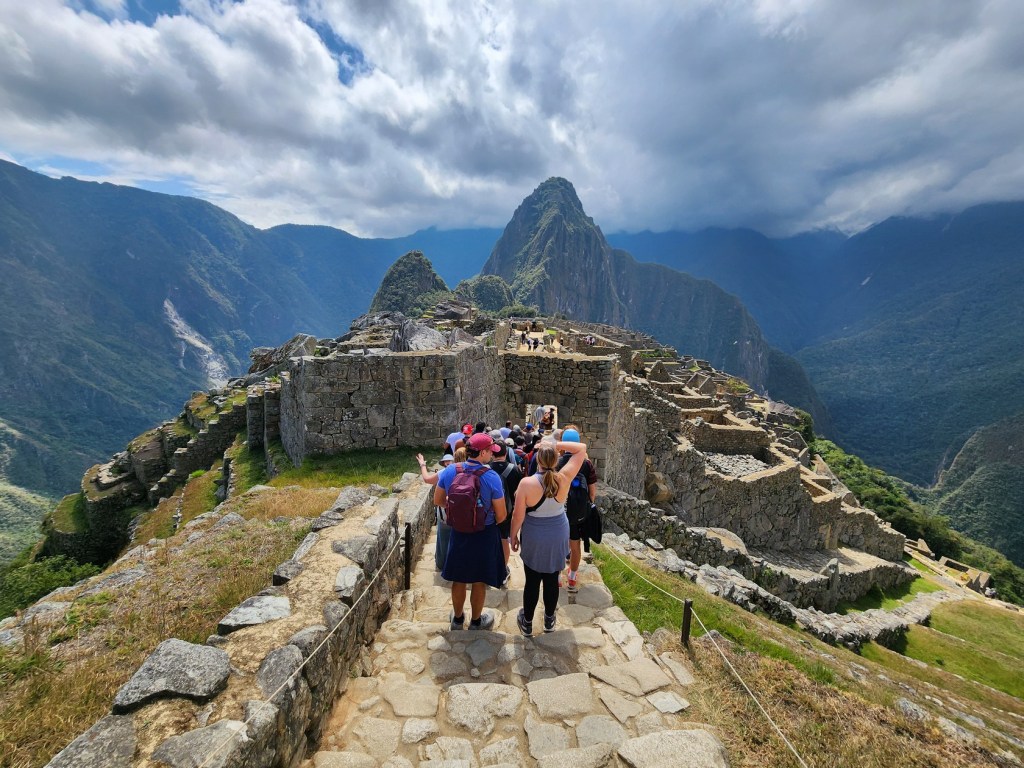

Constructed around the mid‑15th century—likely under the reign of Emperor Pachacuti—as a royal estate and religious retreat, the site combines sophisticated stone masonry with a dramatic mountain setting. Following the Spanish conquest in the 16th century, Machu Picchu was abandoned and fell into relative obscurity, known only to local Quechua farmers.


When the Spanish conquered the Inca Empire in the 1530s, Machu Picchu appears to have been evacuated without significant destruction, possibly due to its hidden mountain location. Unlike many lowland Inca sites, it escaped Spanish looting and demolition, remaining “lost” to the outside world for centuries.
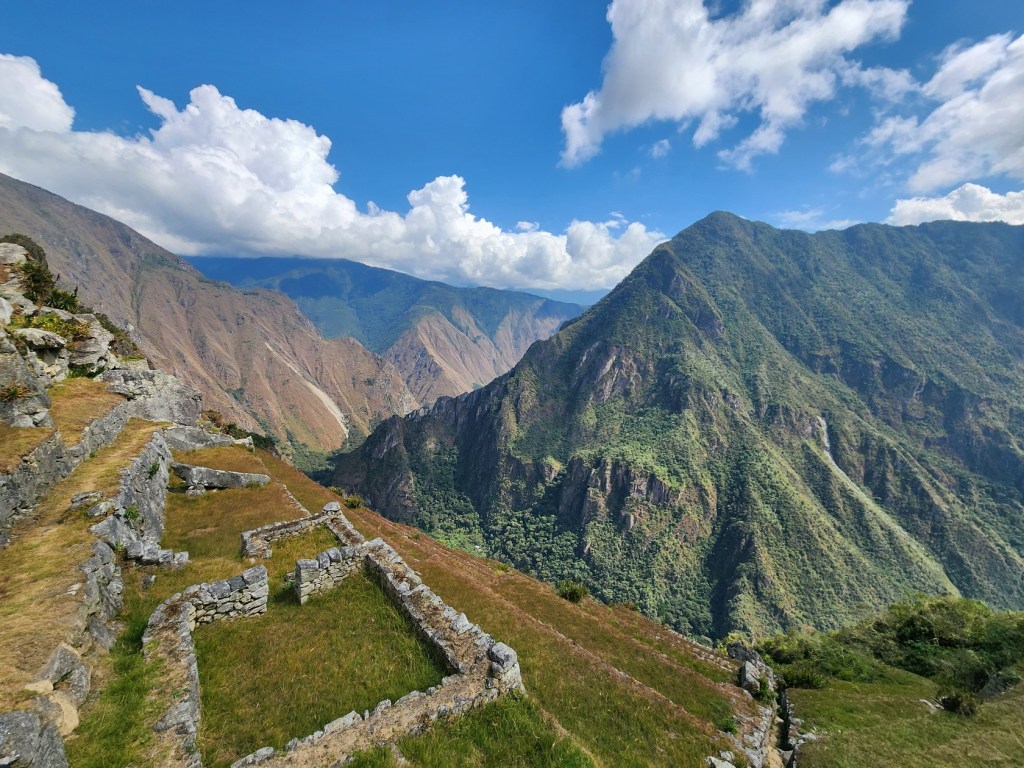
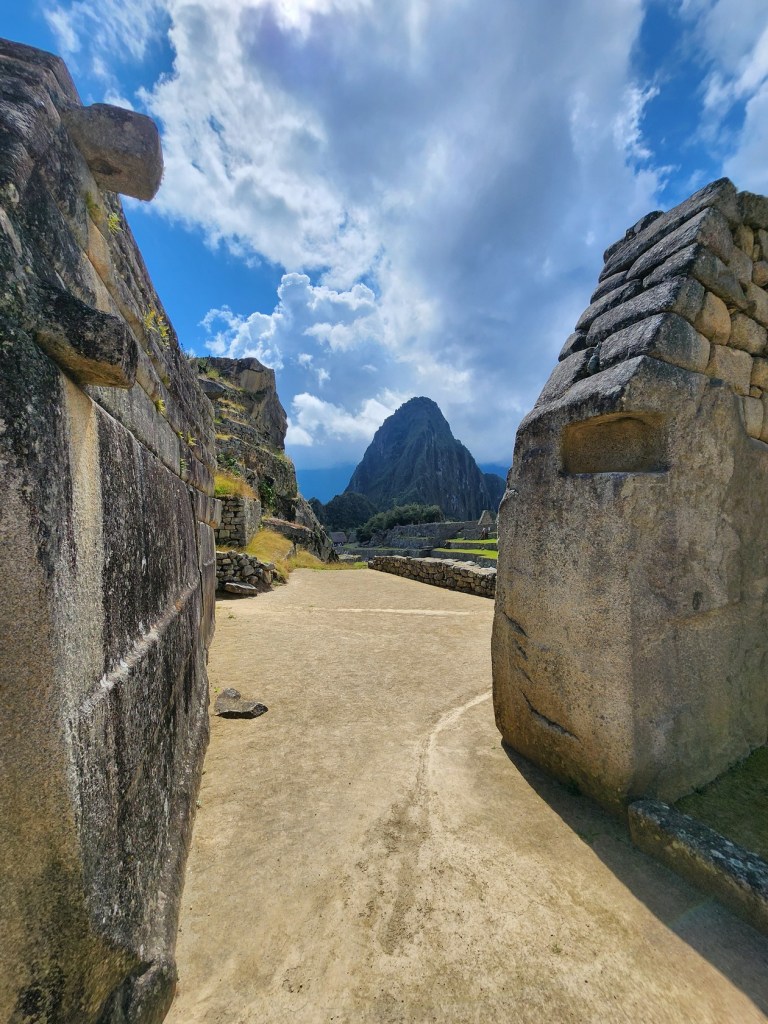
On July 24, 1911, Yale graduate student Hiram Bingham III—seeking the fabled city of Vilcabamba—was led to the ruins by local farmer Melchor Arteaga, marking Machu Picchu’s introduction to international scholarship. Although Bingham is credited with “discovering” the site for the world, he acknowledged that Quechua-speaking locals already knew of its existence

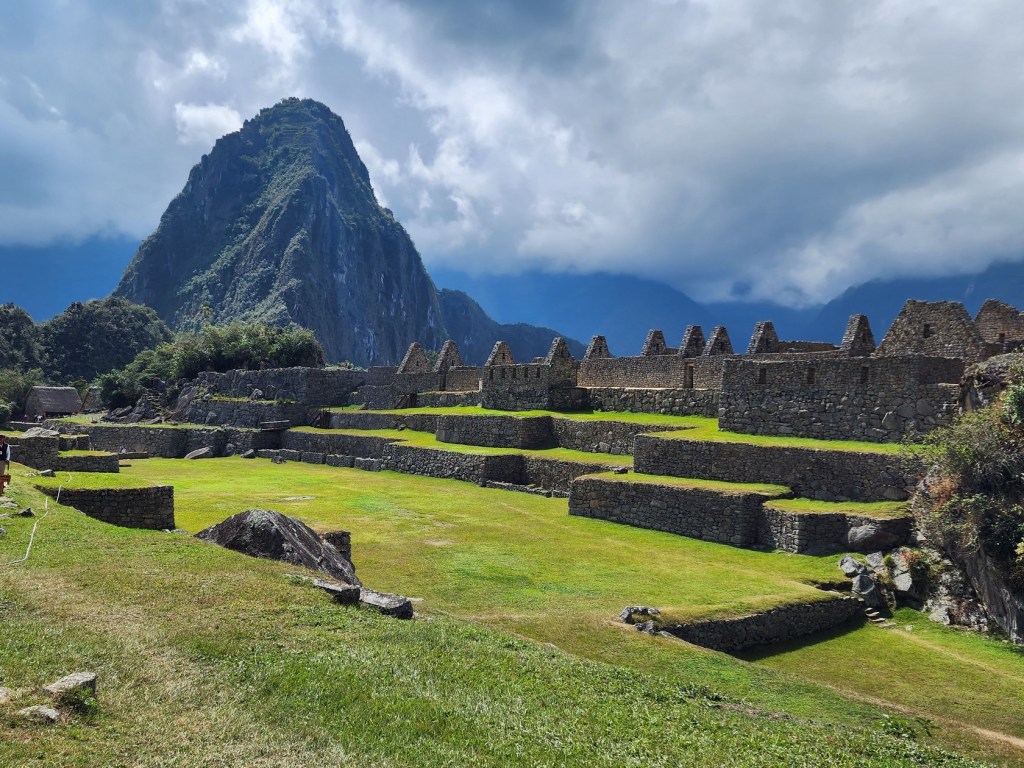
Bingham’s 1912 Yale‑Peabody Museum expeditions yielded extensive surveys and artifacts, though many were later repatriated to Peru. Decades of subsequent archaeological work clarified the site’s layout, agricultural terraces, and water management systems. In 1983, UNESCO designated Machu Picchu a World Heritage Site, lauding its “outstanding cultural and natural values” and initiating conservation guidelines
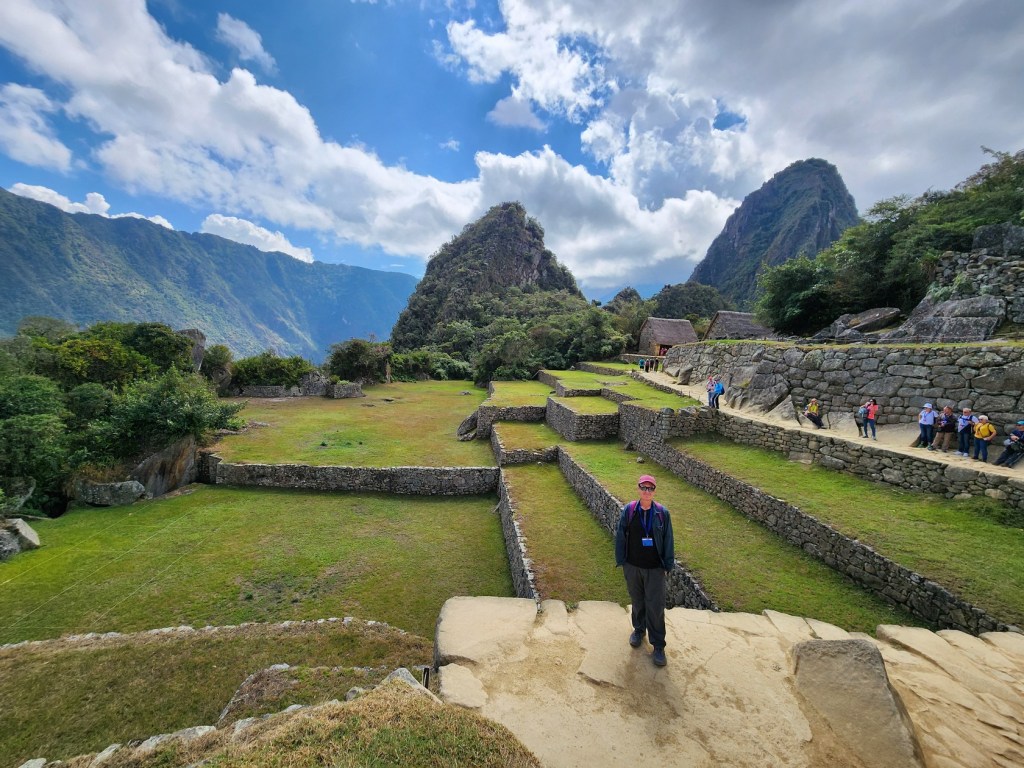
The further you go through the course, the more spread out the tourists become. Many just do the main trail without checking out the varied side paths and structures further off the beaten path. This made the latter half of our time on Machu Picchu much more relaxing than the first bit. Things bunched up again at the end of the circuit, but it was still a worthwhile experience overall.





Near the end of our circuit, the llamas appeared. They had been feeding lower down on the terraces before making their way up towards the trail we were on. They were used to all the tourists being around, and ignored all the attention everyone game them. It was a unique way to end the Machu Picchu experience!


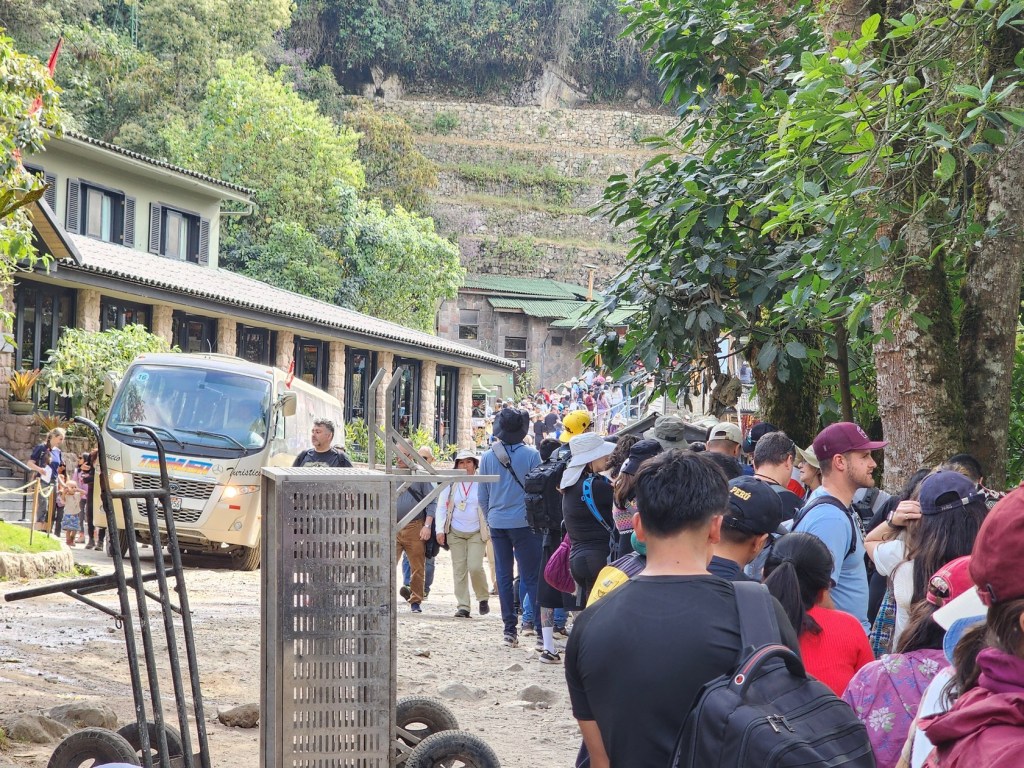
There was another line up waiting for the bus to go back down to Aguas Calientes. Eventually we returned to the town and walked around while we waited for the return train. Our timing worked out well for the day as we had almost three hours on Machu Picchu, more than enough for the main circuit.


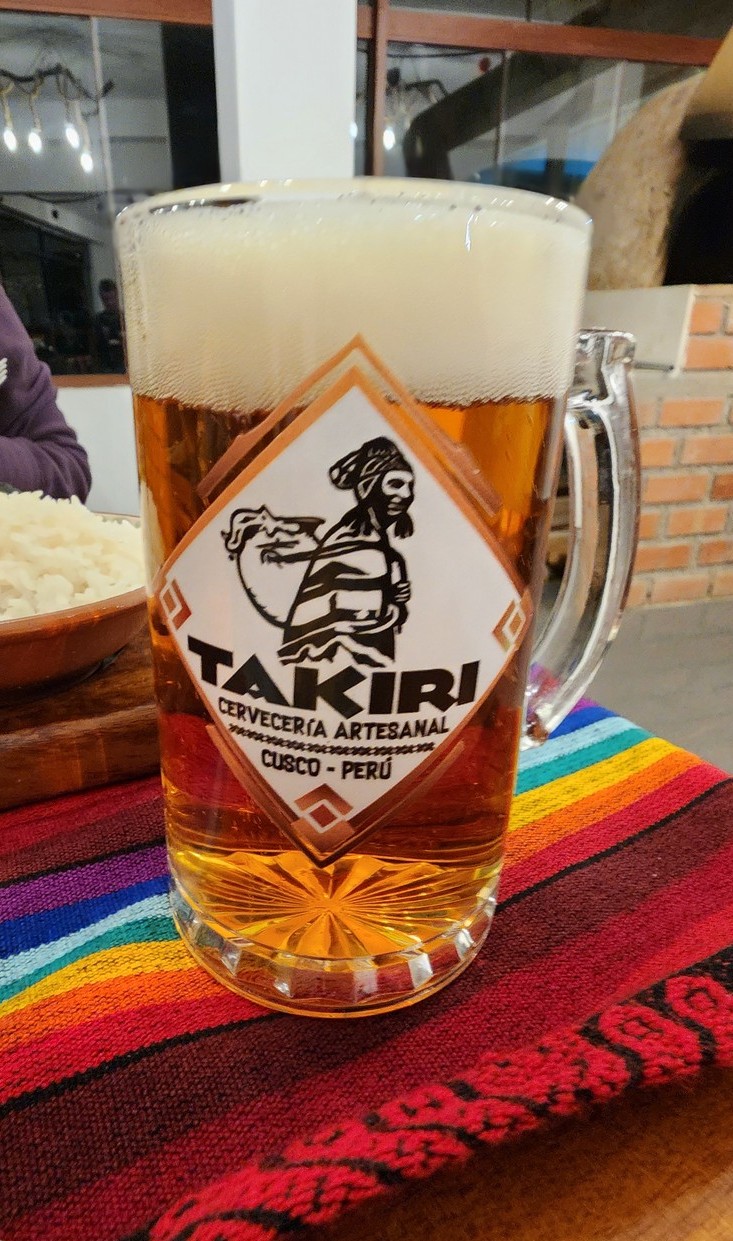
After a long day at Machu Picchu, we enjoyed a nice dinner back in Ollantaytambo. It was a long and tiring trip to Machu Picchu, but we were glad we did it the way we did. It would have been nice to add on another circuit, but we were satisfied with what we saw on the mountain. Machu Picchu really was a unique place and well worth the planning and cost!

We ended up returning to Cusco the next day in preparation for a flight to Trujillo in the north via Lima. The last week of our trip would be spent in a far different geographical and cultural place from the previous three weeks. Both Trujillo and the ruins surrounding it will be the subject of the next post.
 Humphreys Travel