

We arrived in Dublin after an overnight flight and spend the first day getting the rental car and making our way to our hotel in Tallaght, located in the western side of the city. We chose Tallaght for a few reasons. We wanted a place that had access to downtown through public transit as well as easy parking for our rental. The area had a mall next door so we could easily pick up things for the road trip ahead. Finally, hotels prices were cheaper there!
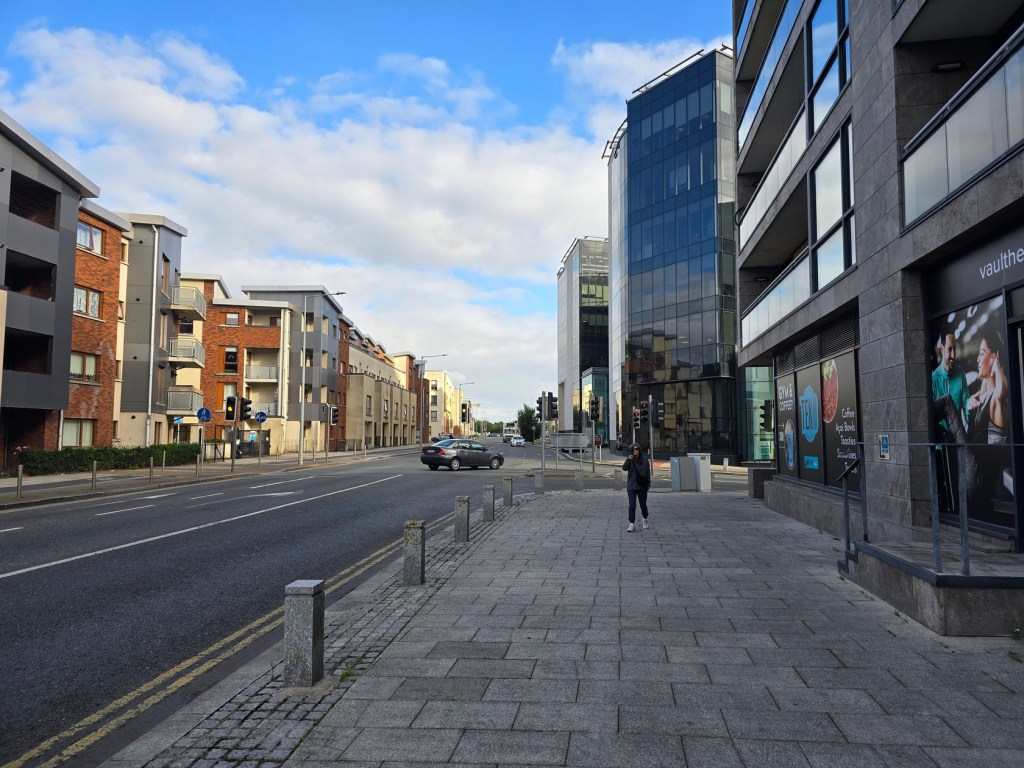
The next day was our first day making our way around the city. Unfortunately Kim wasn’t feeling well from the trip so we didn’t do as much as planned. Thus our Dublin post is a little lighter than usual.
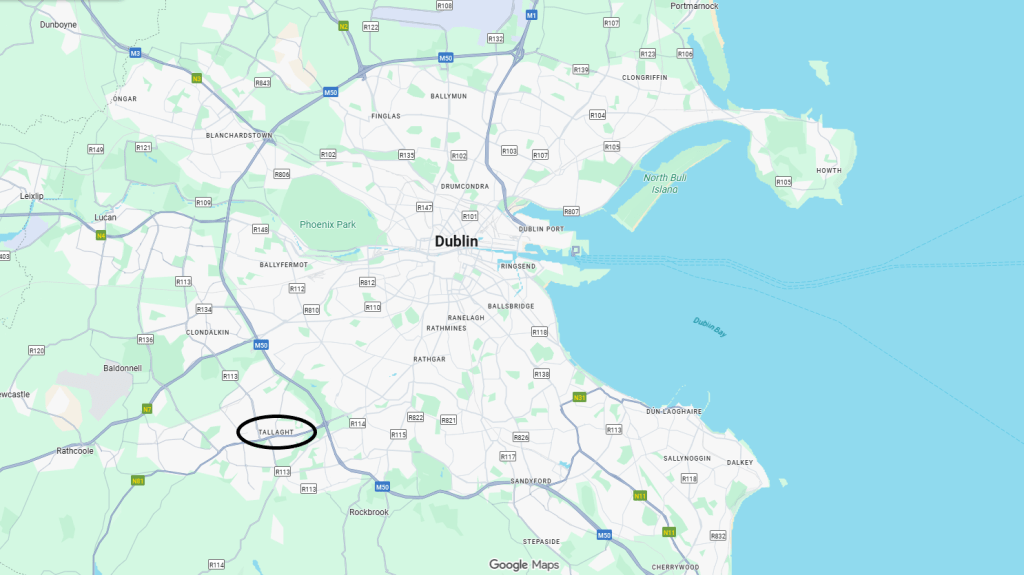
There’s another reason we saw less than expected in Dublin. We originally planned to spend two full days exploring the city, but had to change our plans. The reason was the famous sites of Newgrange and Knowth sites north of Dublin had to be booked in advance, and we didn’t know this until we arrived. Our mistake!
We planned to save them until the end of the trip, but nothing was available. There was only one day and one entry time available for us to visit, so we spent the second day going there rather than exploring more of Dublin.

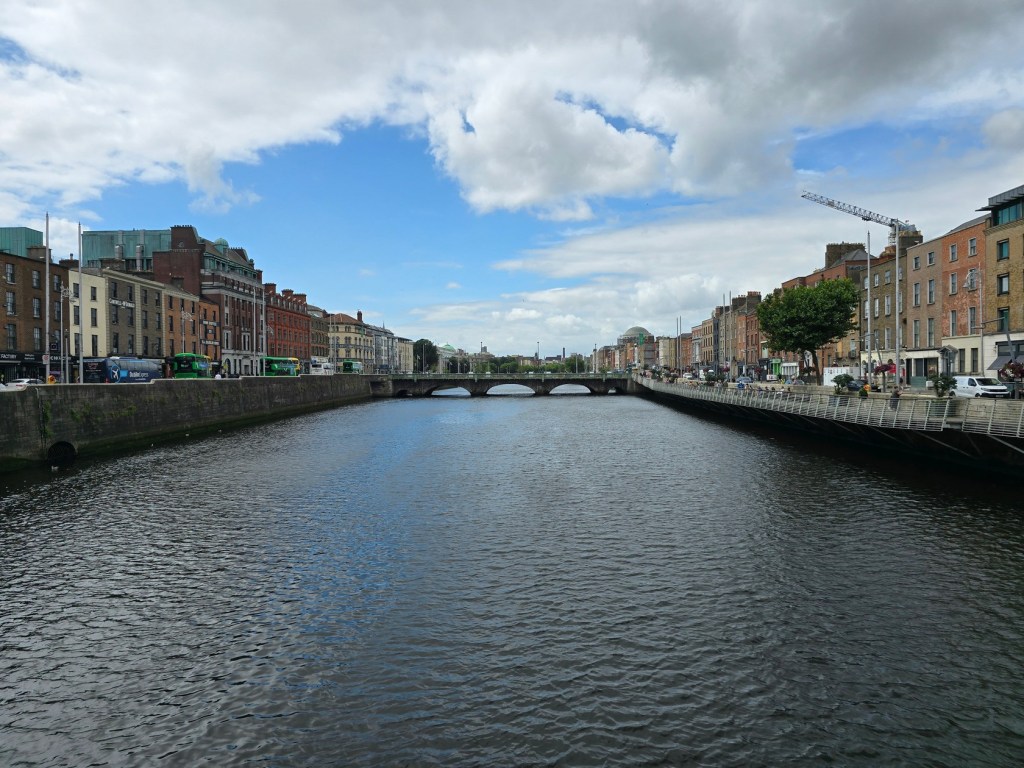
We left our car at the hotel and took the tram downtown as it was much easier than trying to drive and park. From Tallaght it took about 40 minutes to reach downtown Dublin. The tram was clean and reasonably priced (5.20 euros each for a return trip).

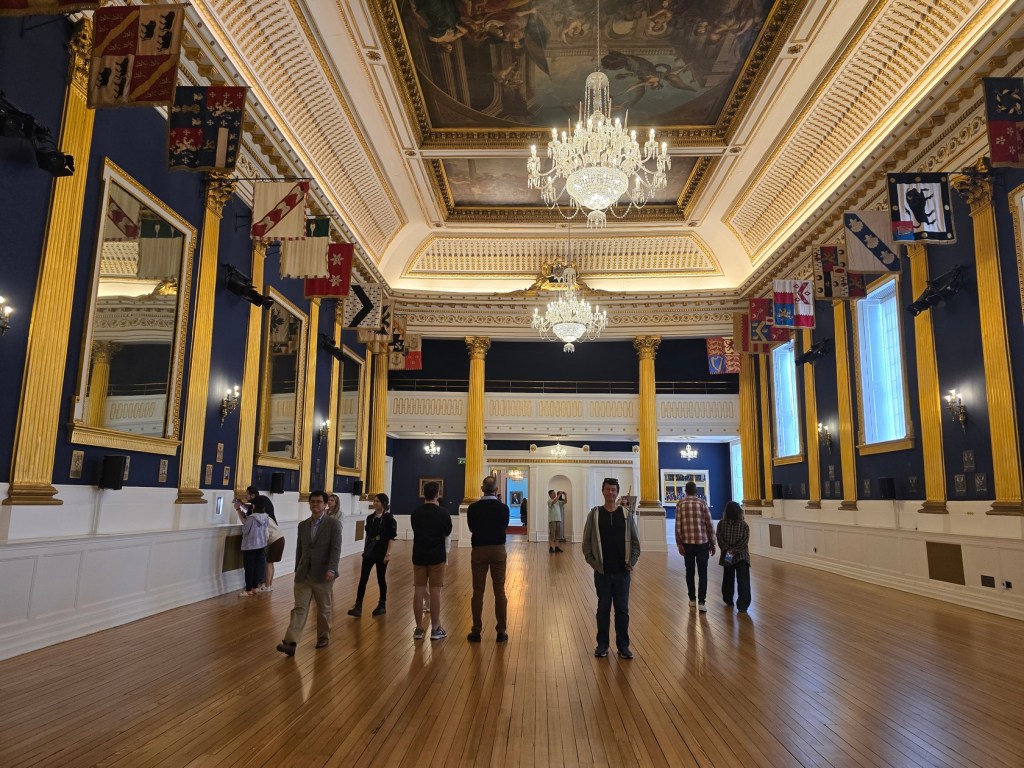
Our first stop was Dublin Castle. Originally constructed in the early 13th century (1204) on the orders of King John of England, Dublin Castle went from being a defensive fortress to being the seat of English power until Irish independence in 1922. It is now a site of national celebration, and Irish presidents are still inaugurated there.

There wasn’t a lot of signage, and some of the surrounding areas are under construction, so it took us awhile to find the main entrance. We eventually found our way into the main square and followed the majority of people heading towards the entrance to the State Apartments.


There are a large number of historical and natural sites in Ireland that are run by the Office of Public Works (OPW). Because we were visiting many of them, it made more sense to purchase a Ireland Heritage Card (40 euros per person and good for one year) rather than doing pay as you go. If you only visit a few sites or some parts of Ireland, then you probably won’t get enough use out of the card.
https://heritageireland.ie/visit/heritage-card/
A list of sites covered by the card is here, and you can reserve your spot online in advance for the most popular ones:
https://heritageireland.ie/visit/places-to-visit/
Although it was expensive up front, we ended up saving money overall as we visited castles, abbeys, prehistoric sites and even a cave. The card is good for a year, which gives it better value for residents rather than tourists, but it worked for our purposes. When visiting sights, we simply showed our card and signed our name. It doesn’t seem to be a popular option as a number of OPW staff were surprised when we showed the card.
As mentioned above, there are certain sites that must be booked in advance, though you don’t have to pay in advance. This includes Newgrange and Kilmainham Gaol Museum in Dublin. The latter was completely sold out and we ended up missing it, as tickets can sell out within the day they go on sale. We should have been online a month before our arrival reserving our spot for the Gaol.
Fortunately, you can also book your spot online without having purchased the card, so we recommend doing so before your arrival in Ireland. Then, simply purchase the card in person at the first OPW site you visit.


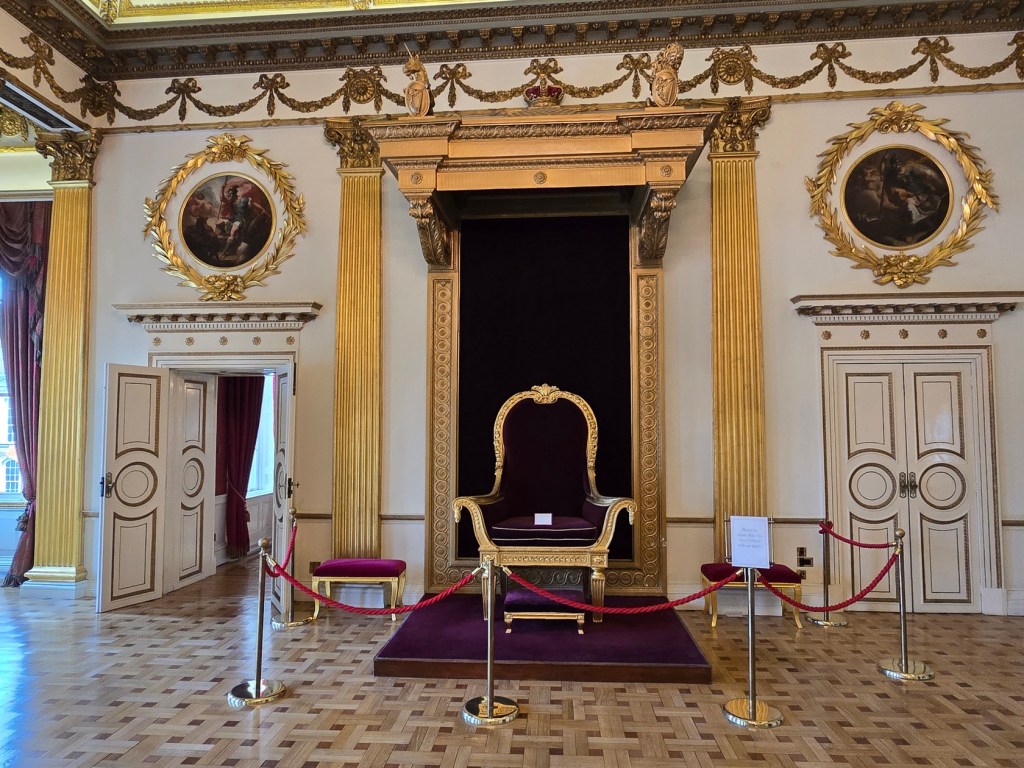
We spent about an hour going through the state apartments. The presentation of the rooms was excellent, and there were explanations for many of the pieces and themes.
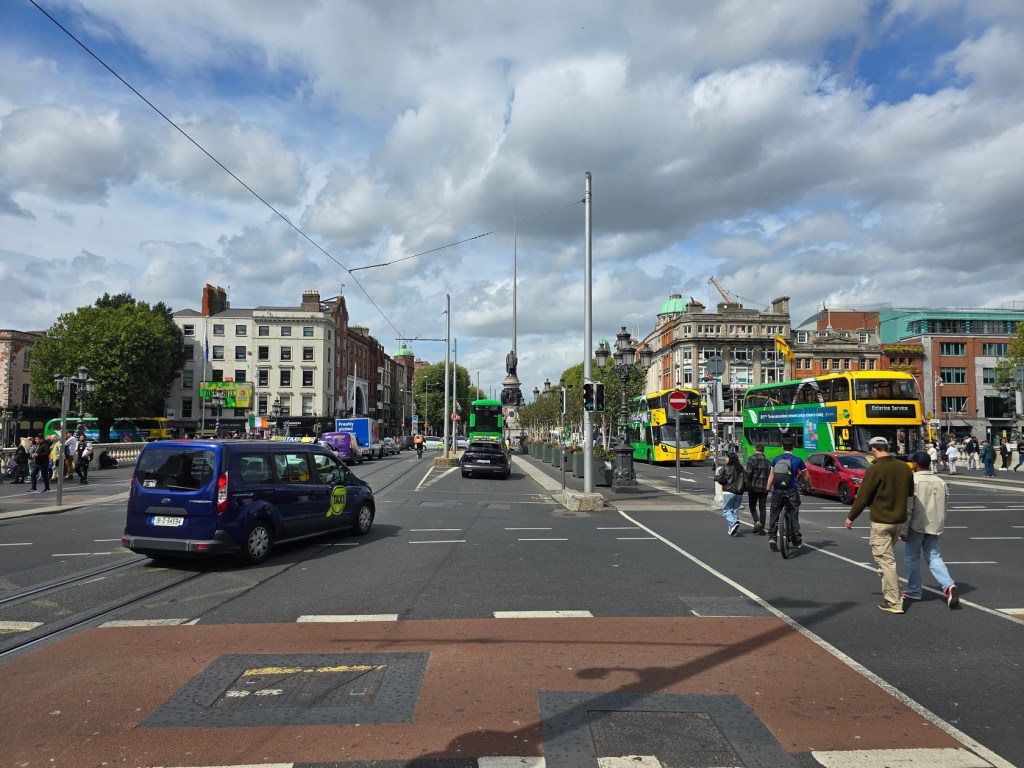
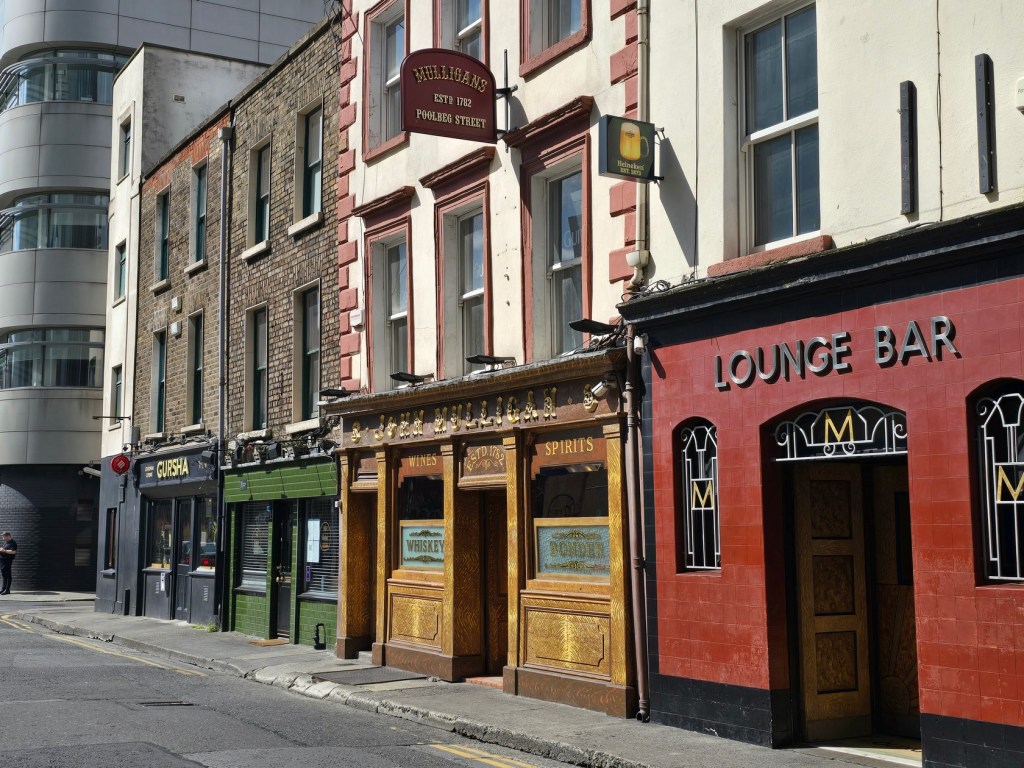
After checking out the castle we headed out and wandered downtown some more. It was time to try a Guinness, so we looked for one of the older pubs in the city. The Temple Bar area is a popular area for a drink, but we decided to go a little further to find one. We eventually found Mulligan’s, a pub that had been around since 1782.
It had a number of different rooms and was mostly packed with locals and tourists alike, so we felt we made the right choice. We found the quietest part of the establishment and I tried my first Guinness in Ireland. It really did taste better there!

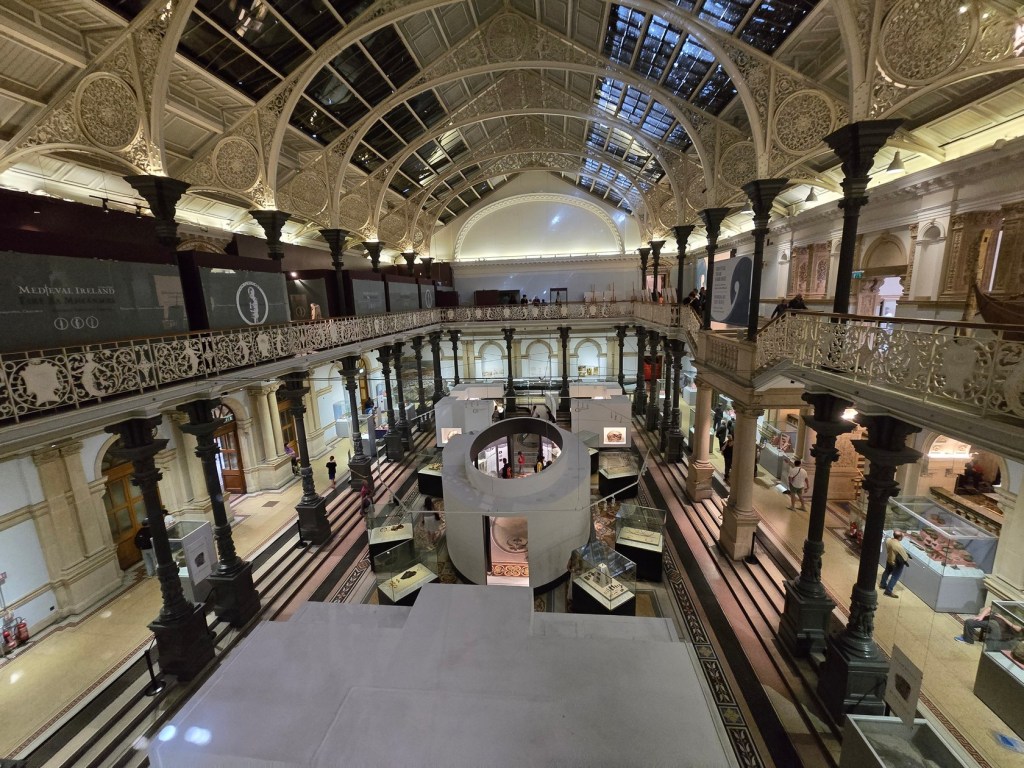
In the later afternoon it was time to check out one of the three National Museums of Ireland located in Dublin. The one on Kildare Street is dedicated to history and archaeology, so that’s the one we chose.
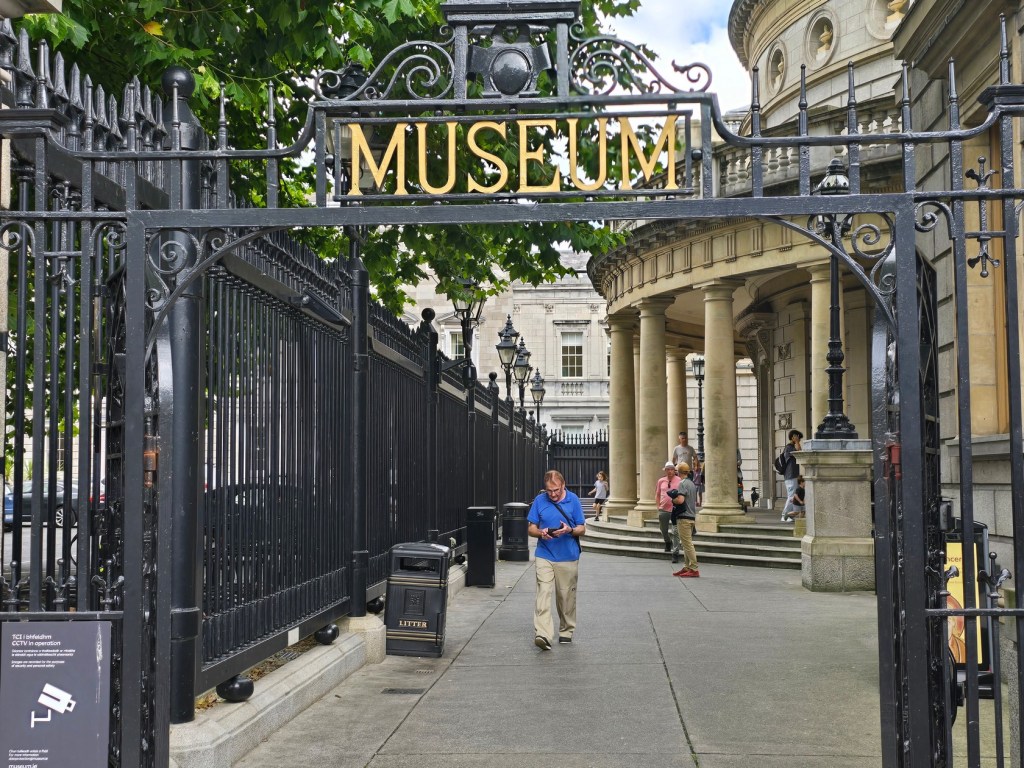
Kim wasn’t feeling well so she rested at the entrance while I checked out the museum. I was impressed but the range of artifacts found inside, as well as the stylish centre court.


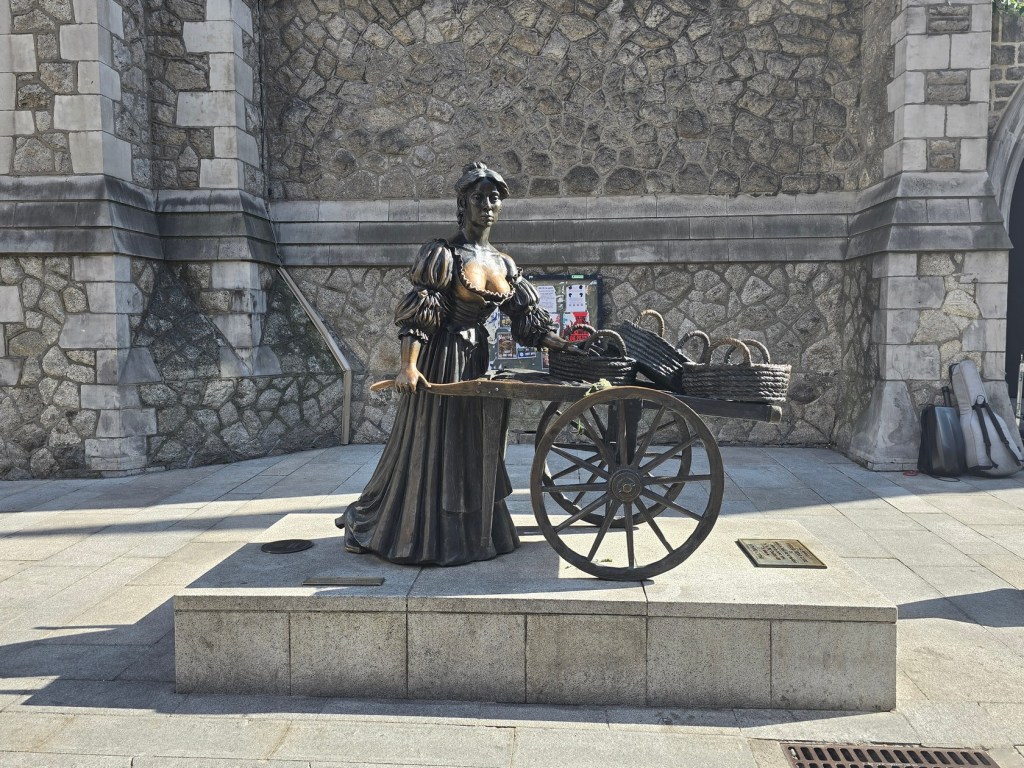
Back outside again, we passed one of the most popular sights in Dublin: the statue of Molly Malone. She is the subject of the famous song Cockles and Mussels, and drew the tourists around.
Unfortunately our Dublin visit was shorter than planned, but we were impressed by the city. It was clean, people were friendly and it was very compact and walkable. We’d like to make another visit in future to see some of the places we missed the first time.
The next day we were driving out of the city to check our the prehistoric sites of Newgrange, Knowth and Dowth, a very different set of places compared to Dublin. That’s the topic of the next post.
 Humphreys Travel