

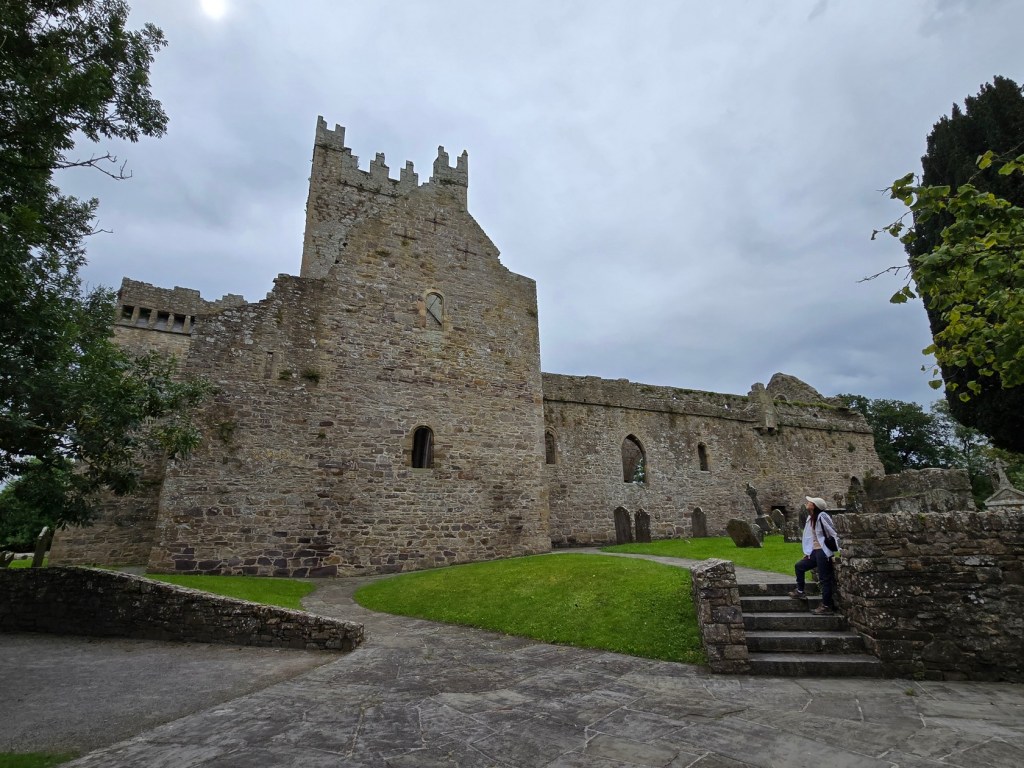
- Jerpoint Abbey
From Carlow, we continued our trip southward towards the Irish coast. We made one stop along the way, which was Jerpoint Abbey. The abbey is located 2.5 km southwest of Thomastown on the R448 regional road.

Jerpoint Abbey is a ruined Cistercian abbey that was founded in the second half of the 12th century in County Kilkenny. It has been declared a national monument and has been in the care of the Office of Public Works (OPW) since 1880.
Inside there is a small visitor centre with an exhibition. We had our Heritage Passes so we didn’t need to pay the 5 euro entry fee. We made a point of hitting any OPW sites of interest throughout our trip, making good use of the pass.

The Cistercian founder of the abbey, Bishop Felix O’Dullany, is buried at Jerpoint. His grave became a place of pilgrimage and devotees would take soil from his grave for its miraculous powers, especially for healing sore eyes.


Jerpoint abbey is renowned for its detailed stone sculptures found throughout the monastery. Dating from the 13th to the 16th centuries, these include mensa tombs from the O’Tunney school, an exquisite incised depiction of two 13th century knights, the decorated cloister arcades along with other effigies and memorials.
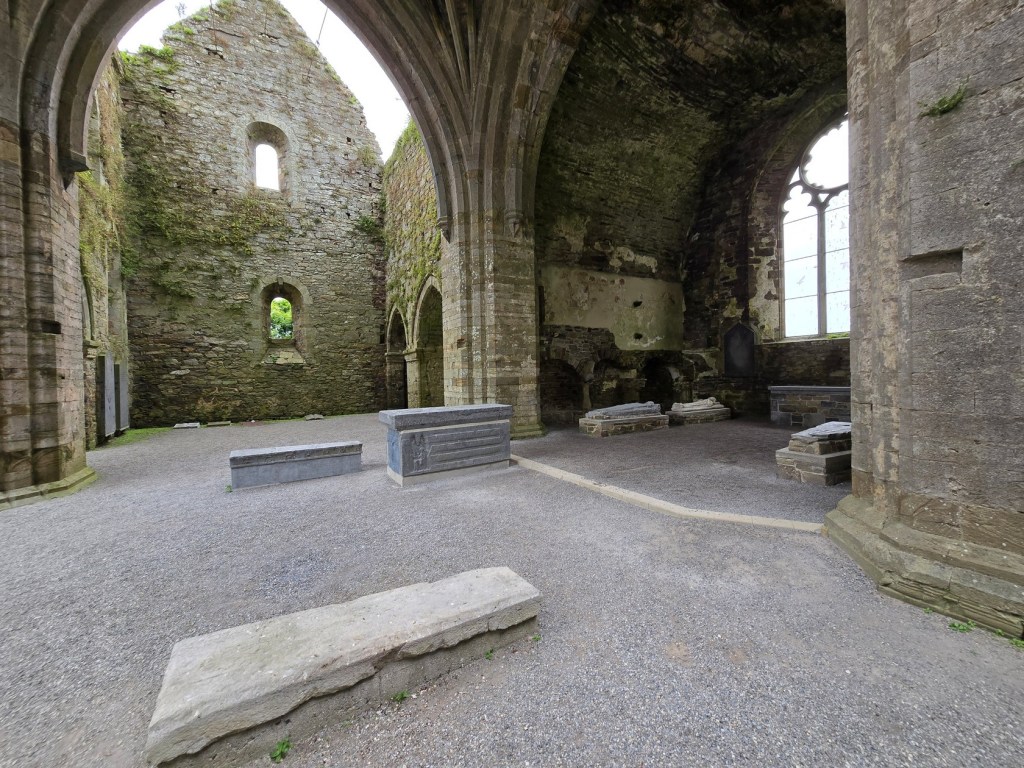
The present ruins are very extensive and display some specimens of the later Norman passing into the early English style of architecture. The architectural styles within the church were constructed in the late 12th century and reflect the transition from Romanesque to Gothic architecture.

Jerpoint is notable for its stone carvings, including one at the tomb of Felix Ua Duib Sláin, Bishop of the Diocese of Ossory and Cistercian founder of the abbey. The abbey flourished until the dissolution of the monasteries by English King Henry VIII.
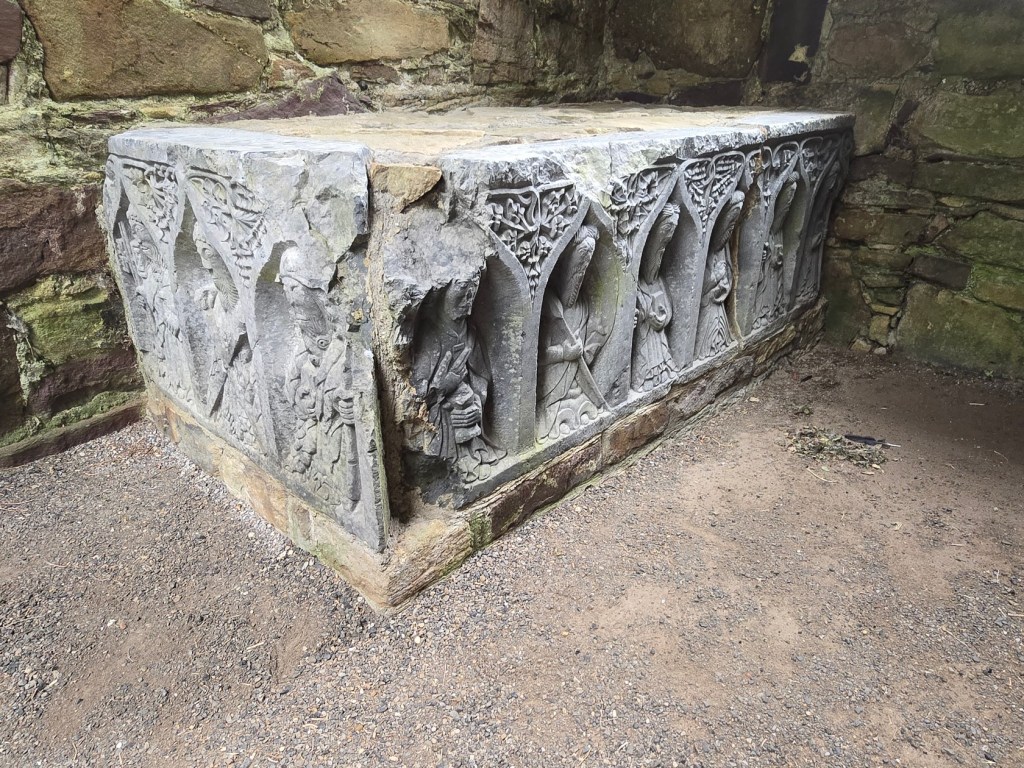
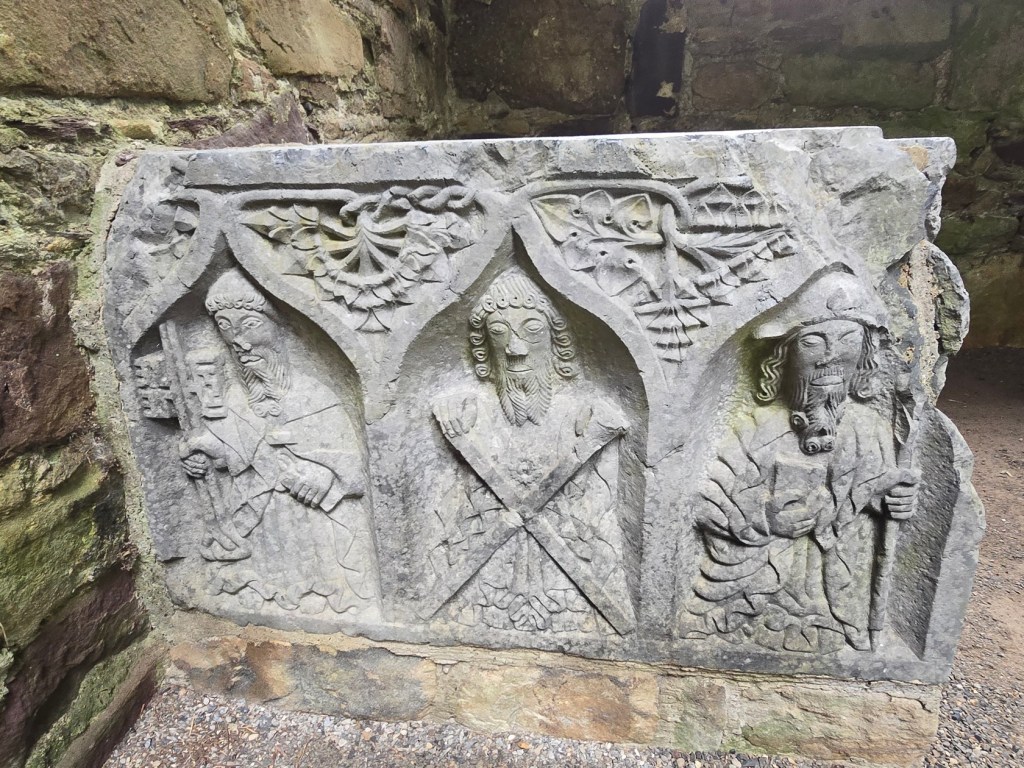


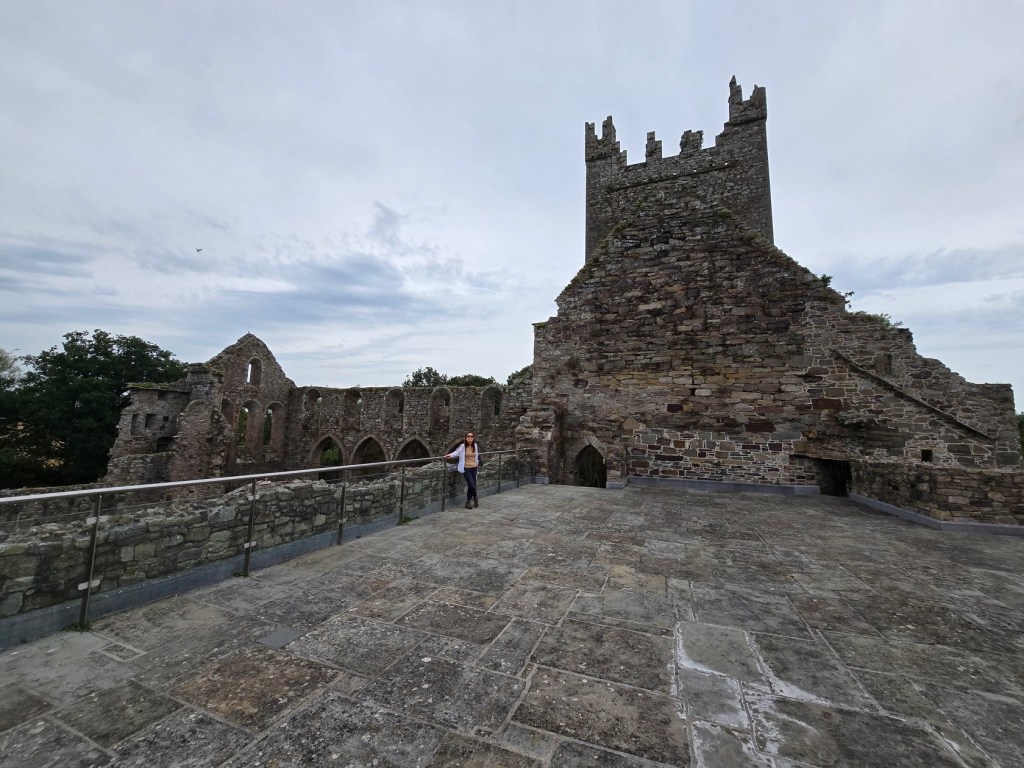

The tower and cloister date to the 15th century. Within the Abbey is the sculptured cloister arcade with unique figure carvings between the columns.
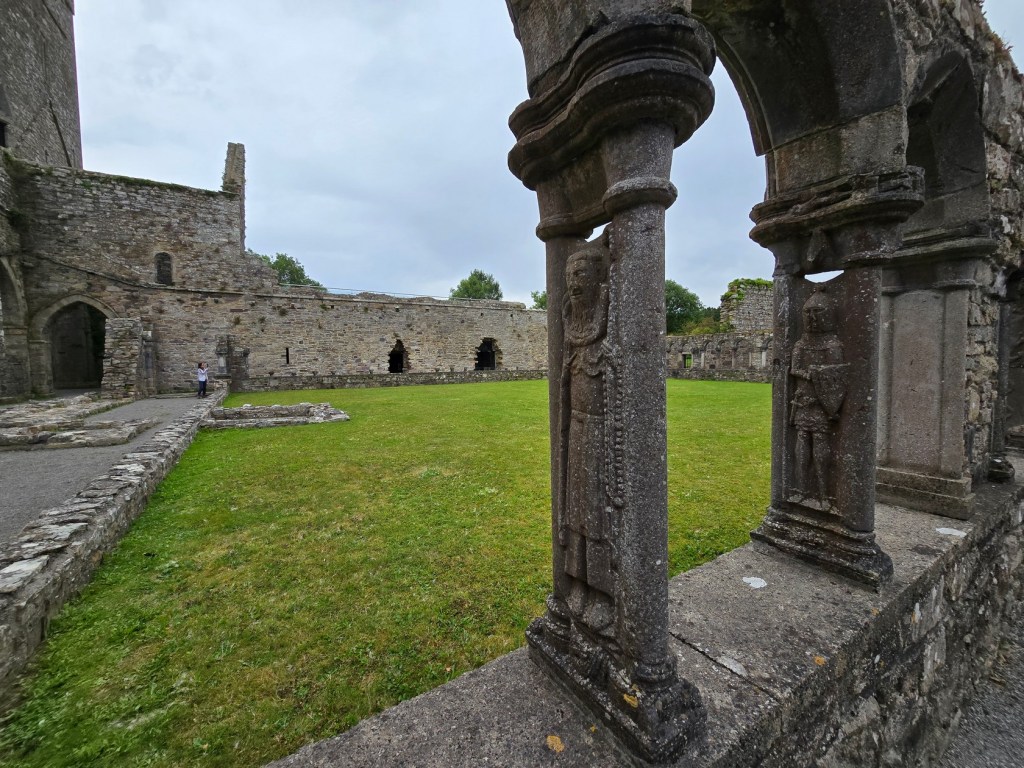

We were impressed by the condition of Jerpoint Abbey. Although it was a ruin, the arches, cloister and tower all looked solid. It was well worth the 45 minutes or so we spent at the site.
2. Dunmore East Cliff Walk
We found an official sign of Dunmore East Cliff Walk after parking our car in the free parking area near the cliff. There were a few houses around, but we quickly found the signs and wooden stairs leading us up the walking trail.
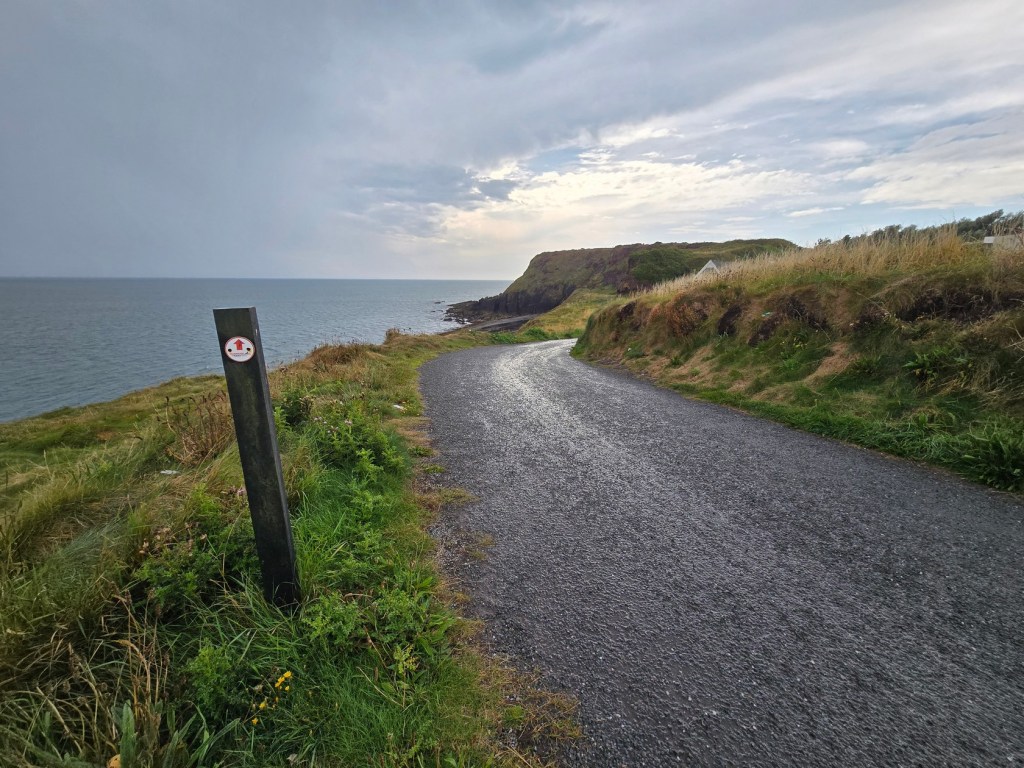

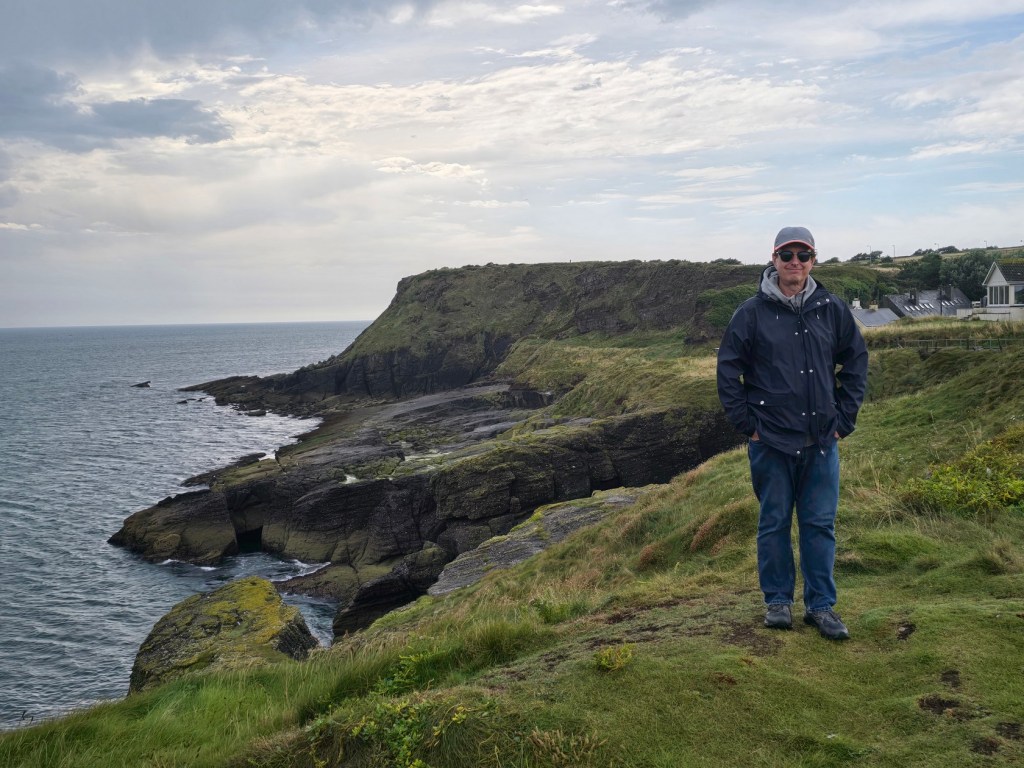

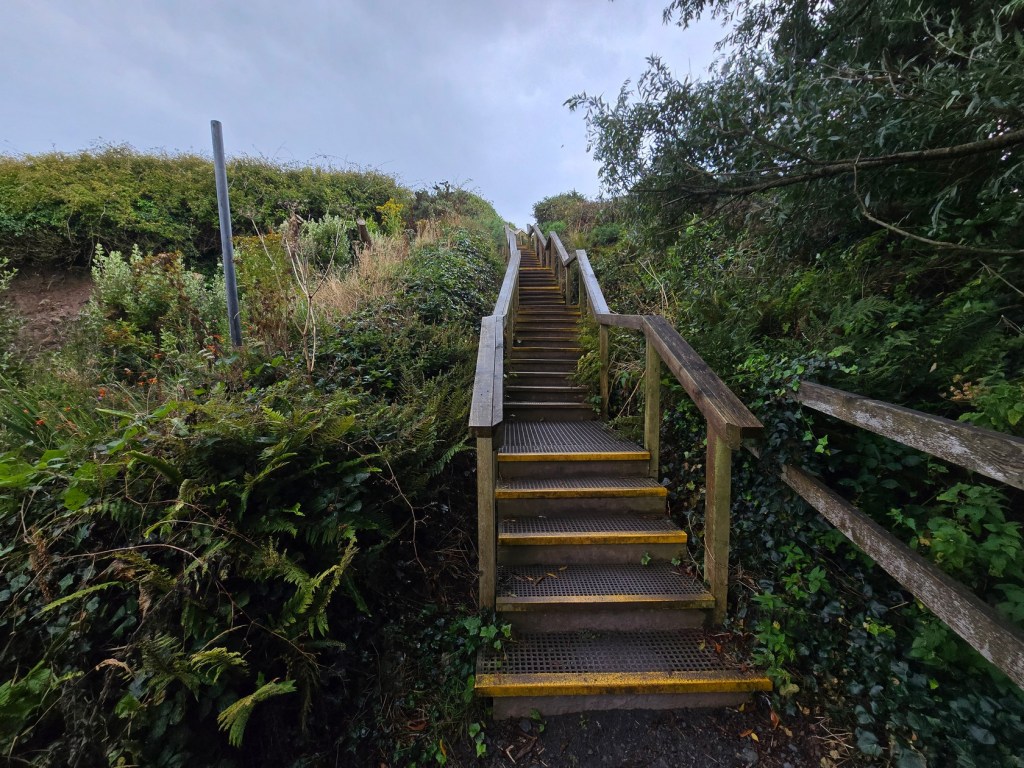
As soon as we reached the stairs, we met two local ladies with a lovely little dog and had a brief chat about the trails. They said they were just finishing their walk and had to do it in the rain. However, we were lucky enough to enjoy the ocean views without the rain as it stopped just as we began our walk.

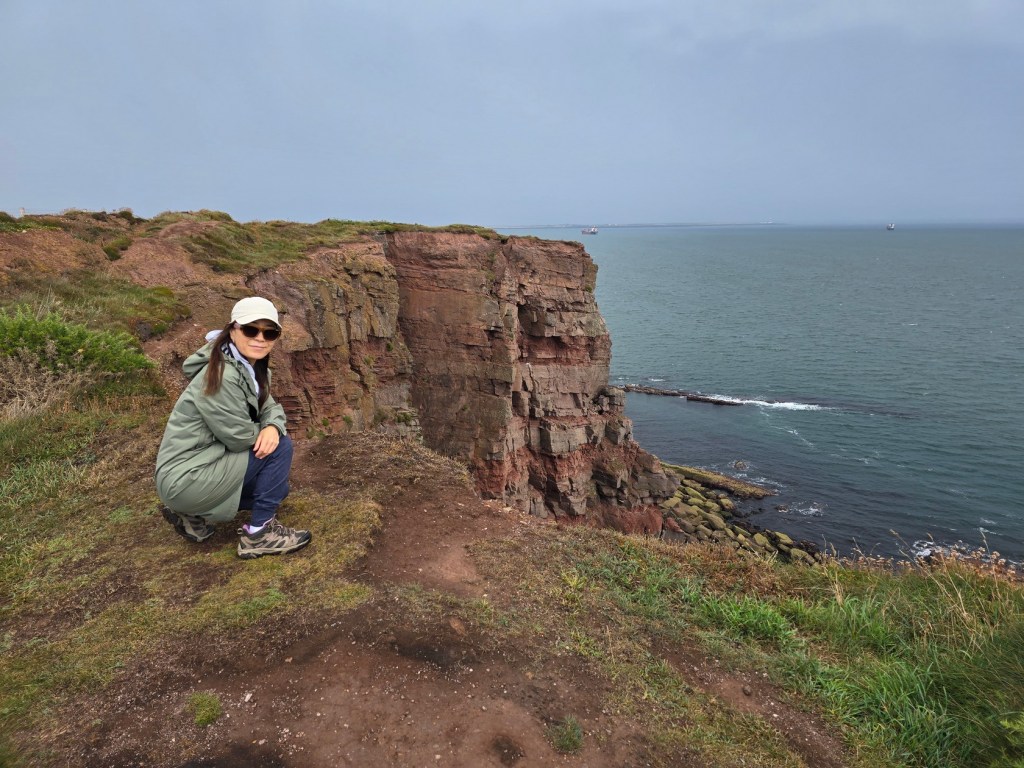
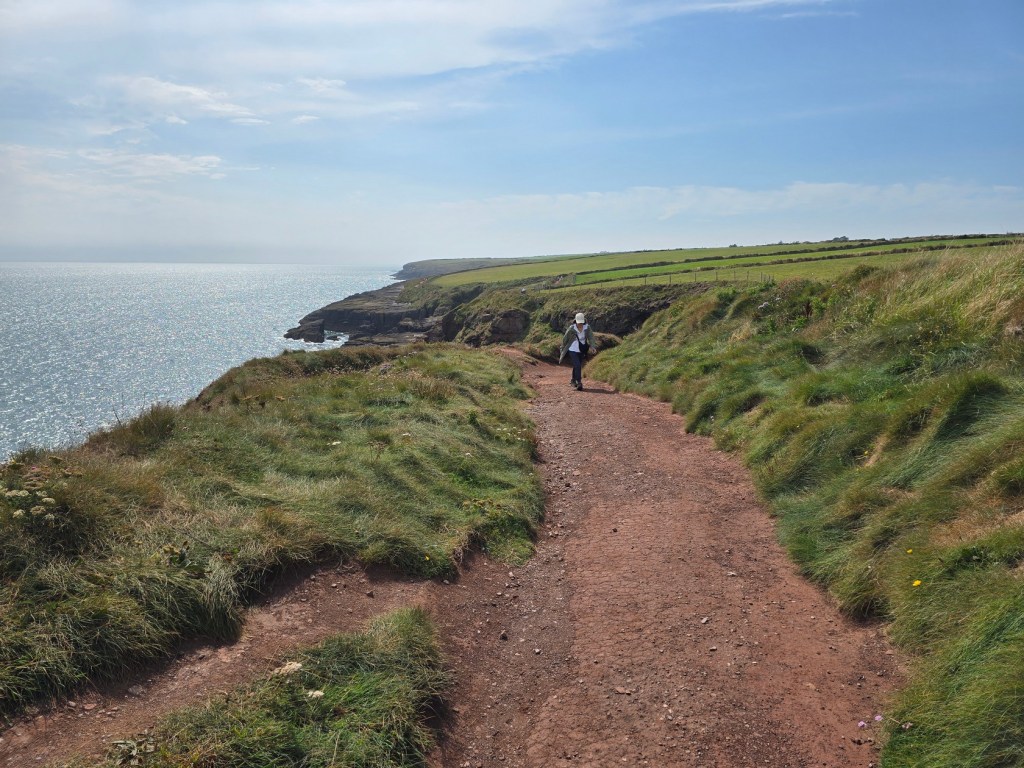
As we walked, we could see large tracts of farmland along the trail on the other side of the fence. There were fresh blackberries everywhere along the trails, so we picked blackberries for a snack from time to time. We had rain jackets just in case it rained, but we had them off once the sun came out. However, there was cool breeze off the ocean so we had no problem walking the trail.
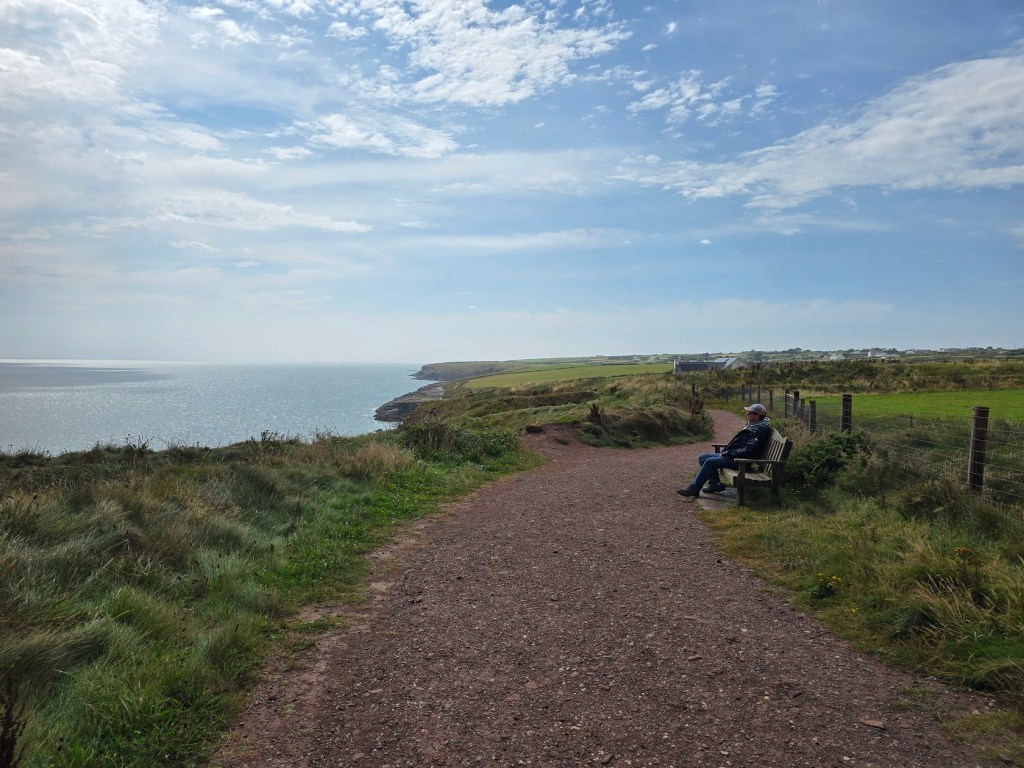
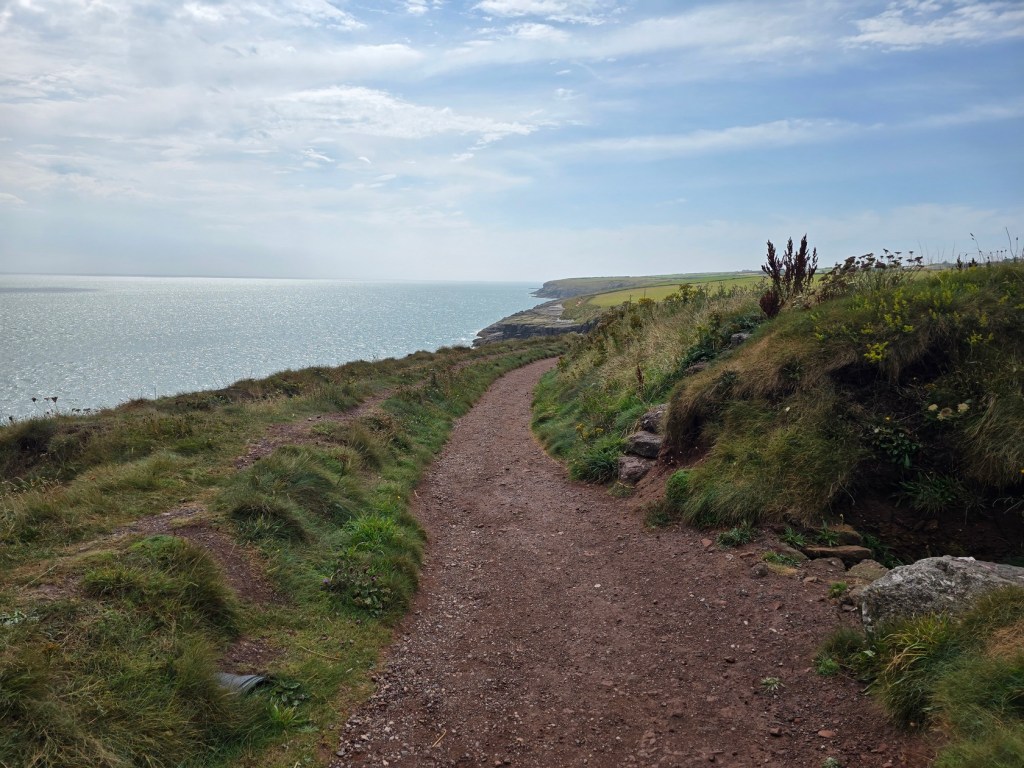
The walking route actually dates back to this time workers did harbour construction in Dunmore. At the time, they formed a path in order to go to work from the communities at Portally and Ballymacaw. This became the public path used today.
If you feel ambitious, it takes between 2 and 3 hours one way to visit these communities from Dunmore along the cliff trail. We walked just an hour each way as we had more places to visit.


In general, the Dunmore East cliff walk is a nice way to spend a few hours or half a day if you are inclined. The path is easily followed from the beginning at the car park. The ground can be a bit uneven at some points, and the cliffs is unguarded. But you get near-constant views of the sea with a fresh breeze, and it’s not crowded at all!
3. Dunhill Castle
After driving further west, we briefly went north to check out Dunhill Castle. The drive went through some narrow country roads, but fortunately there were few drivers on them. We soon reached the parking lot and looked for the path up to the castle.
Dunhill Castle is a centrepiece along the lovely Anne Valley Walk. The Ann Valley Walk was established by the local community, and the walk stretches from the village of Dunhill to Annestown Beach. Unfortunately we didn’t have time to explore the walk, and had to take a rain check on that one.
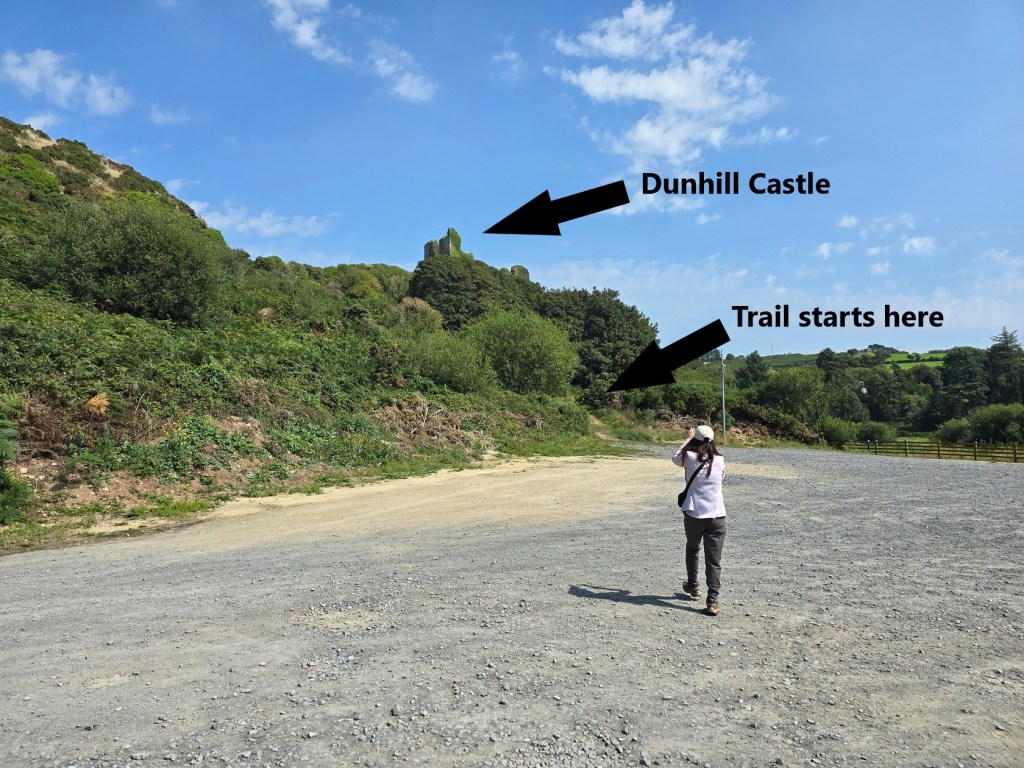
At first we weren’t sure which way to go. However we soon found a hidden trail covered by bushes in one corner of the parking lot and starting walking up.
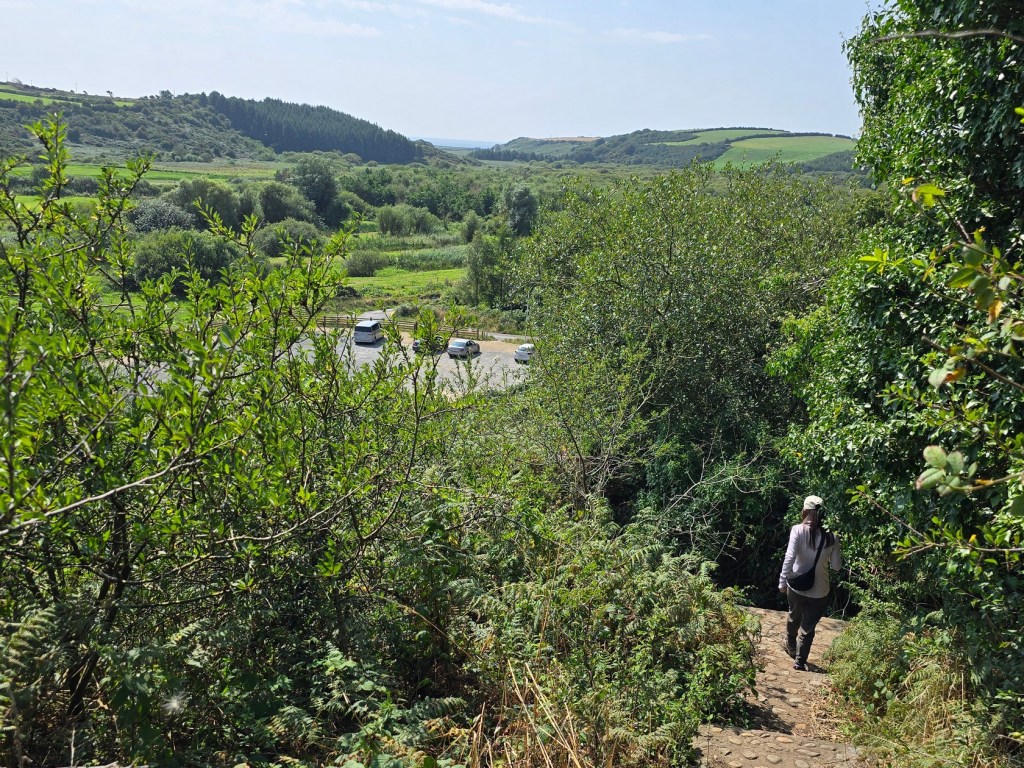
The trail itself was somewhat steep but not long, so Dunmore castle suddenly appeared in front of us. The appearance of the ivy-covered castle was dramatic as we reached the top!


According to its history, Dunhill castle was built the la Poer family in the early 1200’s. There is some evidence of an earlier Celtic fort on the hilltop as well.
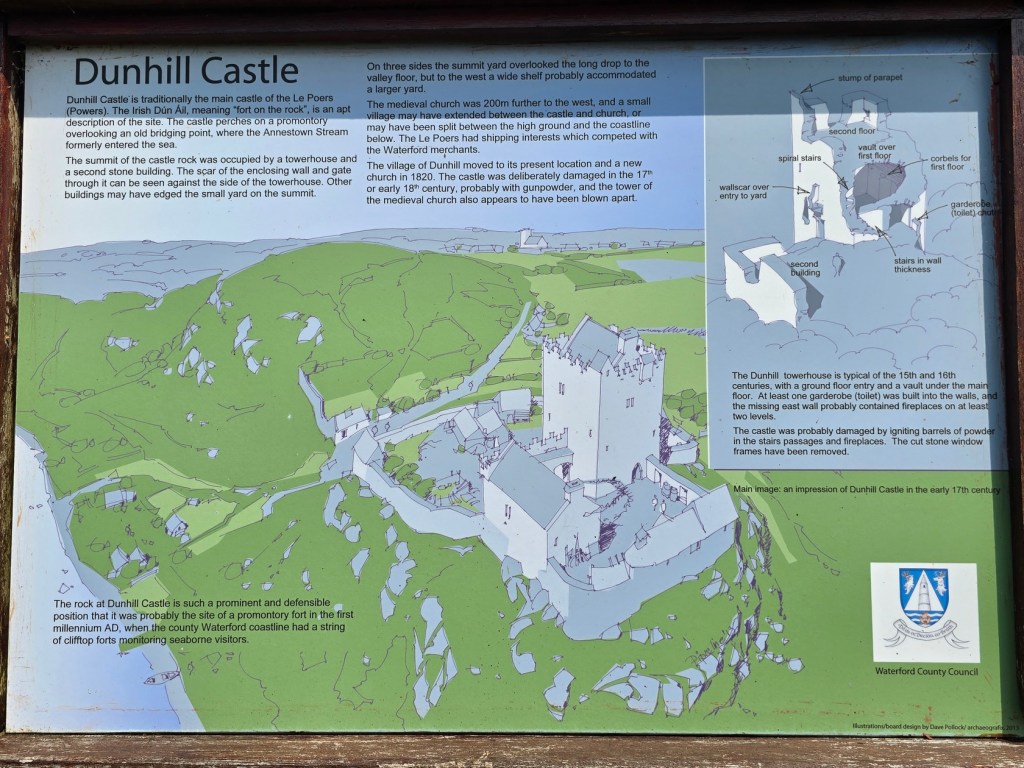

Today most of the castle lies in ruins, though it still makes a significant visual impact, and the views from it over the surrounding countryside are simply stunning. Half of one of the 15th-century towers remains, alongside some remnants of the 13th-century walls. Back when it was first built, the small medieval settlement of Dunhill would have nestled between the castle and church. The church itself boasted a small tower where the local priest would have resided.

The castle is a wonderfully atmospheric place to visit, as it has been the scene of many dramatic events including its sacking by Cromwell. If you can make the short but tricky hike to the top, you are rewarded with a great experience. There is plenty of parking space, and admission is free!


4. Kilfarassy Beach
Our last stop was Kilfarrasy Beach, located a short distance from the castle and close to the Air BnB where we were staying near Annestown.

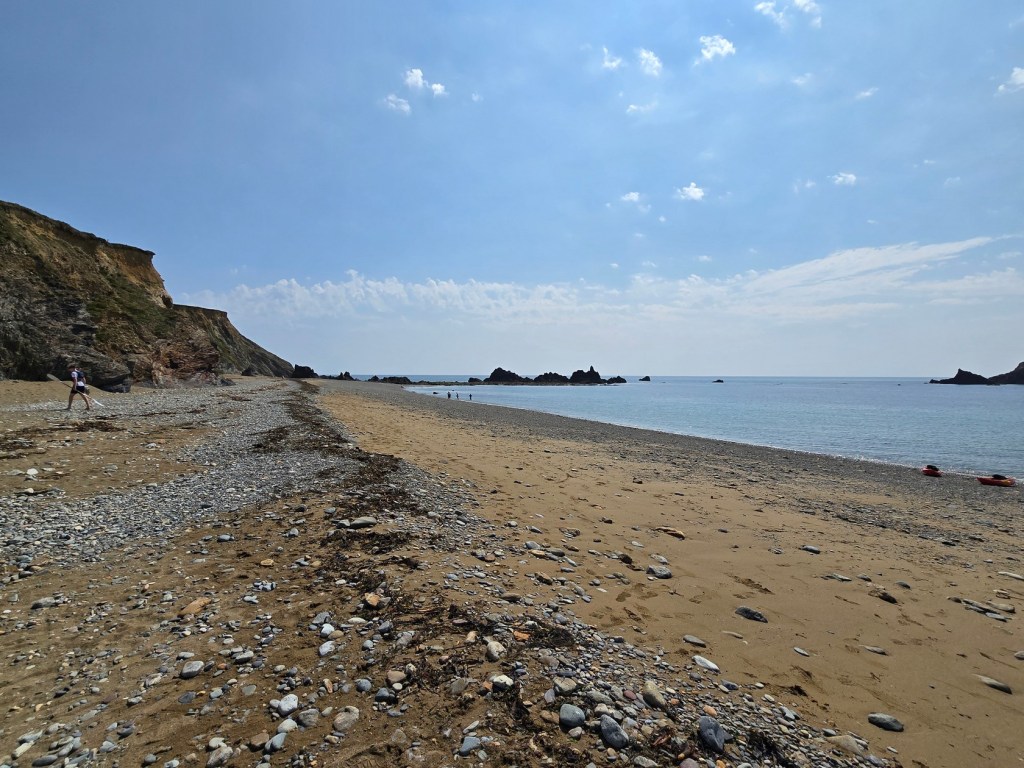
Named for the vast copper mines that developed here before fading away in the 19th century, the Copper Coast is an outdoor museum of various geological, historical, and cultural records. The work of the Irish government along with the local community helped the Copper Coast Geopark achieve UNESCO Global Geopark status.

We didn’t go swimming there, but we did enjoy the views. But it was soon time to head onward to our accommodations for the night, since we still needed to prepare dinner. We got back in the car and drove along the coast towards out Air BnB.
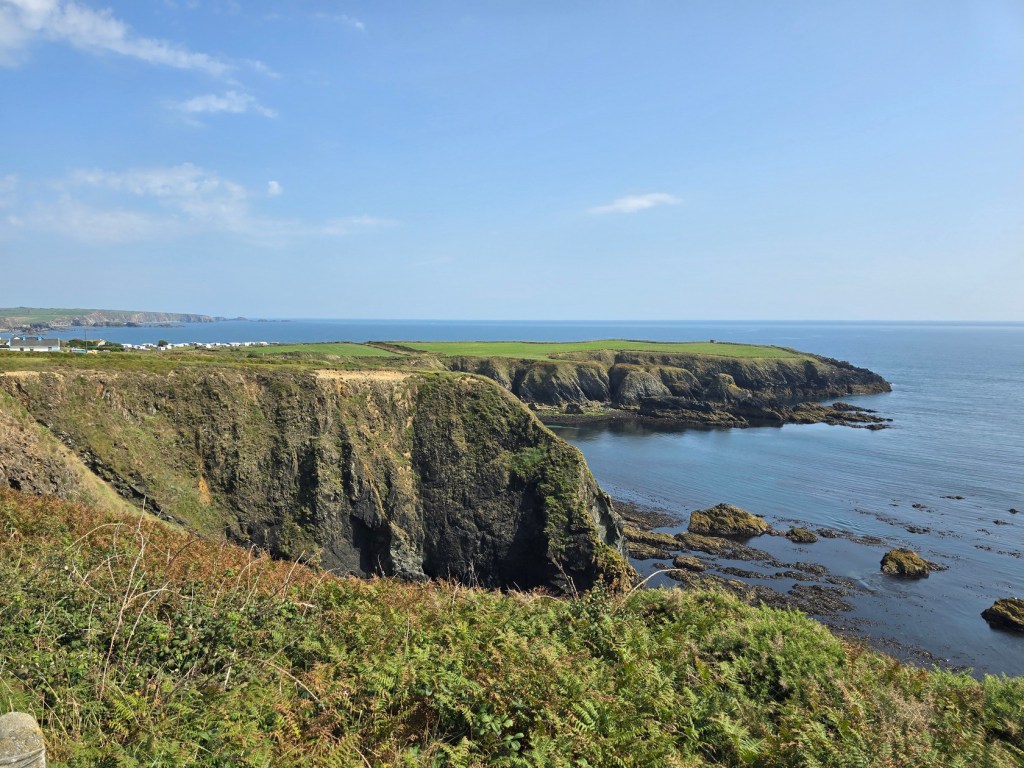
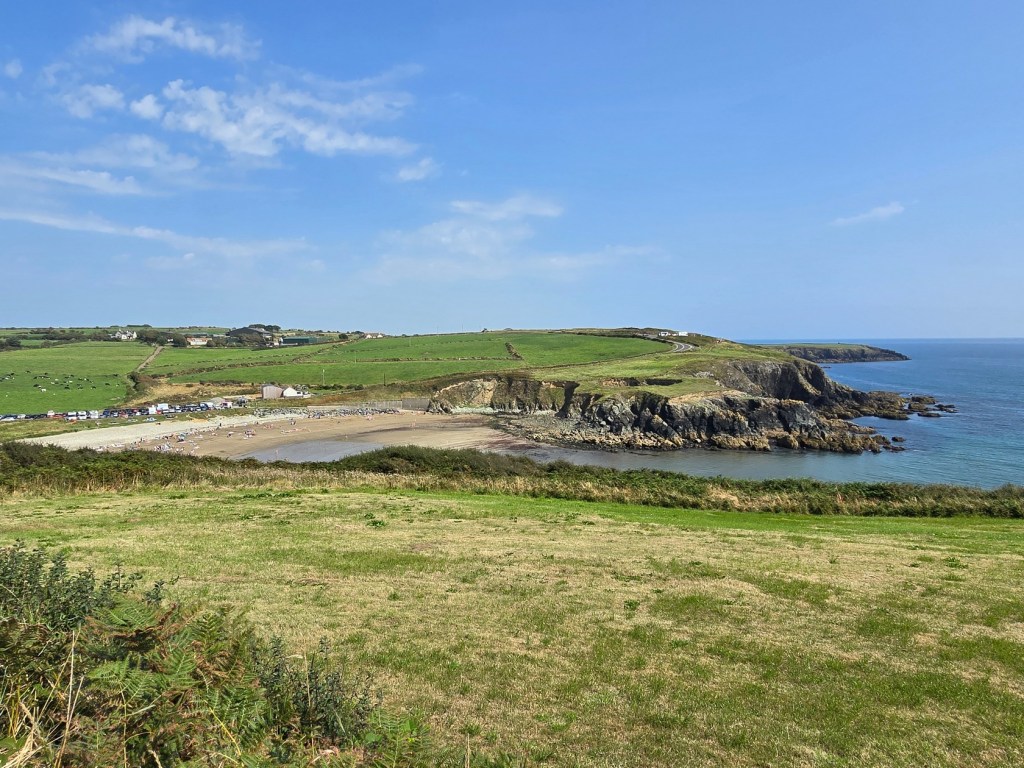
Although it was wet at times, the weather was fine for most of the day. We were already able to see quite a lot, and we had much more of the south coast of Ireland still to come! In the next post we move west as we continue to make our way along the southern coast of Ireland.
 Humphreys Travel