
As we drove west along the south coast of Ireland, we eventually arrived at the town of Kinsale. We stayed in a accommodation just outside the town while checking out a number of sights nearby.
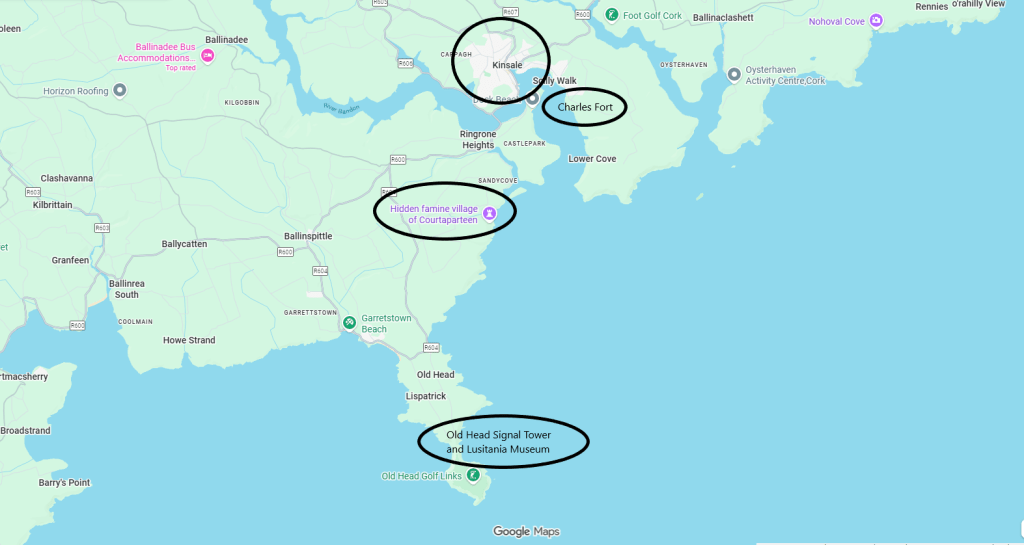
1. Courtaparteen Church & Abandonned Village
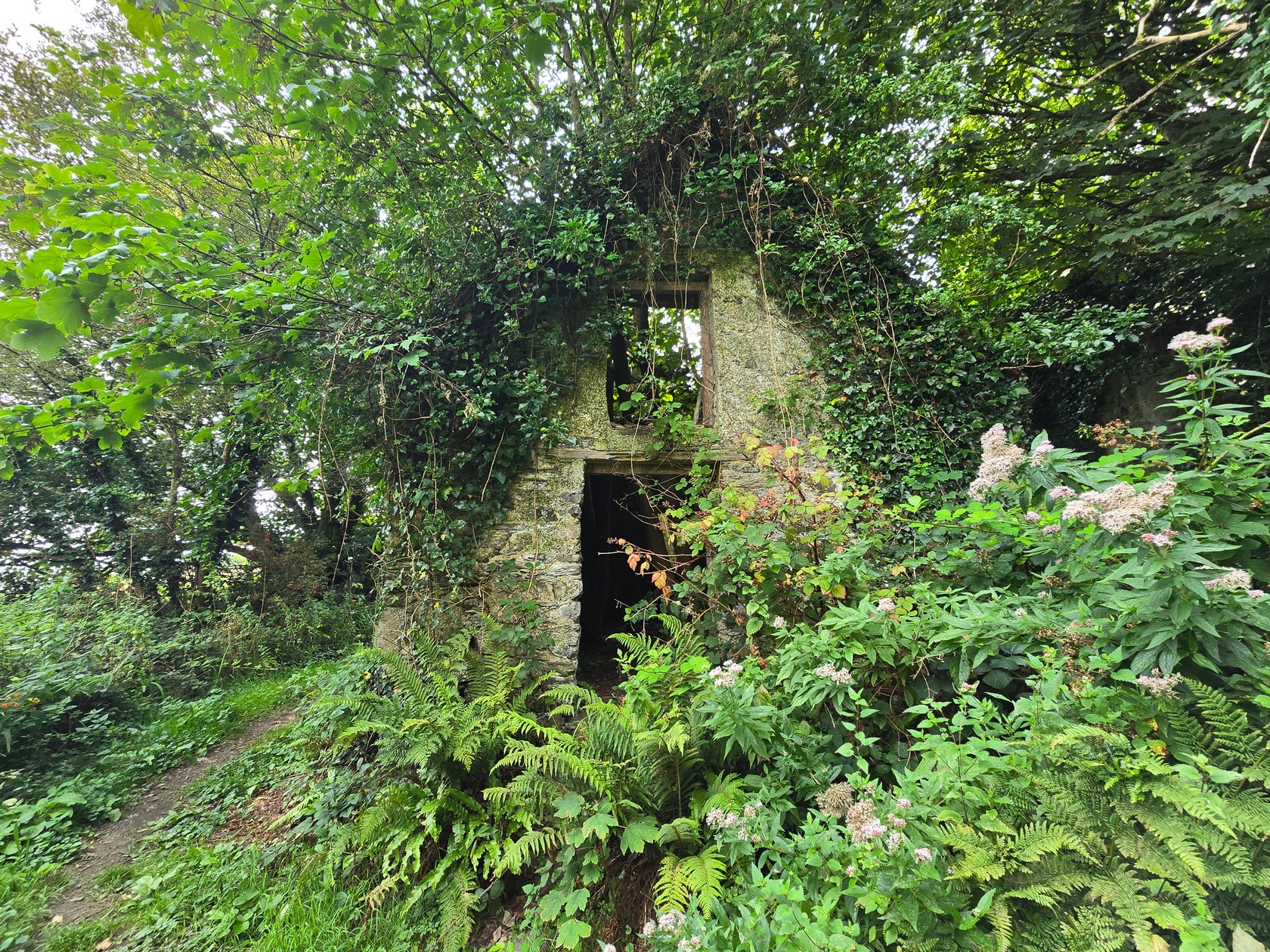
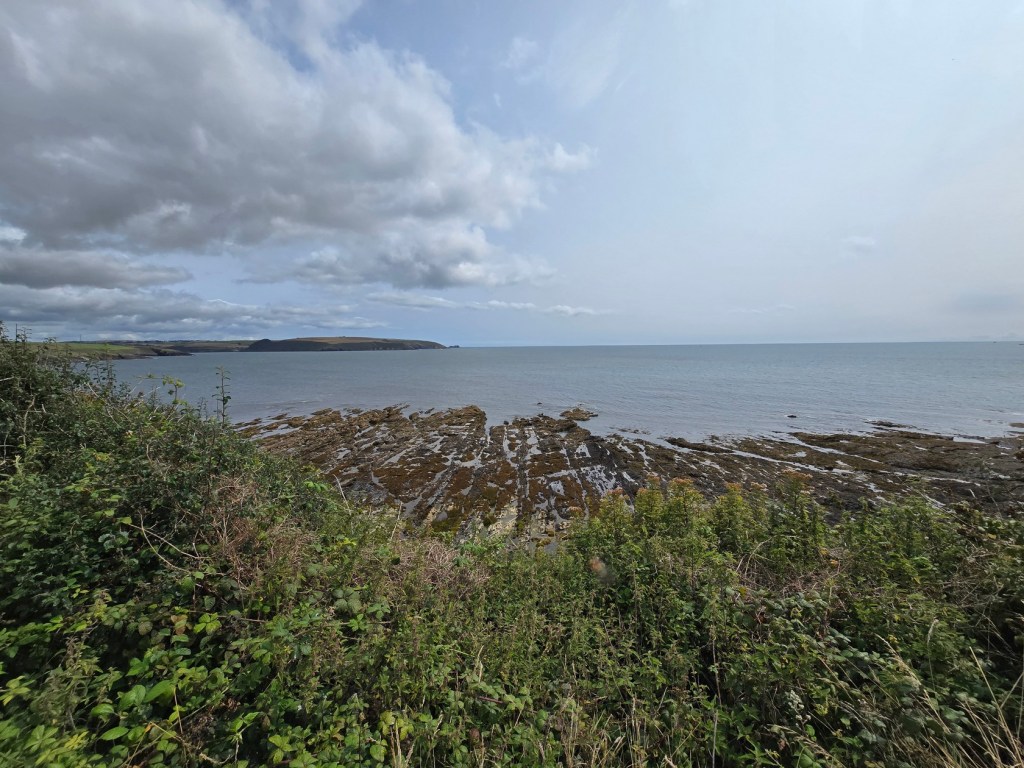
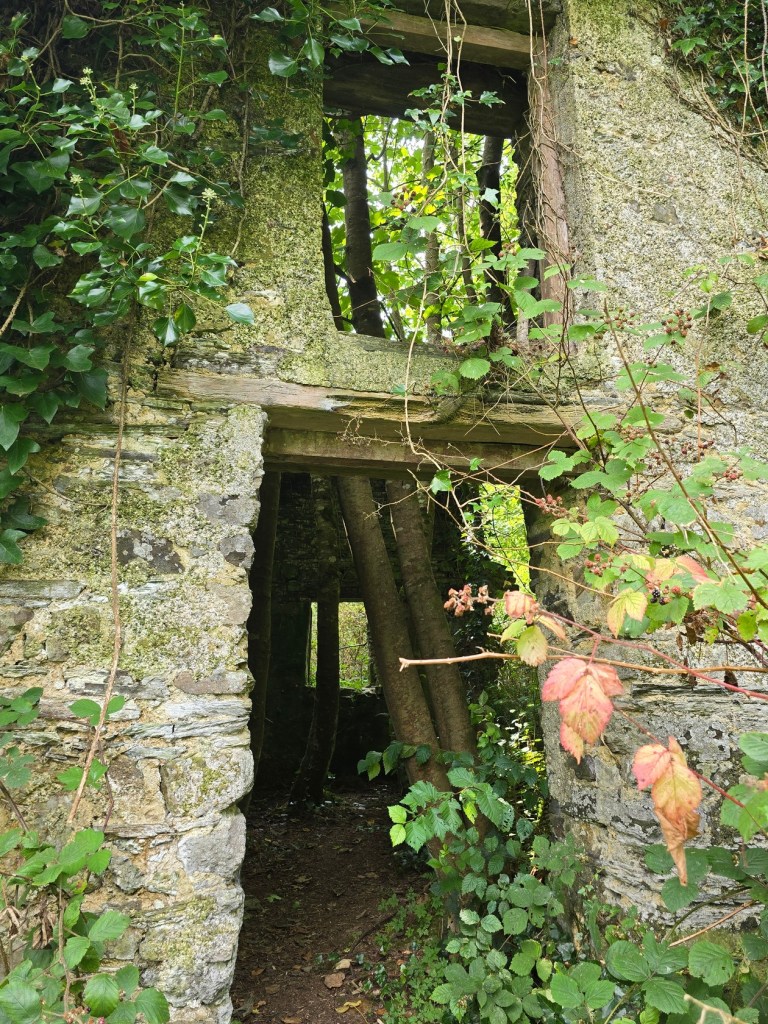
Our first stop was the interesting set of ruins at Courtaparteen. They include the ruins of a 6th century medieval church, an active graveyard and an abandoned village. The Courtaparteen church and graveyard are located off the main roads, and you’ll have to drive down some narrow lanes to get there. The site was completely quiet when we visited, and was a fascinating detour from the more popular sights in the area.
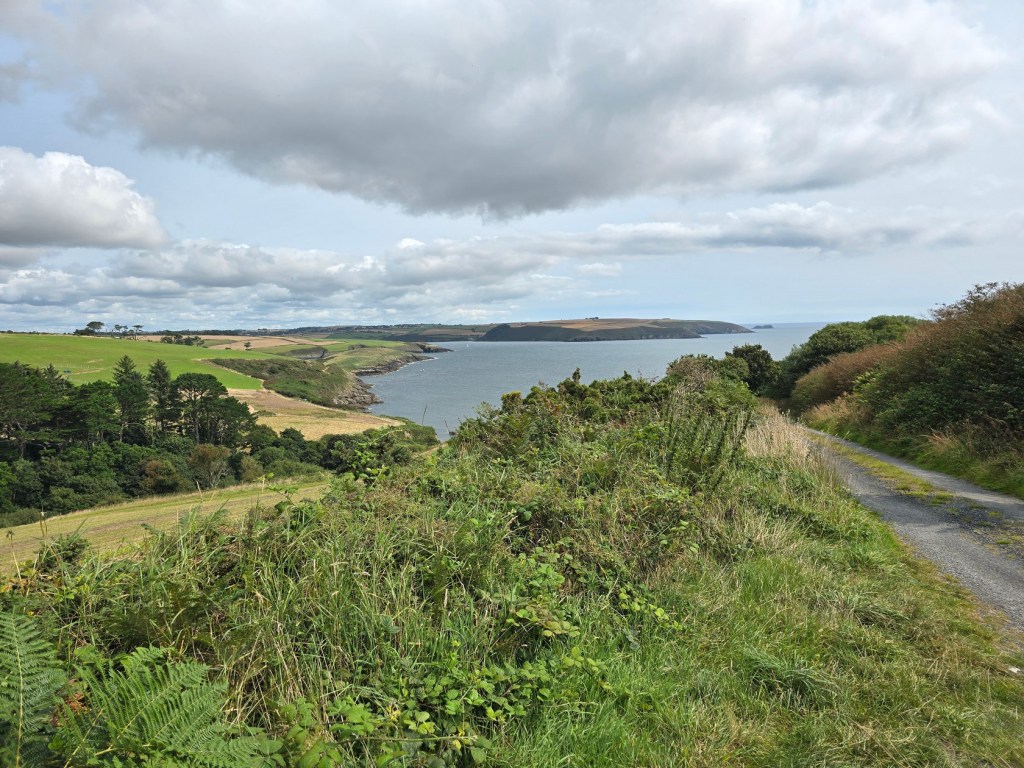
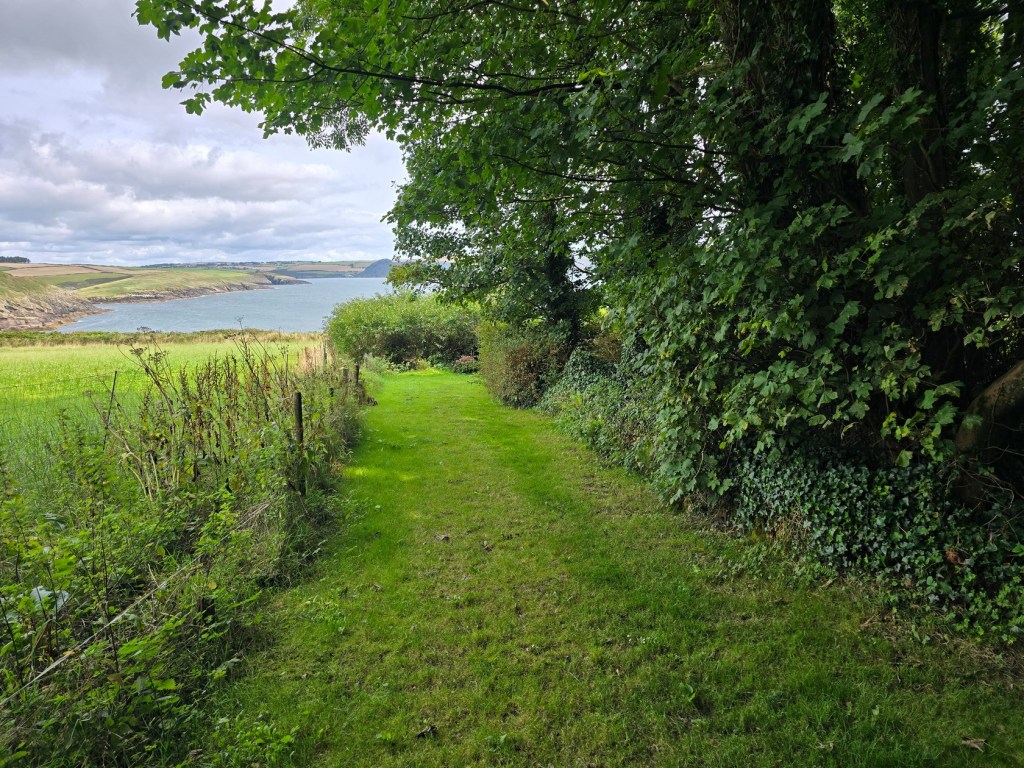
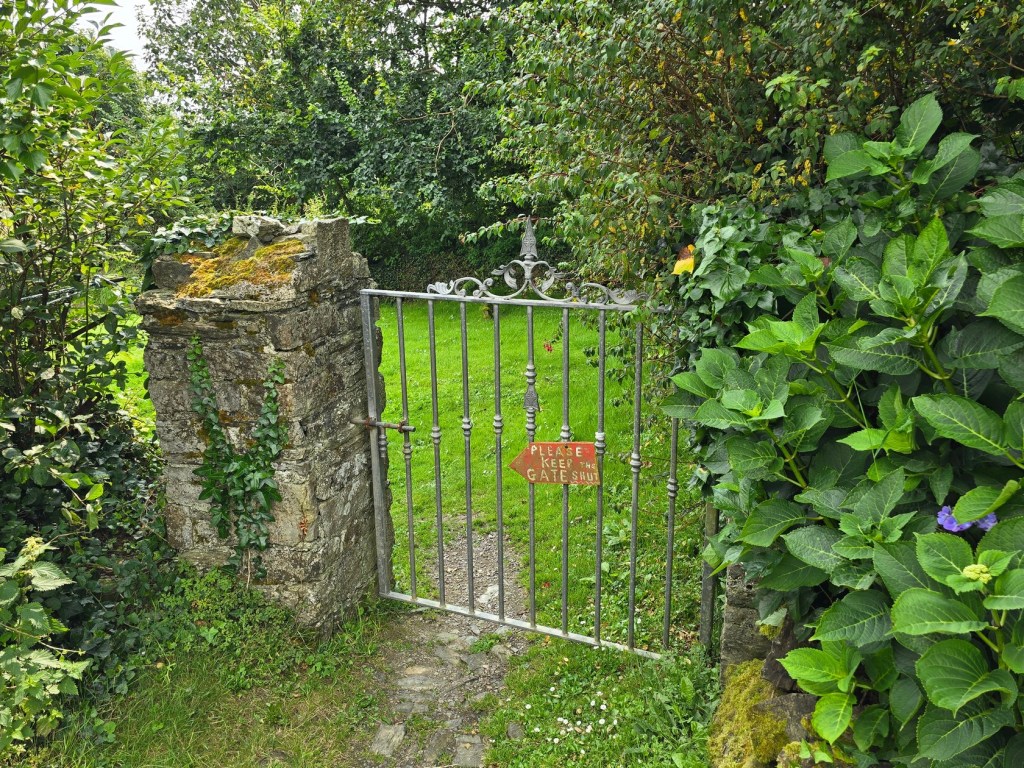
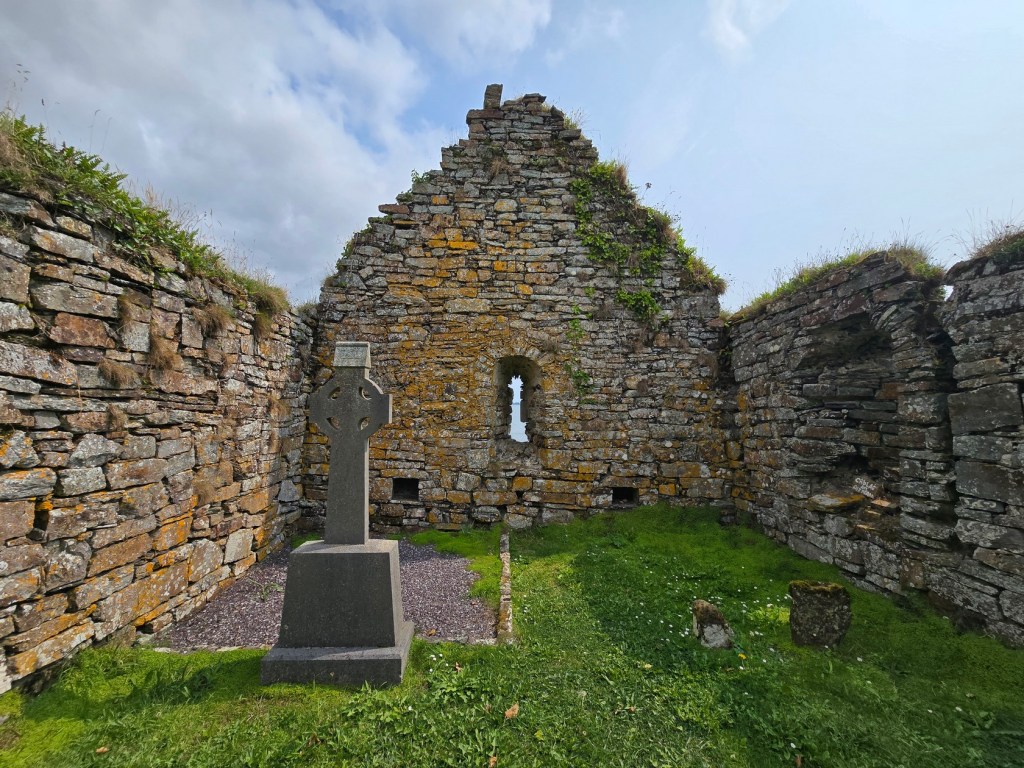
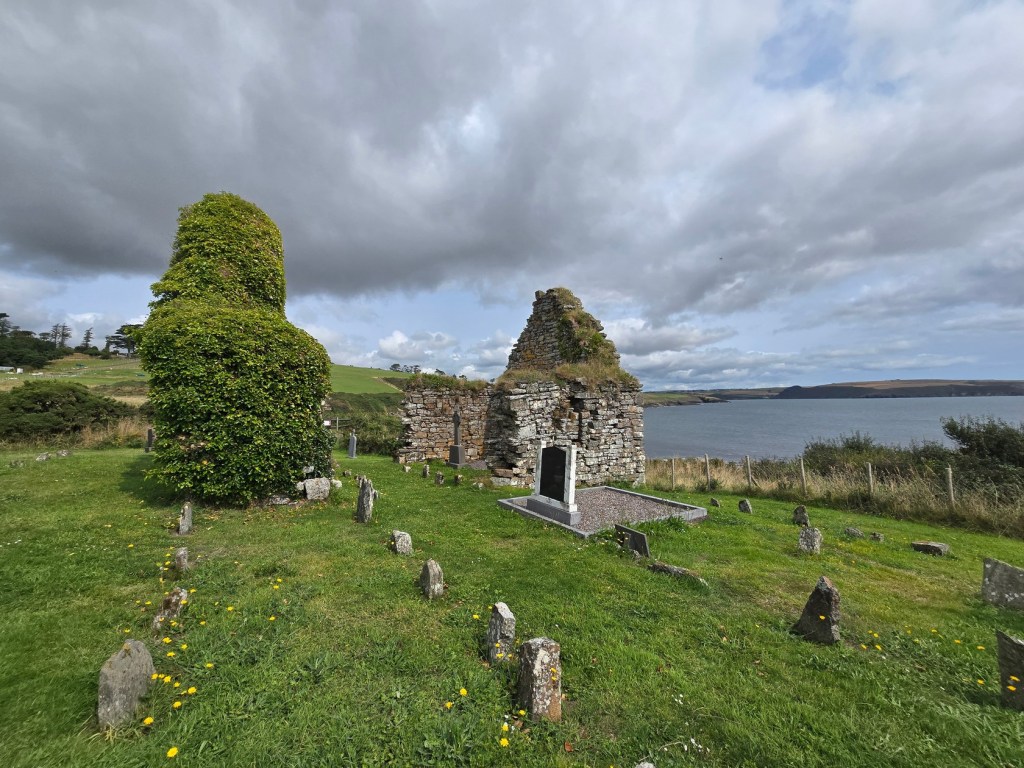
The abandoned village of Courtaparteen dates back to the 7th century. It’s hard to get much information about the place online, with some mention of it being a “famine village” while other sources saying it might have become abandoned because of the growing importance of nearby Kinsale and Cork.
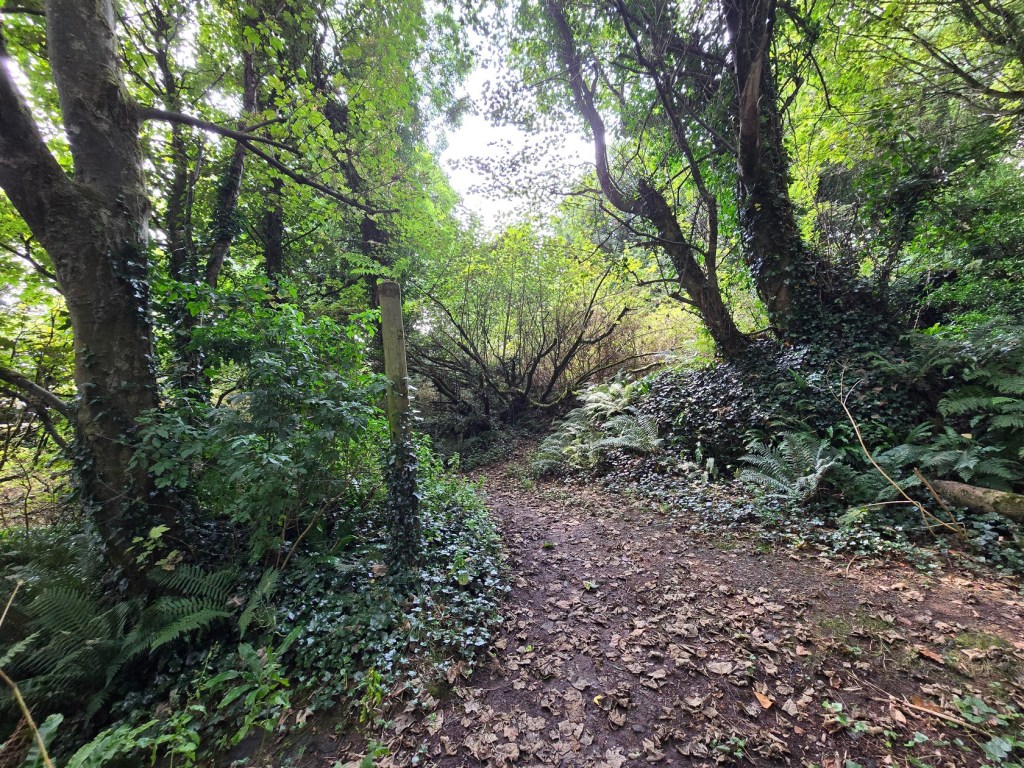
The way is overgrown if you venture from the main “road” (or path). Online there is mention of the ruins of nine houses hiding in the woods, but we only saw a few of them as we didn’t want to venture too far into underbrush. When the way became too rough we turned around and headed back.
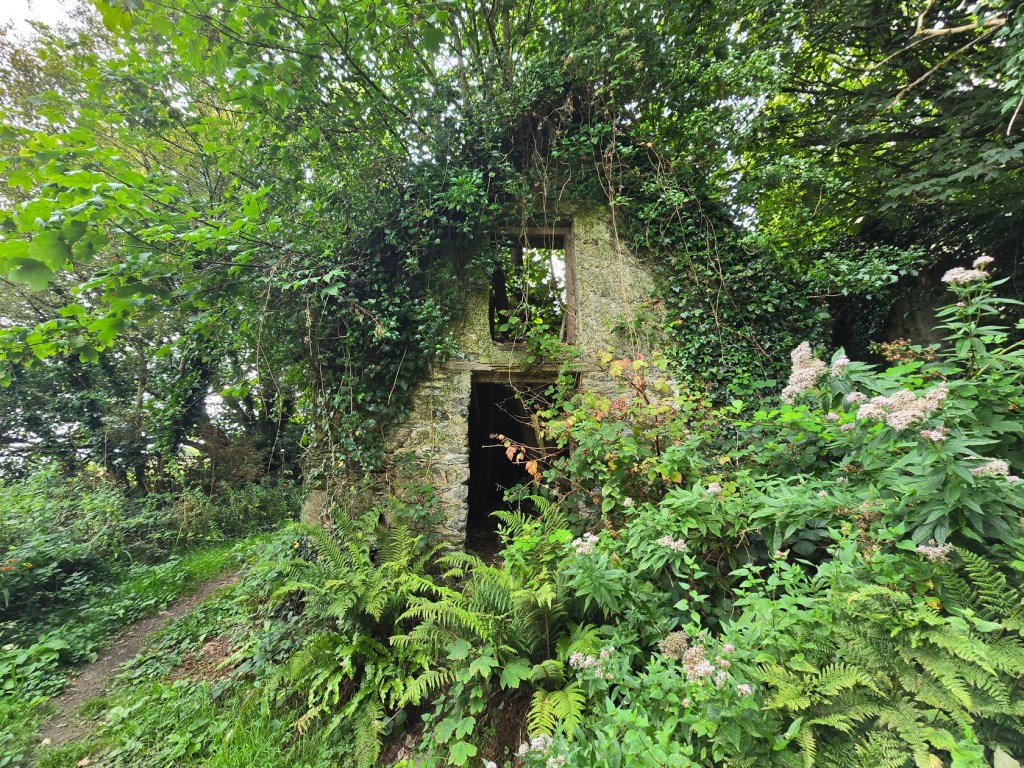

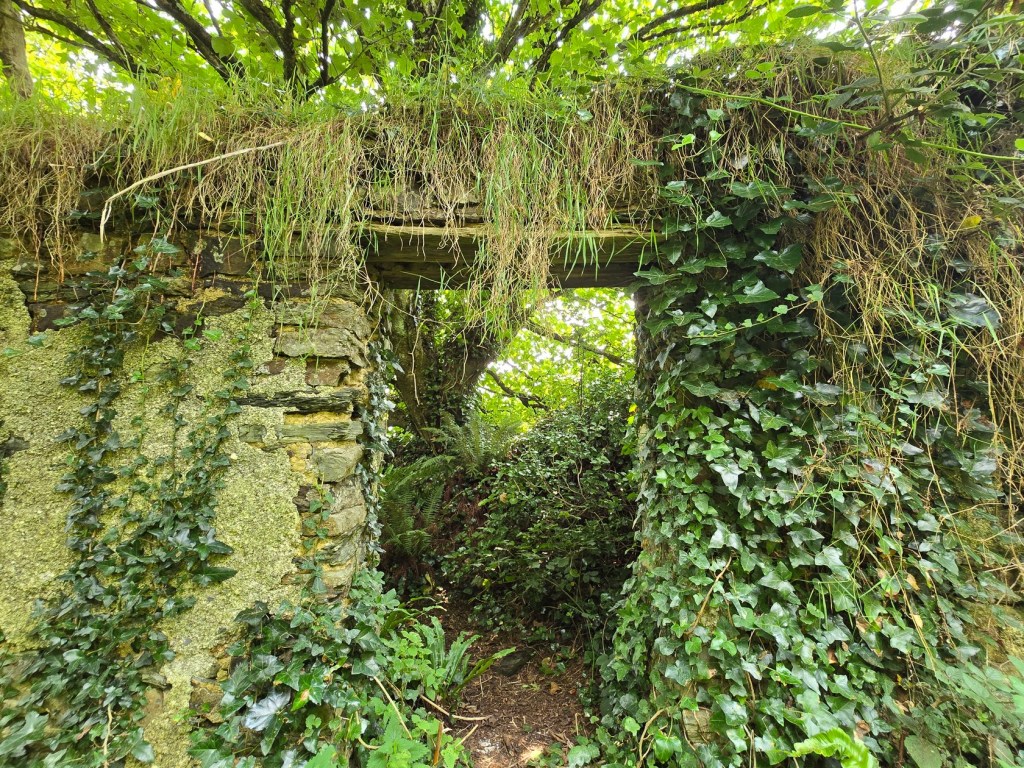
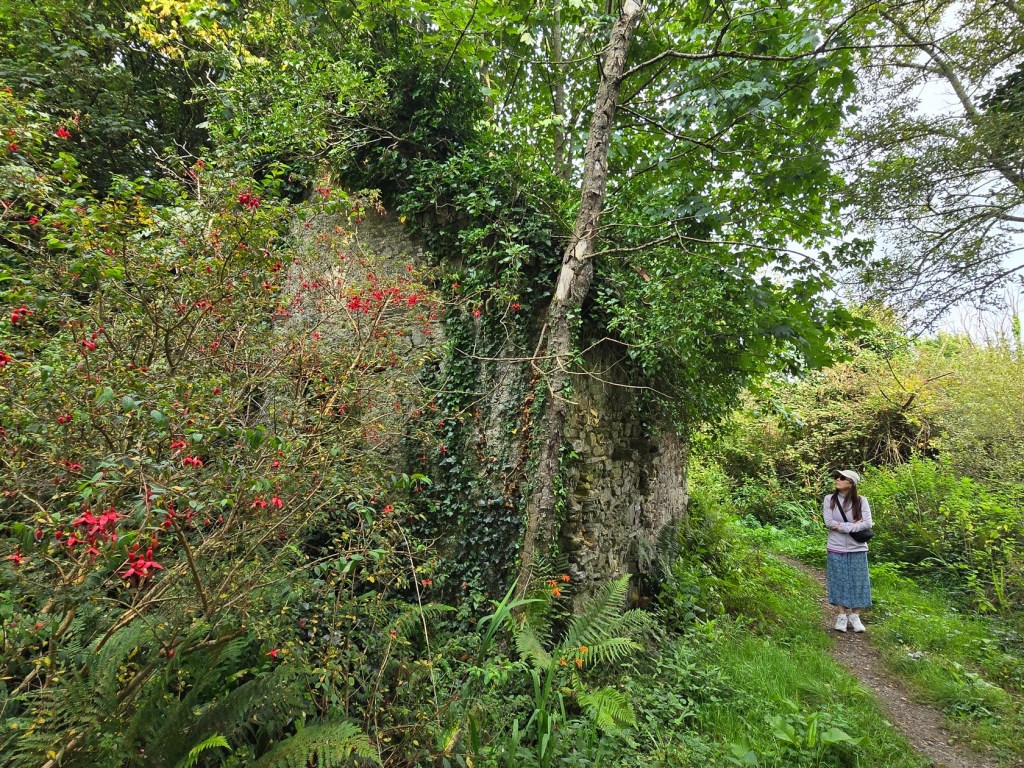
It was a bit of a lonely, creepy place but aside from the sound of insects it was very quiet. We only stayed a short time before heading back to the car.
2. Old Head Signal Tower & Lusitania Museum
From there we drove a short distance away to the Lusitania Museum, located at Old Head Signal Tower. The tower’s function was a station for passing urgent messages from neighbouring stations west and east or from ships at sea by line of sight to Dublin Castle. Before that it watched for threats from France during the Napoleonic Wars, though no threat ever appeared.
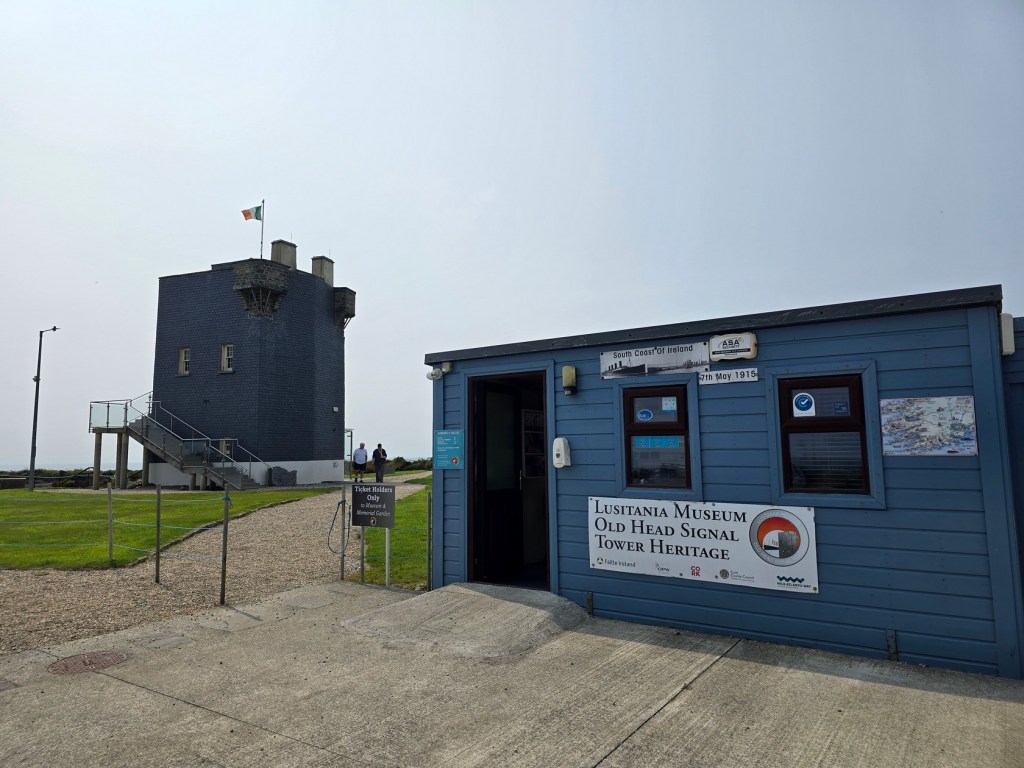
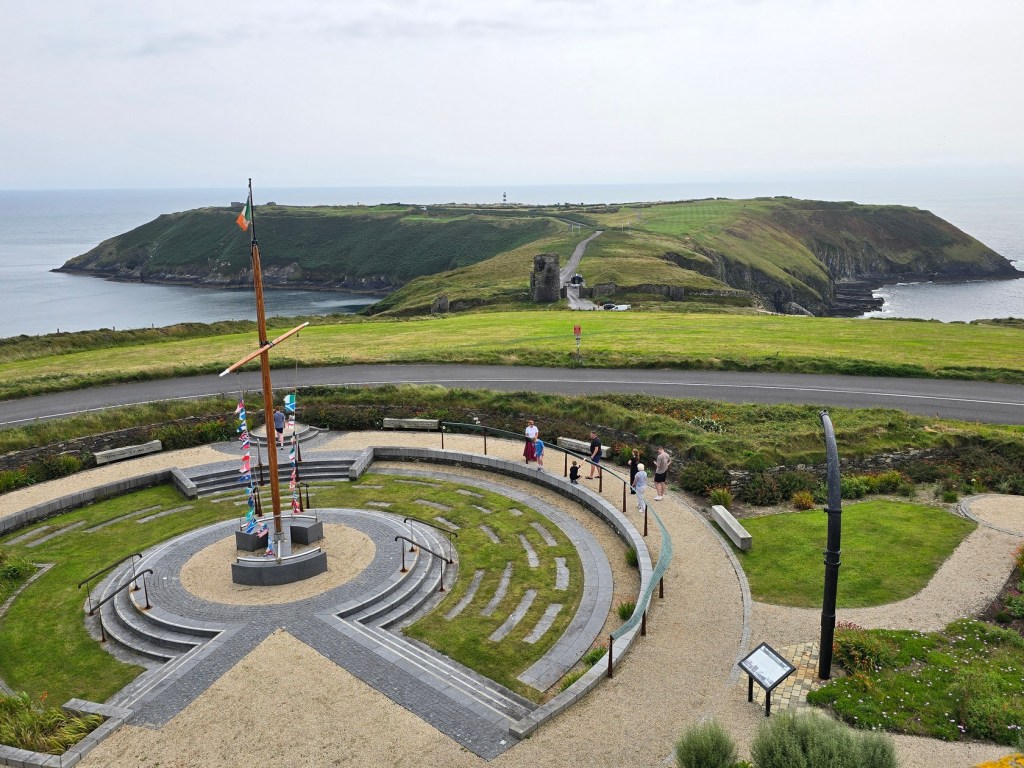
The Tower serves as a 360° panoramic viewing point with access to the roof platform. This allows for breathtaking land and sea vistas. There are a number of protected bird colonies on the cliffs that might be seen from this point, including puffins, guillemots, kittiwakes, peregrines and choughs.
The signal tower is a museum dedicated mostly to the sinking of the RMS Lusitania. The Lusitania was built by the Cunard line in an agreement with the British Admiralty. Construction of the hull of RMS Lusitania began in March 1905 and it was officially launched in June, 1906.
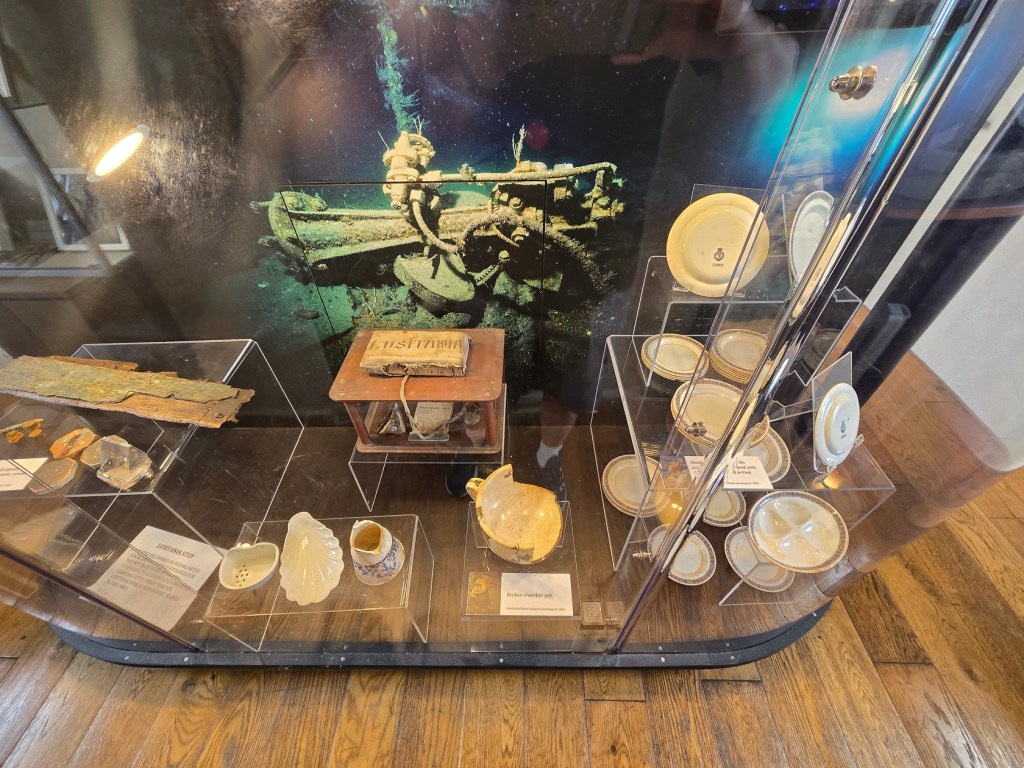
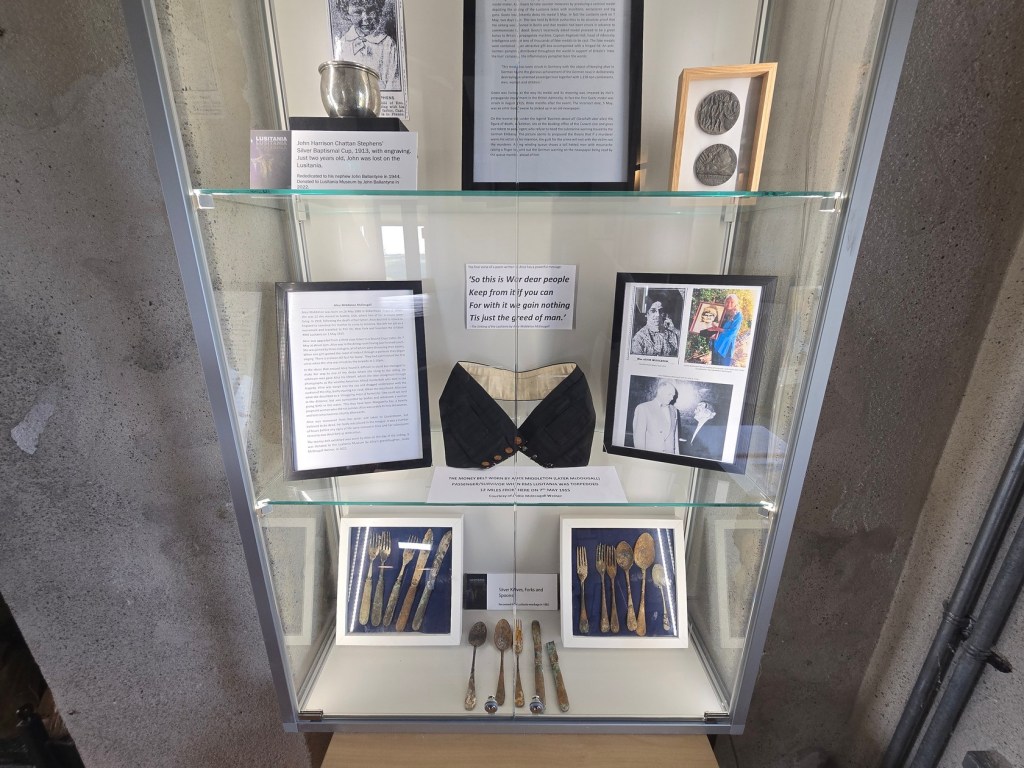
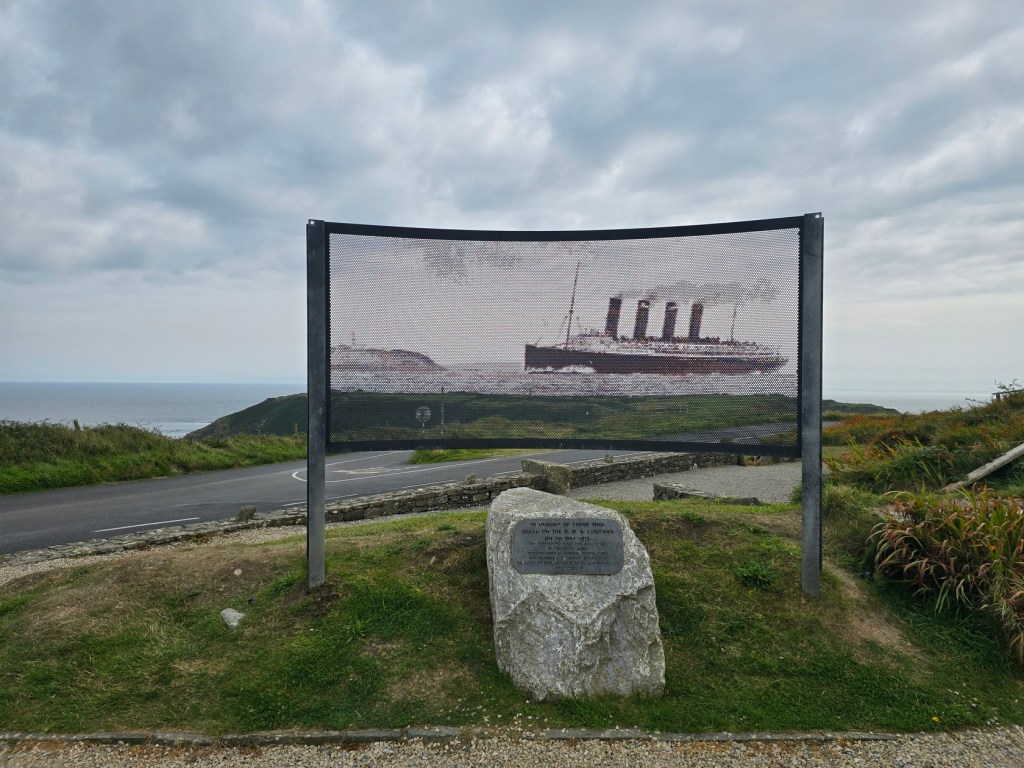
On May 7, 1915, just before 2.10 pm, the Lusitania was struck by a single torpedo fired by a German submarine. The explosion was closely followed by a second massive explosion which caused the bow of the ship to immediately list to starboard at an alarming rate. At that moment, the Lusitania was 22.5 km (14 mi) from the Old Head of Kinsale. The ship immediately turned towards land but didn’t get far before sinking just 18 minutes later.

The museum is compact but has quite a lot of objects crammed into the signal tower. There’s also a separate entrance to another section of the tower dedicated to the soldiers who were stationed there over the course of a few centuries.
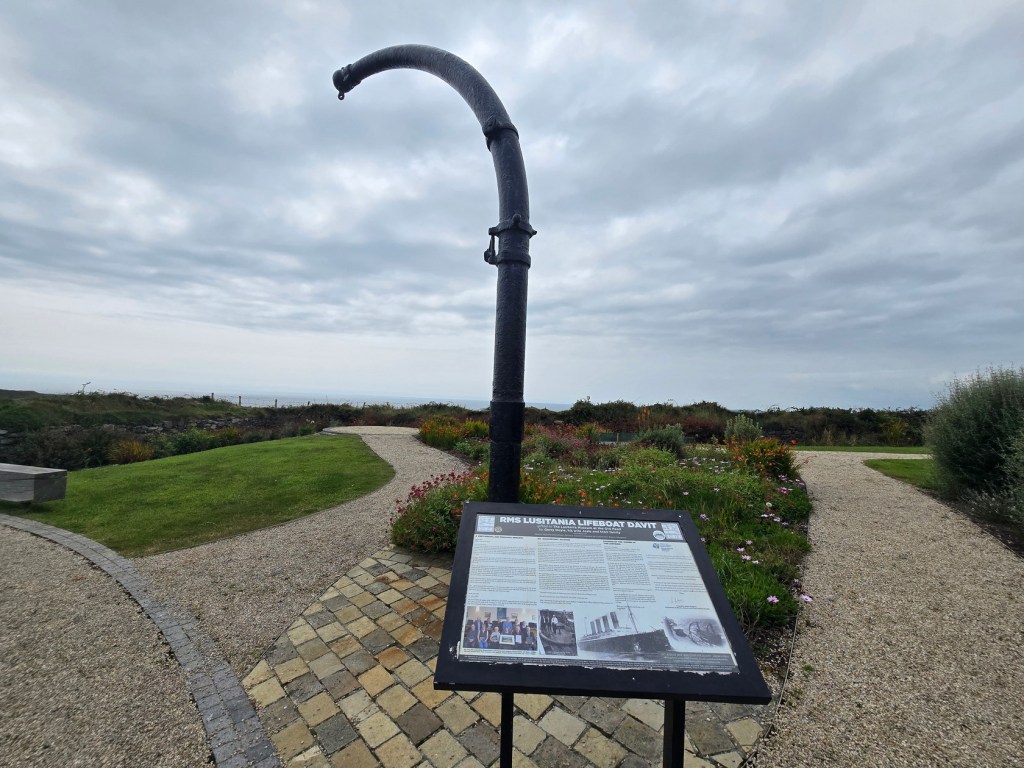
The largest item recovered from the site was a davit, which is a lifting device for lifeboats. It was installed outside the museum and visitors are able to get close to it and touch it, something intended by the museum director when it was installed.
In the distance at Old Head, Downmacpatrick Castle (Old Head Castle) can be seen. It is made up of a long wall with several towers along it, which closes off the headland of the Old Head from the rest of the mainland. It is reported to have been originally built around the 3rd century AD by the Irish chieftain Cearmna.
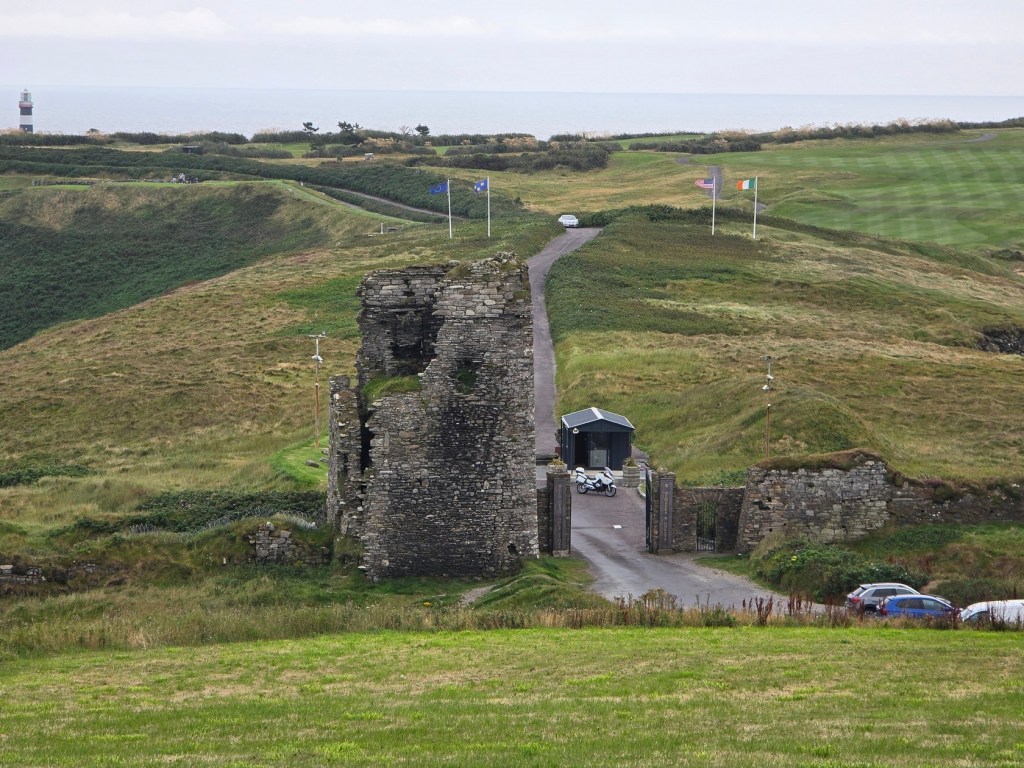
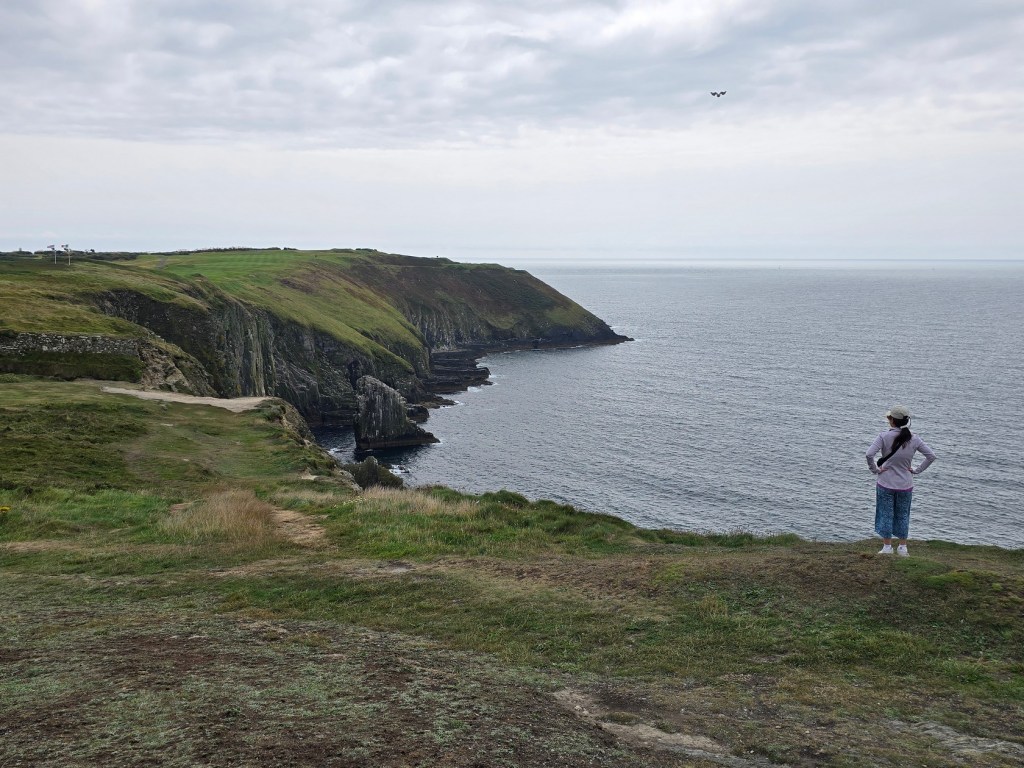
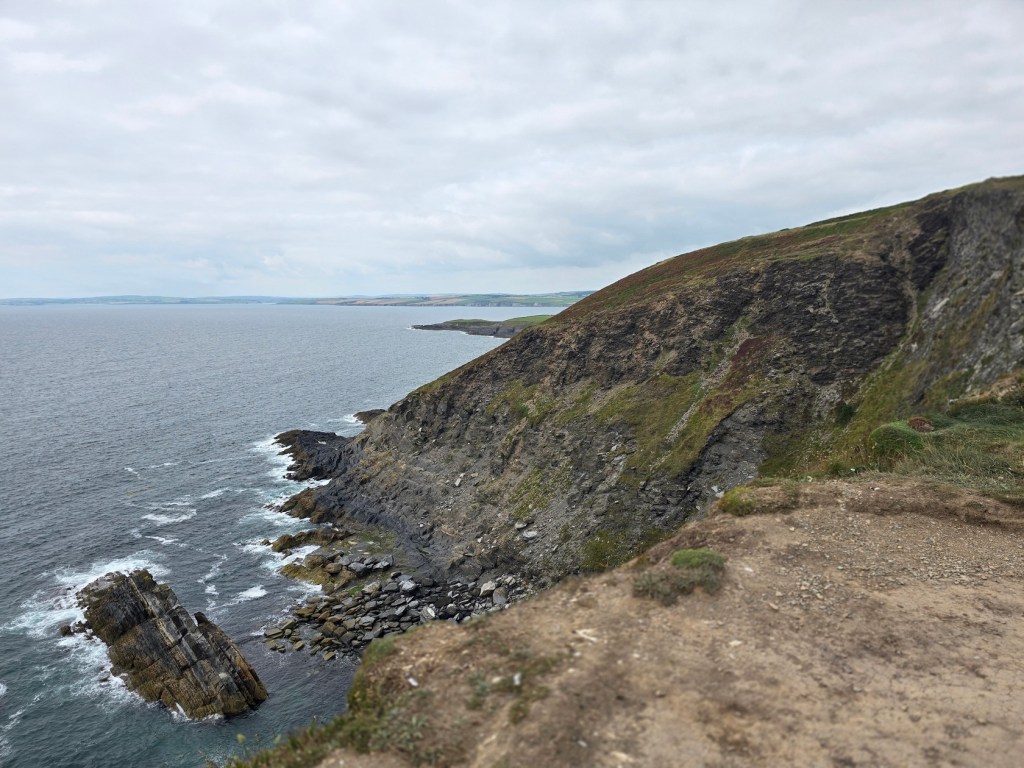
Unfortunately, Old Head is a private golf course and the public is not allowed to enter. This is a shame, as it’s an excellent location and the views from Old Head must be spectacular. Instead, we were able to get close to the cliffs and view the birds landing along the jagged coastline.
3. Charles Fort
After spending an hour at Old Head, we headed back towards the town of Kinsale. We drove to the Charles Fort, one of the best preserved fortifications in Ireland. The Fort is located near the mouth of Kinsale Harbour in the south

On the way in we stopped at a fish and chips stand to purchase a bite to eat. Other trucks had coffee and a few other choices available. We always welcome a place for a quick and cheap bite to eat!
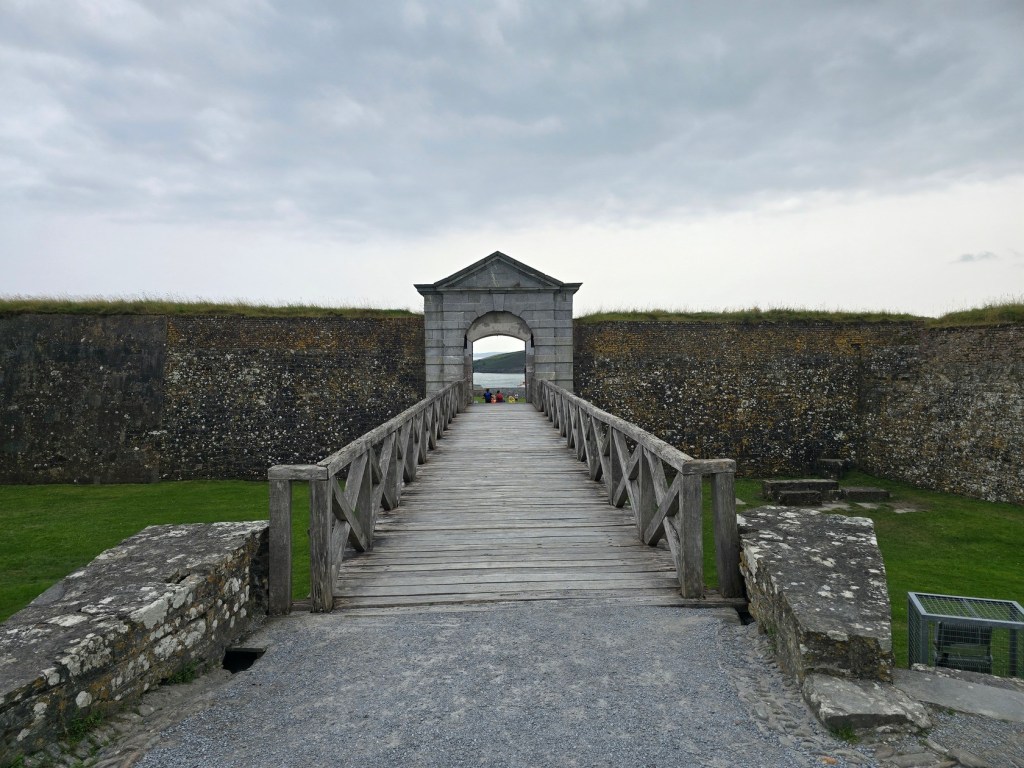
Admission to the Charles Fort is €5.00 for adults, €4.00 for seniors, €3.00 for children and €13.00 for families. But we used our Heritage Pass once again!
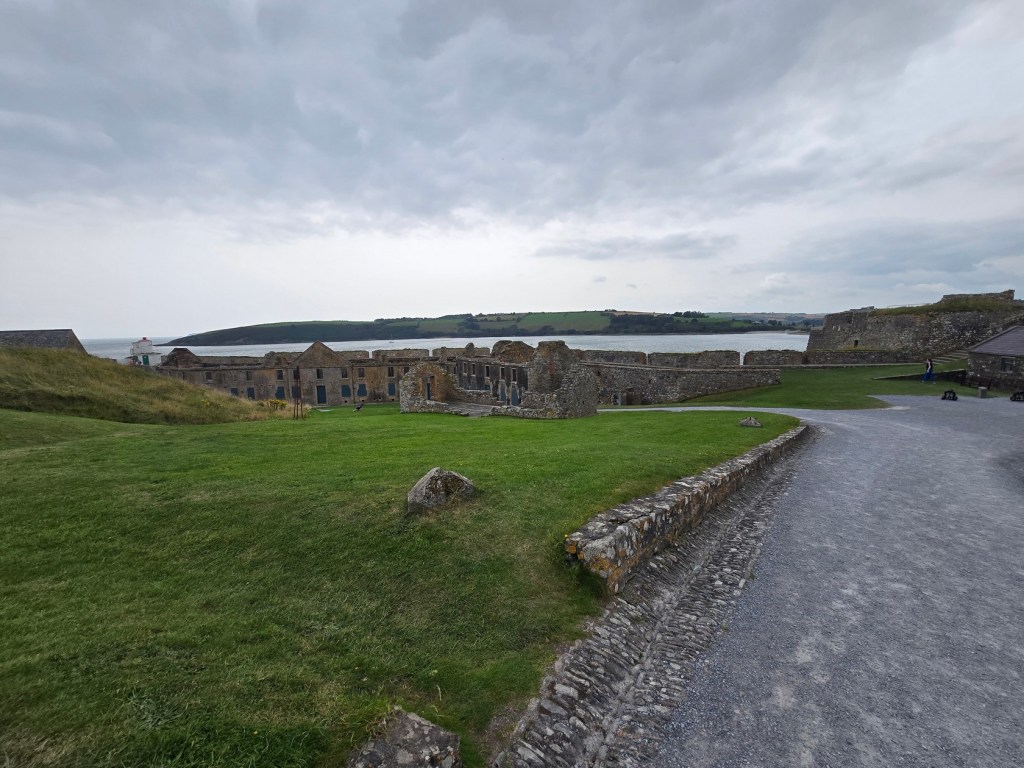
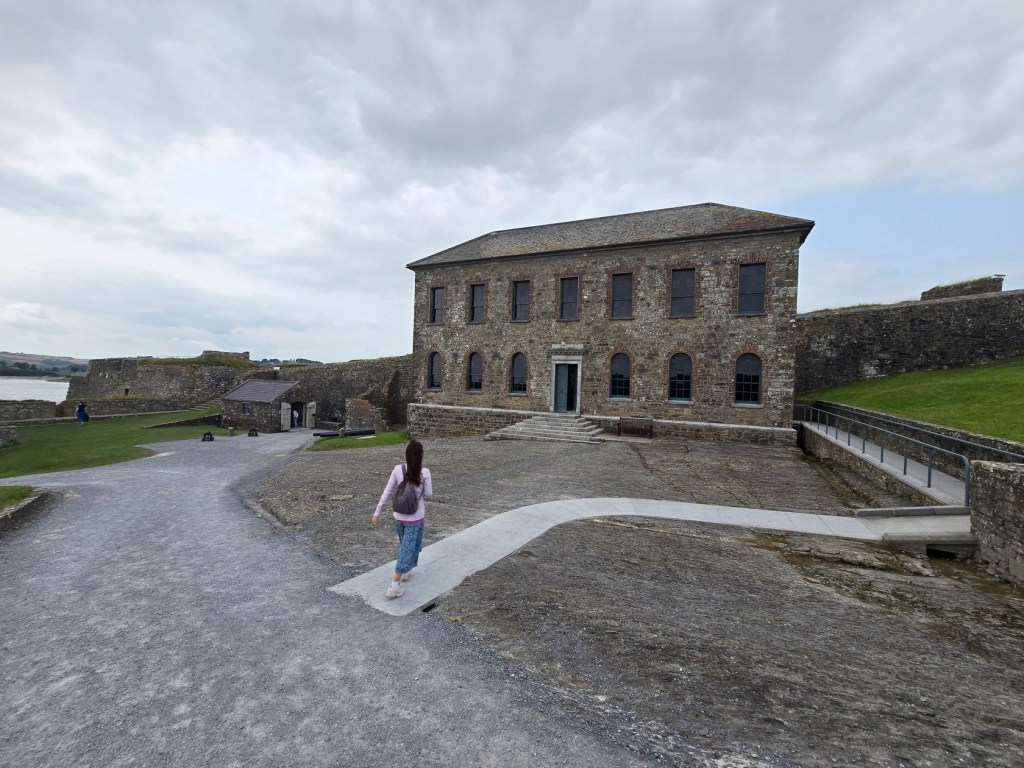
The well-preserved Charles Fort is a massive star-shaped structure from the late seventeenth century. William Robinson, architect of the Royal Hospital in Kilmainham, Dublin, is credited with designing it. We were truly impressed by its size and strength. For examples, some the outer defences are 16m (52ft) high. It reminded me of a larger version of other star-shaped (bastion) forts we’ve visited such as the Citadel in Quebec or Fort George in Halifax, Nova Scotia.
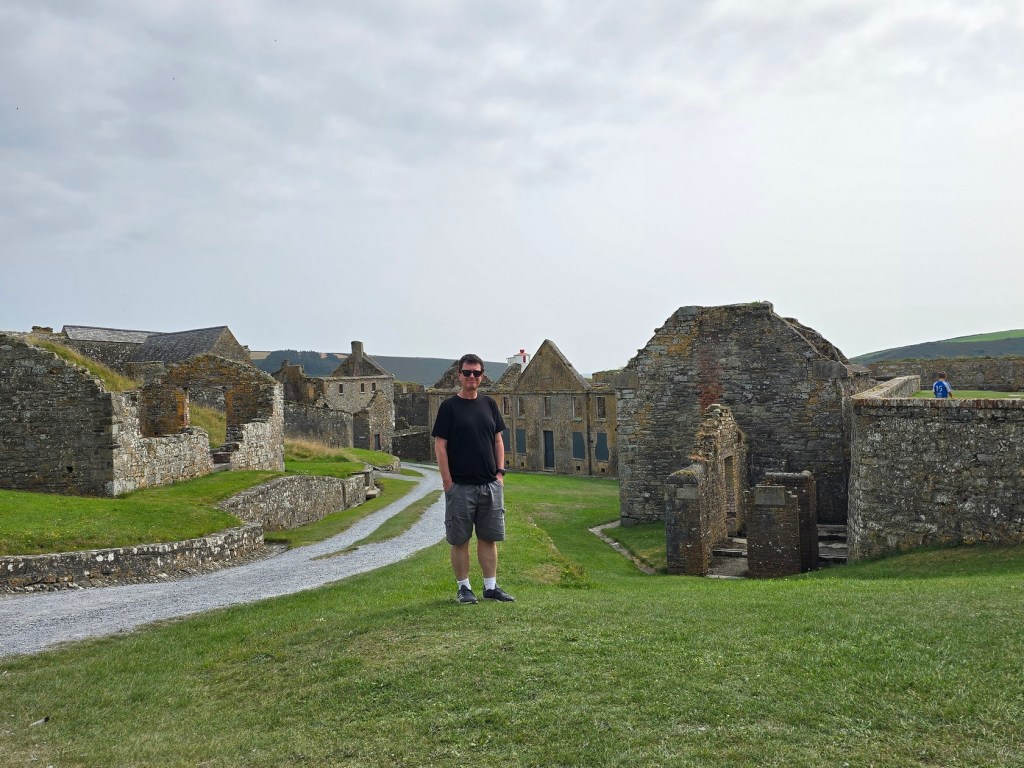
The Charles Fort has been part of some of the most significant events of Irish history. For example, it fell during the Williamite Wars of the late 1600s, and was also burned out by anti-treaty forces during the Civil War of the early 1920s.
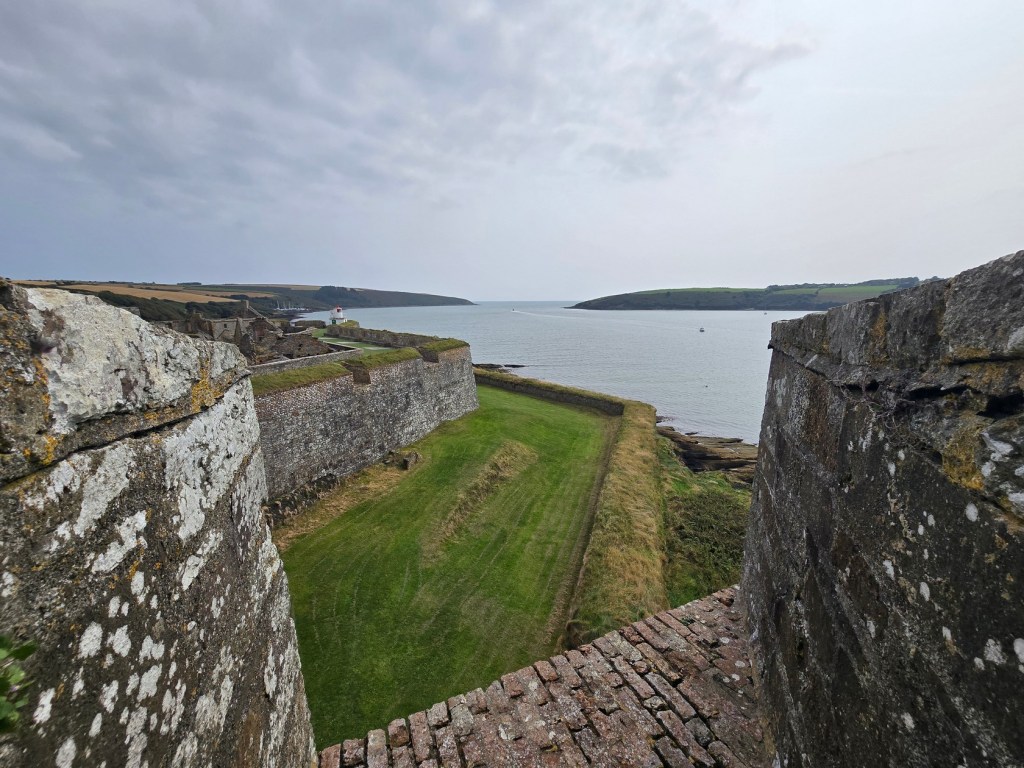
There is a legend of a ghost who haunts the ramparts of the fort. She is the White Lady of Charles Fort, who is said to have hurled herself from the parapets on her wedding night after her new husband, Sir Trevor Ashurst, was shot dead as a consequence for falling asleep at his watch post.
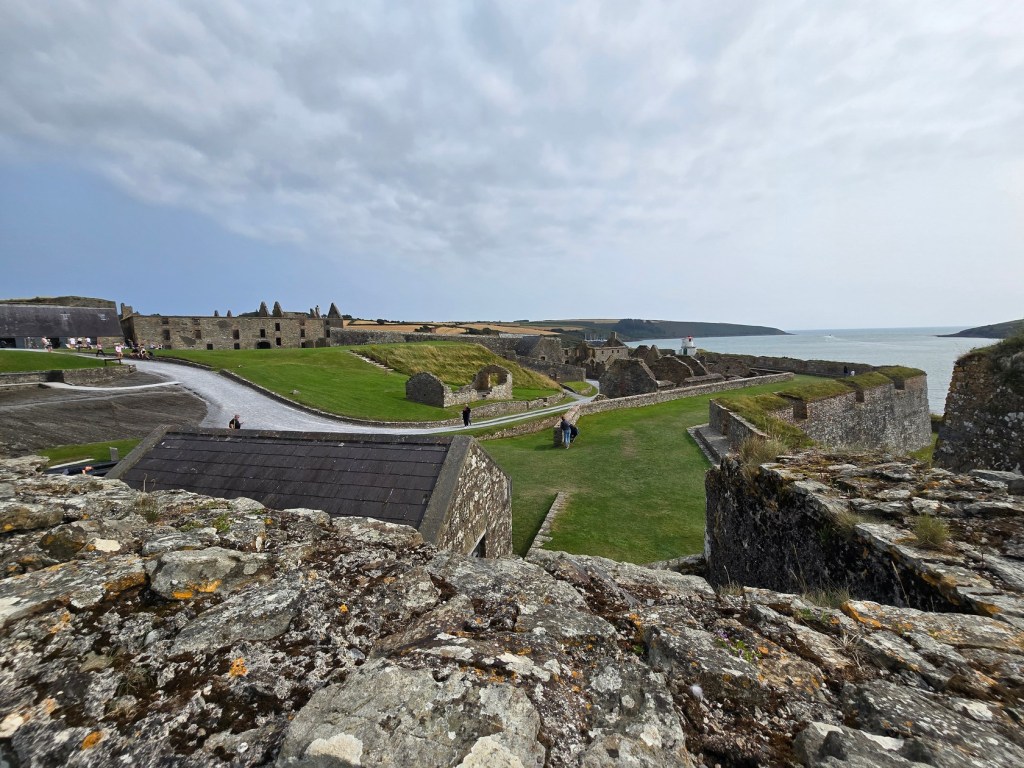
The White Lady is supposed to walk the battlements of Charles Fort with the train of her ghostly wedding dress floating behind her. On this bright, summer day we had no luck seeing her.
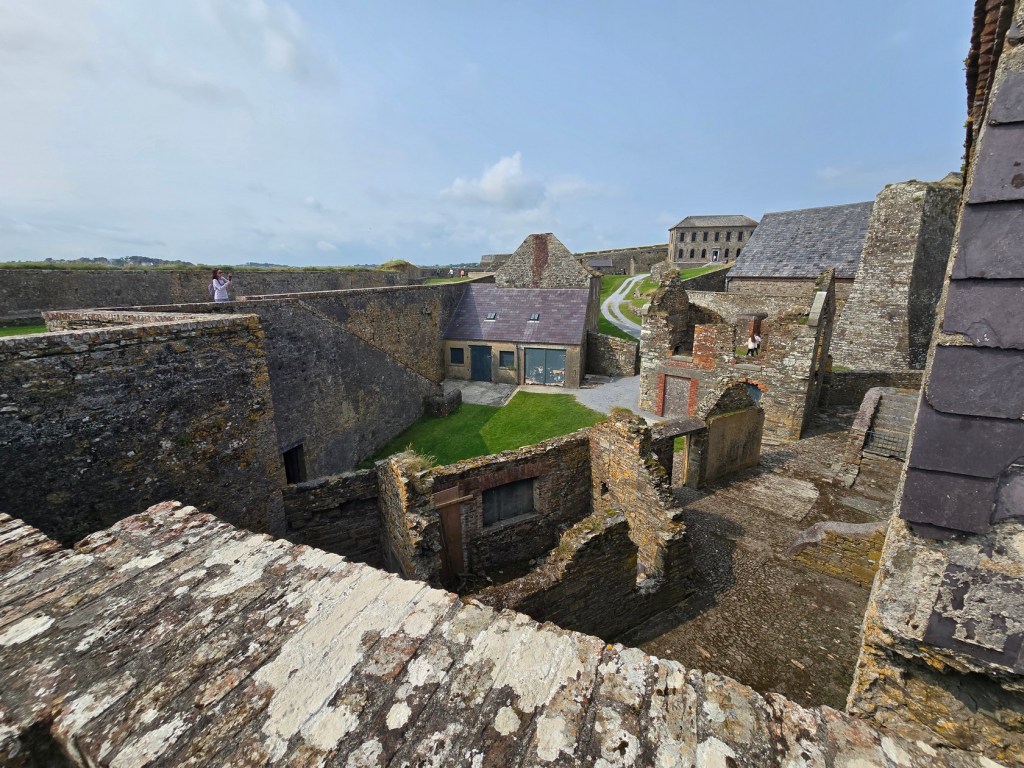
The fort remained in use as a British Army barracks for two hundred years before being relinquished by British forces following the Anglo-Irish Treaty of 1921.

It took us awhile to walk around the fort, and it was worth the time spent there. Across the harbour is the older and smaller James Fort. Unfortunately we didn’t have time to visit it.

4. Kinsale
Aside from checking out the fort, we also visited the town of Kinsale while we were there. Kinsale meaning ‘head of the brine‘ is a historic port and fishing town in County Cork. It sits at the mouth of the River Bandon and has a population of 5,991 (as of 2022) but it increases in the summer when tourism peaks.

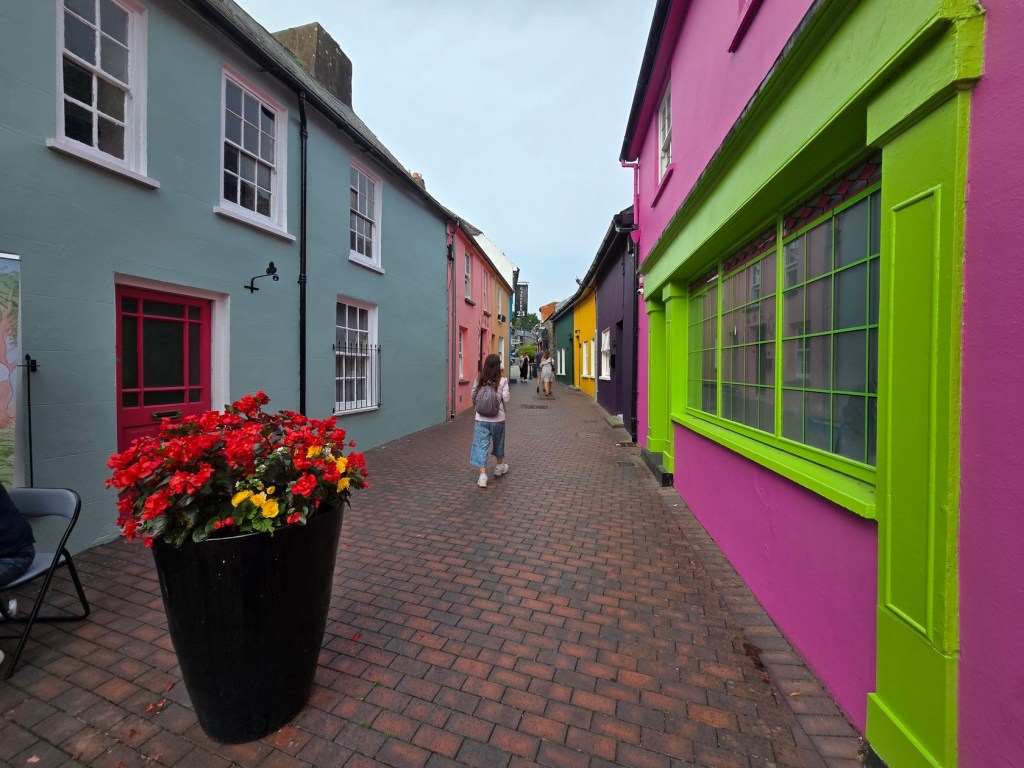

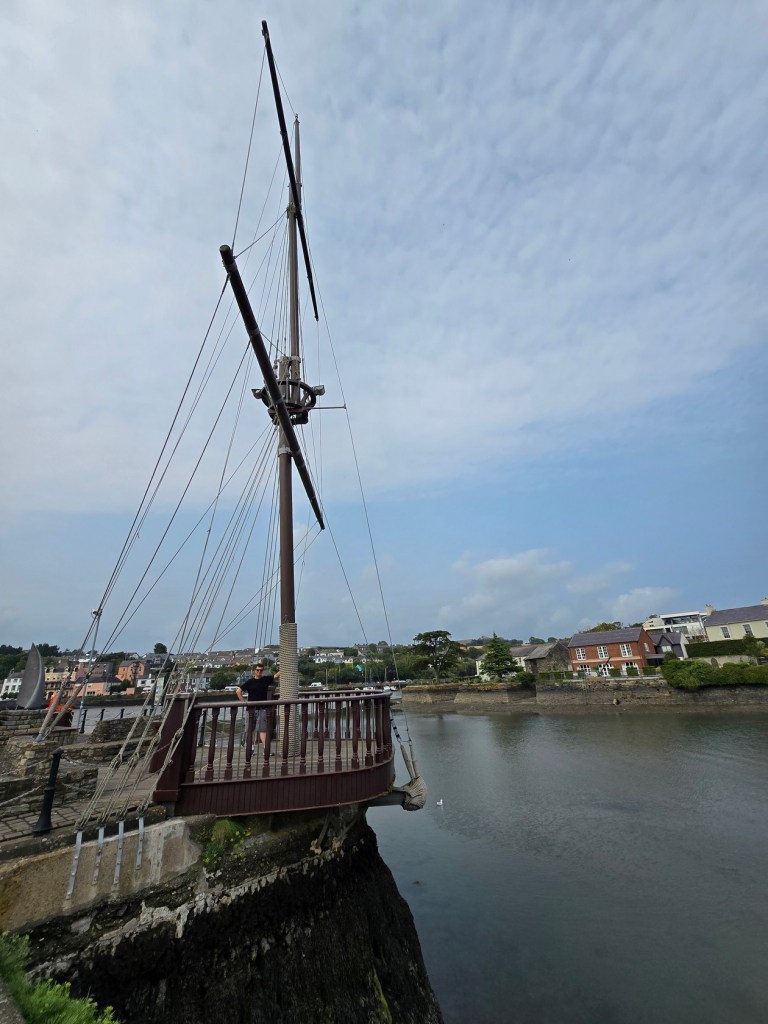
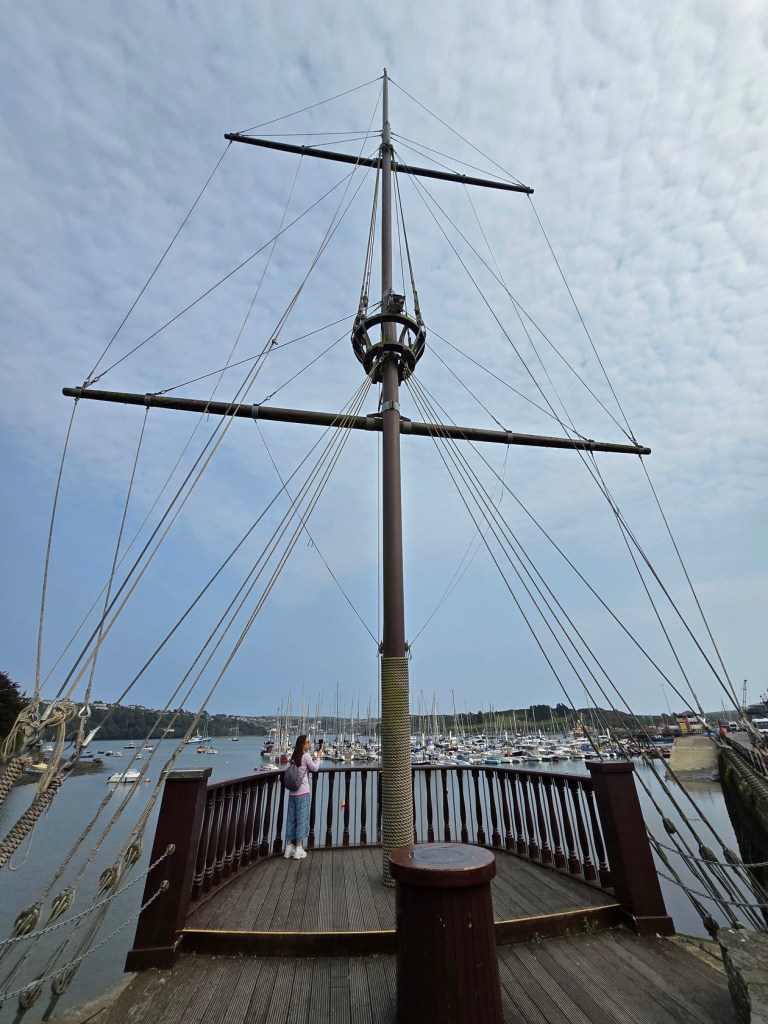
The historic part of the town is compact, and you can wander around it within an hour. After wandering around the old part of town we headed over to the harbour, where there is a replica of a mast from a Spanish Galleon. It was erected to commemorate an attempt by Spain in 1601 to drop off arms and ammunition in Ireland to be used against England. The reason was because England was an ally of the Netherlands, a nation actively fighting Spain at the time.
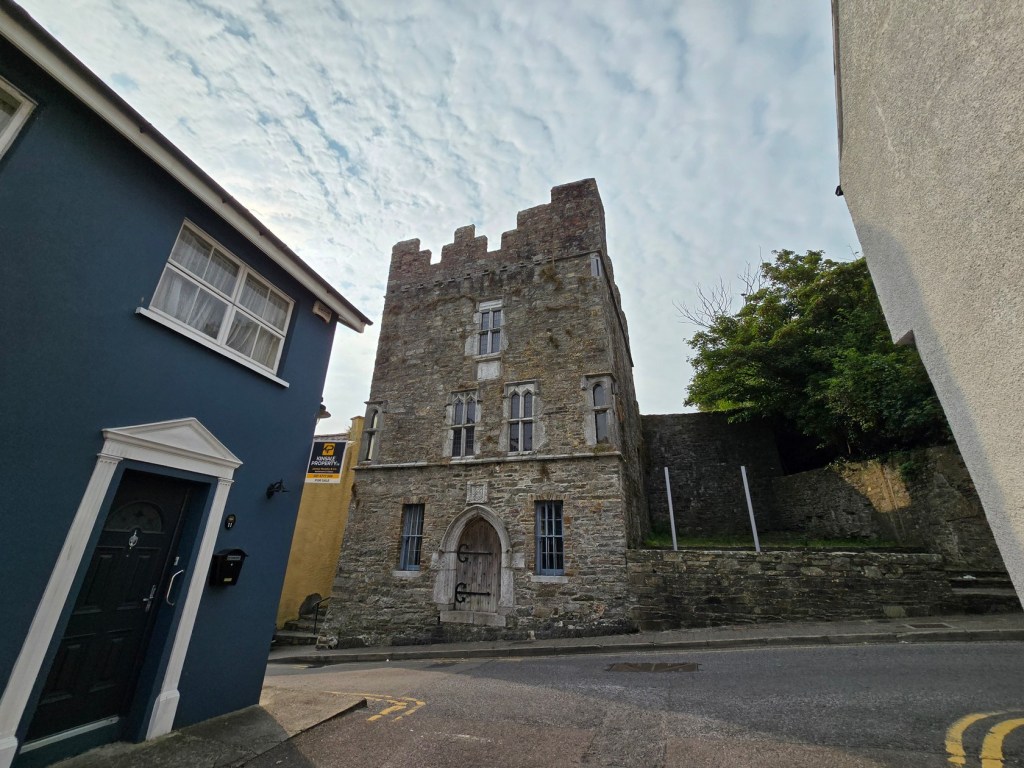
Another site in Kinsale is Desmond Castle. This is a small castle that dates from around 1500. It is a tower house consisting of a three-storey keep with storehouses at the rear of the property.
It was originally built as the customs house for the town. Later, Desmond Castle served as a prison in the seventeenth and eighteenth centuries. Because it usually held French inmates, as well as Spaniards, Portuguese, Dutch and Americans, it became known locally as the French Prison. It also served as a storehouse for explosives during the Battle for Kinsale in 1601. Unfortunately, it is closed to the public right now.
We enjoyed our brief time in Kinsale. It’s a lovely city with a lot of energy in the summertime. From here we would start making our way north along the coast as our next destination was County Kerry.
 Humphreys Travel