
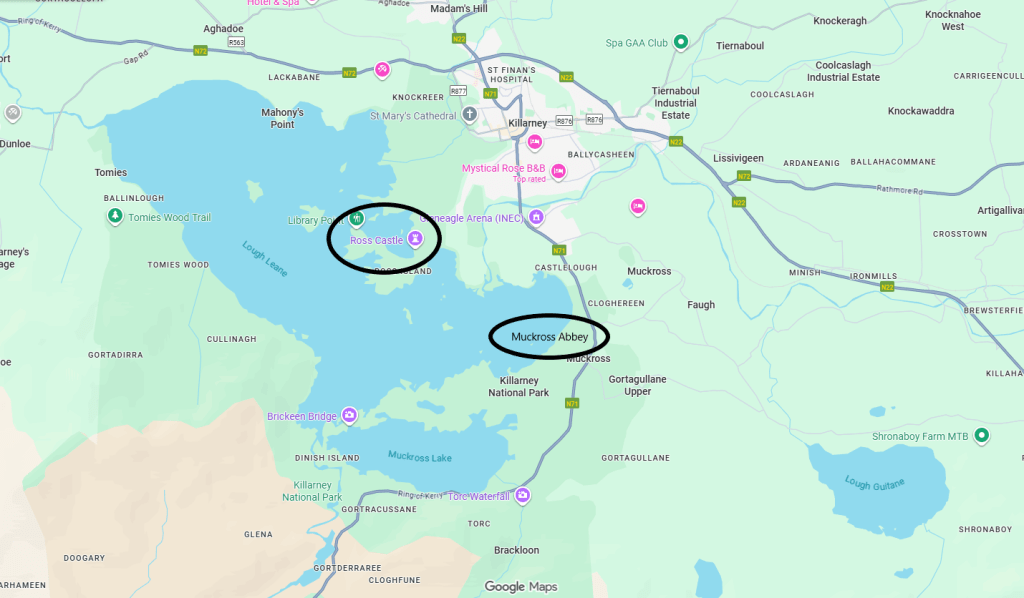
After leaving Kinsale we drove northwest towards Kenmare and the Ring of Kerry. With so much to see we decided to visit Ross Castle and Muckross Abbey on the way to our B&B just outside Kenmare. Then we would do the Ring of Kerry the next day.
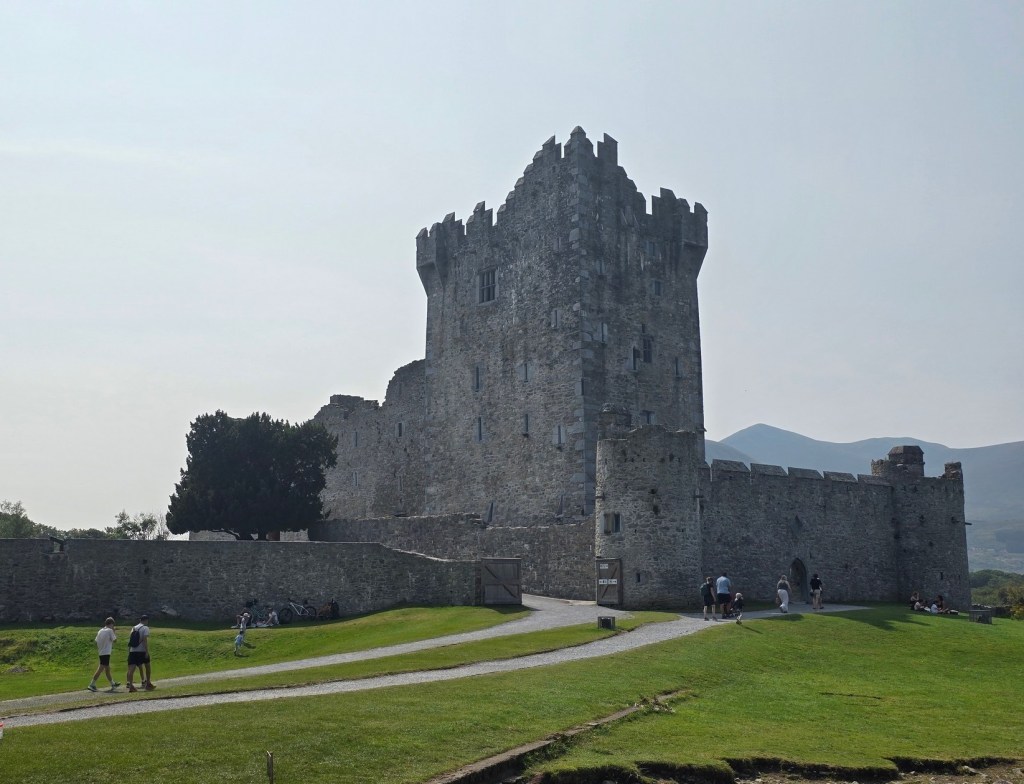
We reached Ross Castle by mid-afternoon. It was busy and parking was limited but fortunately there was overflow parking available. Unfortunately, when we went inside there was a long wait for the next tour. We also wanted to visited Muckross Abbey that afternoon so we decided to just check out the exterior of Ross Castle as it was free to explore without a tour.
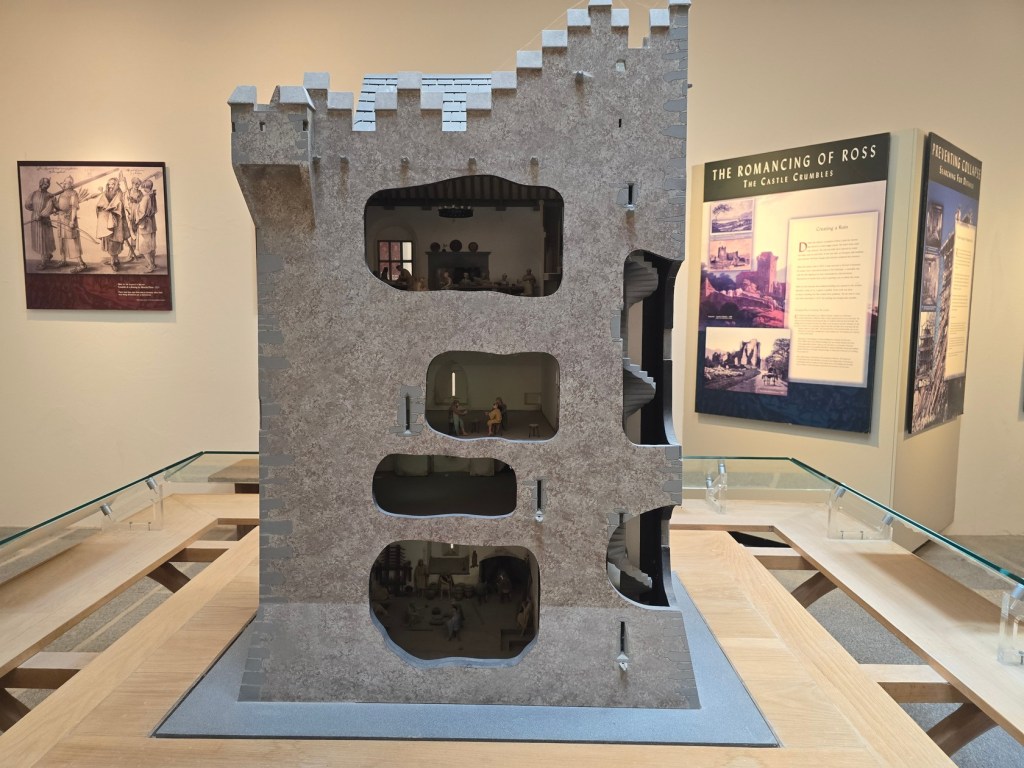
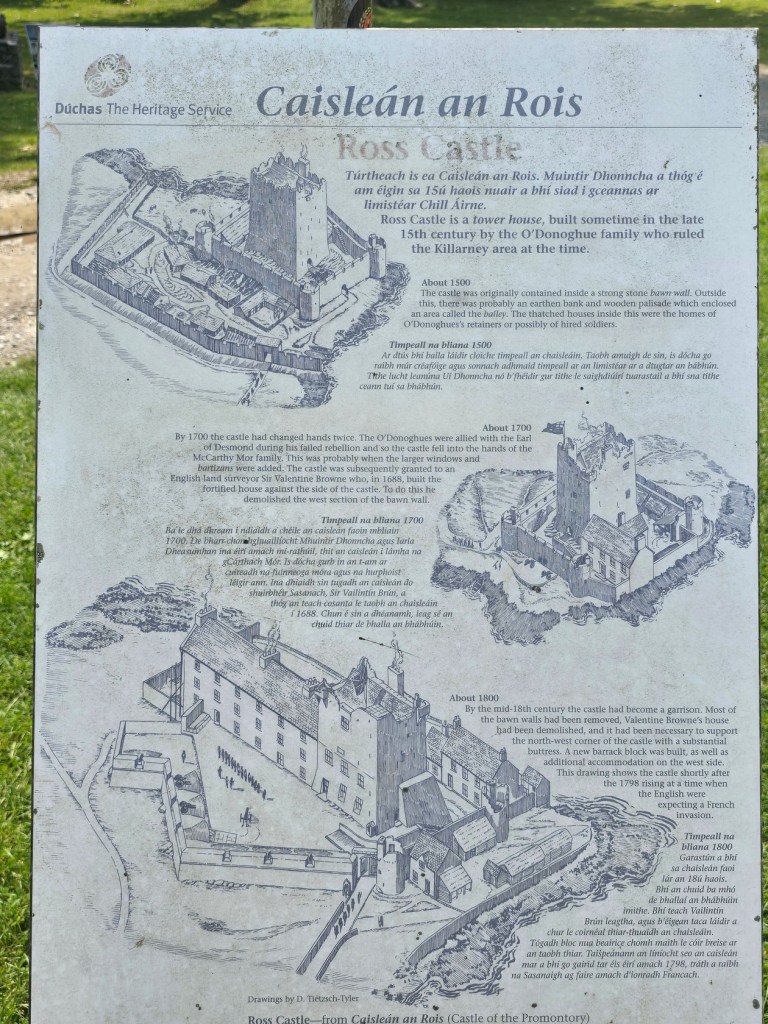
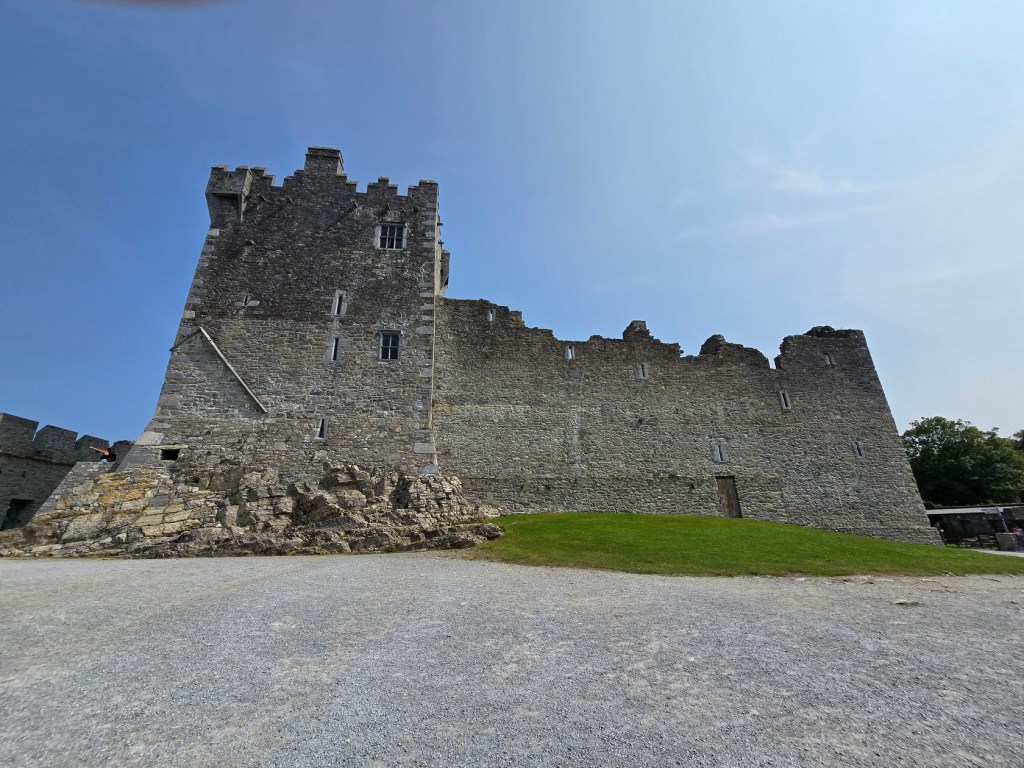
The castle is a tower house, a common type of fortified residence used by Irish nobles during the Middle Ages. It rises four storeys high and was designed to be defensible, with thick stone walls, narrow windows, and battlements at the top.
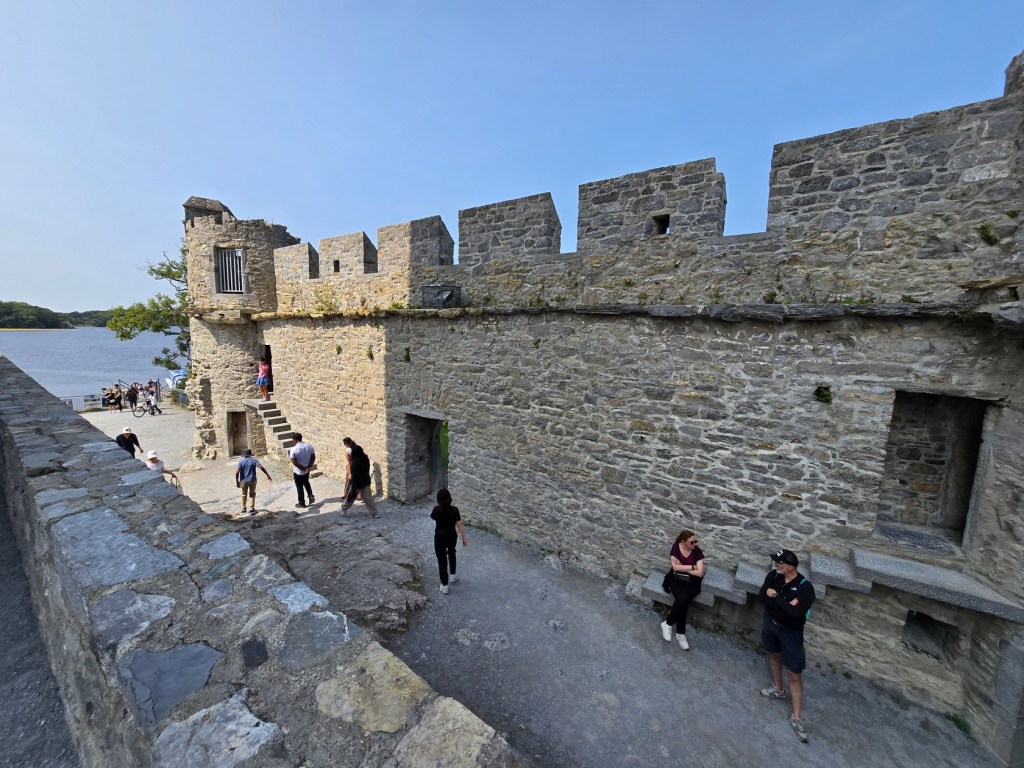
Ross Castle is a late medieval Irish stronghold that reflects the power of the MacCarthy Mór dynasty and Ireland’s shift from Gaelic rule to English control. Its strategic location, strong defensive design, and dramatic fall during the Cromwellian invasion make it one of Ireland’s most historically significant castles.
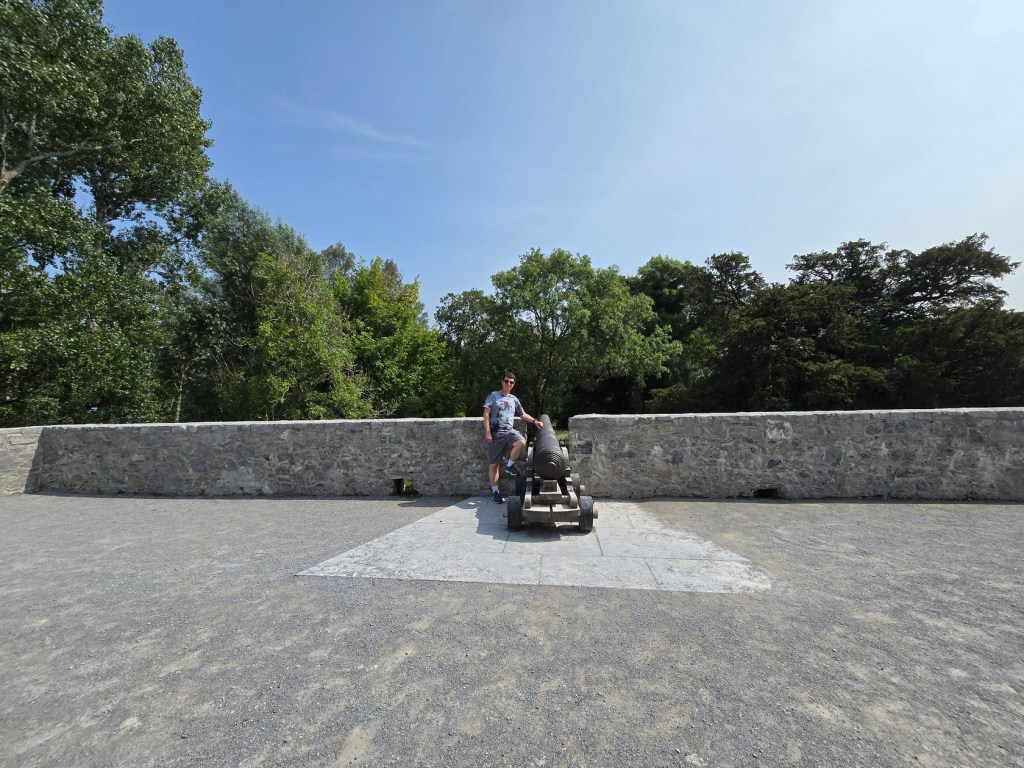
Ross Castle is a late medieval Irish stronghold that reflects the power of the MacCarthy Mór dynasty and the wider story of Ireland’s shift from Gaelic rule to English control. Its strategic location, strong defensive design, and dramatic fall during the Cromwellian invasion make it one of Ireland’s most historically significant castles.
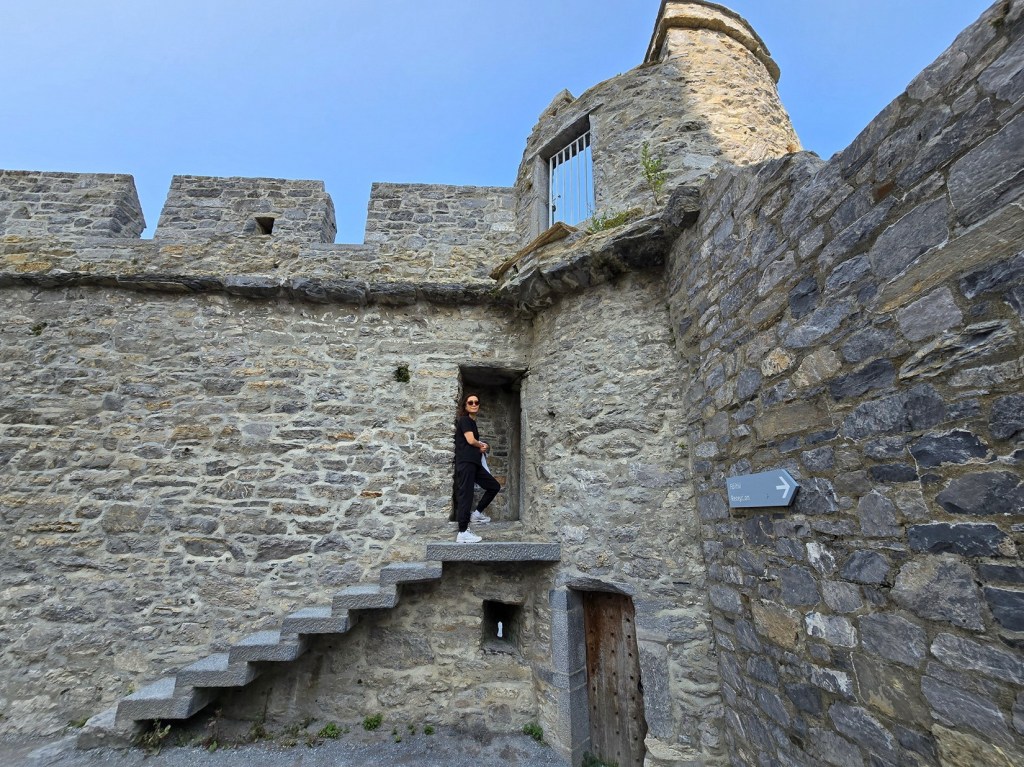
Ross Castle is especially famous for its role in the Cromwellian conquest of Ireland in the 1650s. According to legend, the castle could never be taken unless attacked from the water. In 1652, English Parliamentarian forces proved this true by bringing boats and artillery onto Lough Leane, launching an attack from the lake. After this assault, Ross Castle surrendered, making it one of the last strongholds in Munster to fall to Cromwell’s forces.
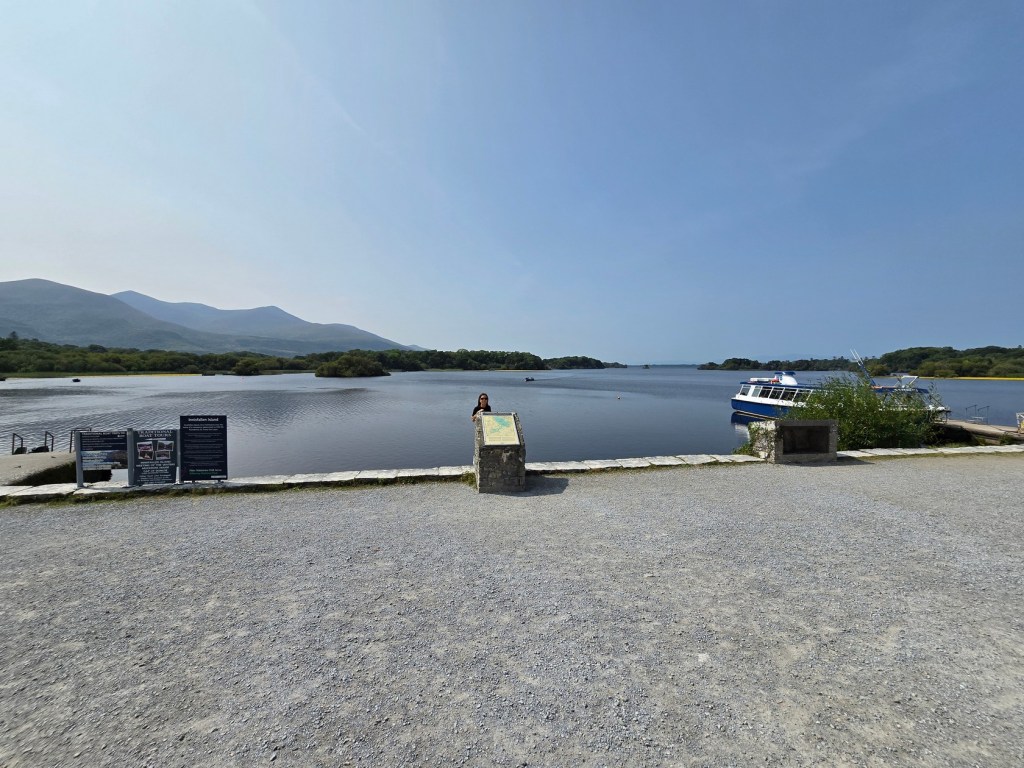
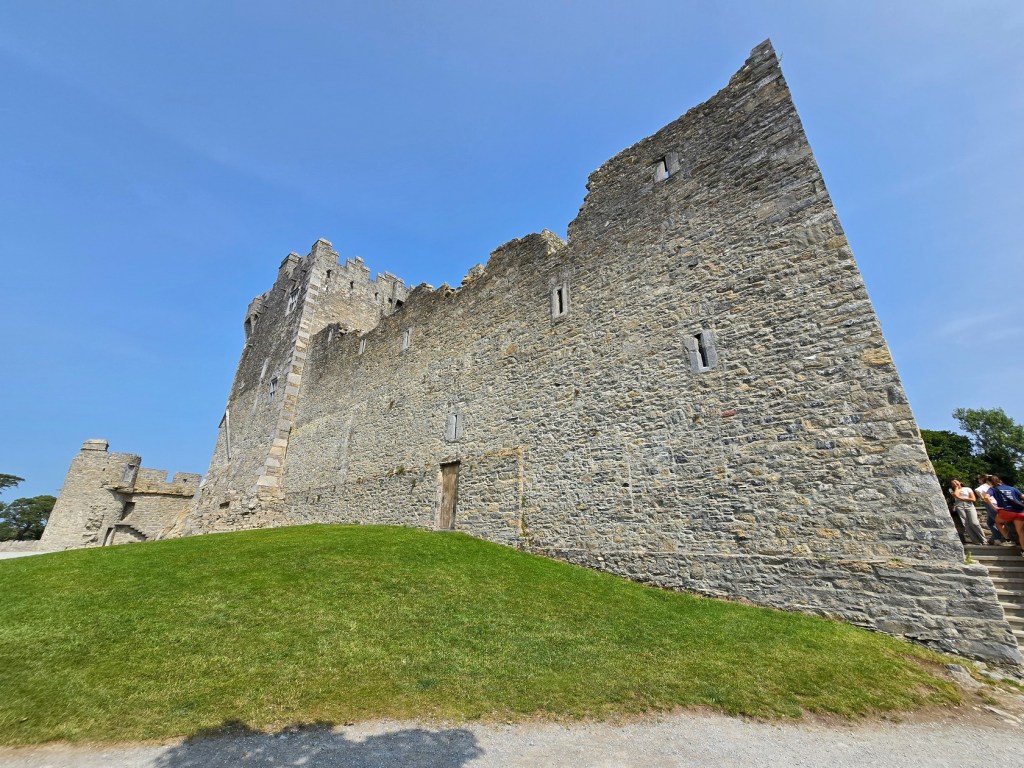
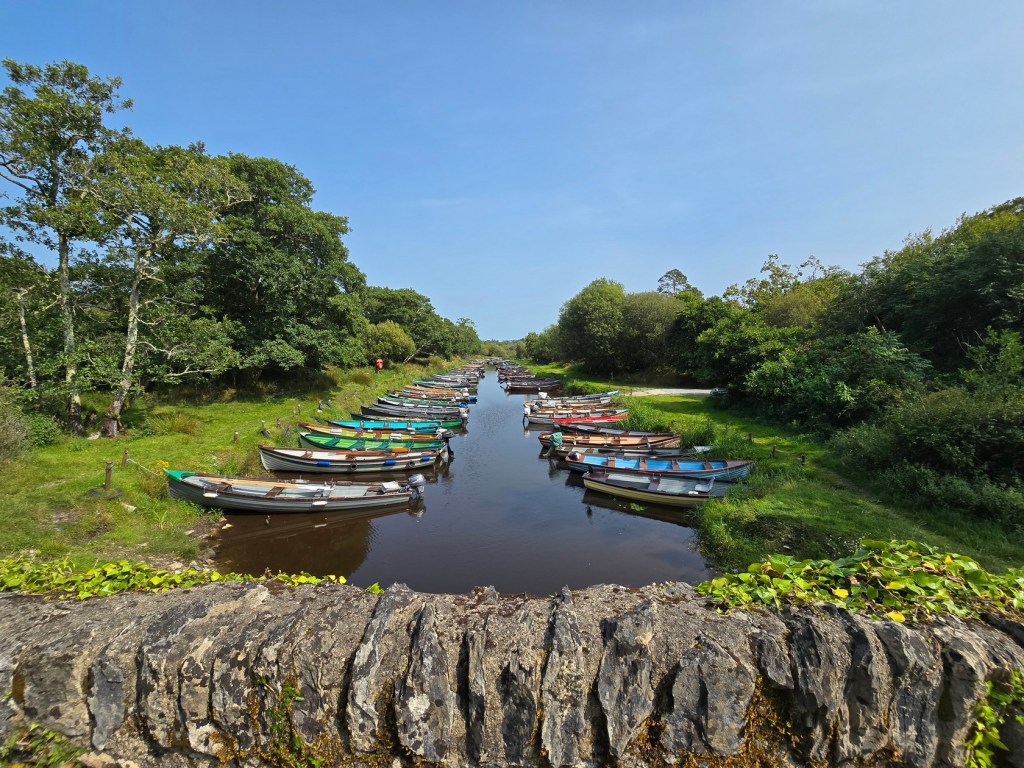
We spent about a half an hour strolling around Ross Castle before getting back to the car and driving a short distance to Muckross Abbey. It was perfect weather on the day.
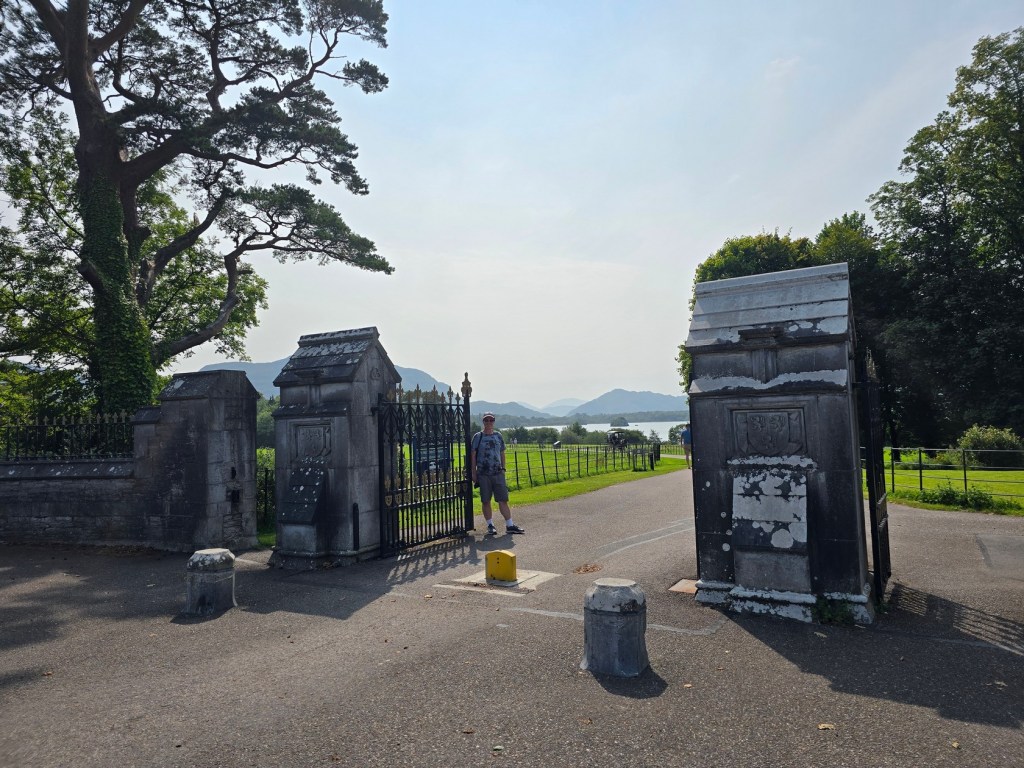
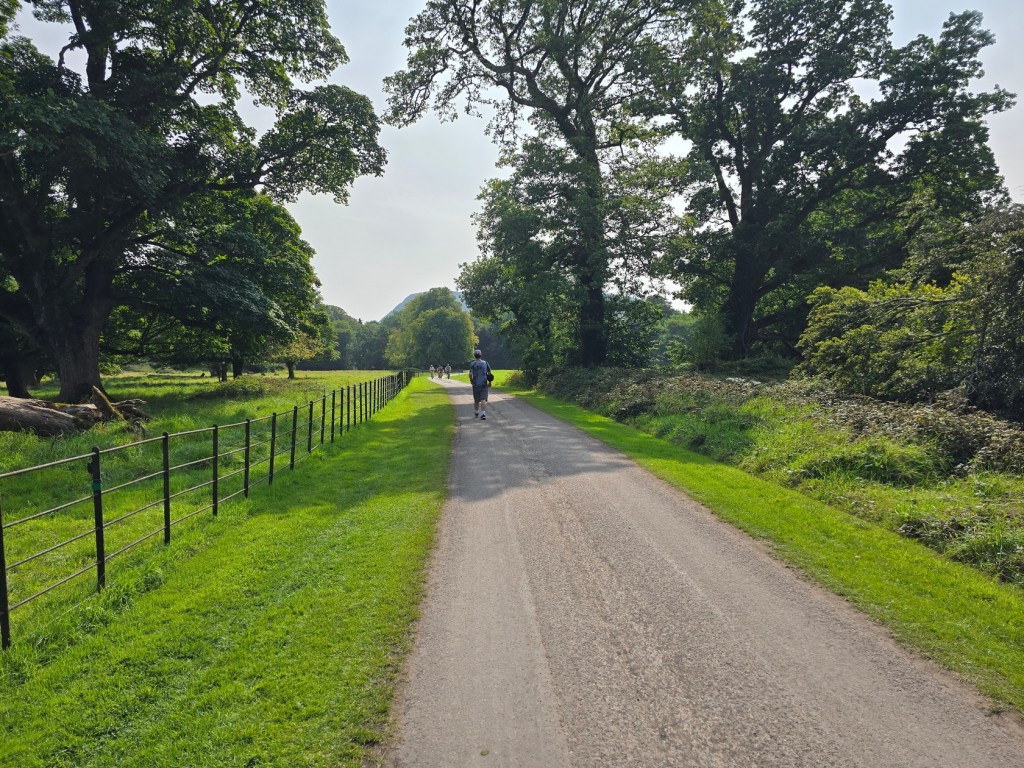
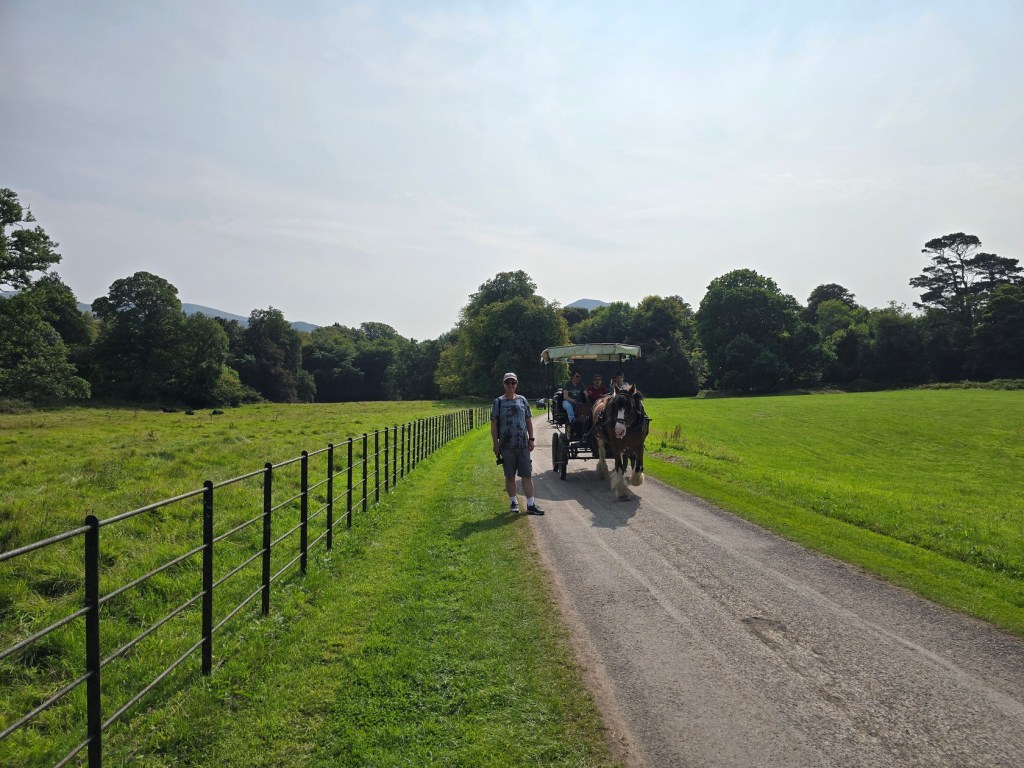
It’s a long walk from the road to the abbey, but there is an option to pay for a horse and cart to take you there. We had no problem walking, so it took about 20 minutes to get there. The walk is easy with nice views of the estate grounds.
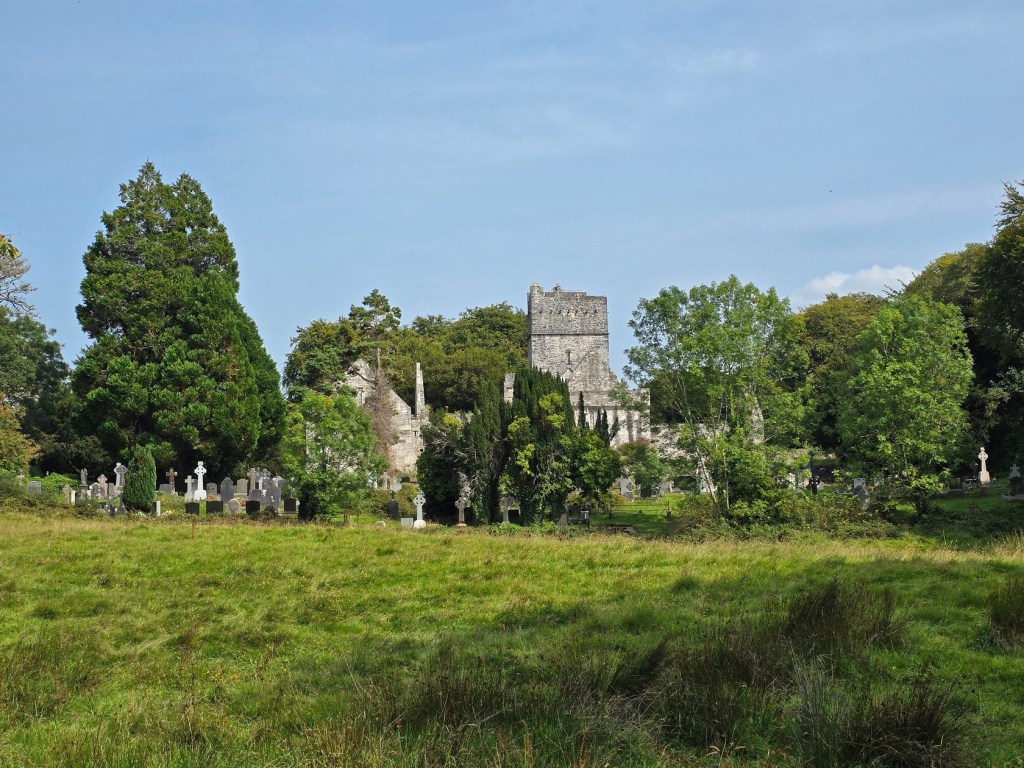
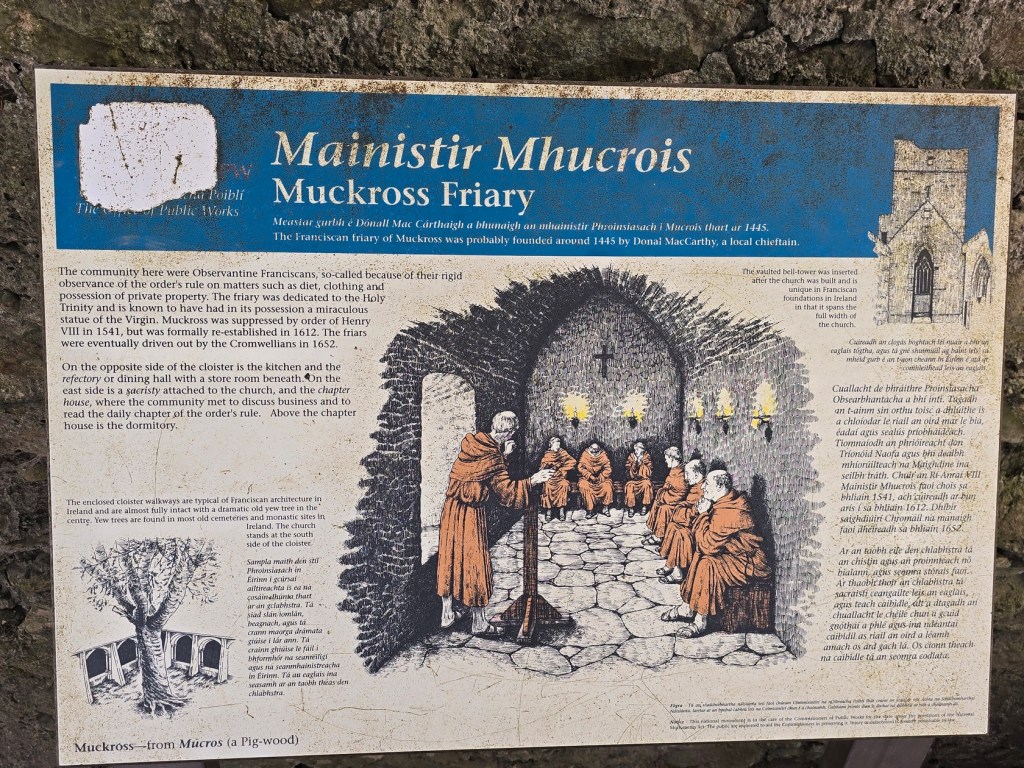
The abbey was also a burial place for many local chieftains and nobles, especially members of the MacCarthy and O’Donoghue families, reinforcing its importance in Gaelic Irish society.
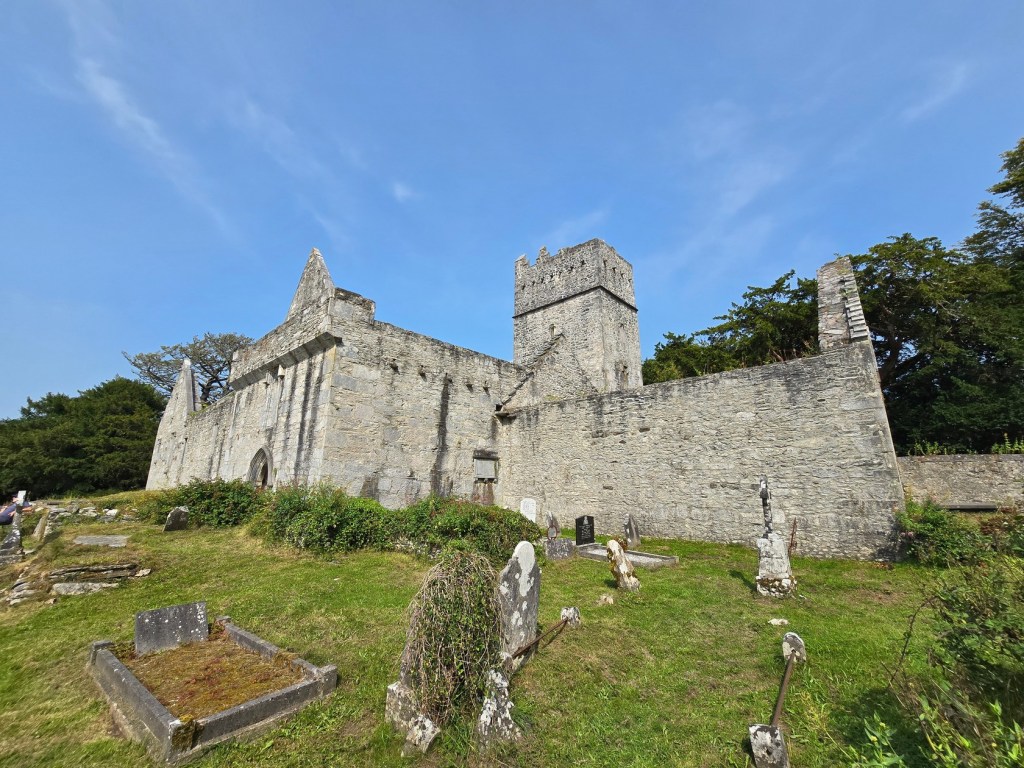
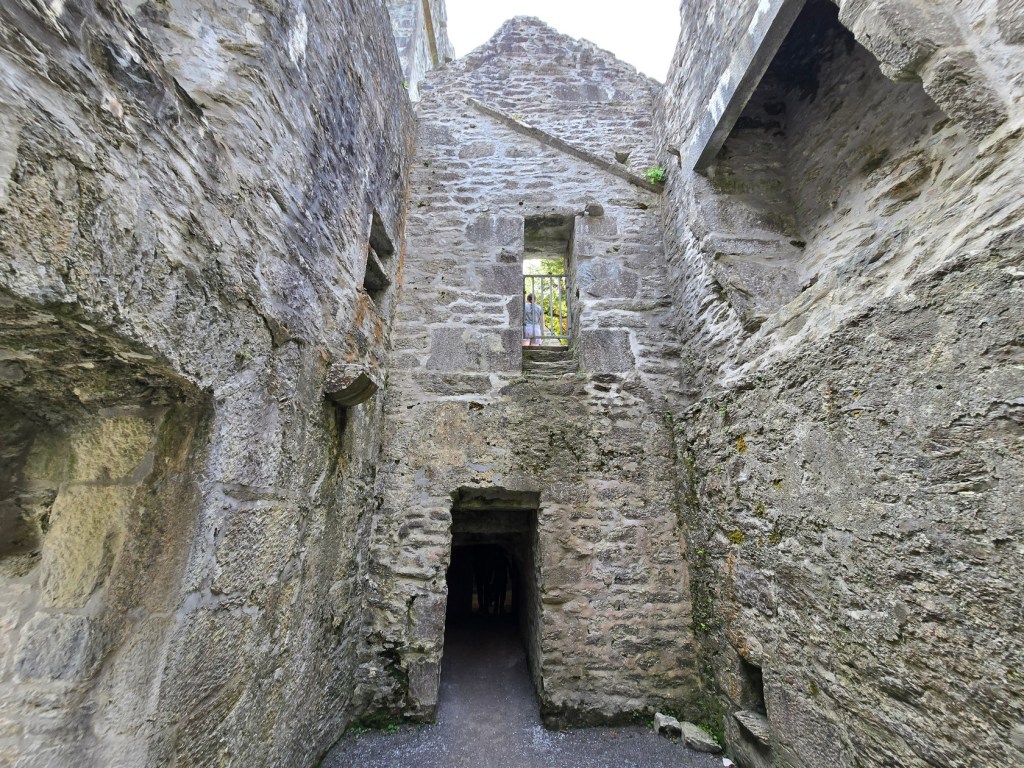
Muckross Abbey was founded in 1448 as a Franciscan friary by Donal McCarthy Mór, king of Desmond, for the Observant Franciscans, a group known for strict religious discipline and devotion to poverty. The Franciscans chose the remote and peaceful location deliberately, as it supported prayer, study, and reflection.
From its beginning, the abbey became a major religious and educational centre in southwest Ireland. Monks studied theology, philosophy, and classical texts there, and the abbey developed a strong reputation for learning.
One of the most important Irish historical manuscripts, the Annals of the Kingdom of Ireland, is traditionally linked to Franciscan scholarship associated with Muckross. These annals recorded Irish history from ancient times to the 17th century and remain an important historical source for historians today.
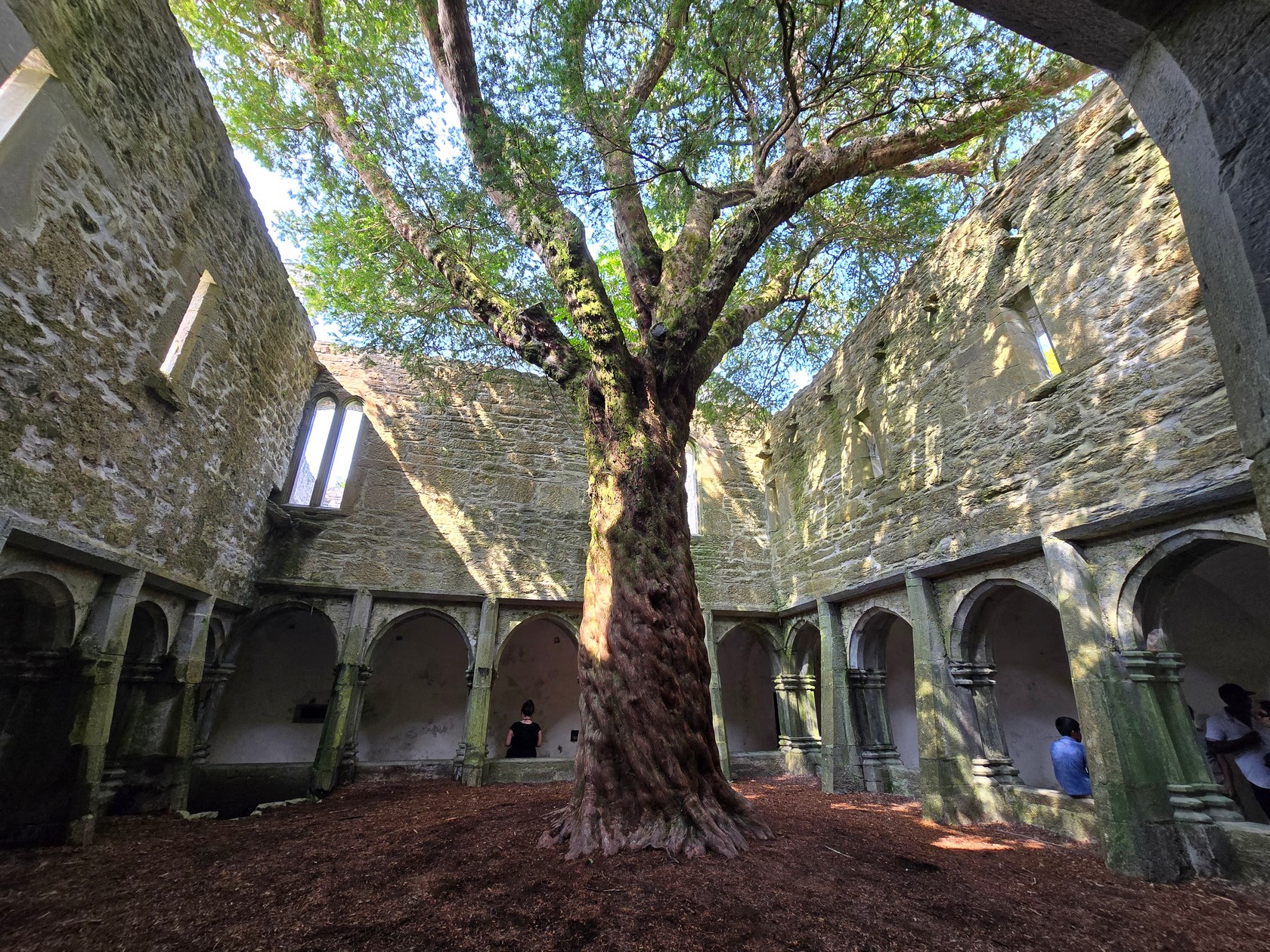
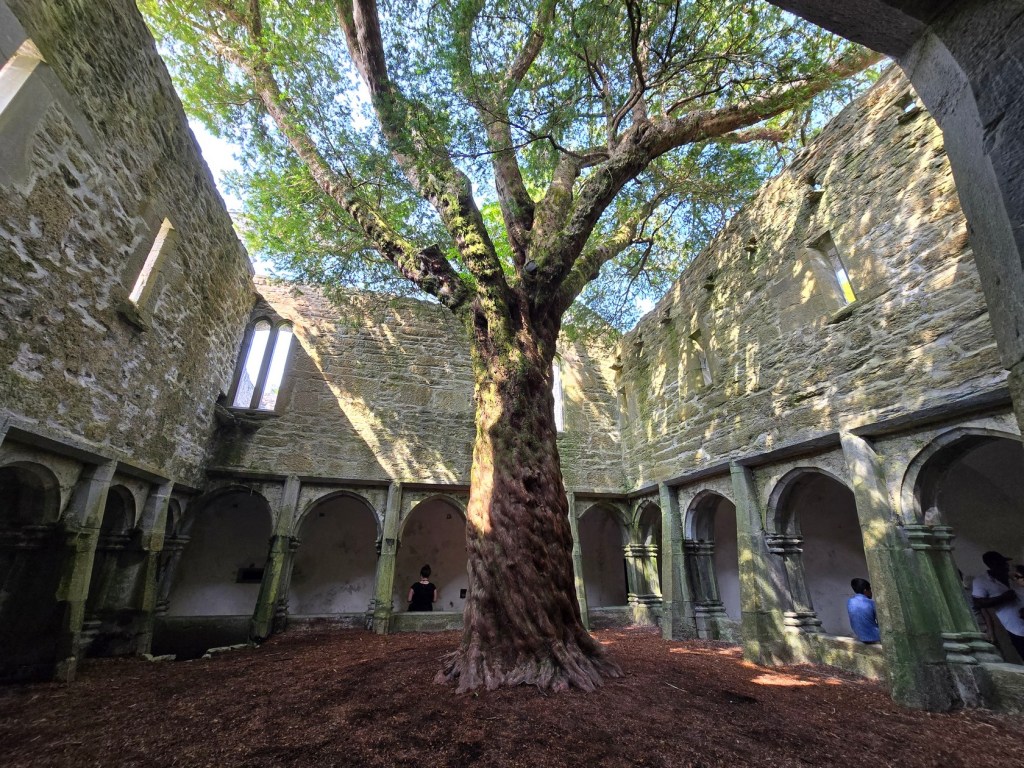
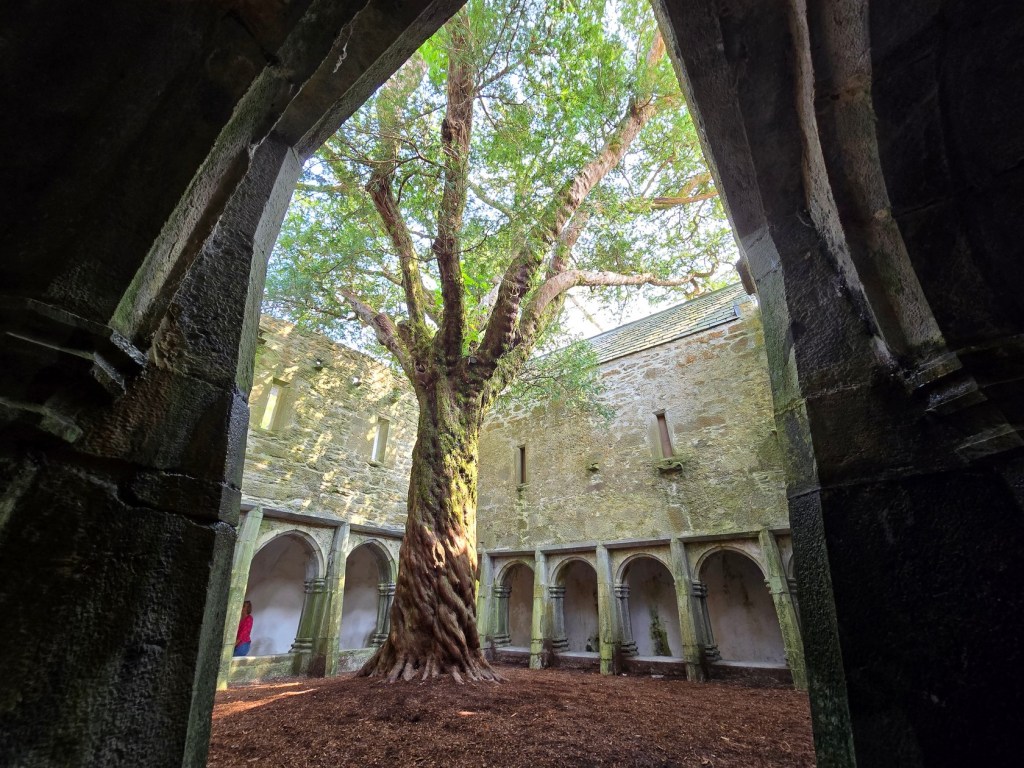
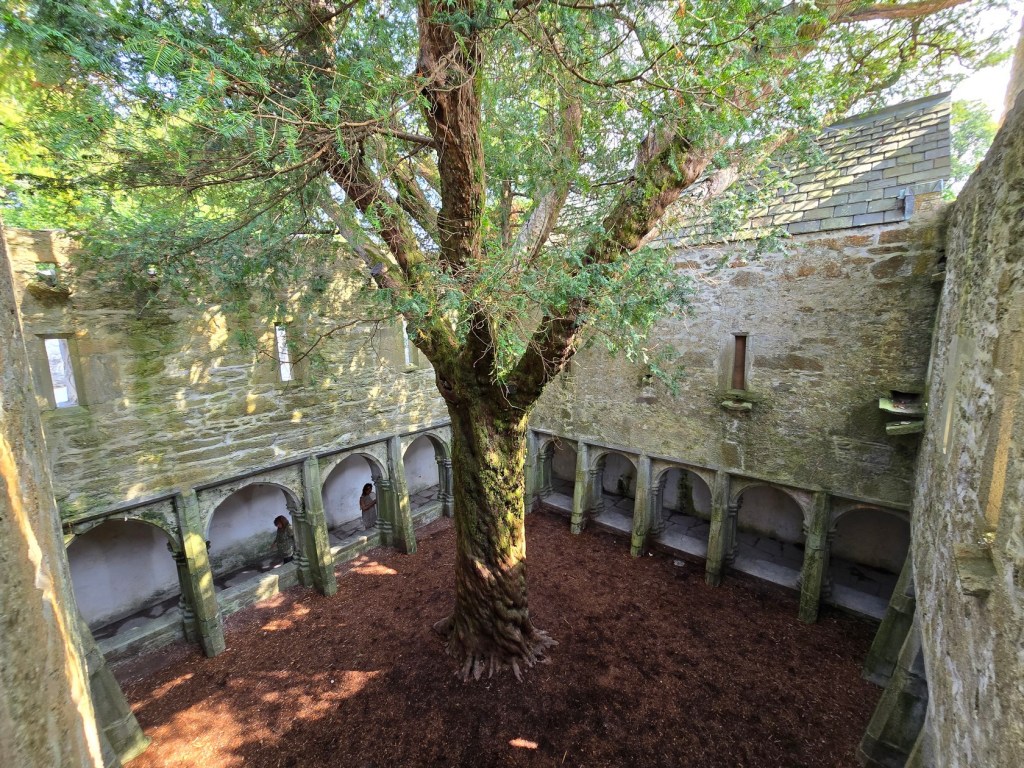
The cloister is the most striking part of the abbey. The yew tree growing at its centre is traditionally believed to be as old as the abbey itself and symbolizes eternity and renewal.
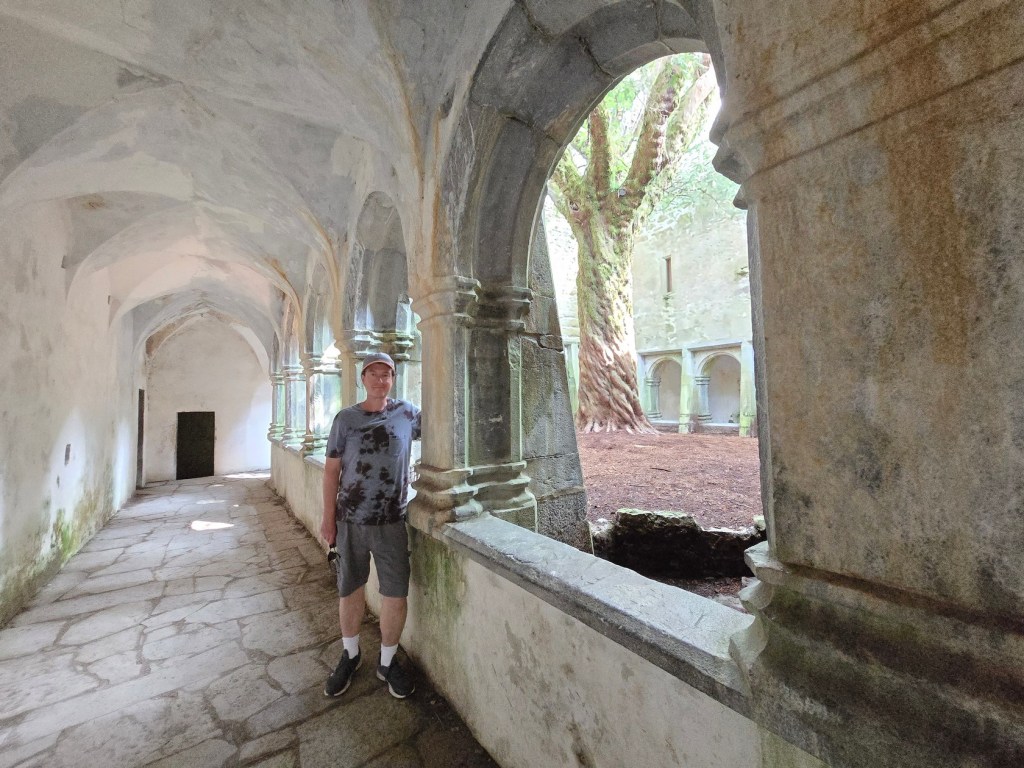
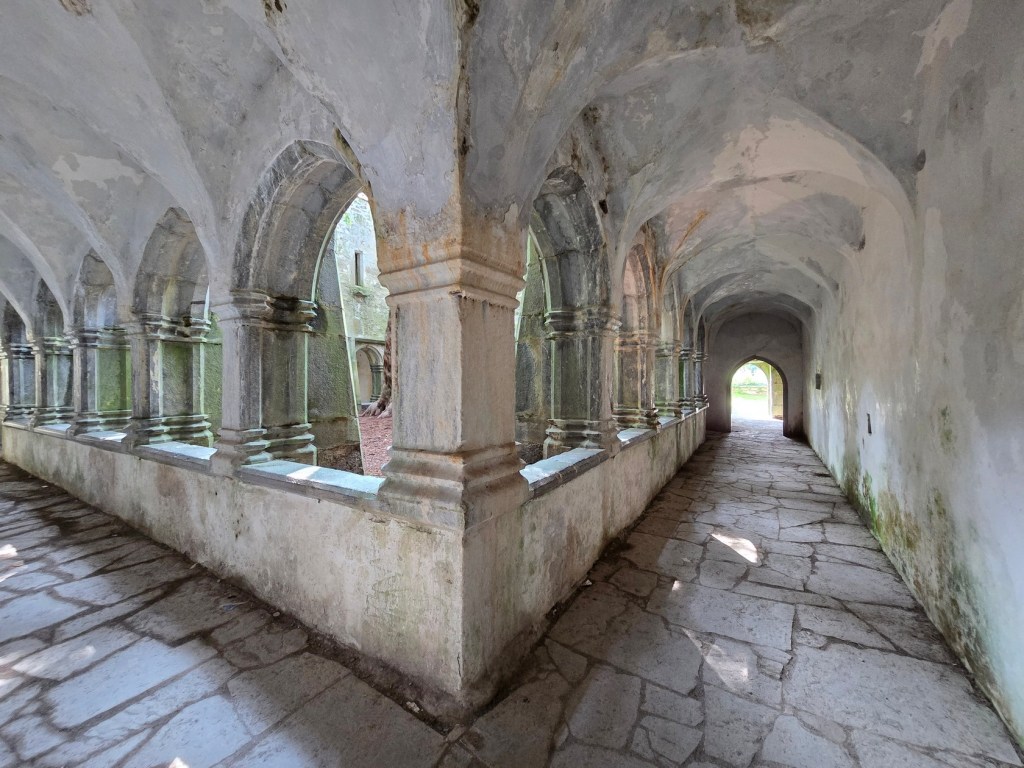
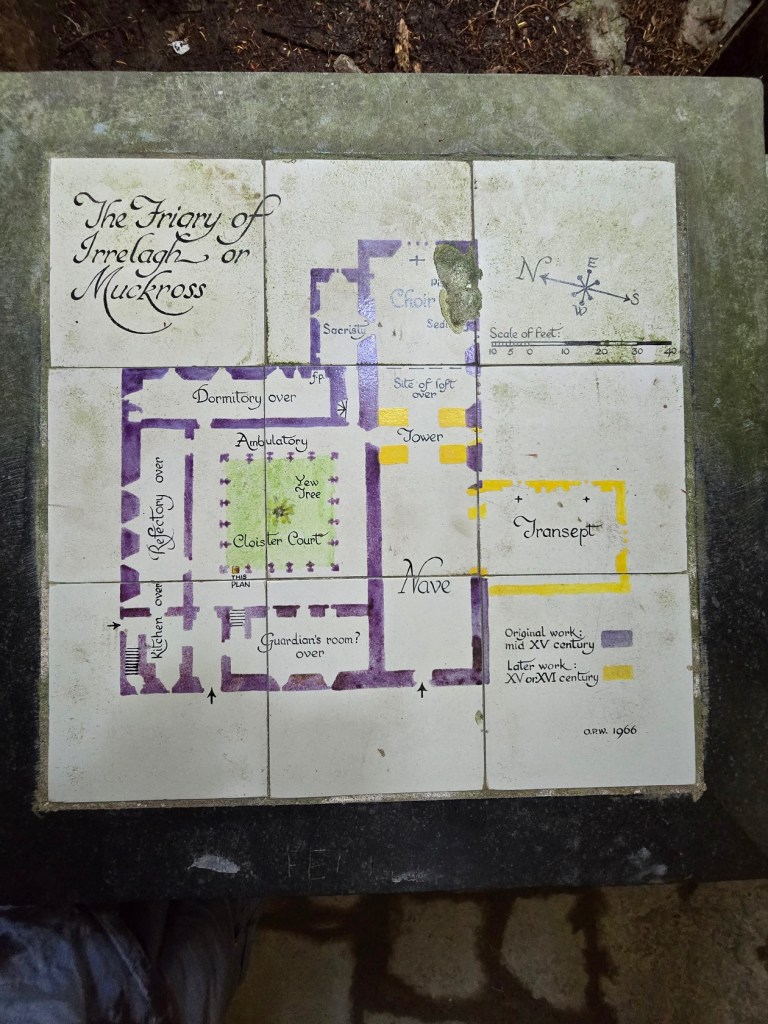
Muckross Abbey is built in the late Gothic style, using local limestone. Key features include:
- A central cloister (an open courtyard) with a large yew tree growing in the middle
- A church with a long nave and choir
- A tower rising above the crossing of the church
- Living quarters, a refectory (dining hall), and study areas for the monks
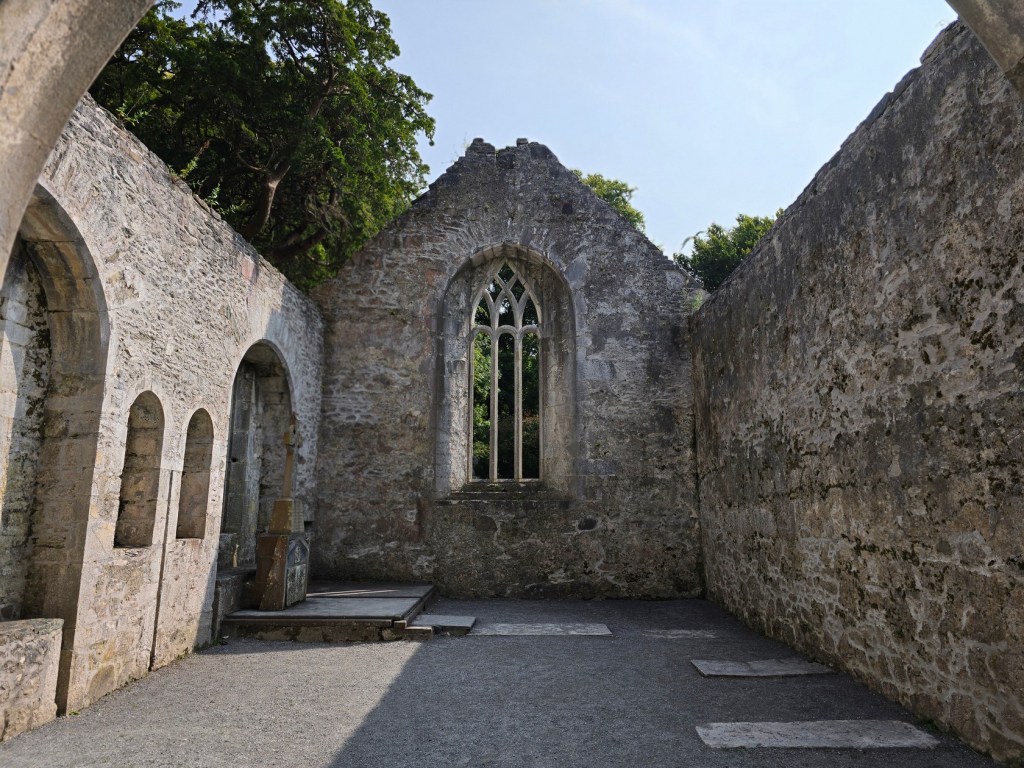
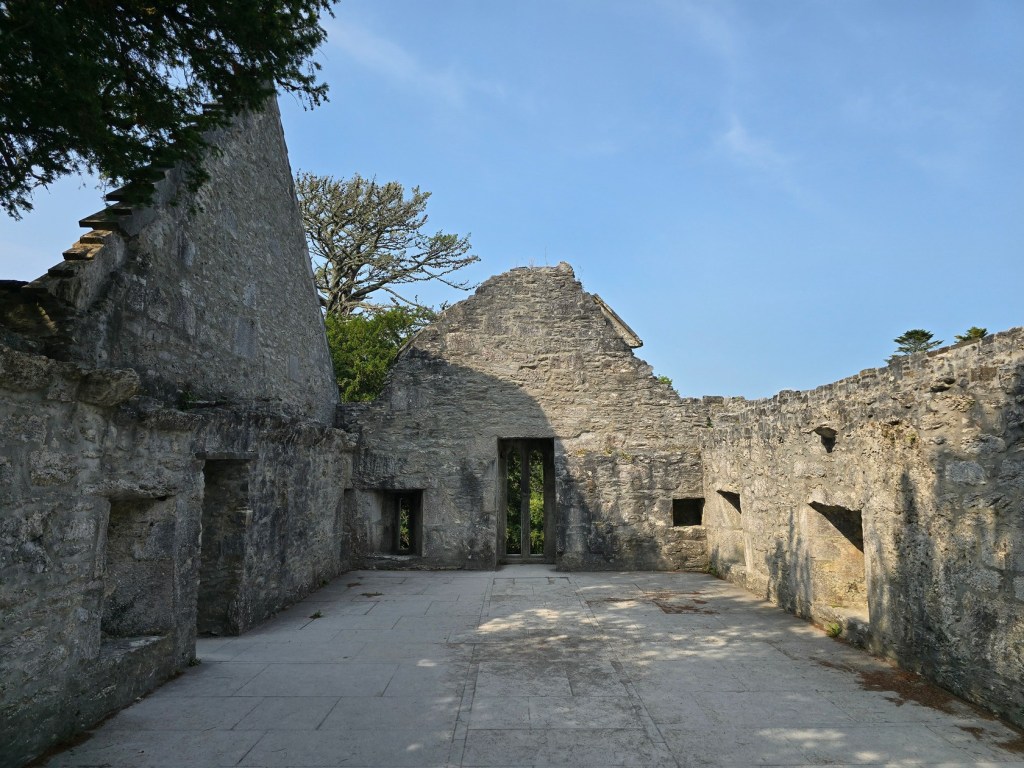
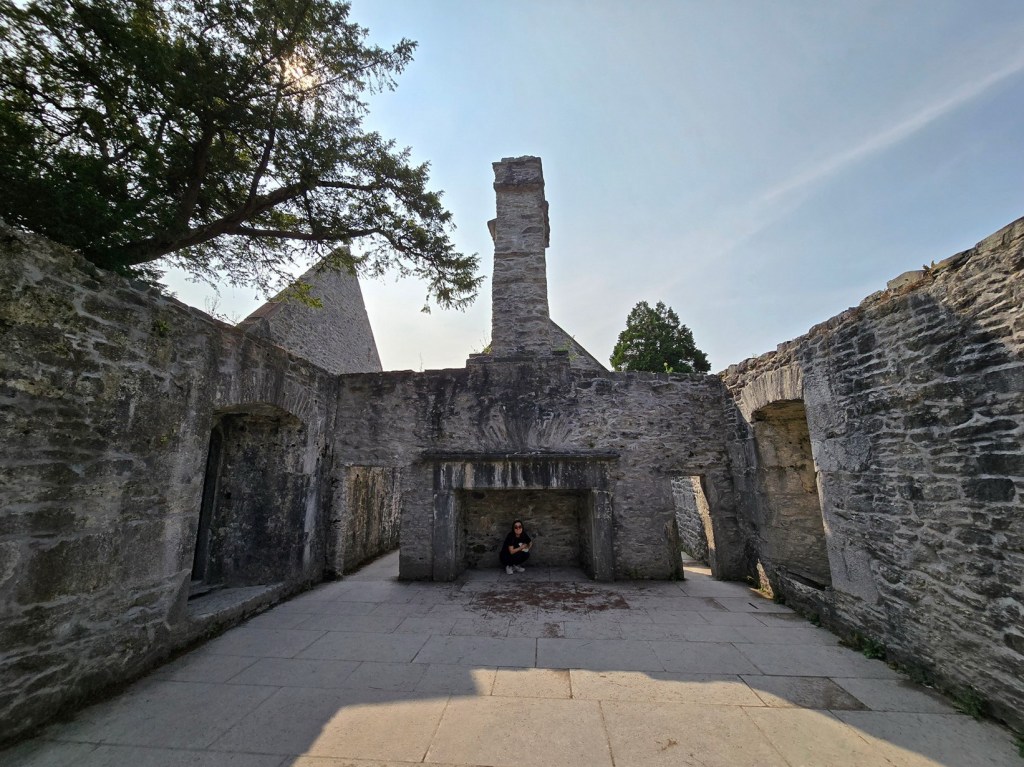
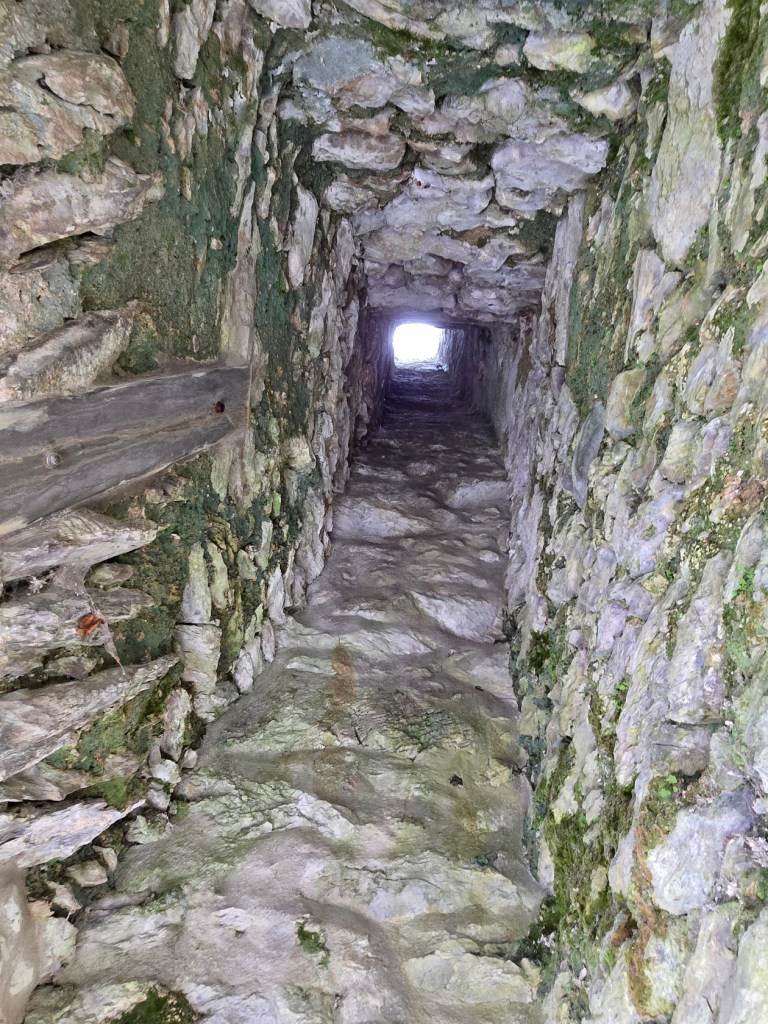
In the 17th century, during the Cromwellian conquest of Ireland, the abbey was badly damaged. The monks were driven out, and the buildings fell into ruin. Despite this, local people continued to treat the site with respect, and it remained a place of pilgrimage and burial.
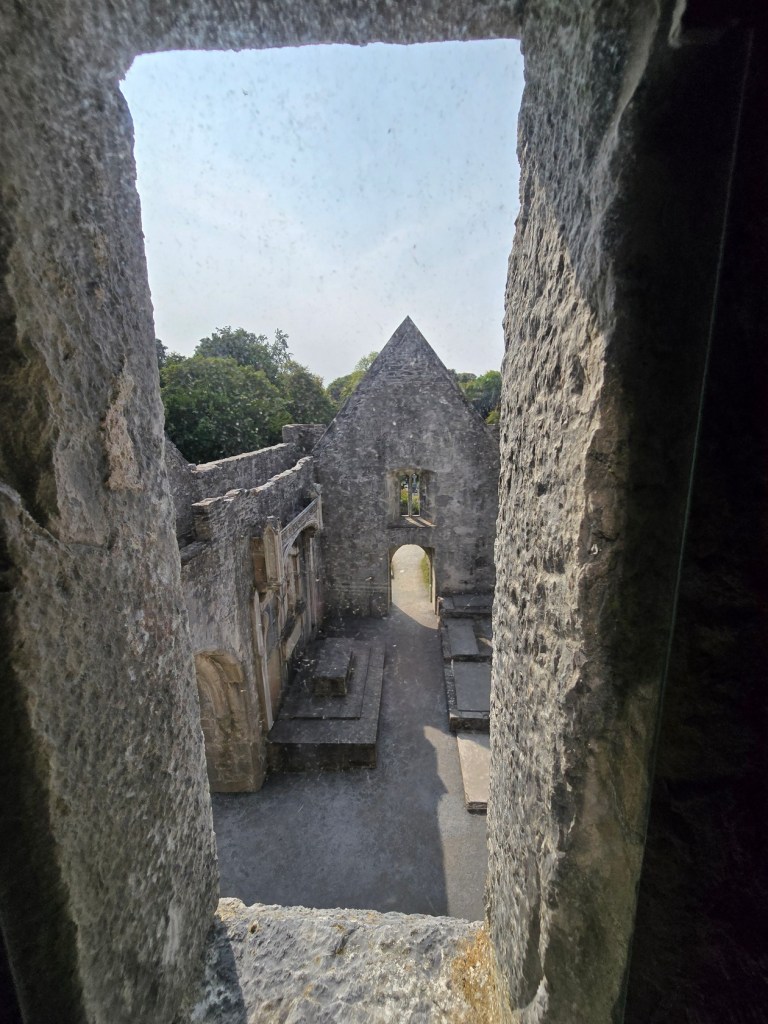
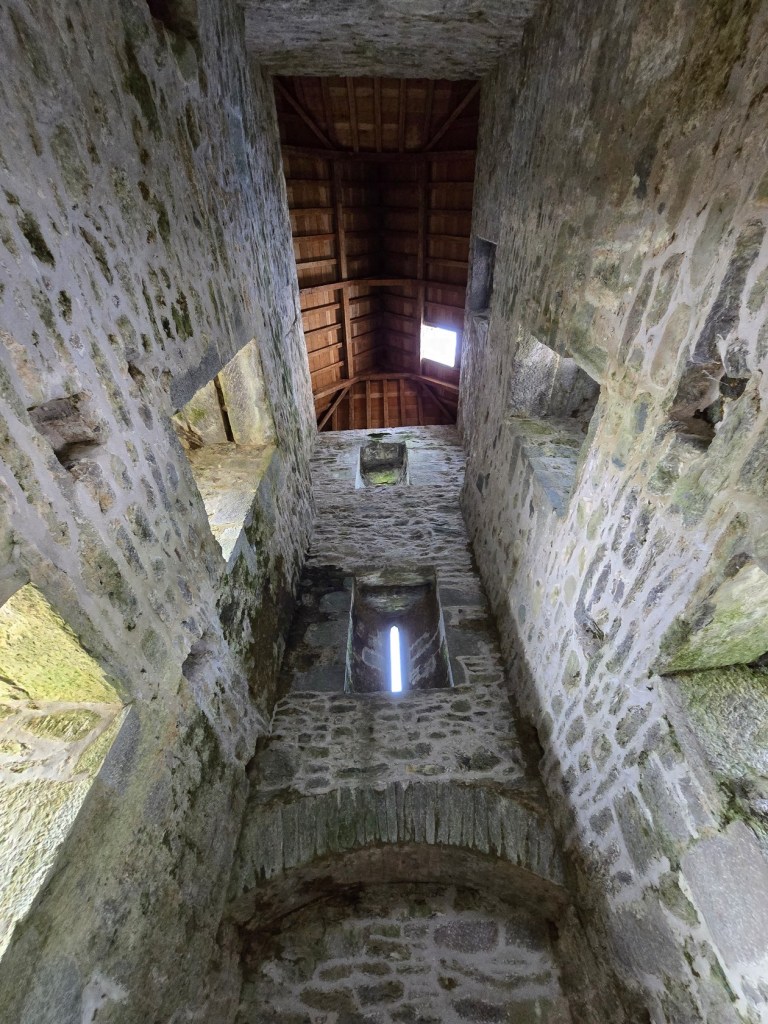
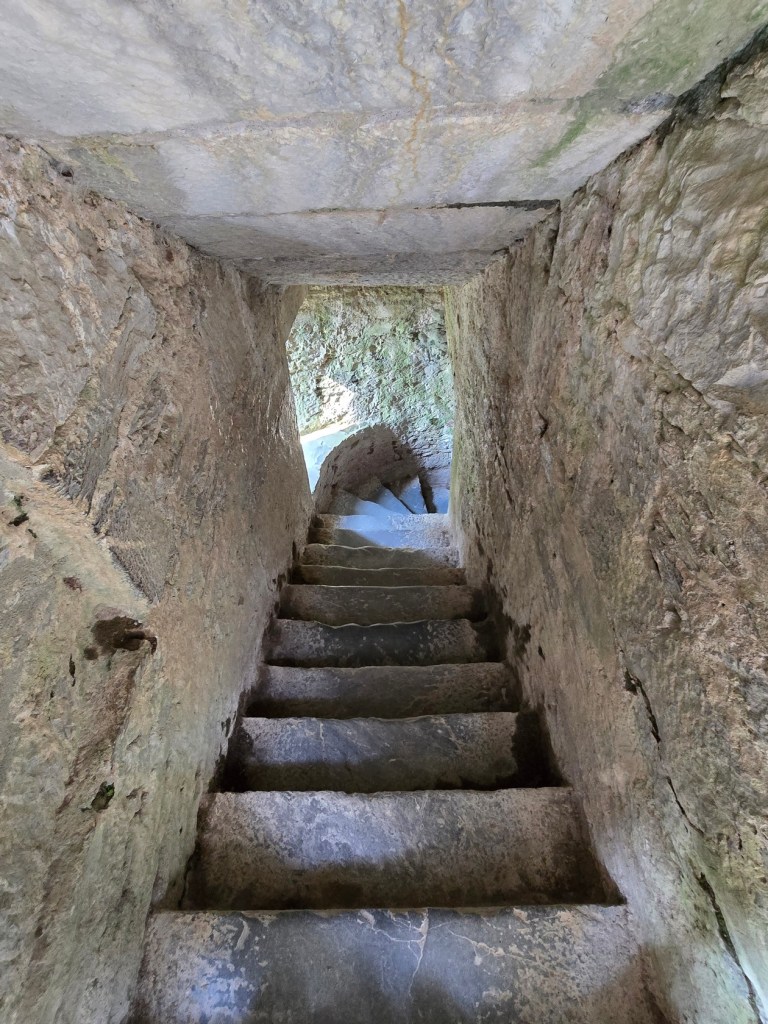
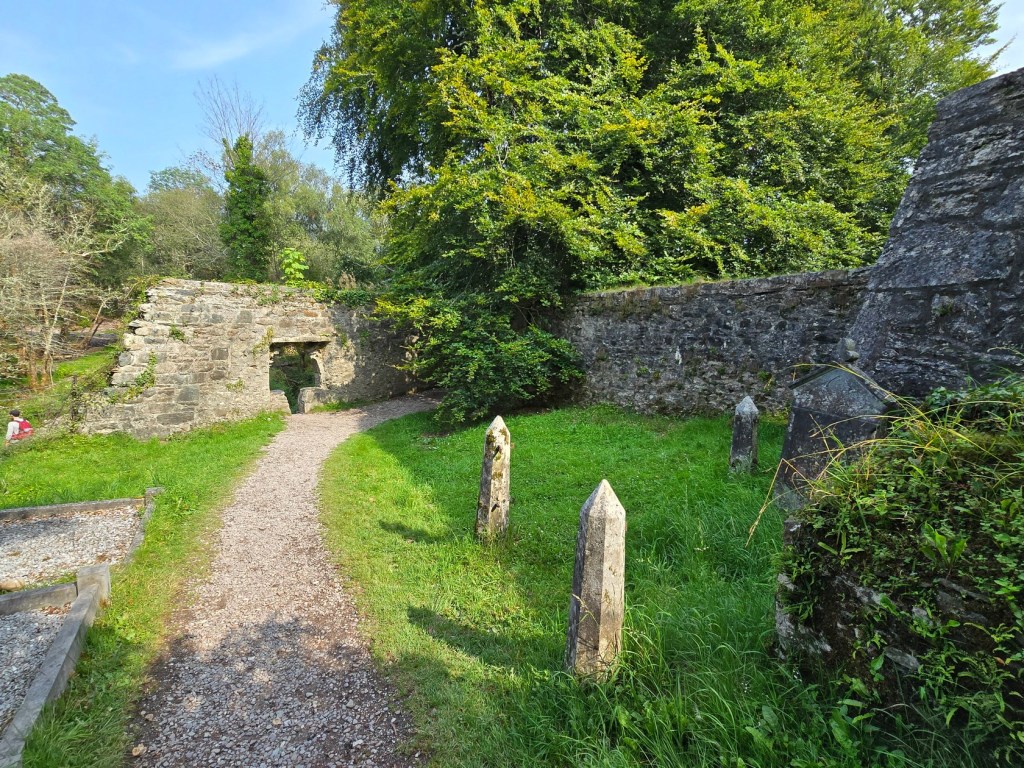
We spent about an hour at Muckross Abbey, not including the 40 minutes it took traversing the grounds both ways. It was an impressive place, highlighted by that huge yew in the courtyard, and we would recommend it to anyone visiting the Ring of Kerry. This section of the Ring of Kerry tends to get congested with cars, so patience is required if you are driving. It took us longer to get through this section of the ring than any section we did the next day when we drove the full Ring of Kerry.
From there we continued on to Kenmare, arriving at our B&B just outside of the town where we would stay for the night. The next day was our drive through the Ring of Kerry with the Kerry Cliffs as a highlight. And that will be the subject of the next post!
 Humphreys Travel