
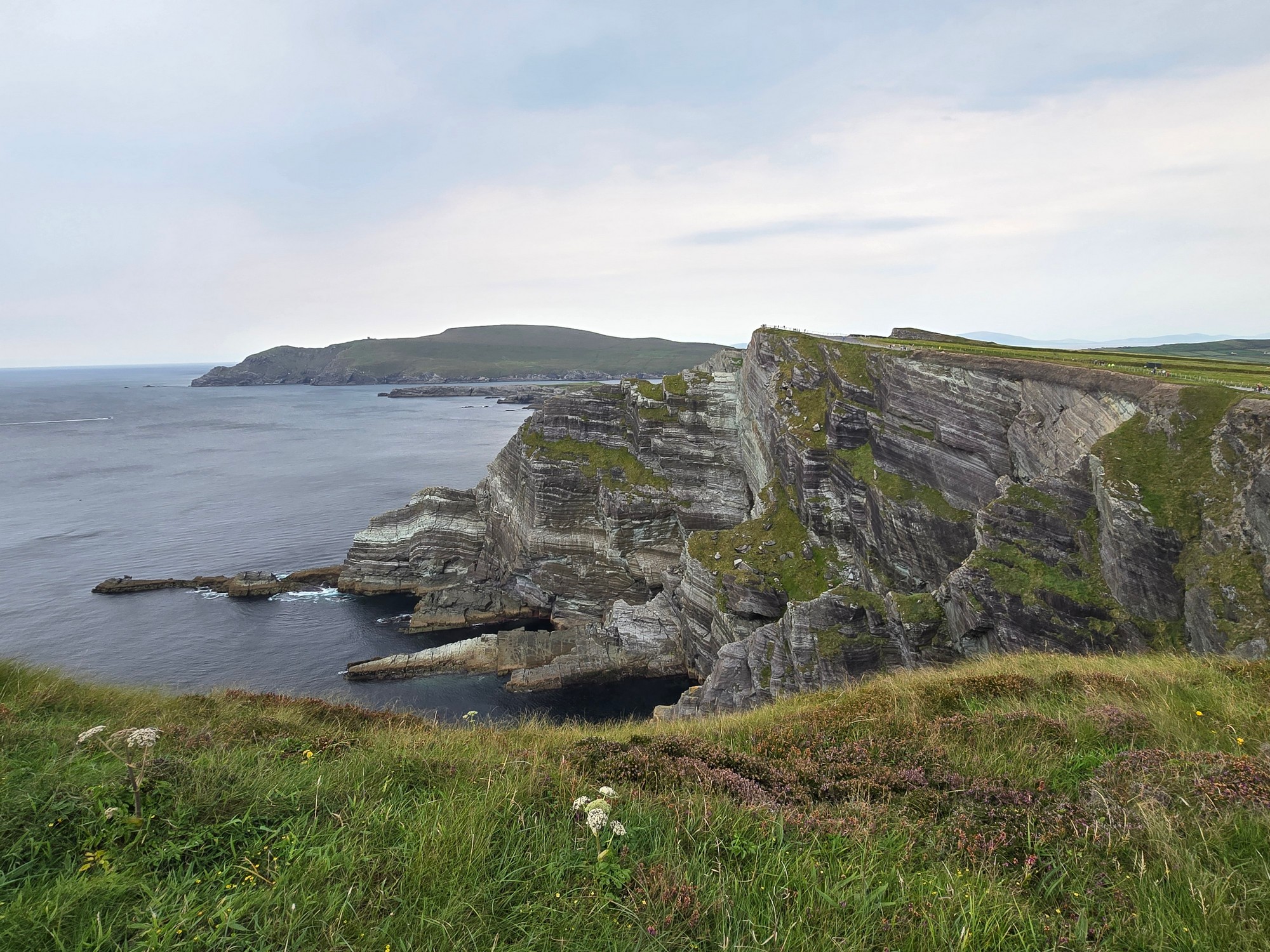
From the B&B just outside Kenmare, we were well-positioned to do the Ring of Kerry route. The plan was to take the clockwise route because the large tour buses go counter-clockwise, and you wouldn’t want to get stuck behind one! There is the fear of getting around one on a tight corner, but we were fortunate and didn’t have any close calls on the drive.
The evening before starting the route, we dropped into the town of Kenmare. That weekend they were having a festival, and so the main road was closed and vendors lined the streets. We walked for awhile, had fish & chips and checked out the town. It was quite nice, actually.
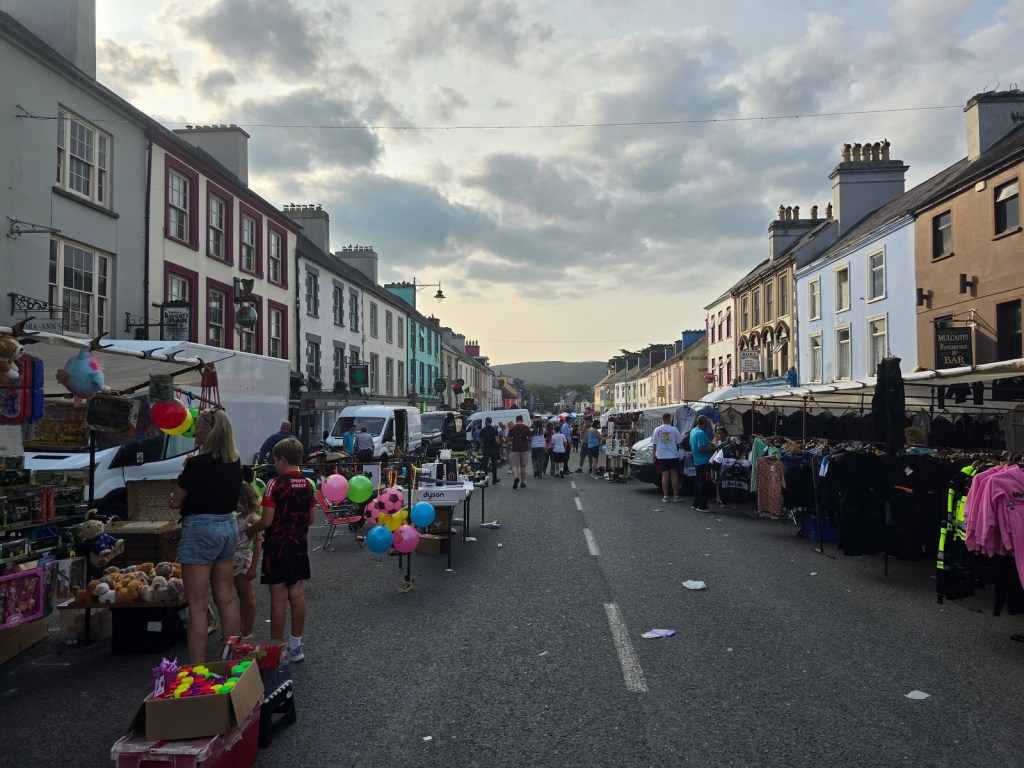

The next day we were off. It can take as little as 3.5 hours to do the Ring of Kerry, but then you would miss some stop-offs as well as the important detour on the Skellig Ring Road to see the Cliffs of Kerry!
Unfortunately we had to miss a few sights because I left the BnB key in my pocket and didn’t discover this until we were 45 minutes into the ring drive. My bad. We went back to return it and so we lost 1.5 hours of travel time. In the end we had to skip a few places like Staigue Stone Fort, Geokaun Mountain and/or the Fogher Cliffs. But we still took in a number of interesting spots along the way.
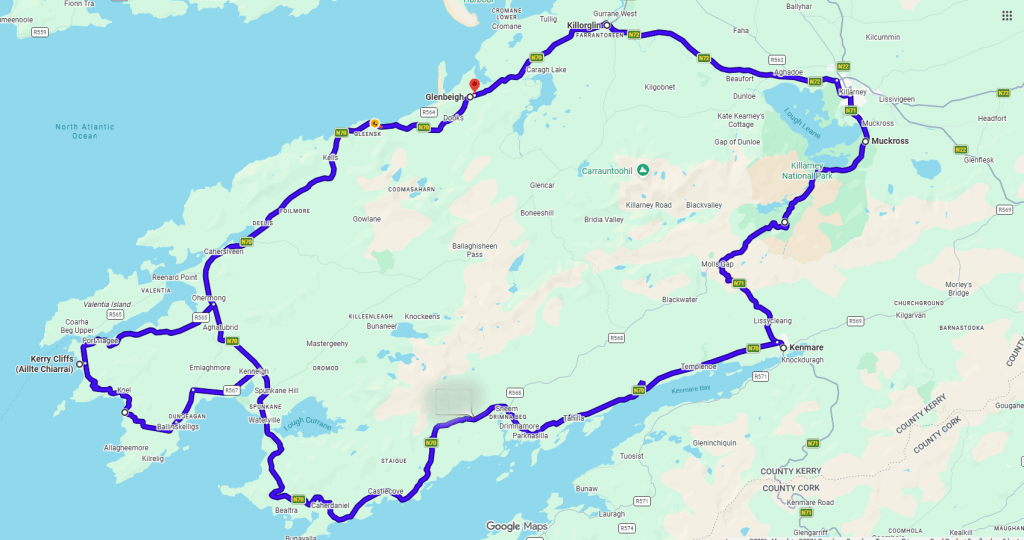
The Ring of Kerry
Shortly into the drive we passed through the town of Sneem, known for its brightly covered buildings. It was also a great spot to visit if you need a free and clean public toilet.
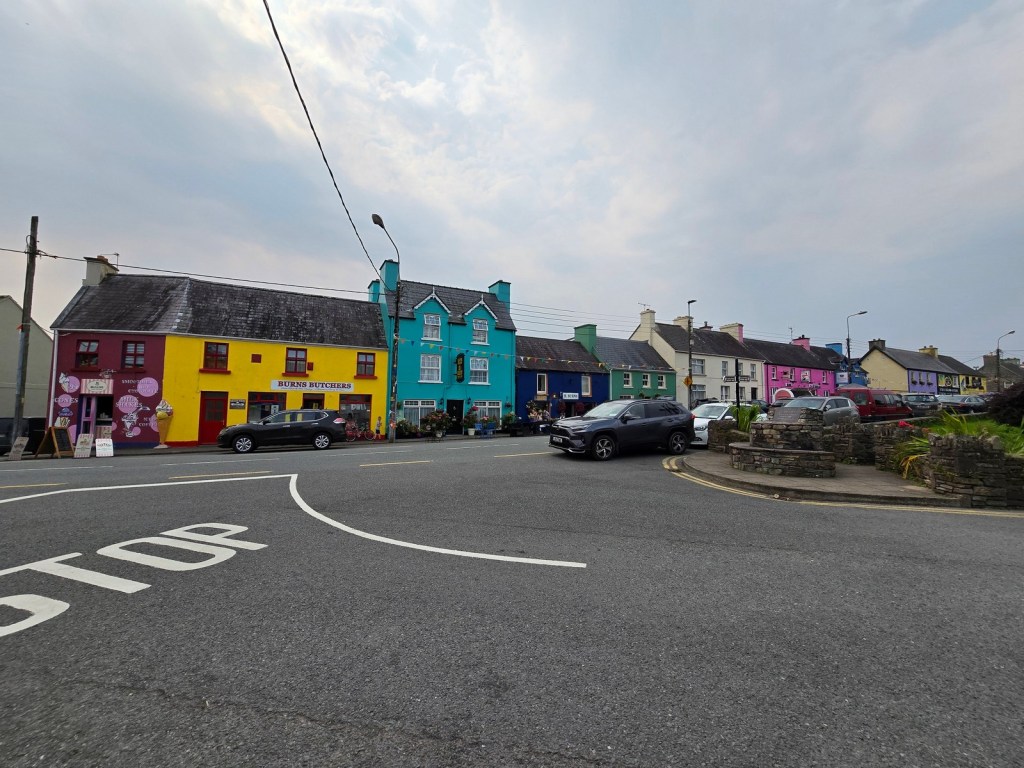
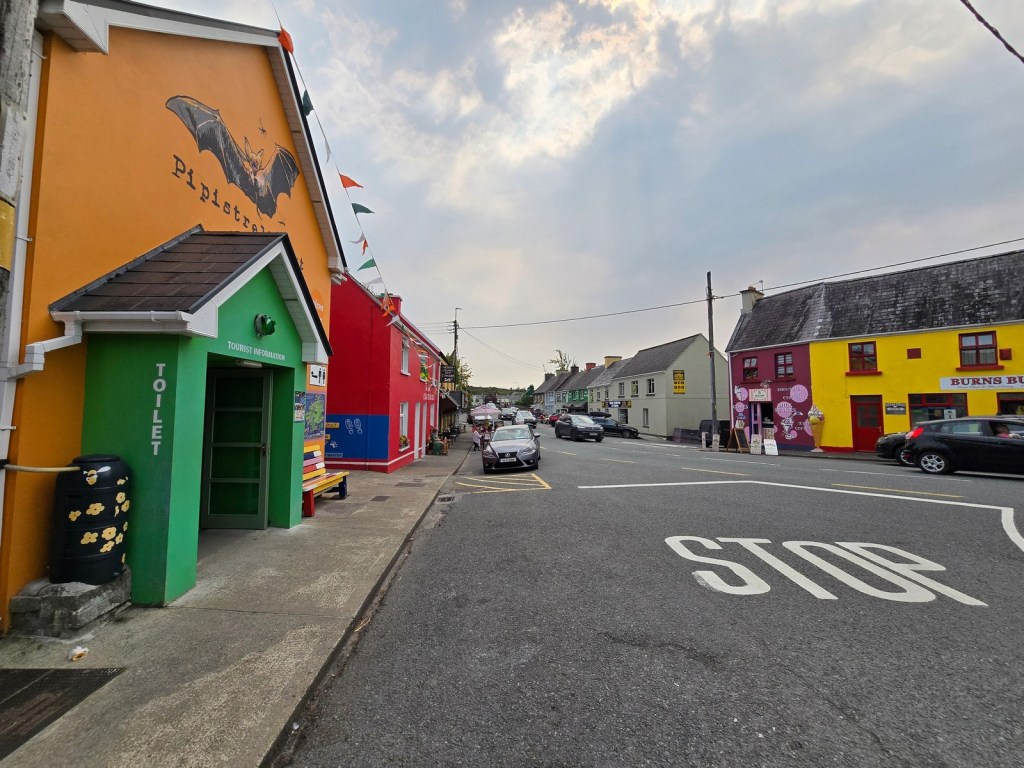
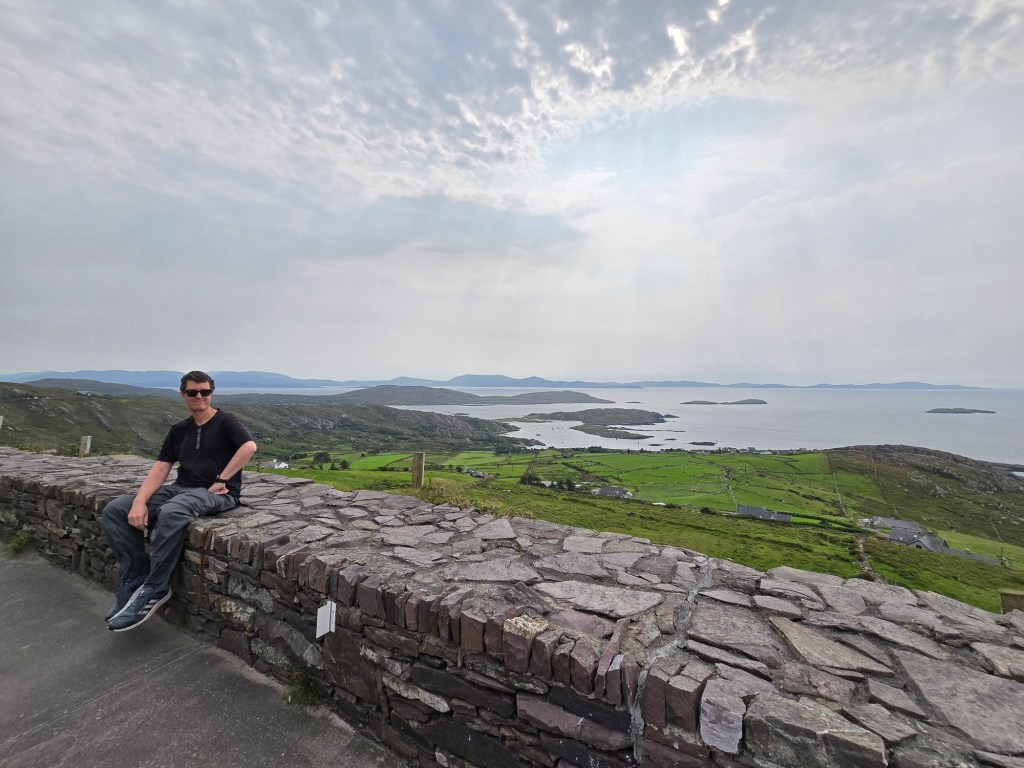
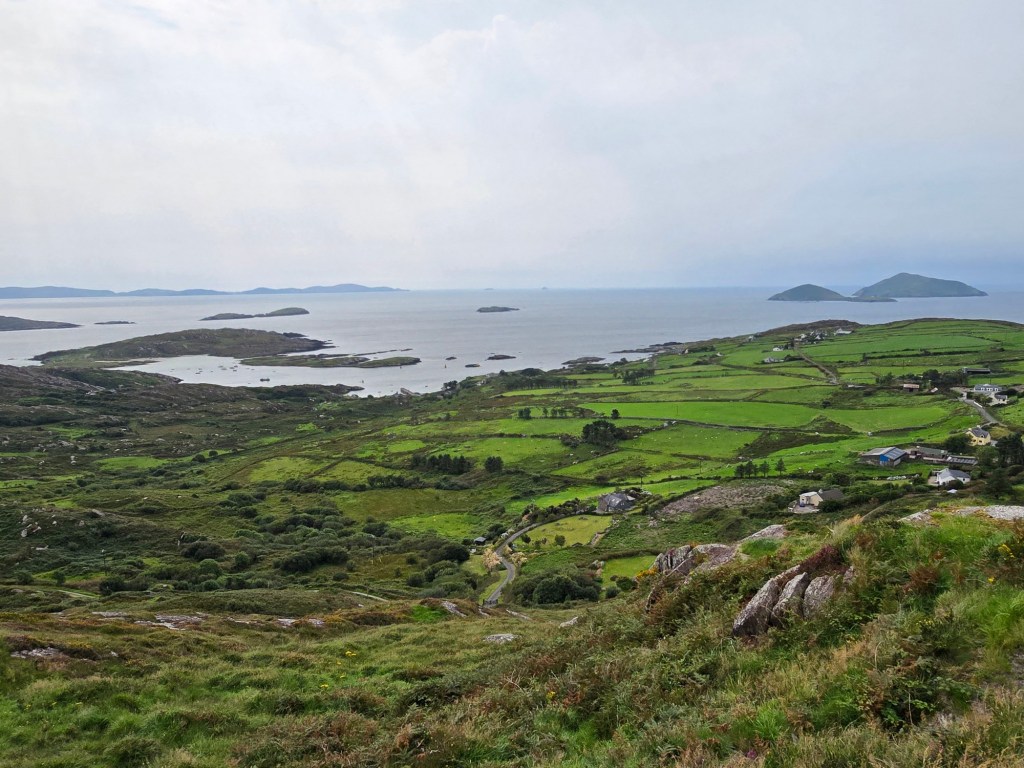
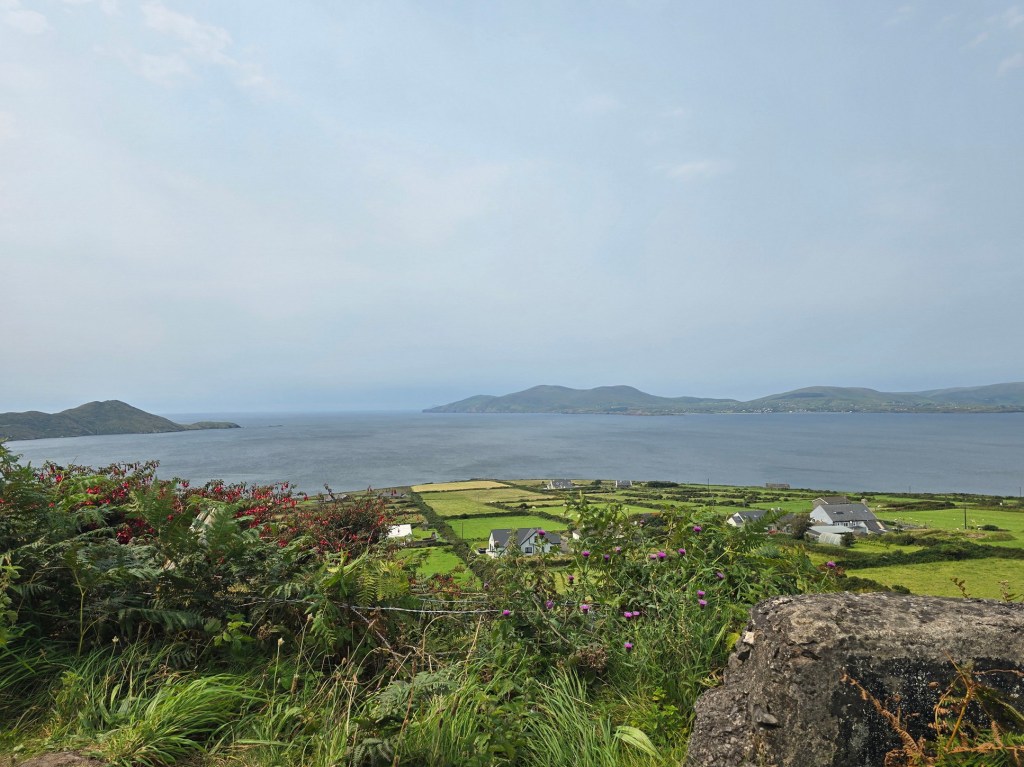
After passing through Sneem we saw more ocean and some stop-offs with excellent views of the pastures, villages and ocean. There were a number of stop-offs along the way, with some having a full parking lot and others having space for just single line of about 4 or 5 vehicles.
The Skellig Ring Road and the Cliffs of Kerry
After a few hours we turned off the main Ring of Kerry road onto the much smaller Skellig Island Ring Road. This one took us to a few sites that were well worth the detour.
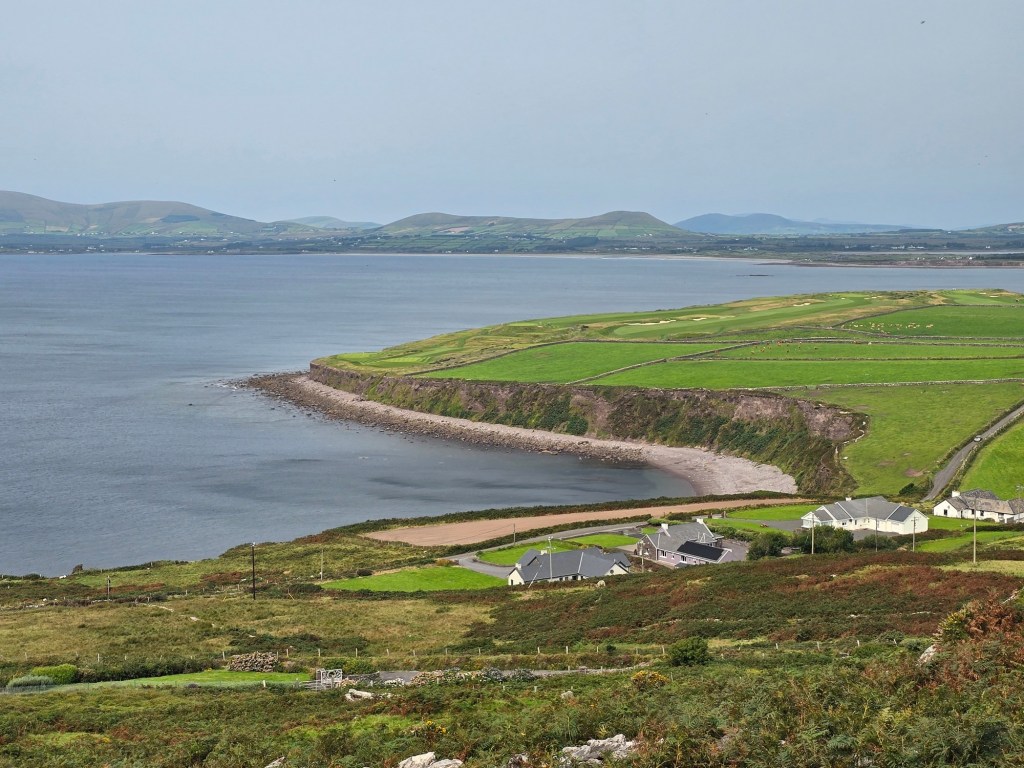
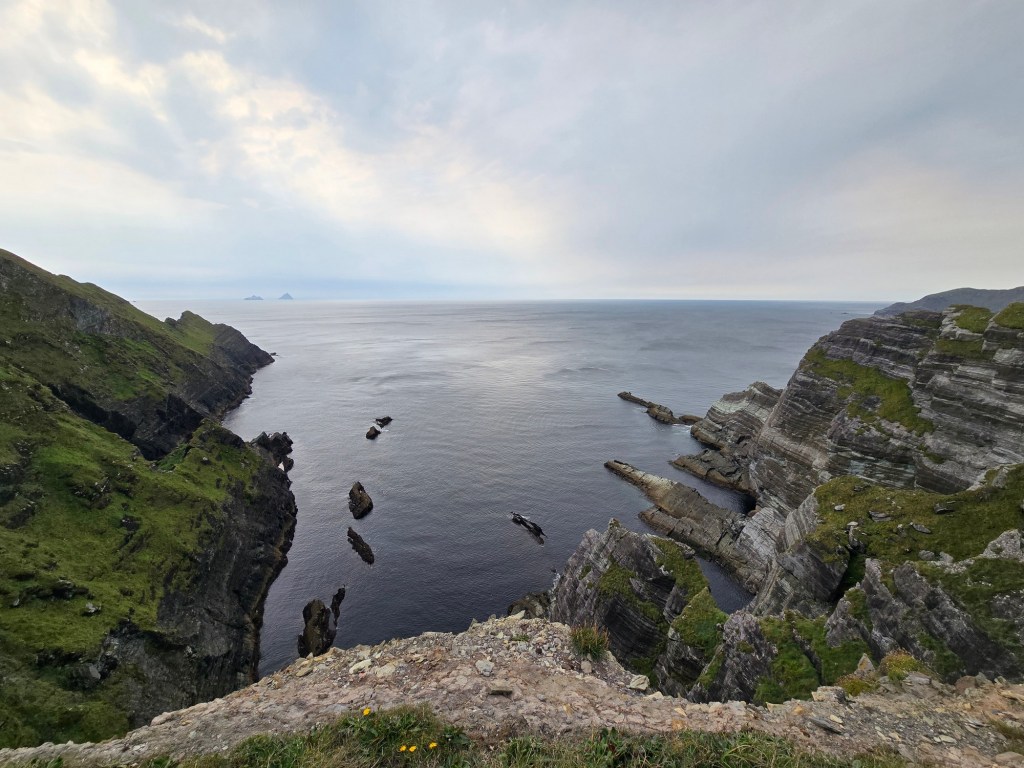
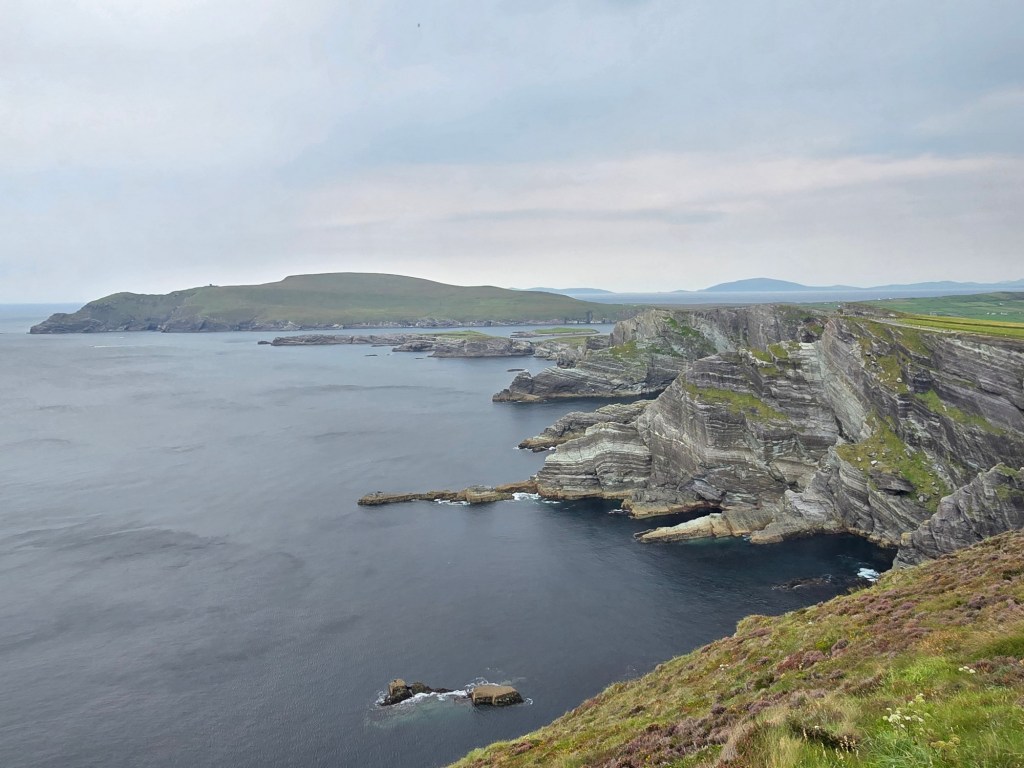
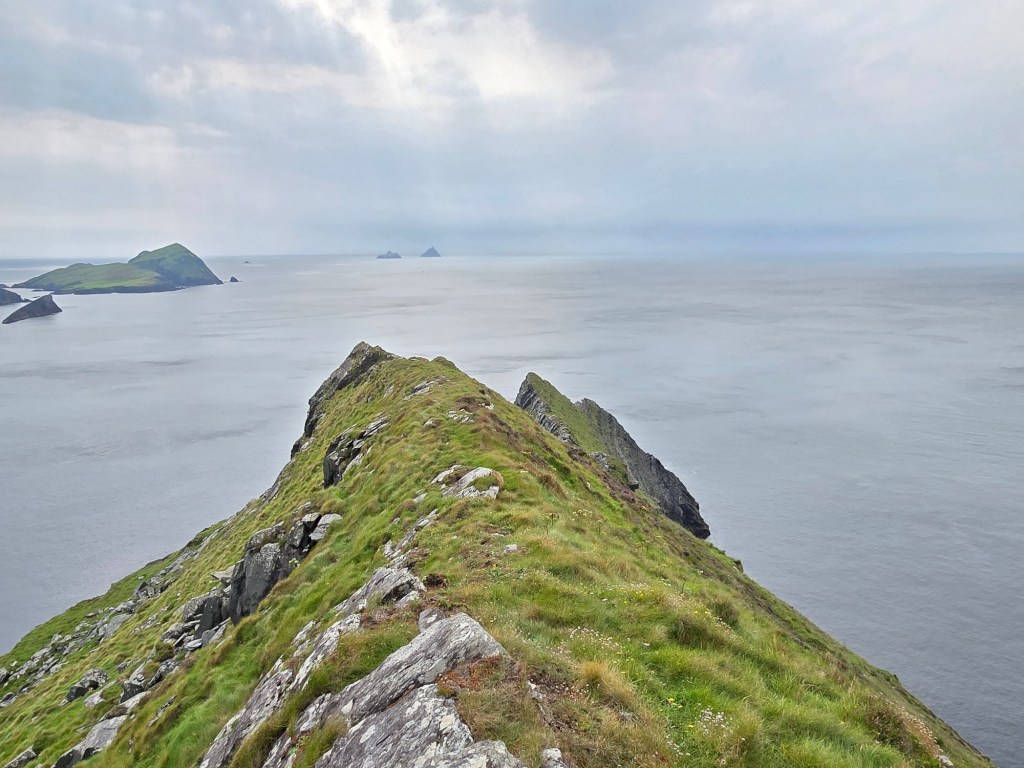
Although they are less famous than the Cliffs of Moher, the Cliffs of Kerry are over 1,000 feet tall and provide the closest views of the Skellig Islands from the mainland. Originally part of a rock formation that is over 400 million years old, the cliffs were created in a desert environment long before Ireland drifted to its current location.
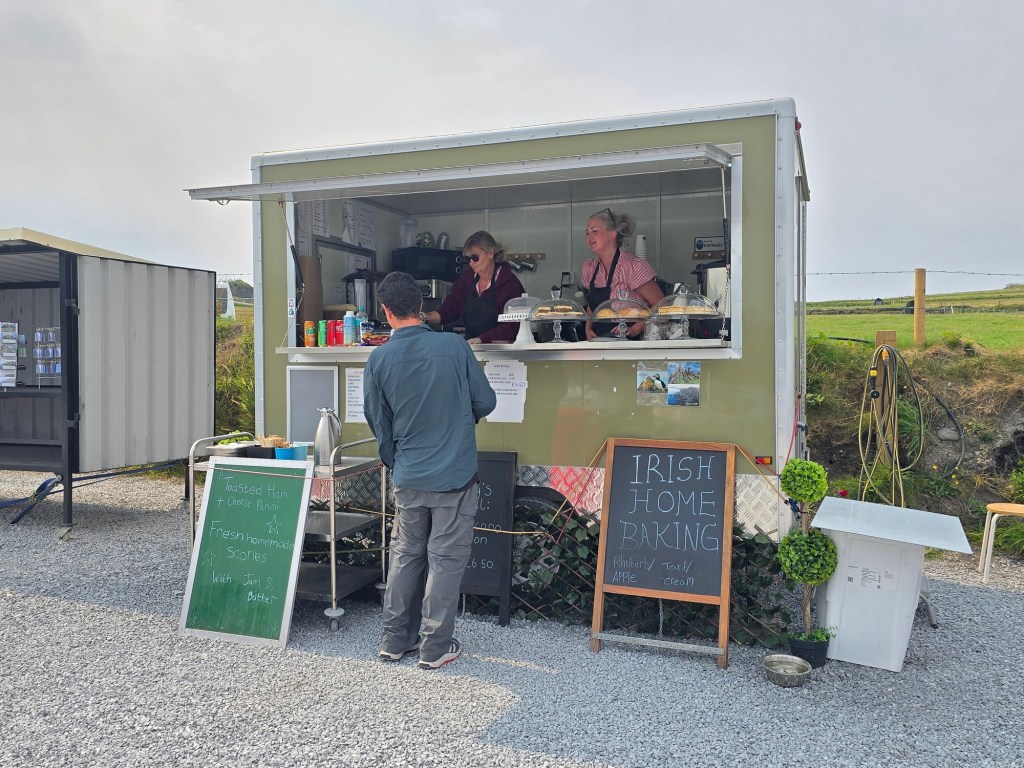
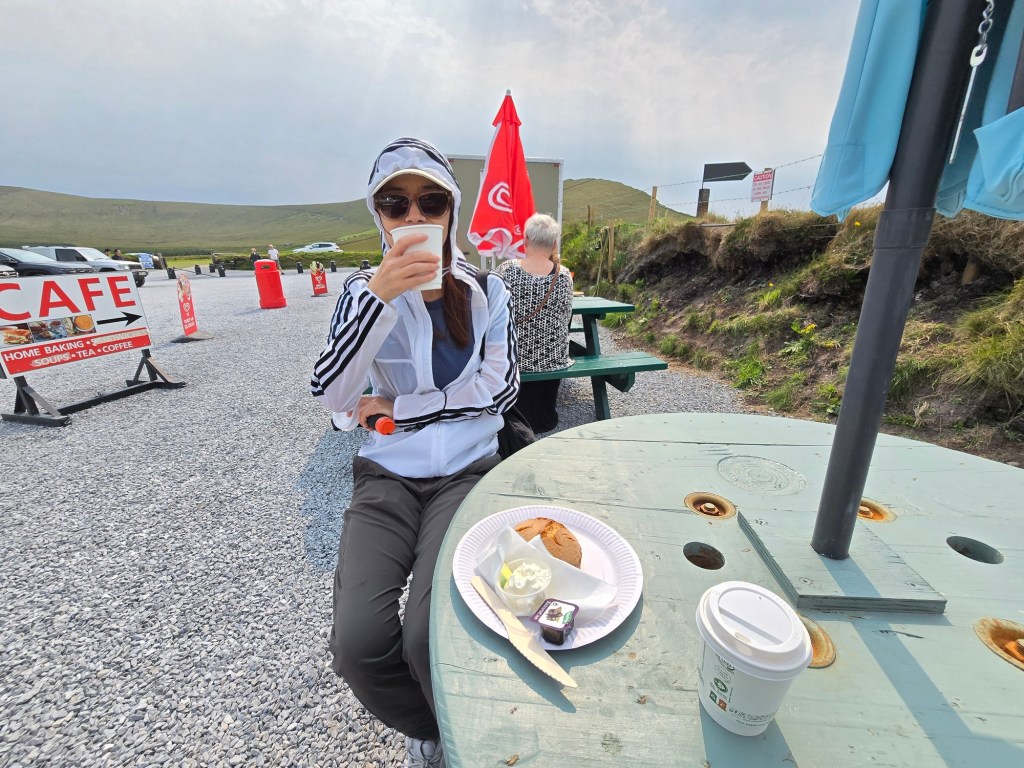
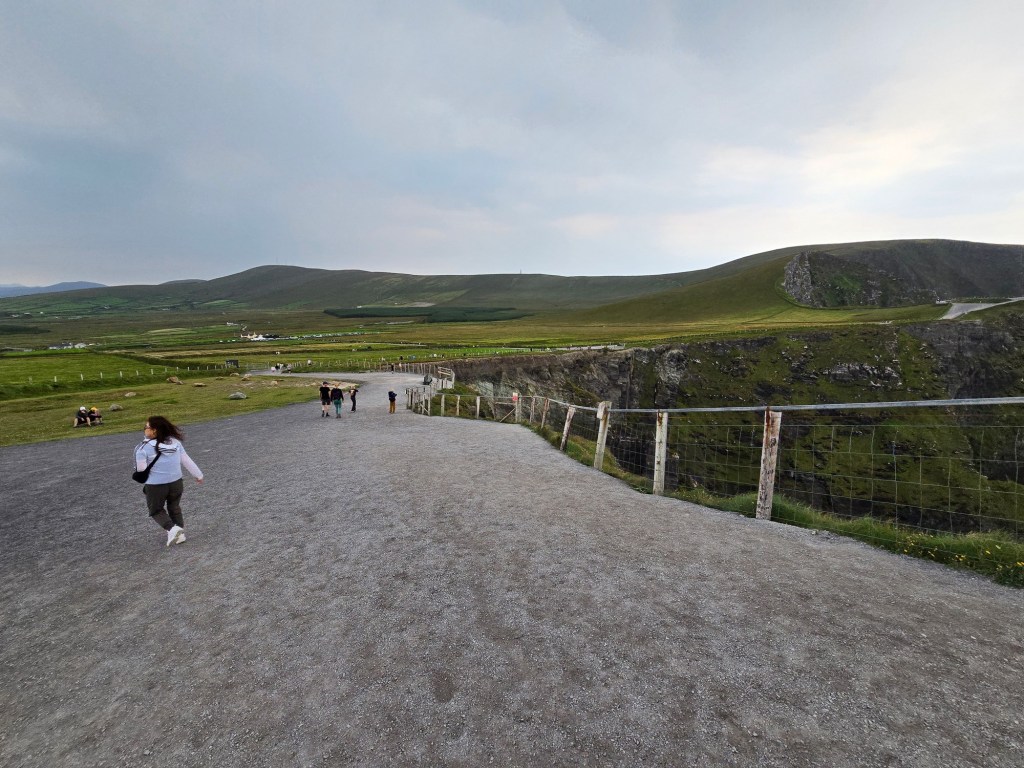
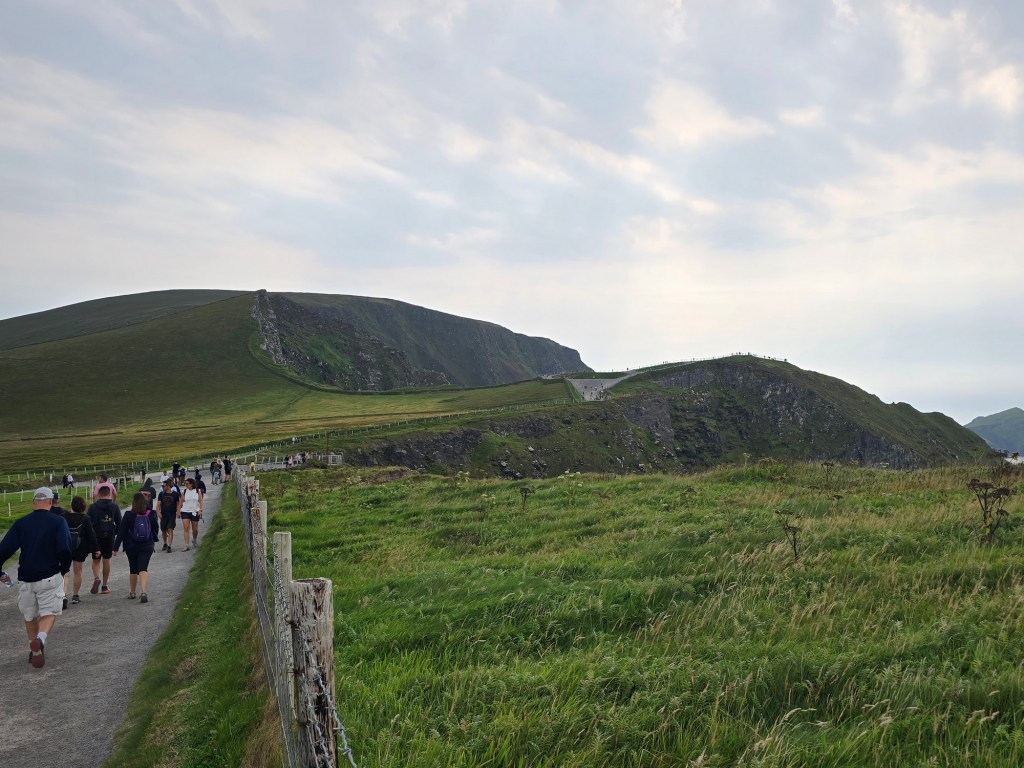
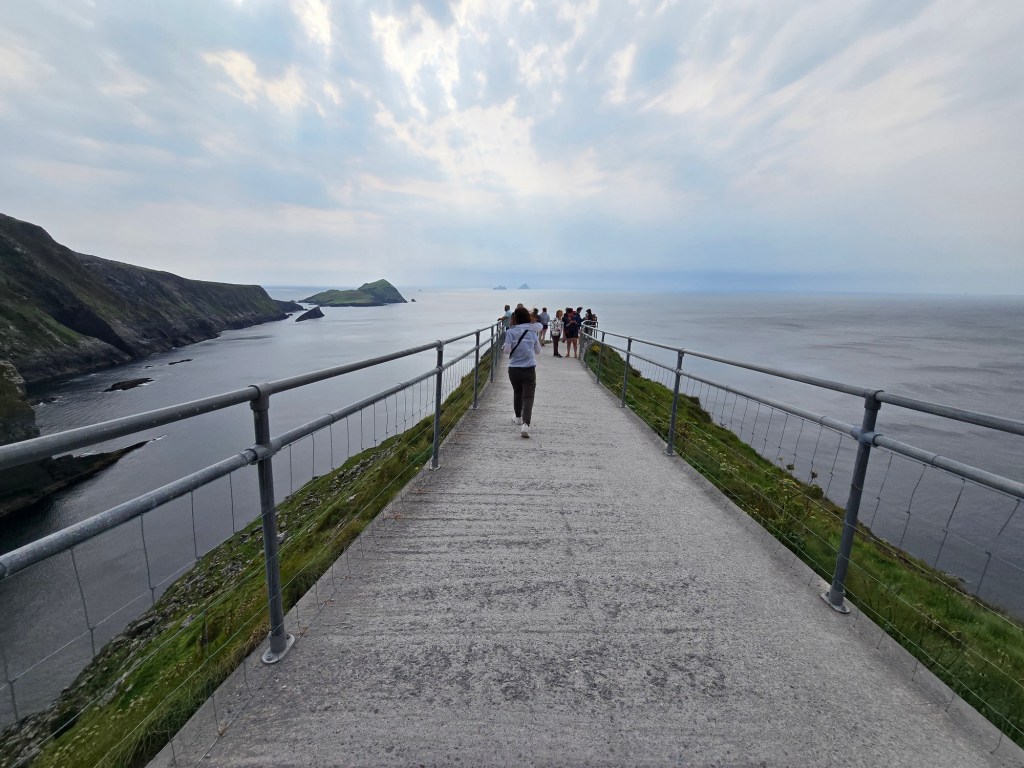
The entry fee was 5 euros per person, and the place had people was busy but not overly crowded when we visited. You have to do a short but steep hike up to the three viewing points. but the overall distance between them was not great.
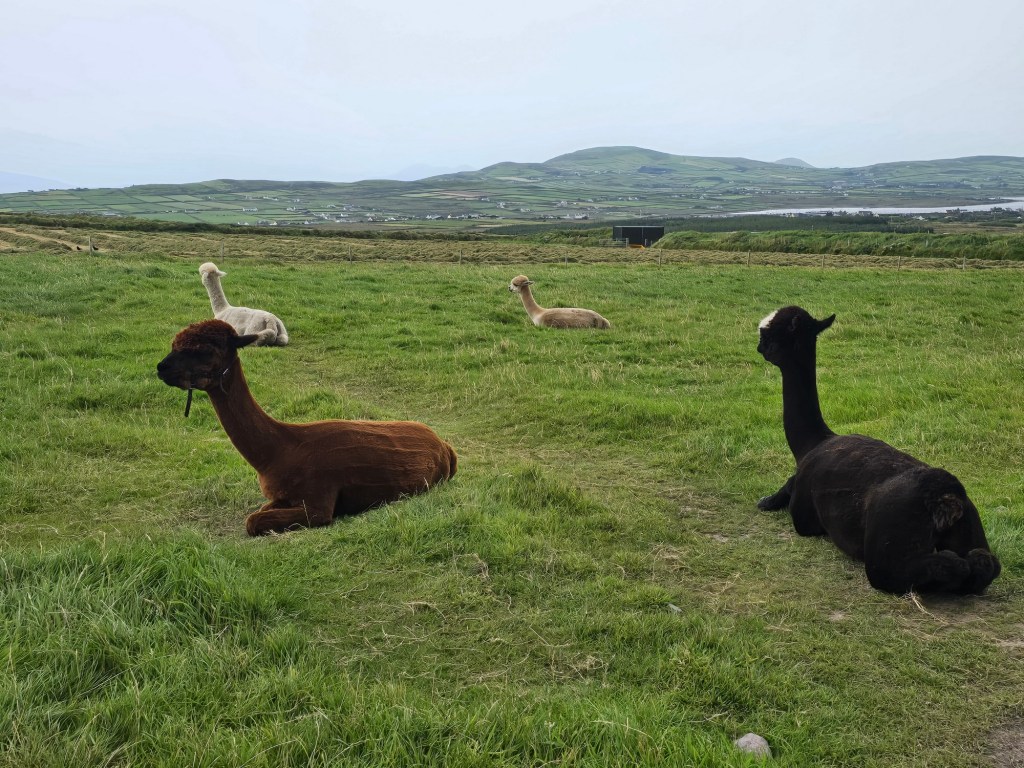
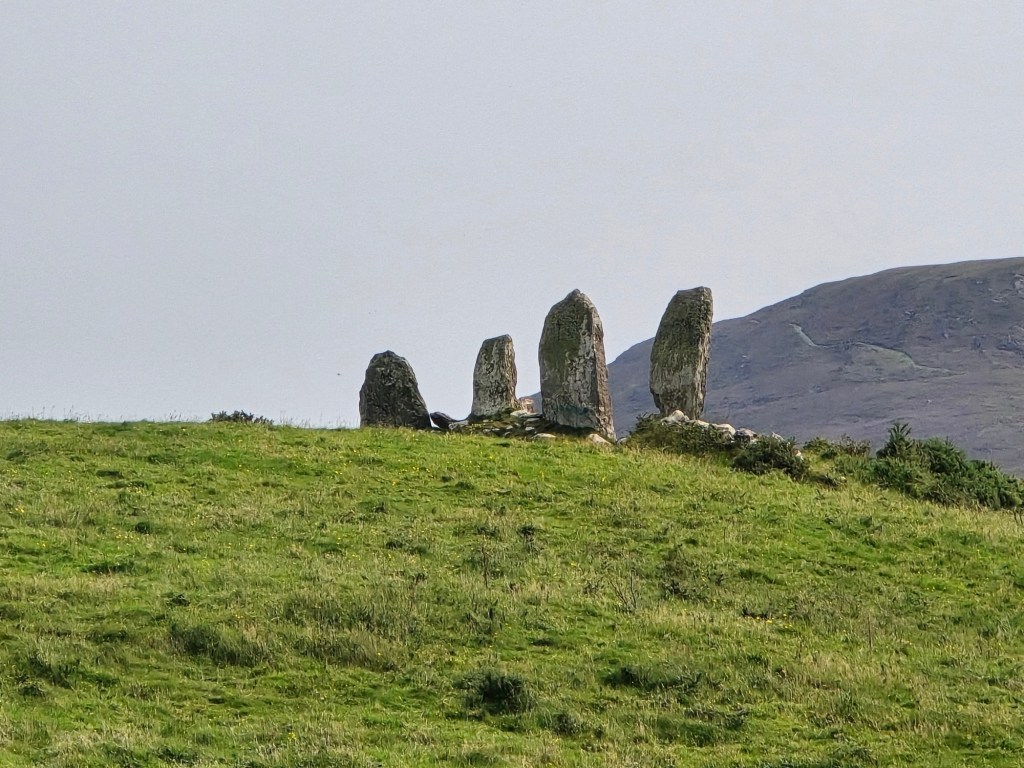
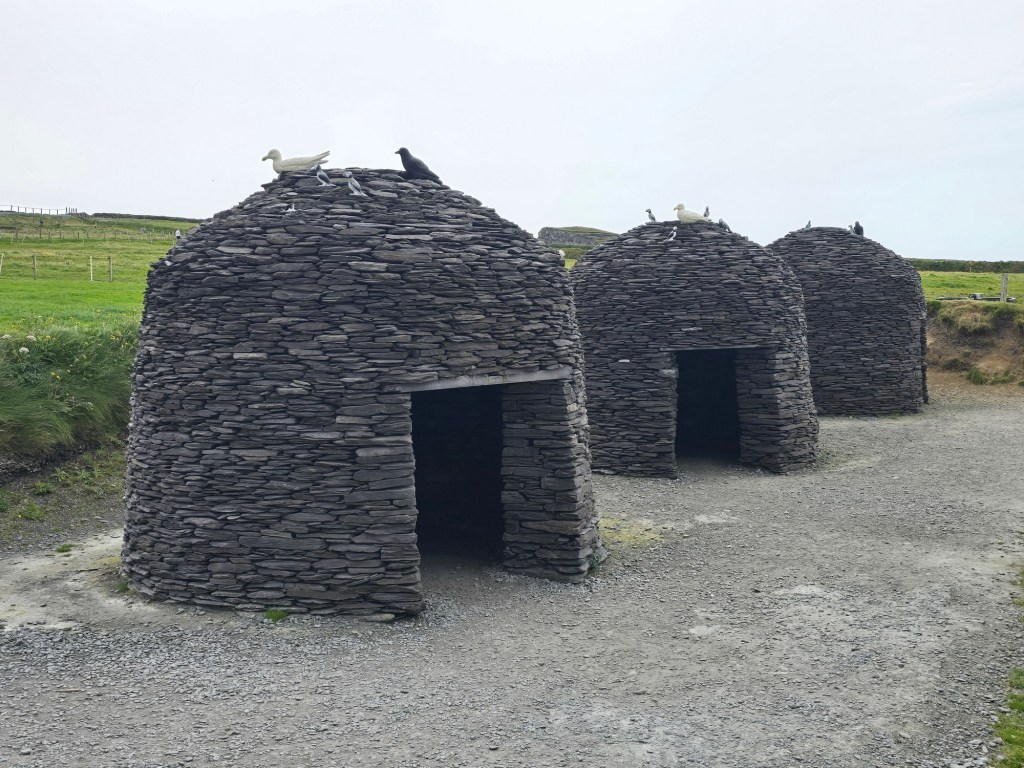
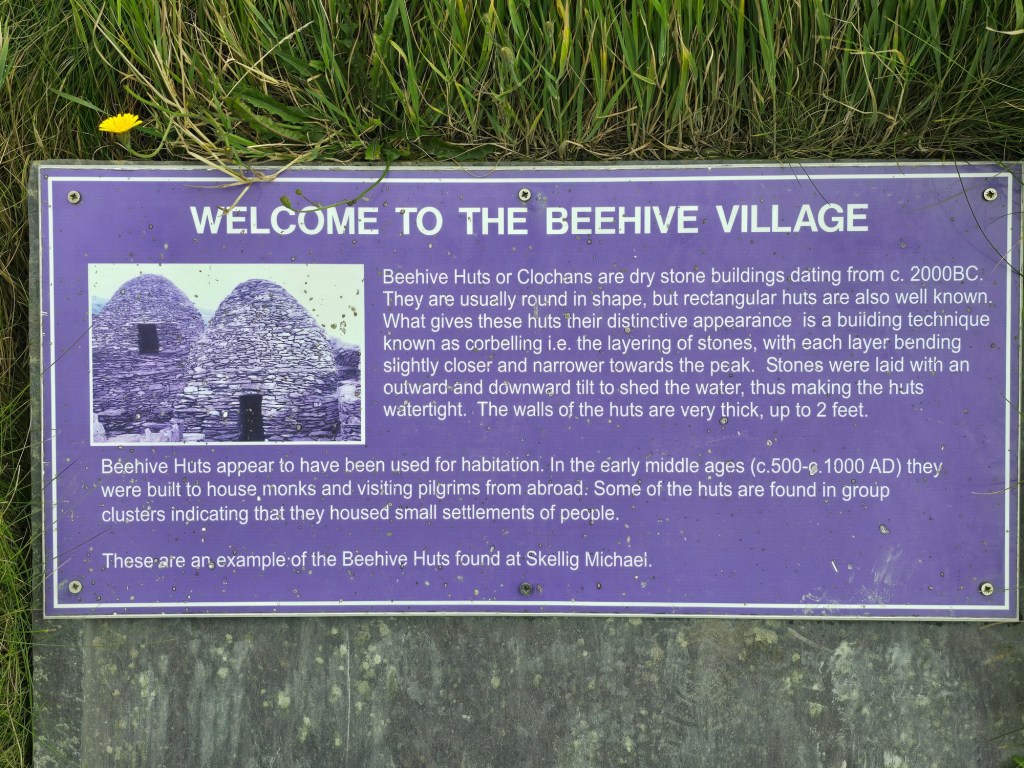
Close to the cliffs are some reproductions of the beehive huts that monks used to live in. On nearby Skellig Island, up to a dozen monks would live in them. It’s hard to imagine how life would have been for them in the middle ages with only occasional visitors to the isolated island.
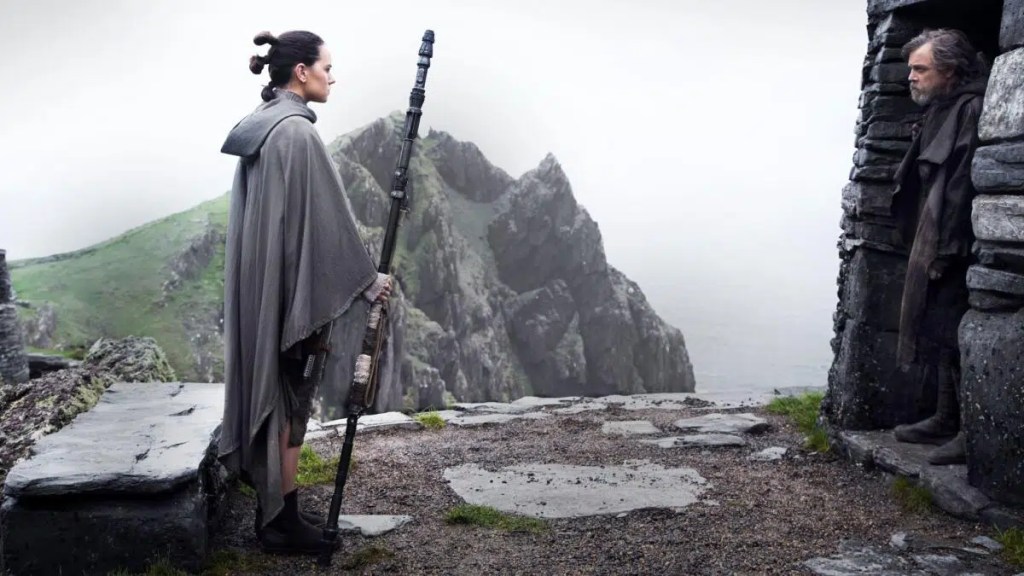
Skellig Island is also famous for being the shooting location for one of the Star Wars films. We wanted to visit, but it required almost a full day and we didn’t have the time to spare. Hopefully next time…
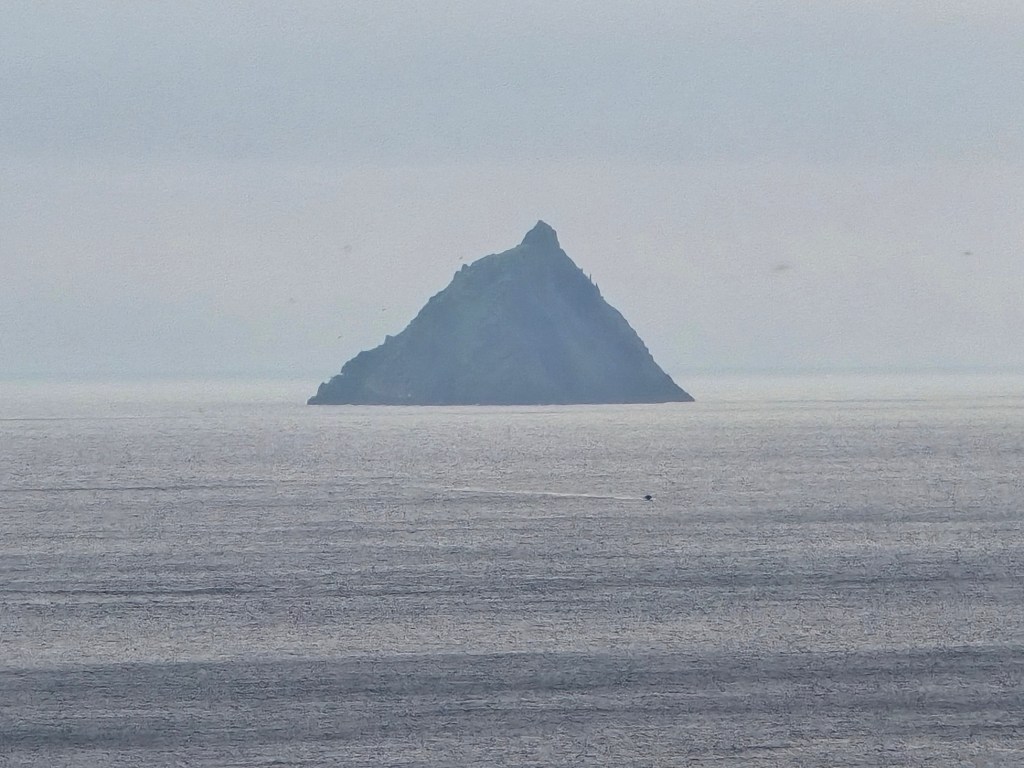
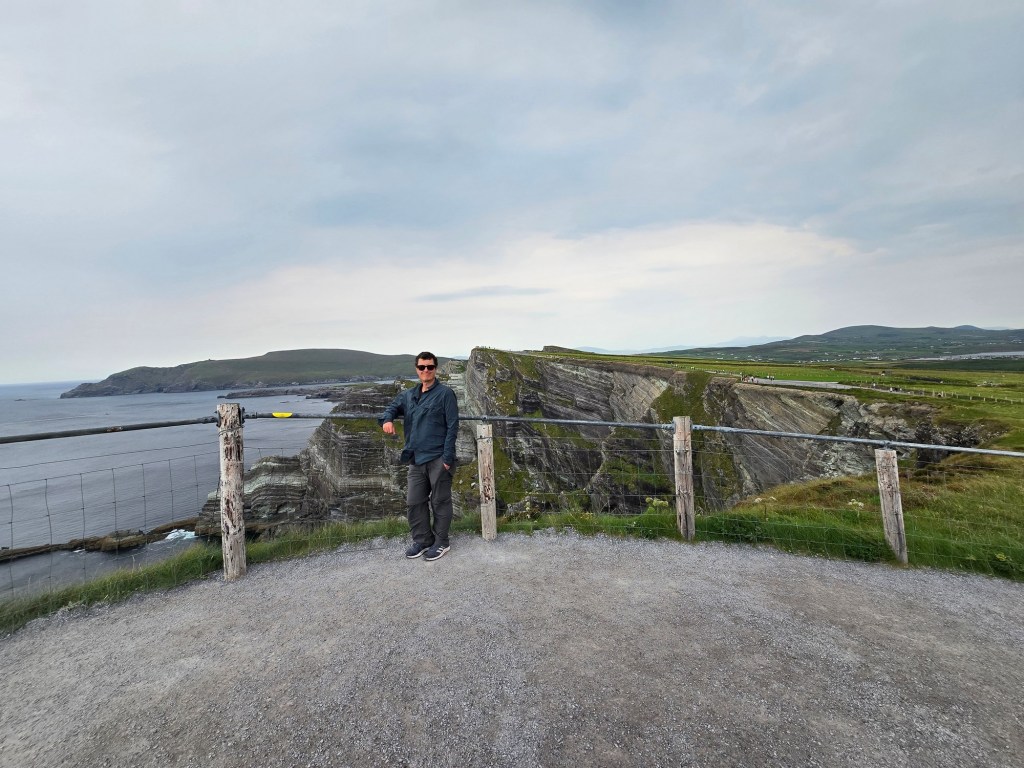
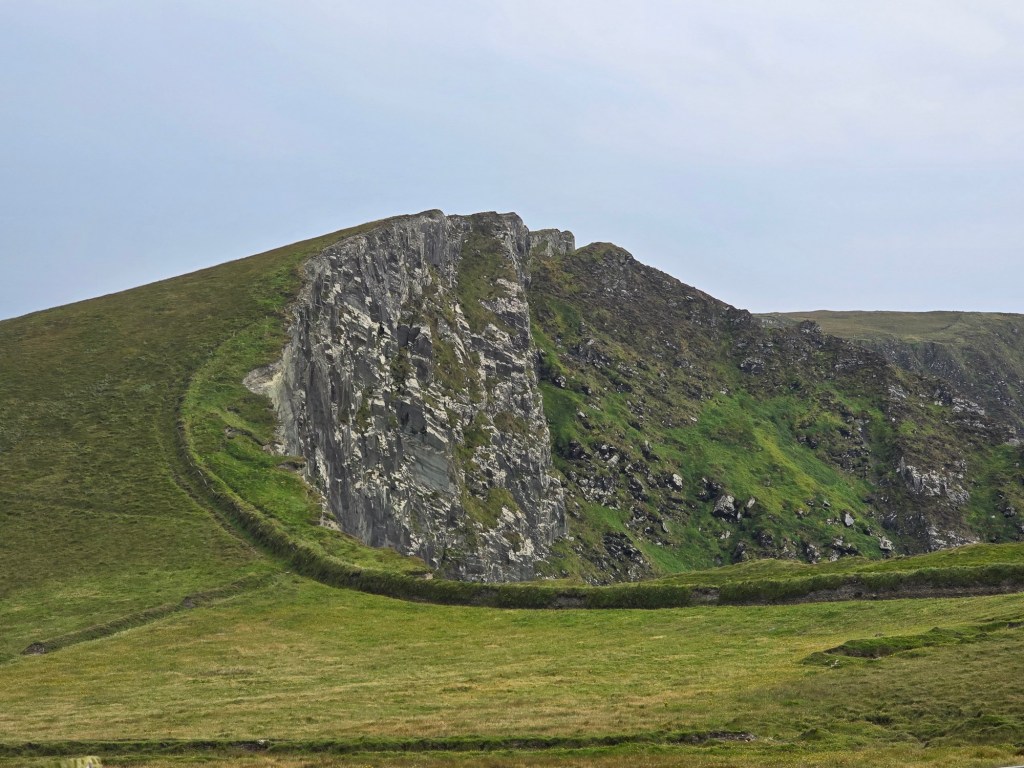
The views from the three lookout points are spectacular. The Kerry Cliffs don’t take more than an hour or so to do, but they look great. They are higher than the Cliffs of Moher, although they are not as wide overall.
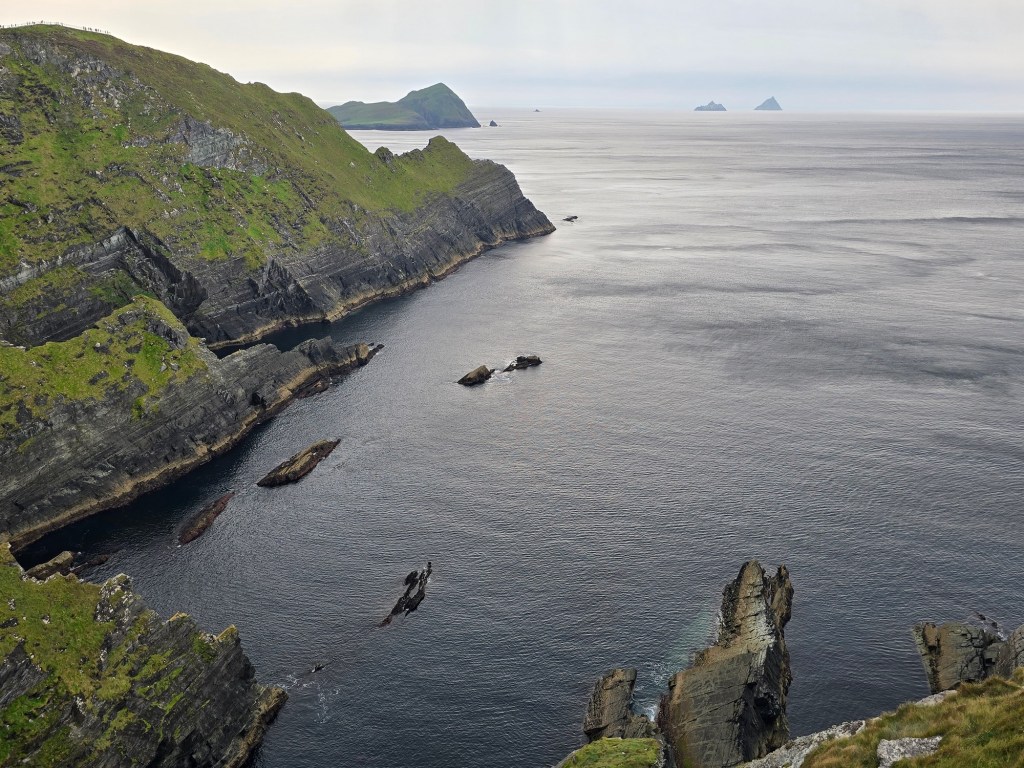
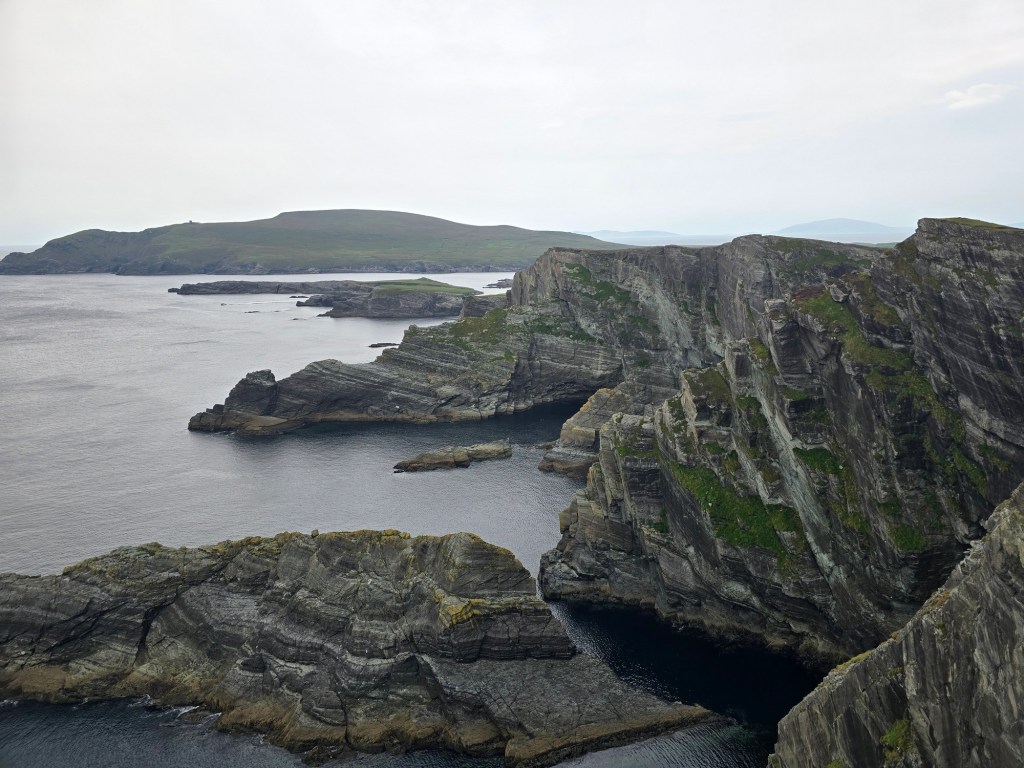
The Kerry Cliffs and the Ring of Kerry
We found the Kerry Cliffs to be breathtaking in size and were glad to have checked them out. After spending an hour there we moved on to Valentia Island. This location is famous for being the site of the first permanent transatlantic telegraph cable in 1866. For the first time, communication between Europe and North America was reduced from weeks (by boat) to minutes (by wire).
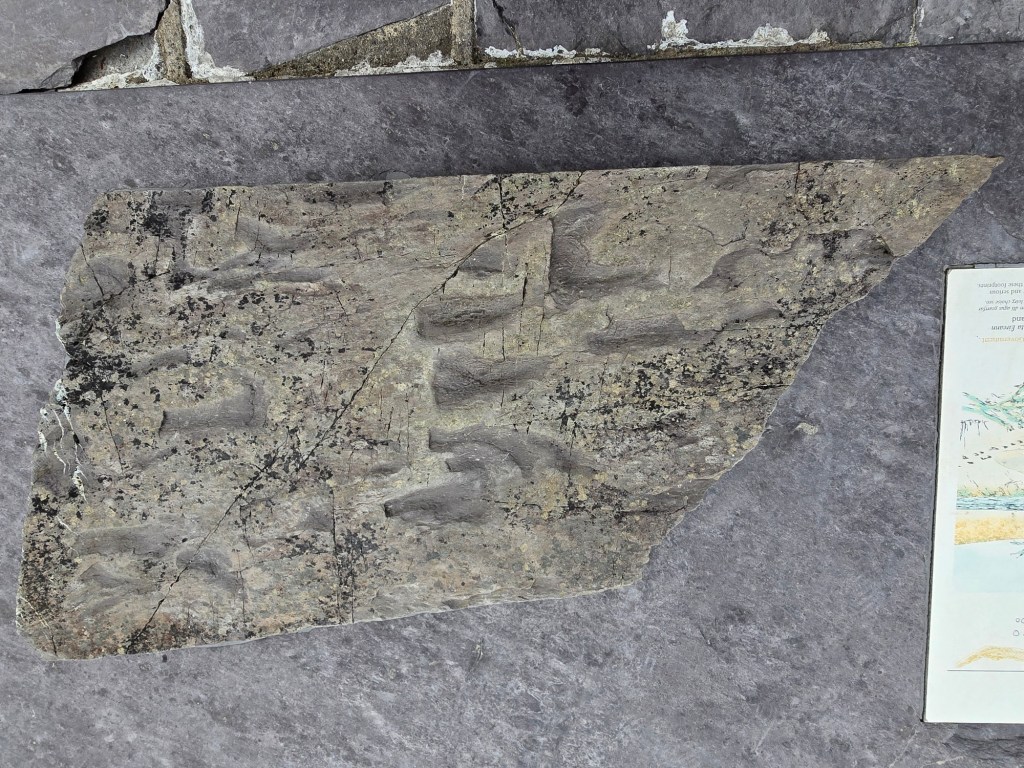
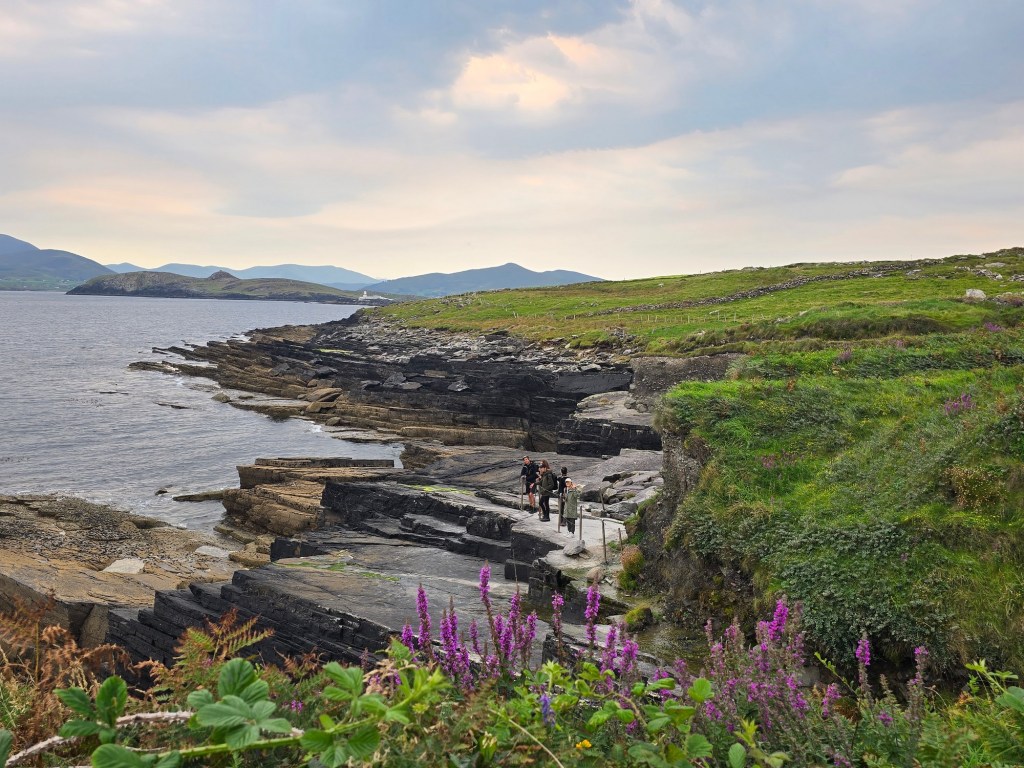
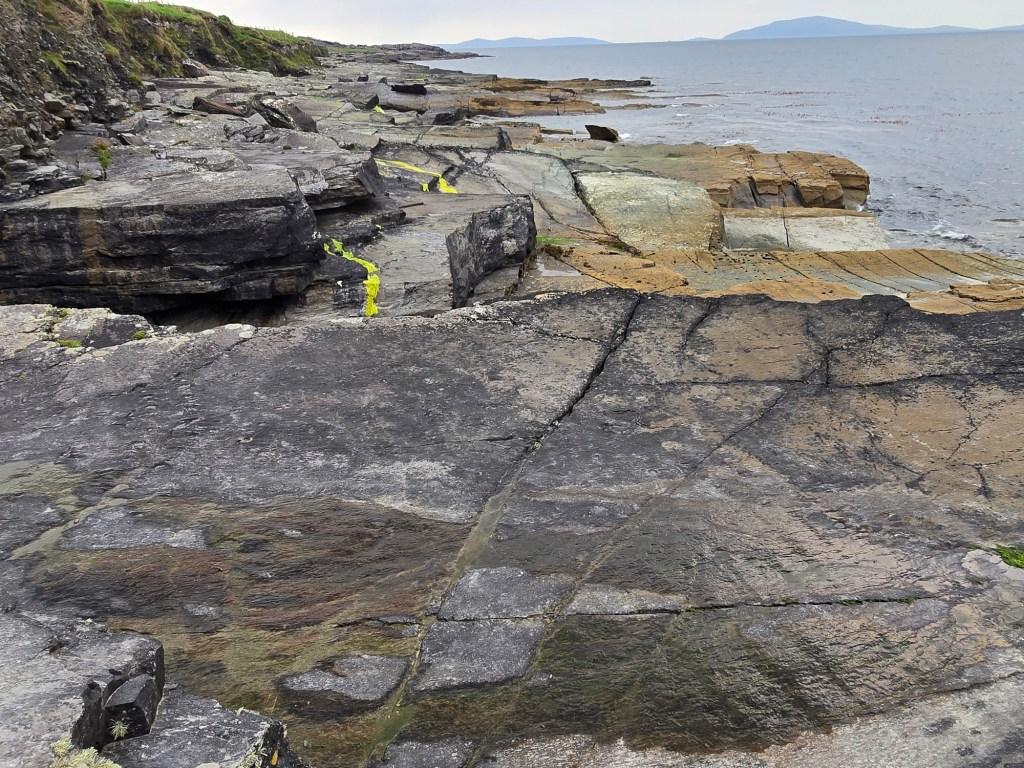
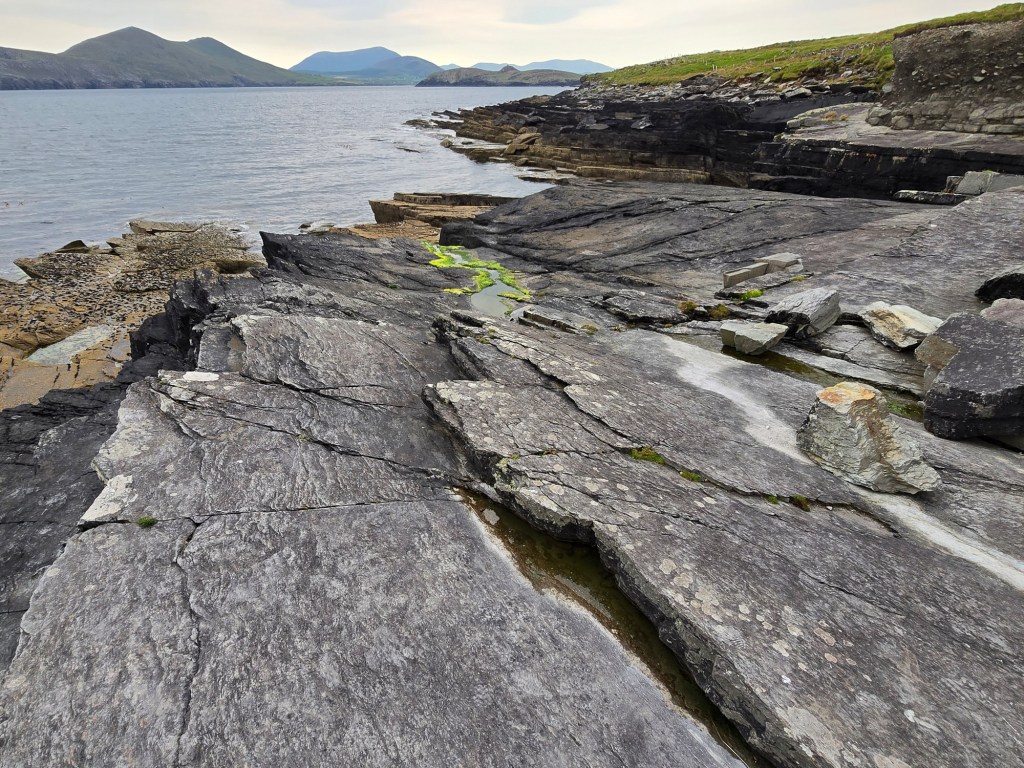
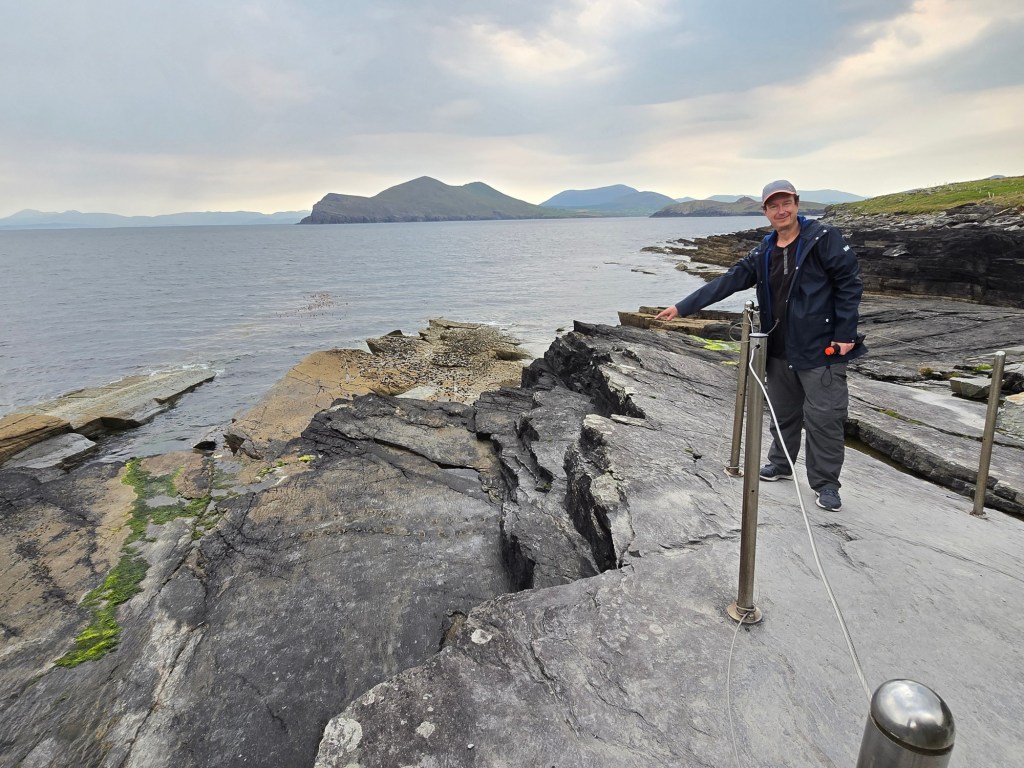
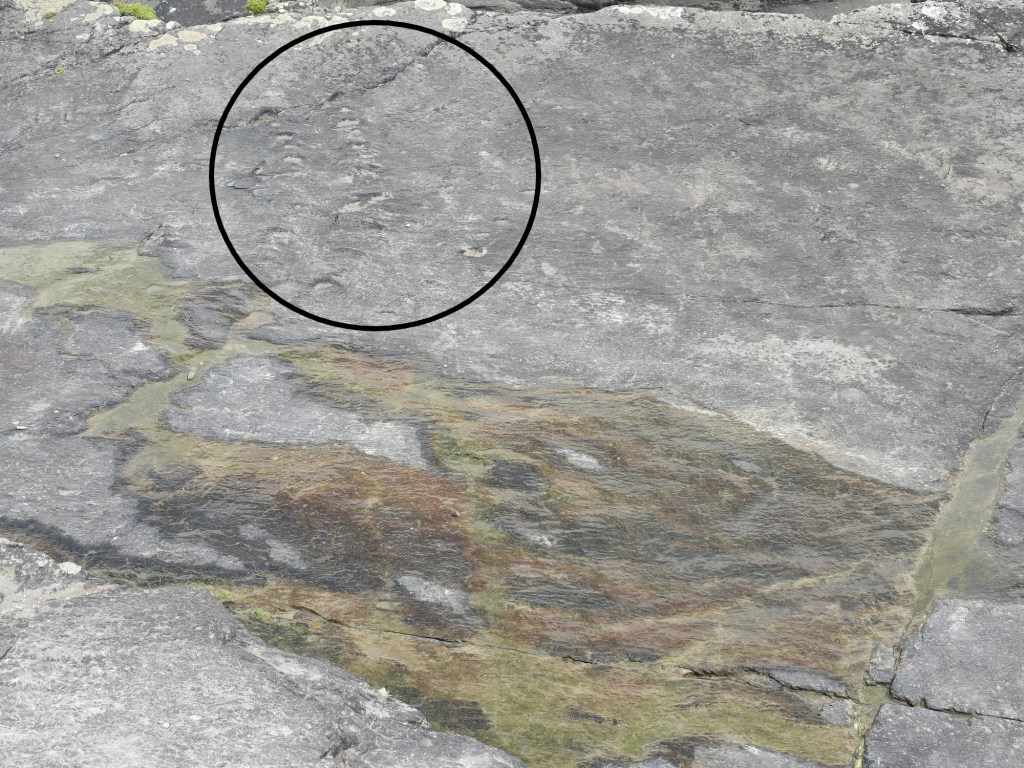
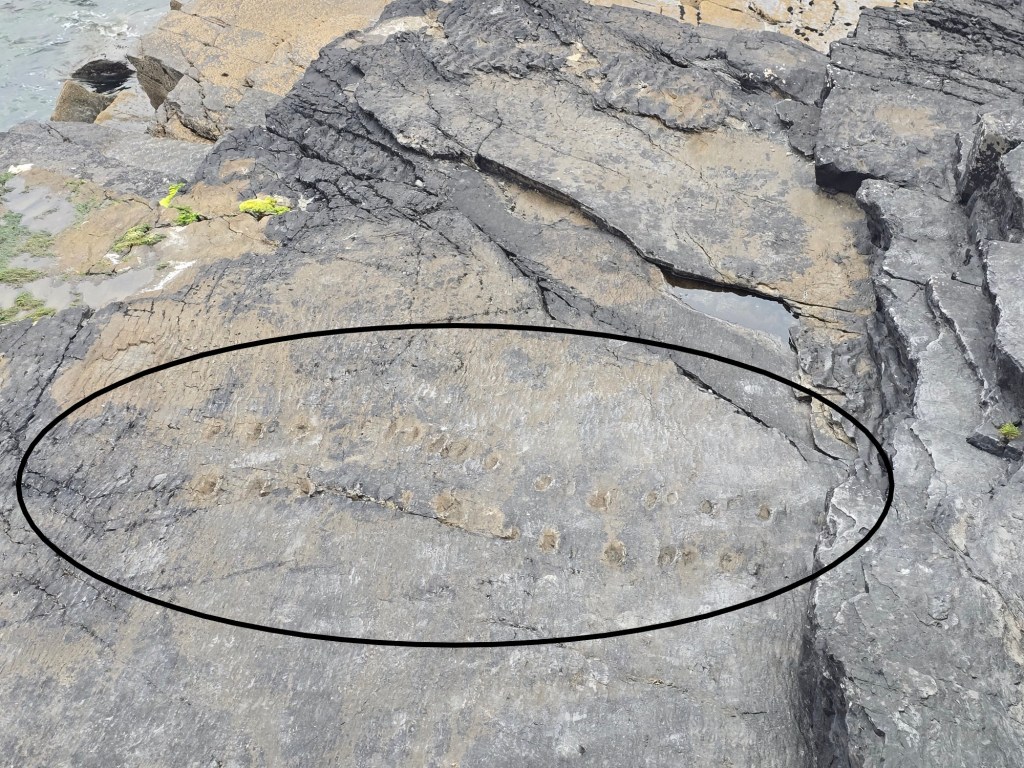
But we were on Valentia Island for something completely different–ancient fossils! In 1993 an undergraduate geology student discovered a tetrapod track on the northeast part of Valentia Island. Tetrapod tracks are the footprints of an animal believed to have been created about 385 million years ago. The Valentia Island trackway is significant because it provides some of the oldest evidence of one of the first water-dwelling creatures which crawled out of the water and made the important evolutionary step toward living on land.
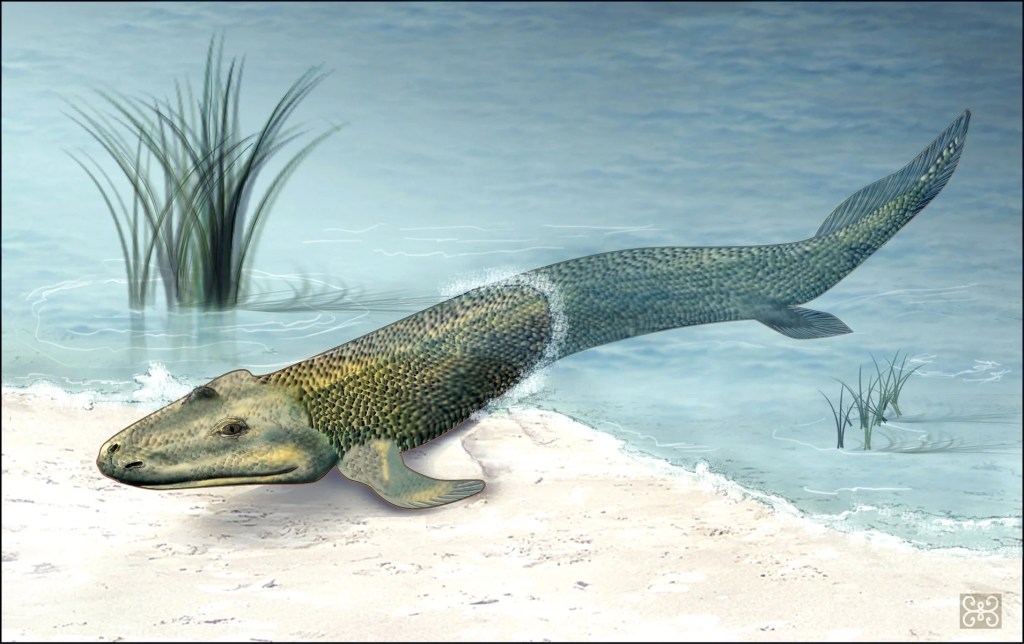
Finding the tetrapod site required some narrow roads and a close watch on the GPS, but we eventually reached the small parking lot. From there it was a short walk down to the water.
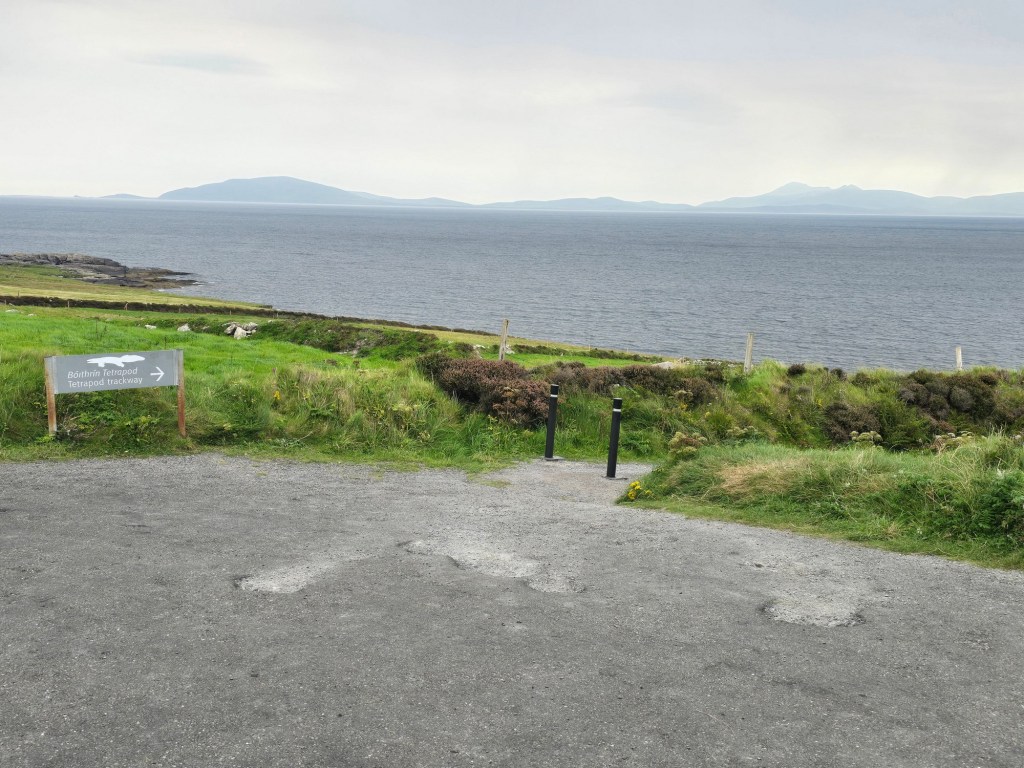
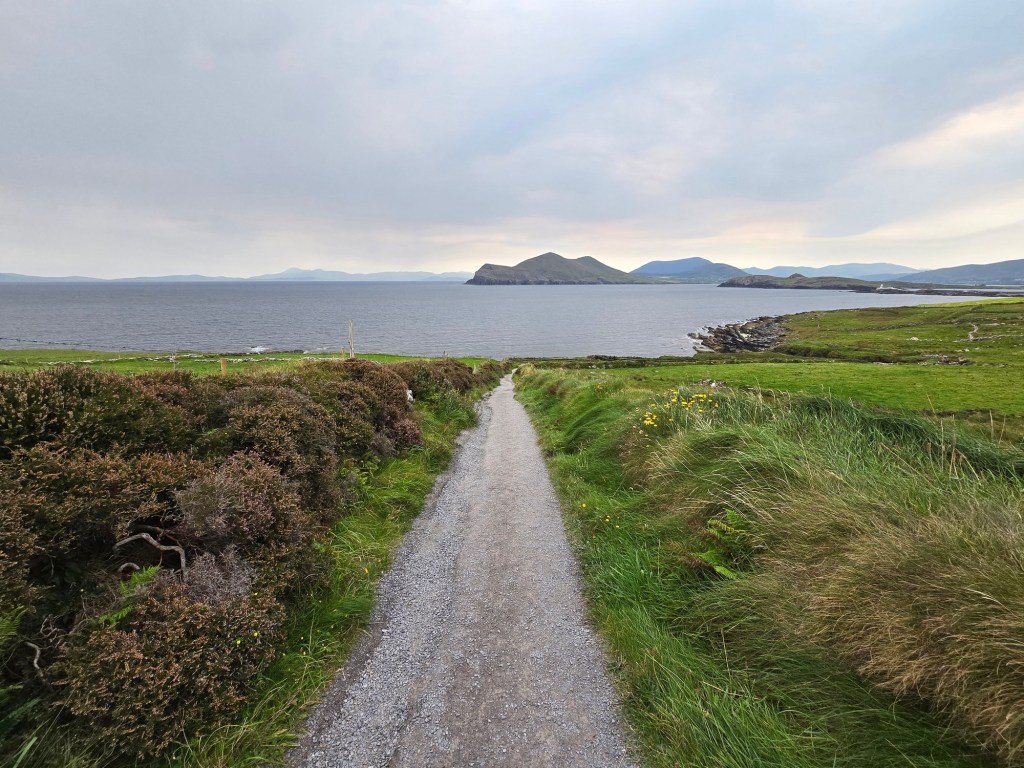
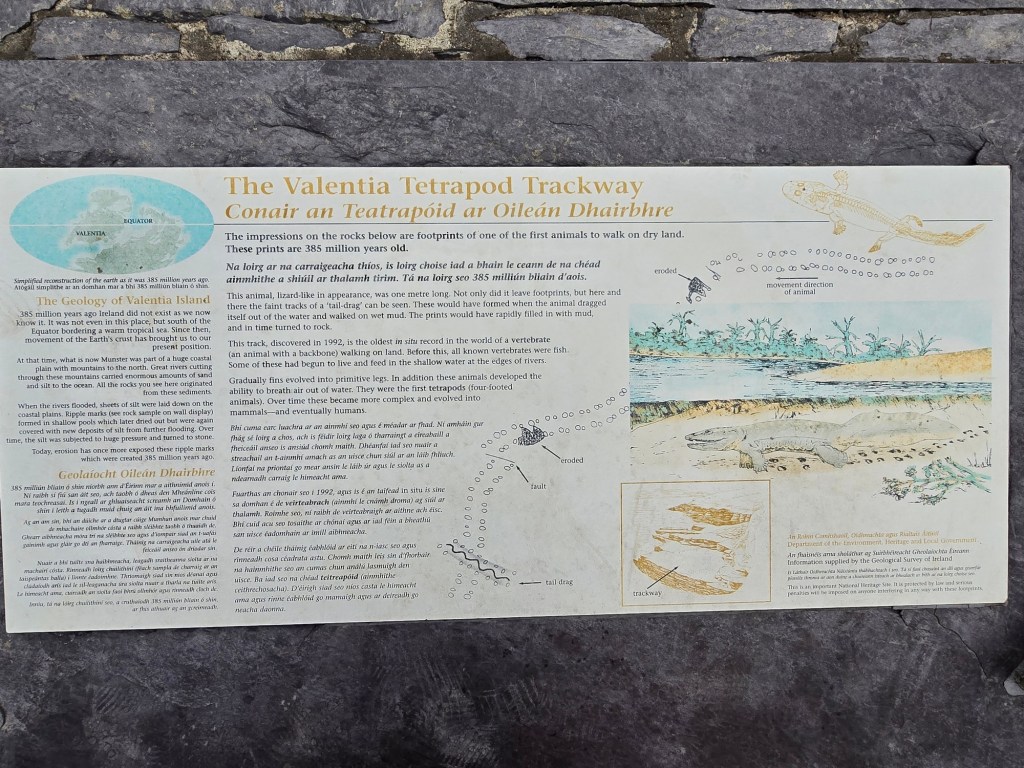
Although we didn’t see everything we wanted to, our trip around the Ring of Kerry was a success. It’s a nice place to drive, and you can stop off at a number of places to rest and just enjoy the view. We had just begun our trip along the west coast of Ireland, but we were already loving it. These impressive sights would continue with our next post from the Dingle Peninsula.
 Humphreys Travel