
From the Dingle Peninsula we went north towards Galway City. Although we drove through the Burren with its rough, rocky landscape that is quite unique to this part of Ireland, we skipped on one important site. We decided not to do the nearby Cliffs of Moher. This will likely surprise most, but we did it for a specific reason.
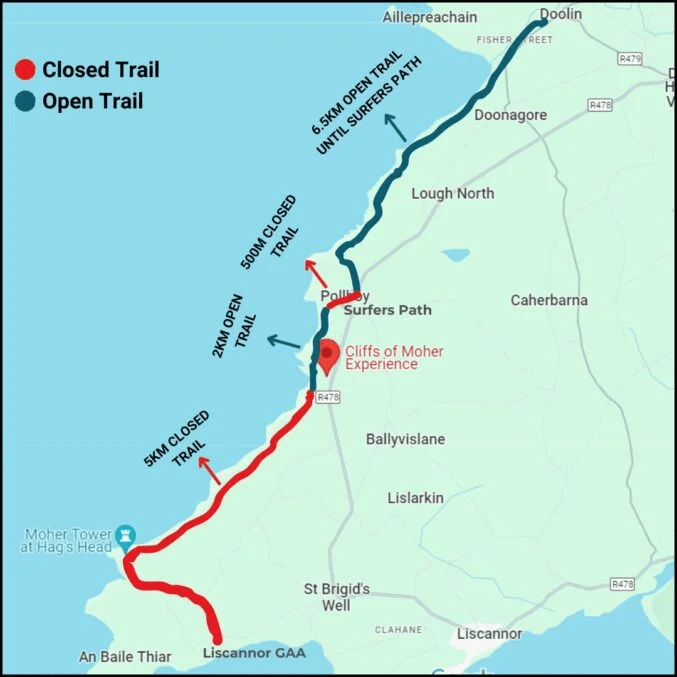
Although the area directly in front of the cliffs is still open, it represents only a portion of the total cliff walk. The walking trail around the Cliffs of Moher have been temporarily closed because they are working on repairing the cliff trail. This meant that we would be limited to walking along just a portion of the cliffs and would face far more people packed into a much smaller area at the height of tourist season. Since we like to do a full walk and didn’t want any disappointment, we chose to do the Cliffs of Moher next time. We’ve already decided there will be a next time because there are too many interesting places in Ireland we didn’t see this time around!
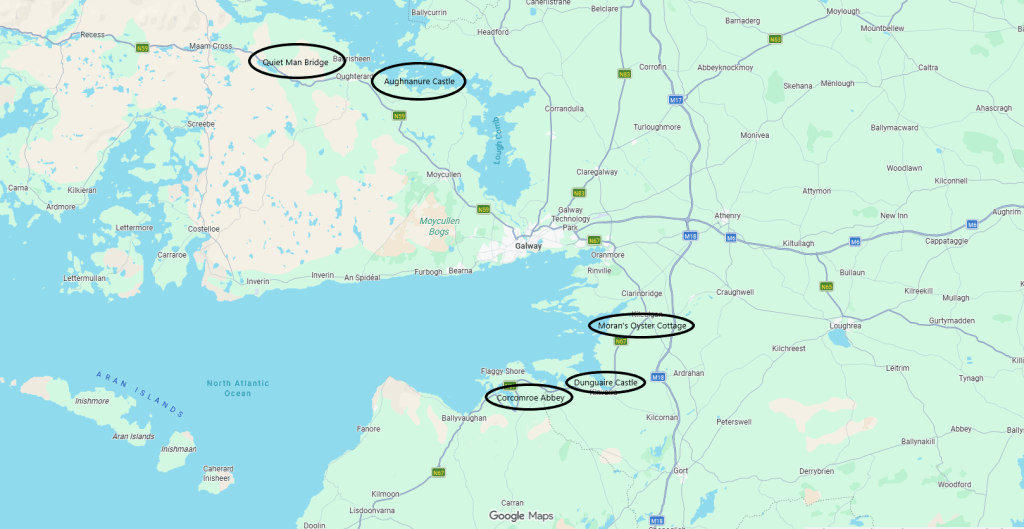
So instead we moved northward. There were four places we wanted to visit near Galway. Two were south of the city and two were to the north. We also had lunch at a popular spot in the middle. Those places were:
- Corcomroe Abbey
- Dunguaire Castle
- Moran’s Oyster Cottage (lunch)
- Aughnanure Castle
- The Quiet Man Bridge
We ended up doing the first three on the way to our accommodations a short distance outside Galway, and did the other two a day later.
Corcomroe Abbey
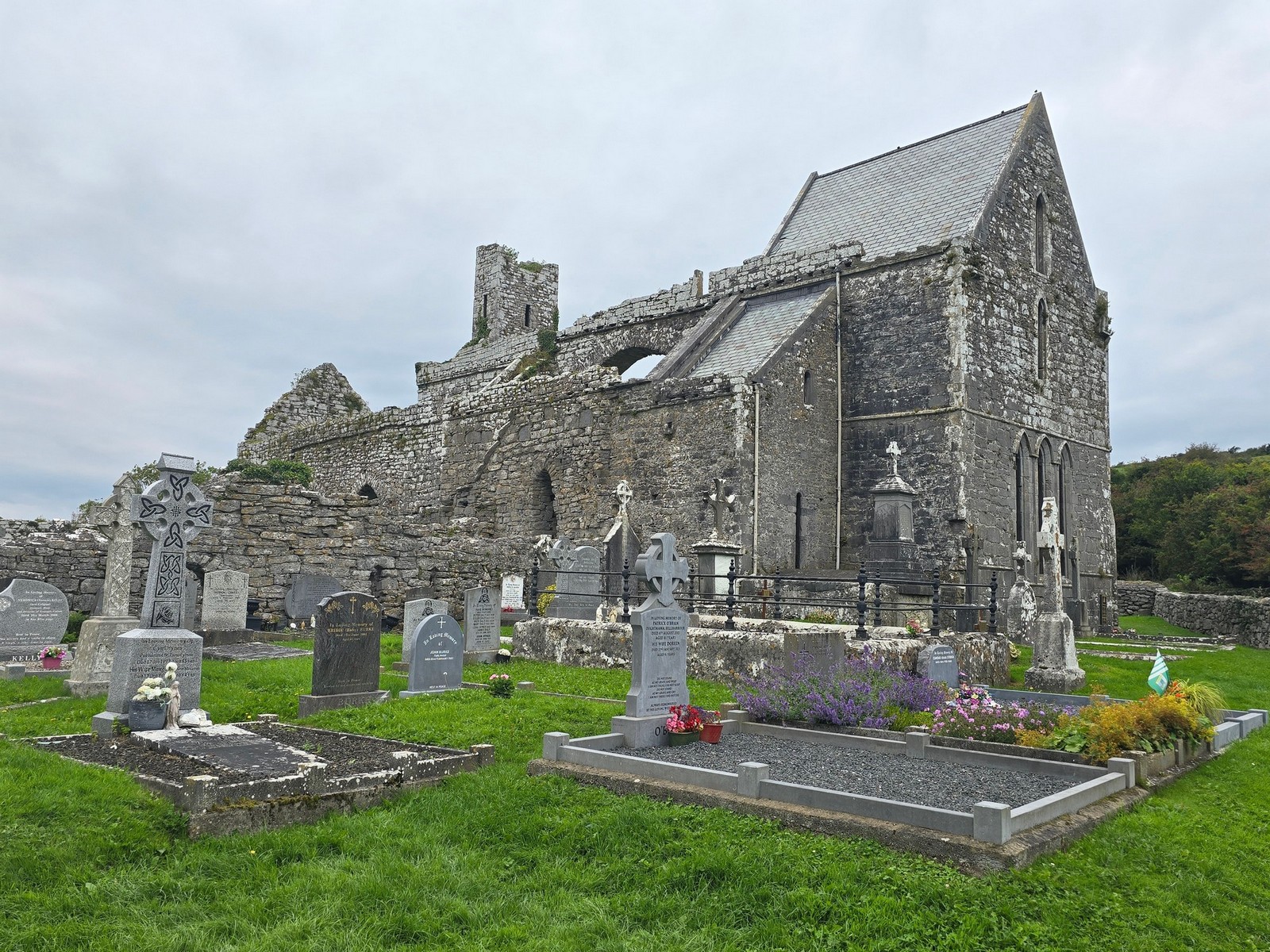
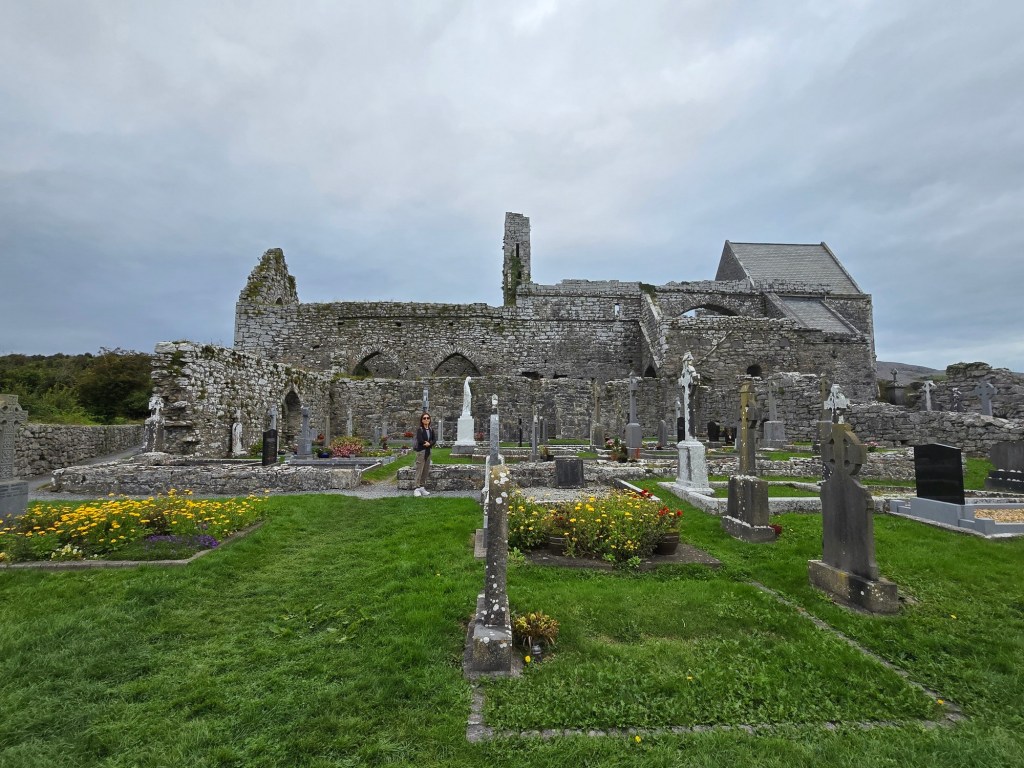
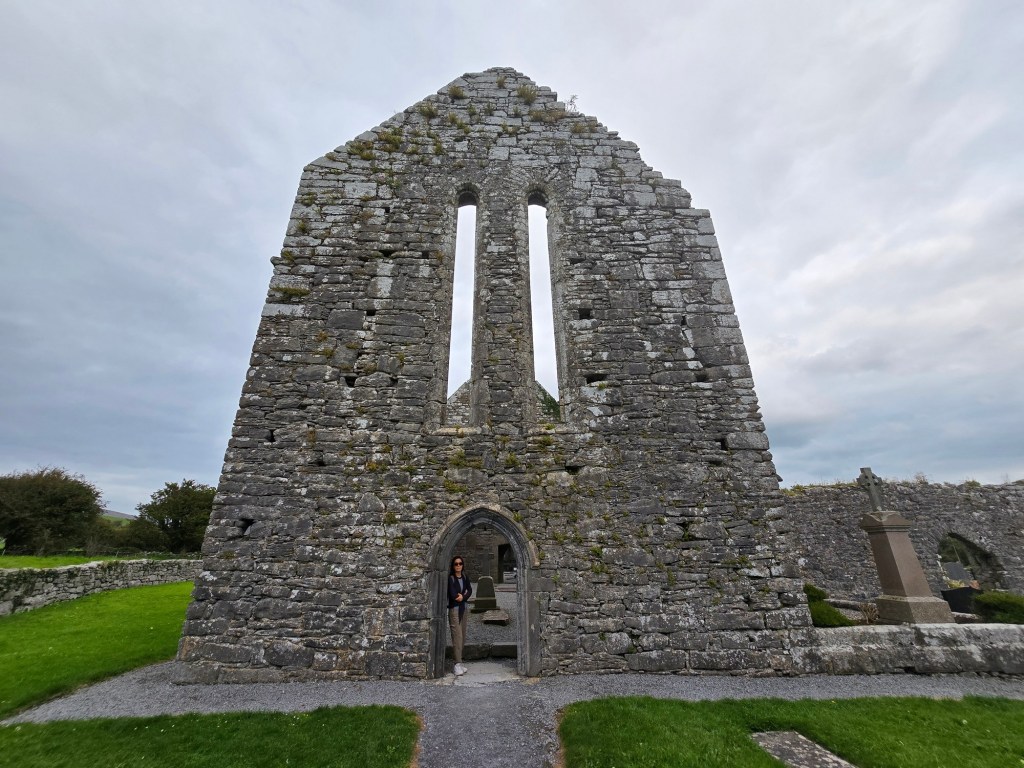
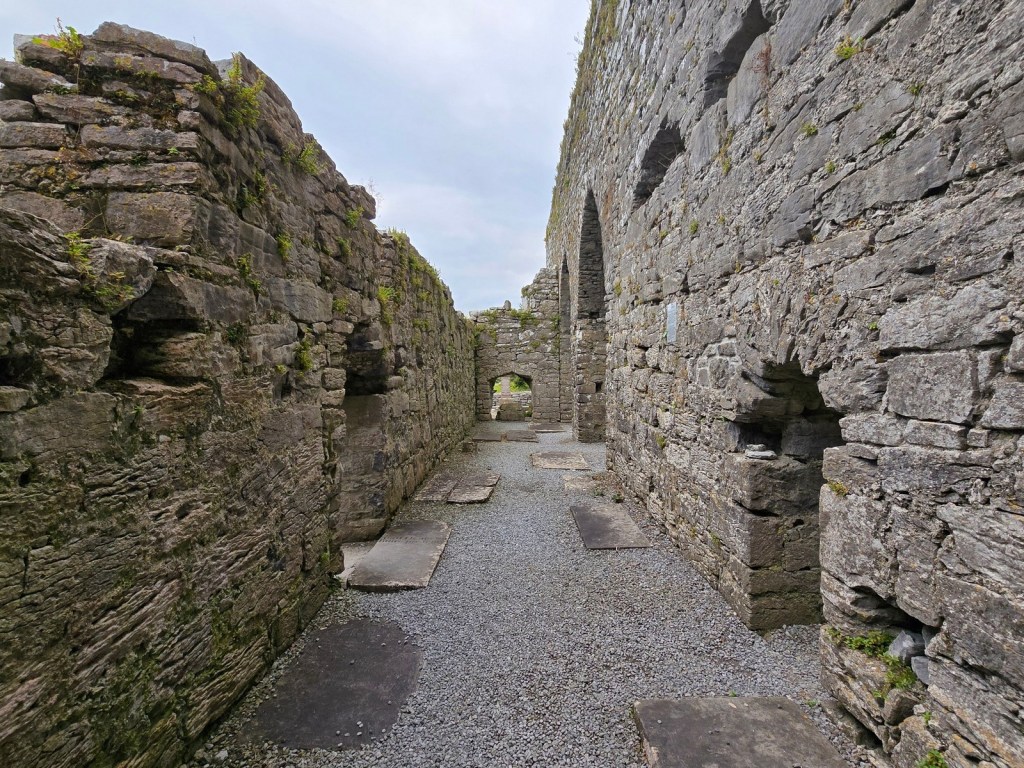
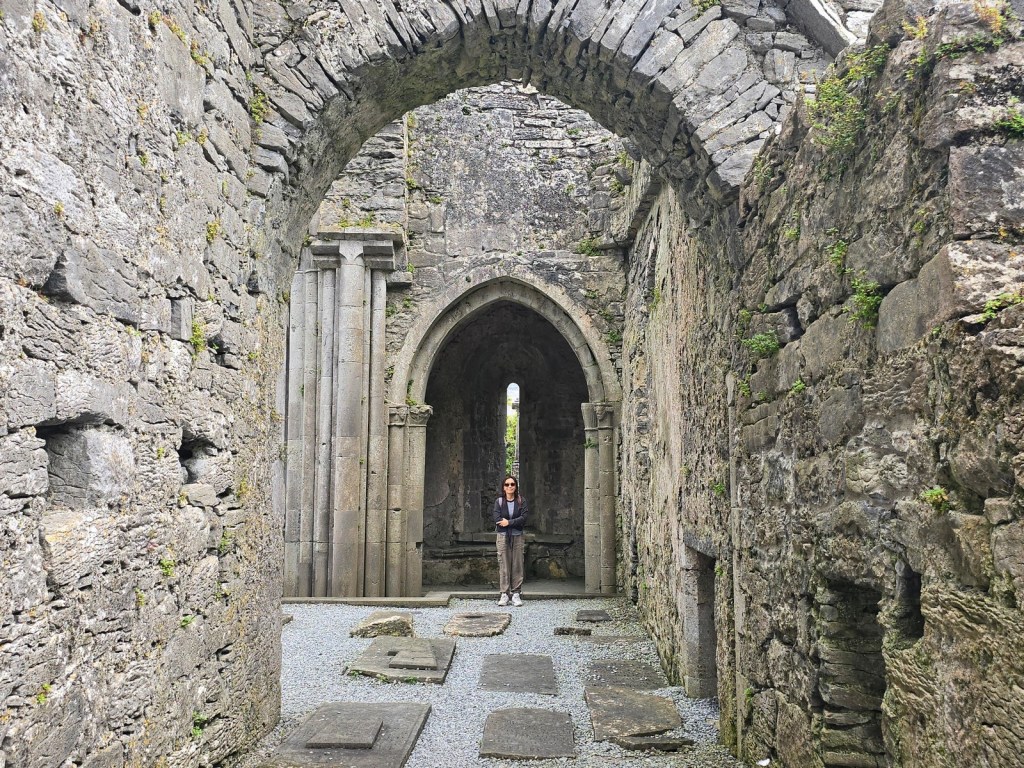
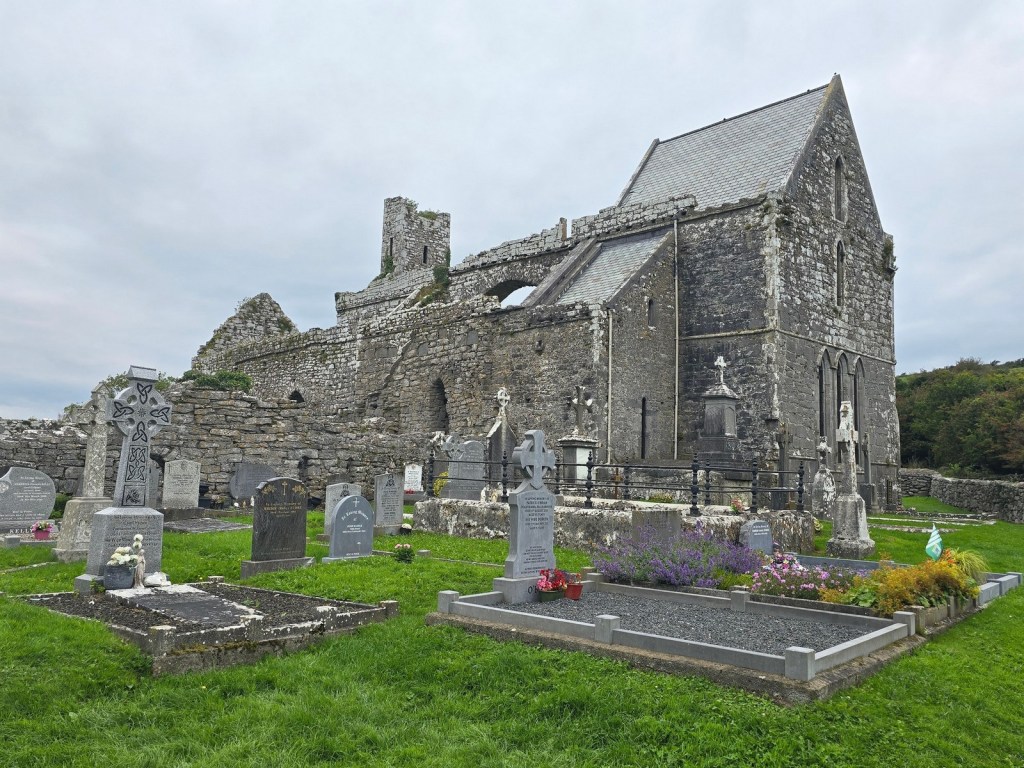
As we made our way through the Burren we found the first stop: Corcomroe Abbey. The abbey is surrounded by the stark limestone hills of the Burren, but sits in a fertile green hollow. The mostly intact walls of the grey abbey contrast with the greenery around it, making it a very atmospheric set of monastic ruins.
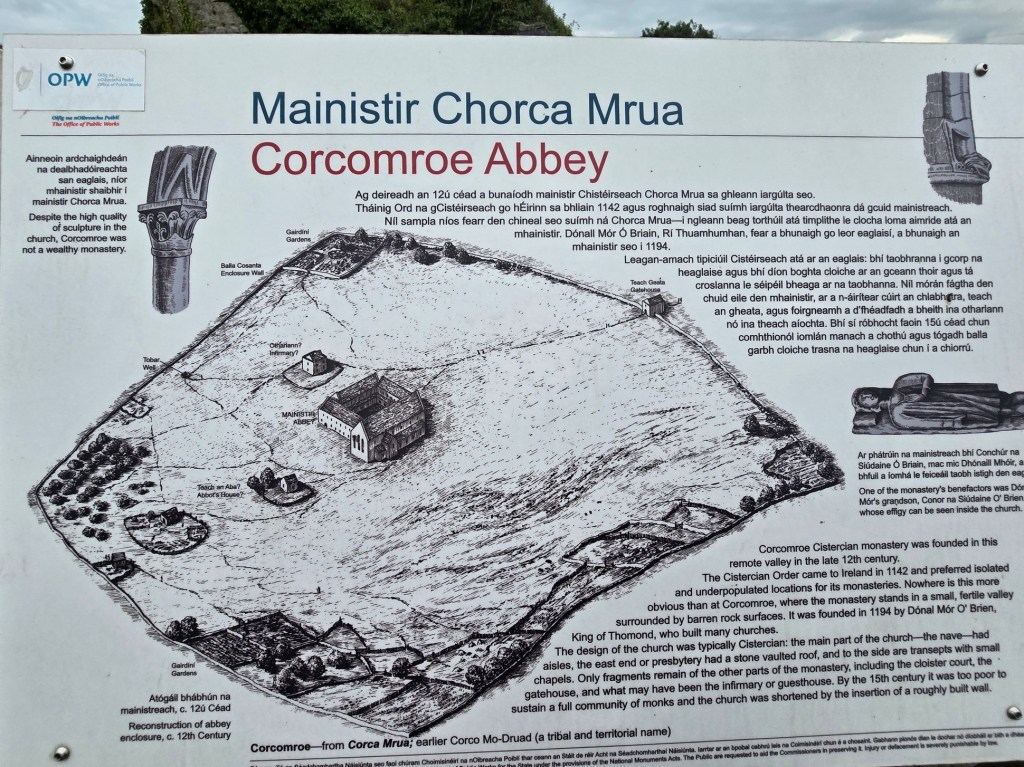
The abbey was founded in the late 12th or early 13th century, probably between 1195 and 1210. Most historians attribute its foundation to Donal Mór O’Brien, the powerful King of Thomond and a major patron of church building in medieval Ireland.
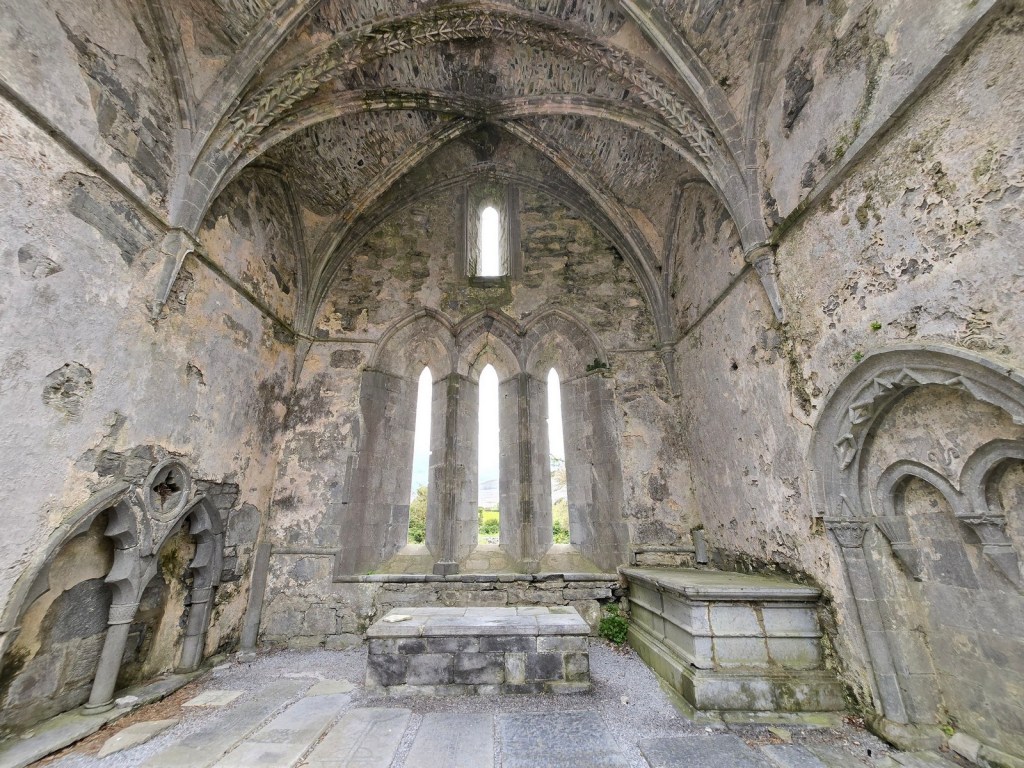
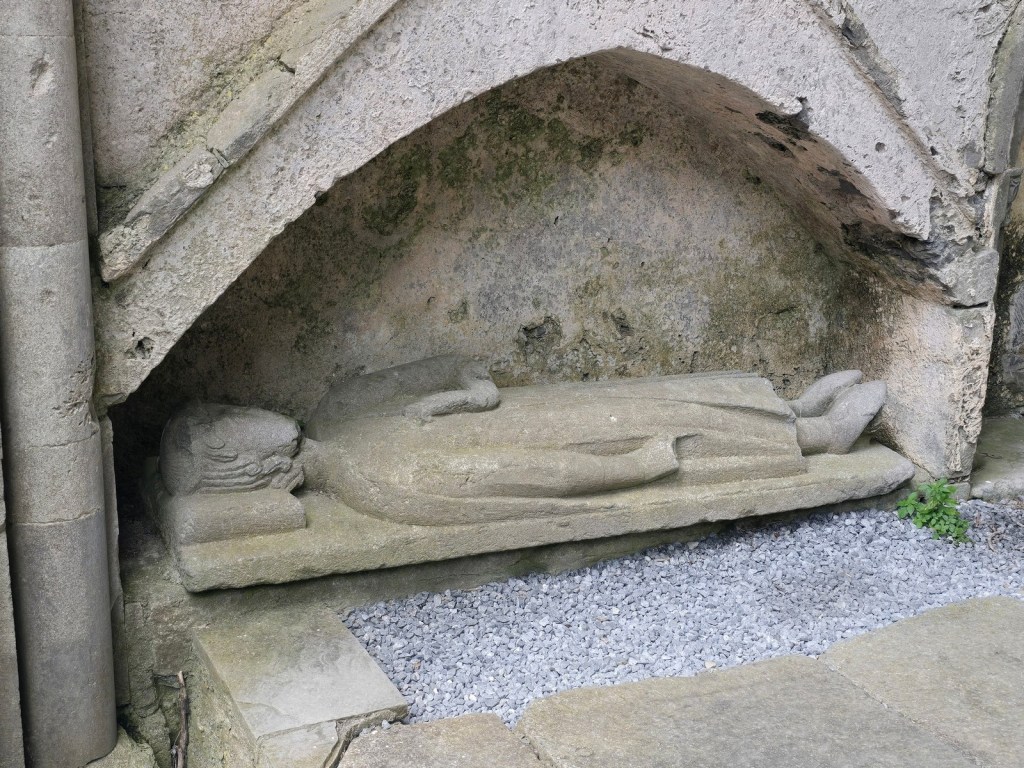
The craftsmanship is especially impressive in the eastern end of the church, where the stone vaulting and decorative carvings remain well preserved despite the building being roofless today. As we walked through, there were only a few other visitors around, and the area seemed much less visited because it’s a bit of a distance from the main roads.
After spending some time at Corcomroe, we returned to the car and drove north, eventually reaching Galway Bay. The next stop was easy to reach, as it sits on the edge of the bay right next to the main road. This was Dunguaire Castle.
Dunguaire Castle
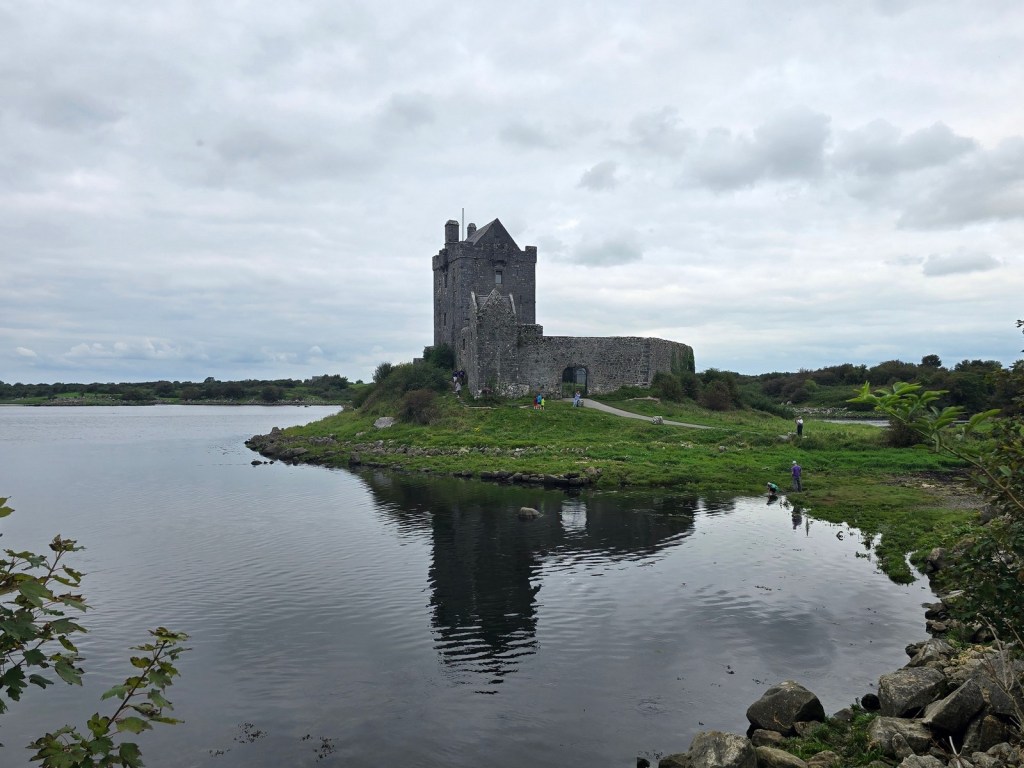
Dunguaire Castle stands just outside the village of Kinvara, at the gateway to the The Burren. Its picturesque setting—surrounded by water, limestone landscape, and stone walls—makes it a popular stop along the Wild Atlantic Way. The castle’s name comes from Guaire Aidne mac Colmáin, a legendary king known for his generosity. A ringfort associated with this early ruler once stood nearby.
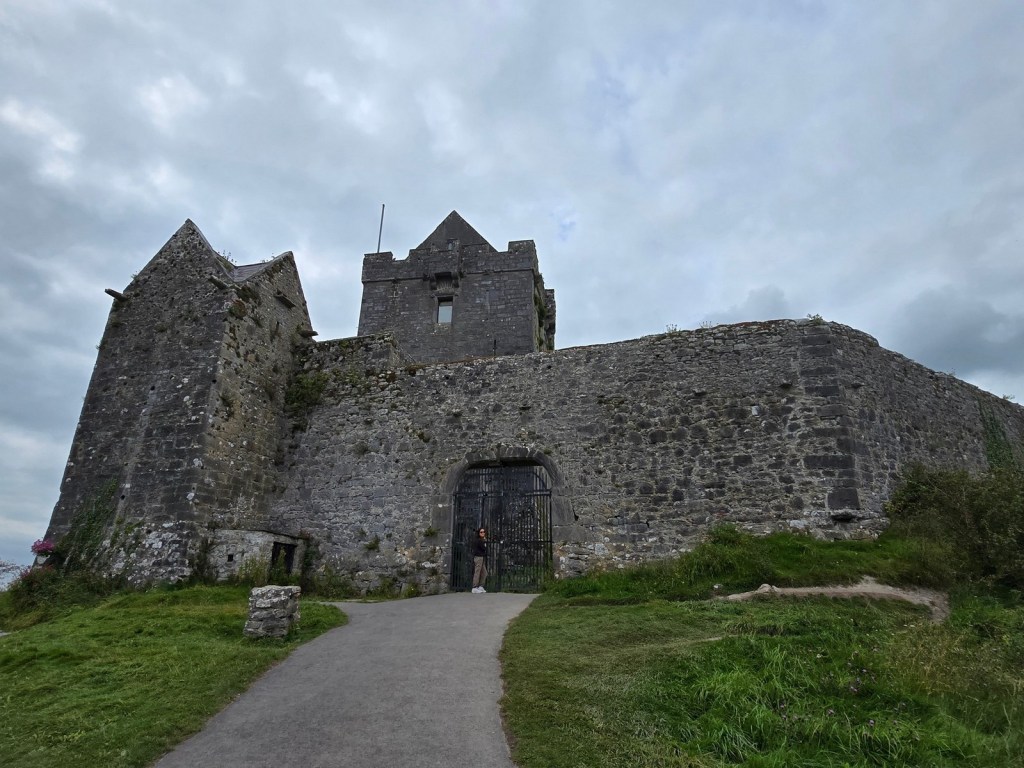
The castle was built in 1520 by the powerful Hynes clan (Ó hEidhin), a Gaelic family who ruled much of the territory around Kinvara. Dunguaire Castle is a classic 16th-century Irish tower house. Some of its key features include a surrounding defensive wall, a 23 metre (75-foot) main tower, four defensive corner turrets and thick limestone walls.
Unfortunately the castle is not open to the public. Until recently it was used for special events such as medieval banquets. However, judging from the condition of things inside the main gate, it was no longer in use.
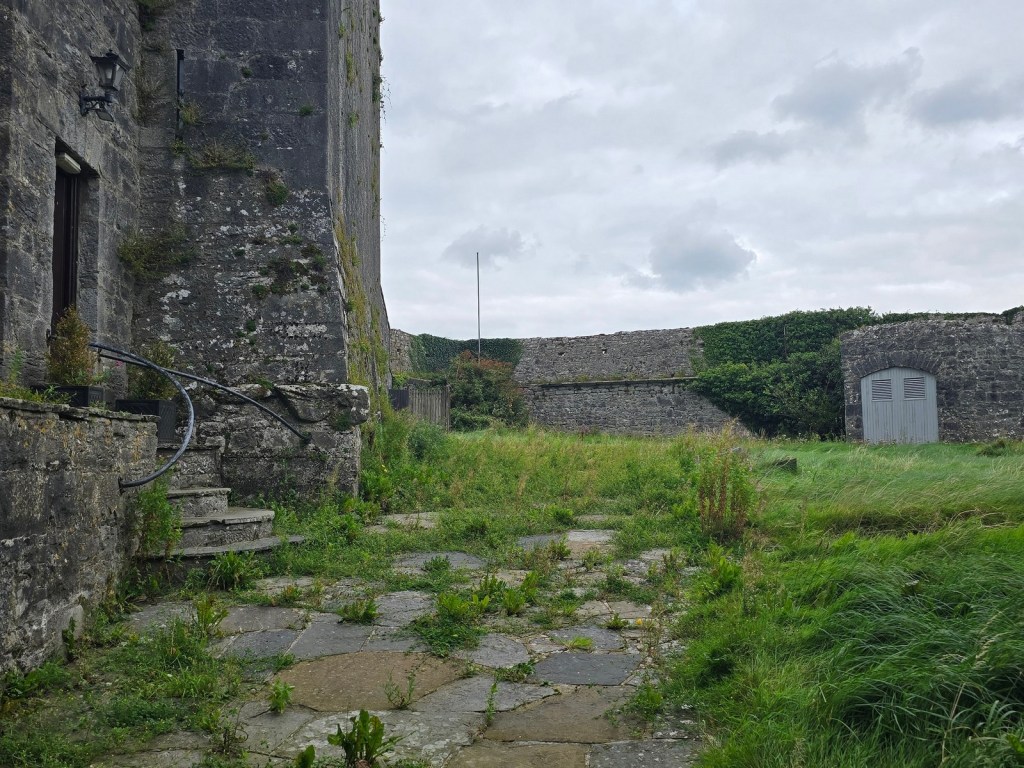
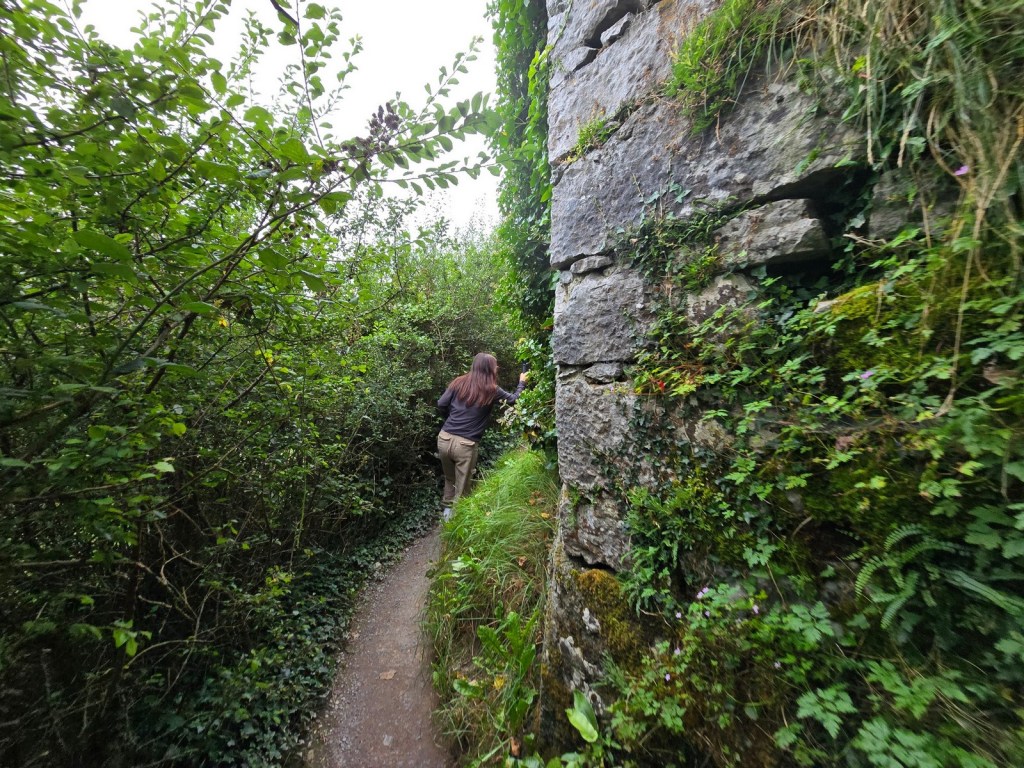
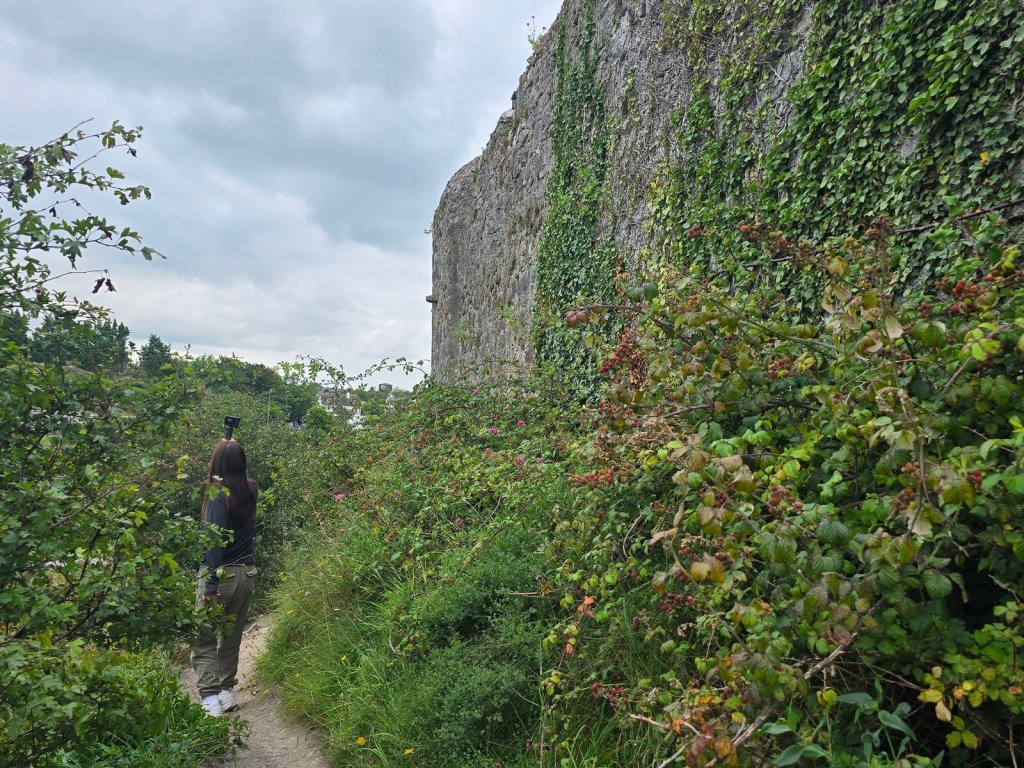
Since we couldn’t enter the castle we decided to walk around it. There is a trail that winds right around the castle. It’s a bit hilly and uneven, but not difficult to manage. Just watch out for bees!
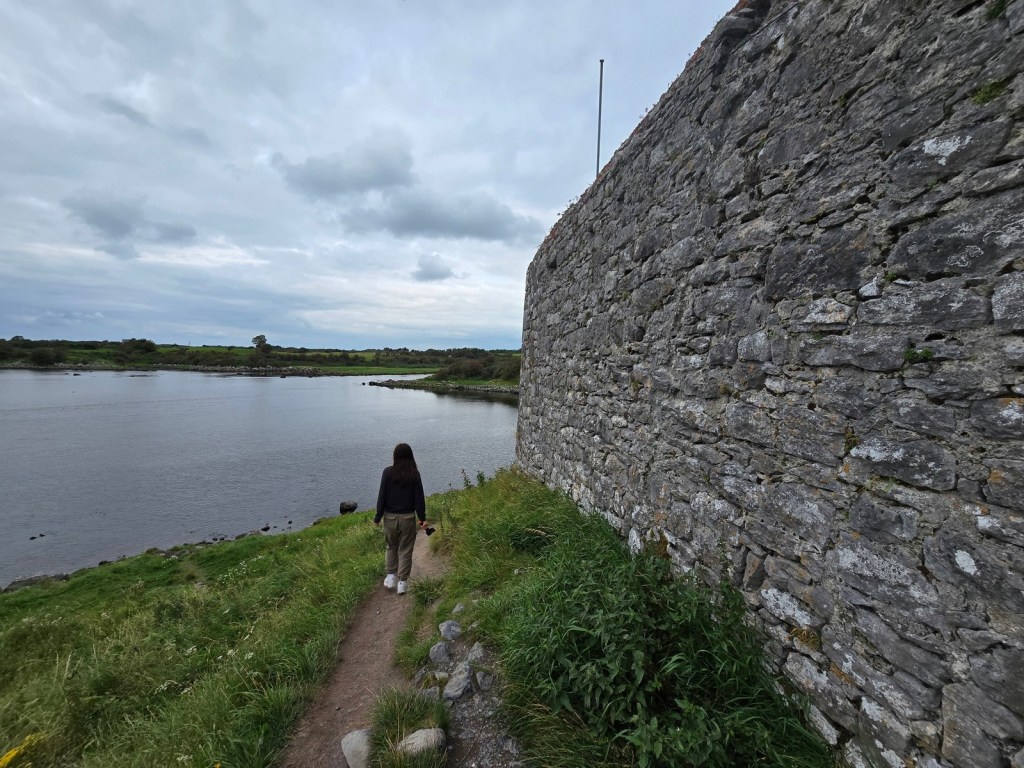
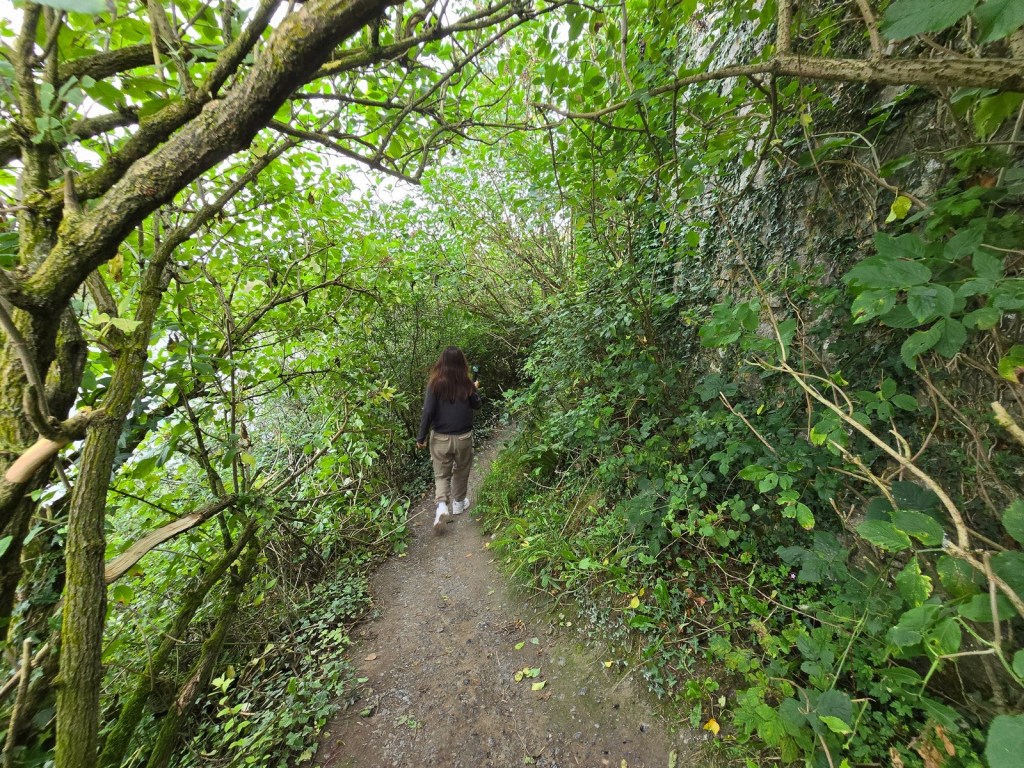
After a brief walk around (about 10 minutes) we were done. Dunguaire Castle was a nice stop-off, but we were disappointed we couldn’t enter the castle grounds. Instead, it was on to our next destination.
Moran’s Oyster Cottage
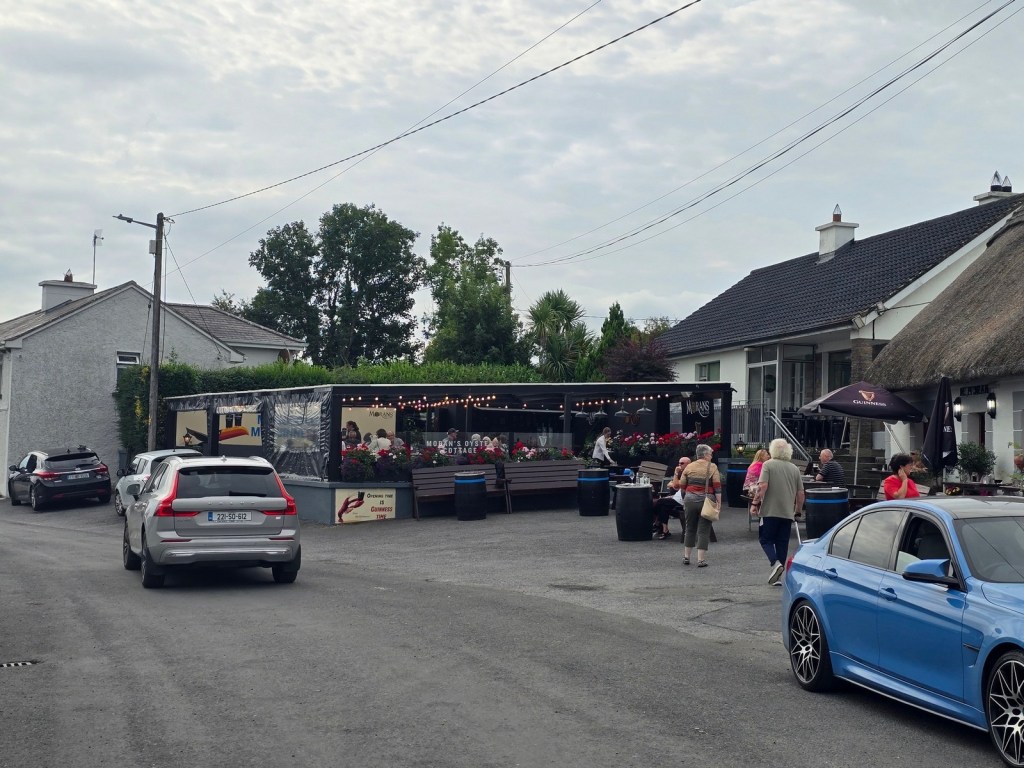
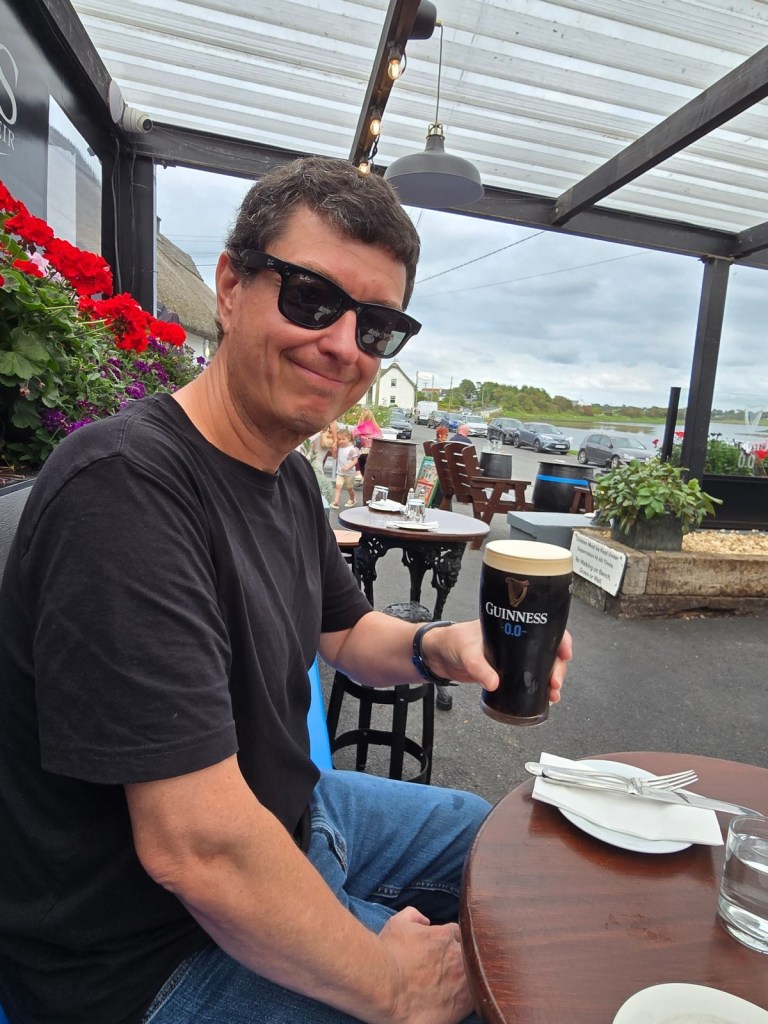
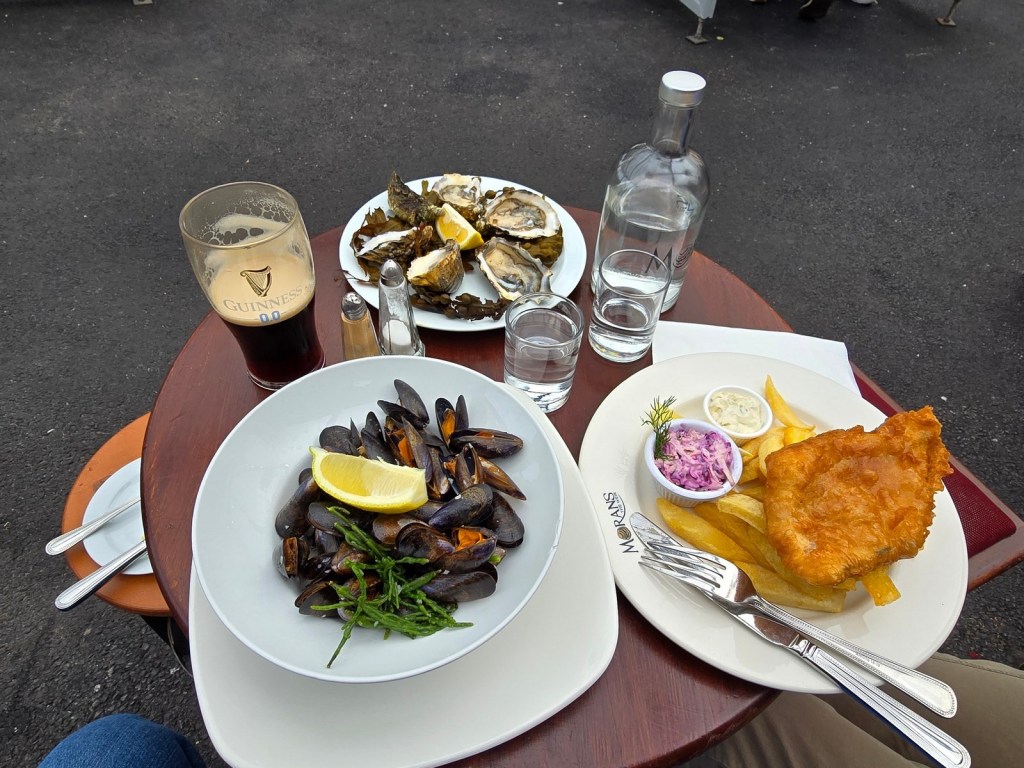
A short distance north of Dunguaire Castle is Moran’s Oyster Cottage, where we stopped for lunch. Also located on the shores of Galway Bay, we went there because it had a reputation for excellent oysters. Along with my first pint of alcohol-free Guinness (quite good), the oysters were excellent. There were large and full of flavour, and deserved their positive reputation. The fish and chips were also good. However, the mussels were very small and a number of them remained closed and couldn’t be eaten, making them a disappointment. But we highly recommend the oysters!
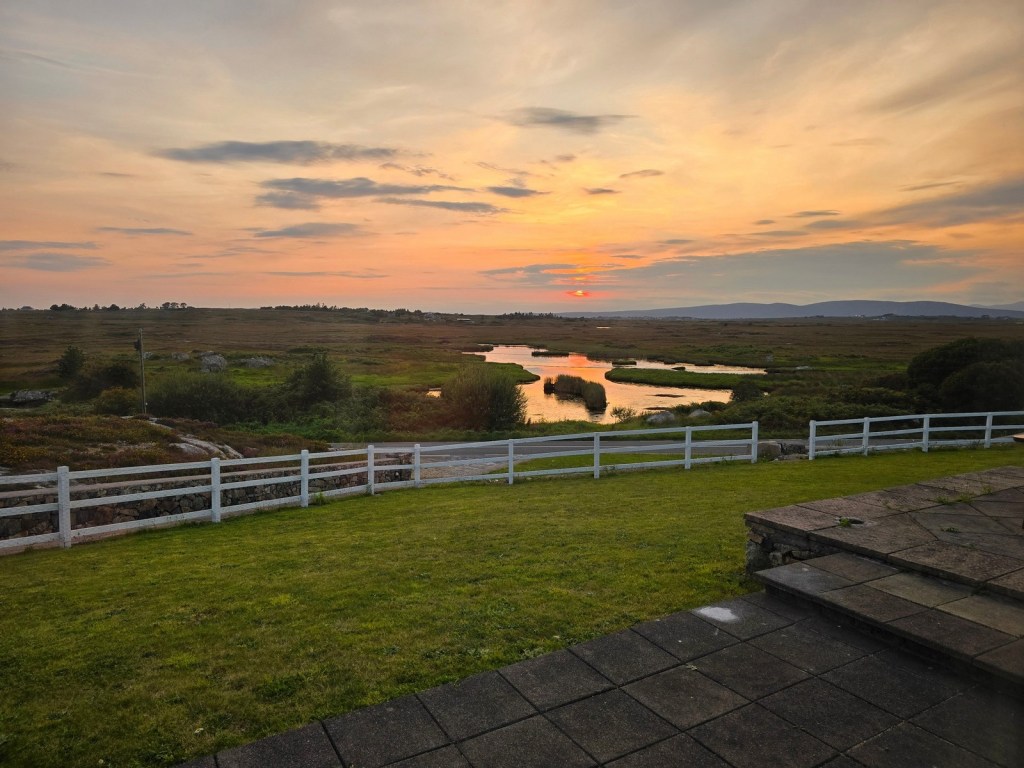
After driving through Galway City we continued west before reaching out Air B&B located just north of Costelloe. It was a nice, peaceful location for a few nights stay.
Aughnanure Castle
After resting for the night, we went northeast to check out a few more sights. One was Aughnanure Castle, a restored 16th-century Irish tower house.
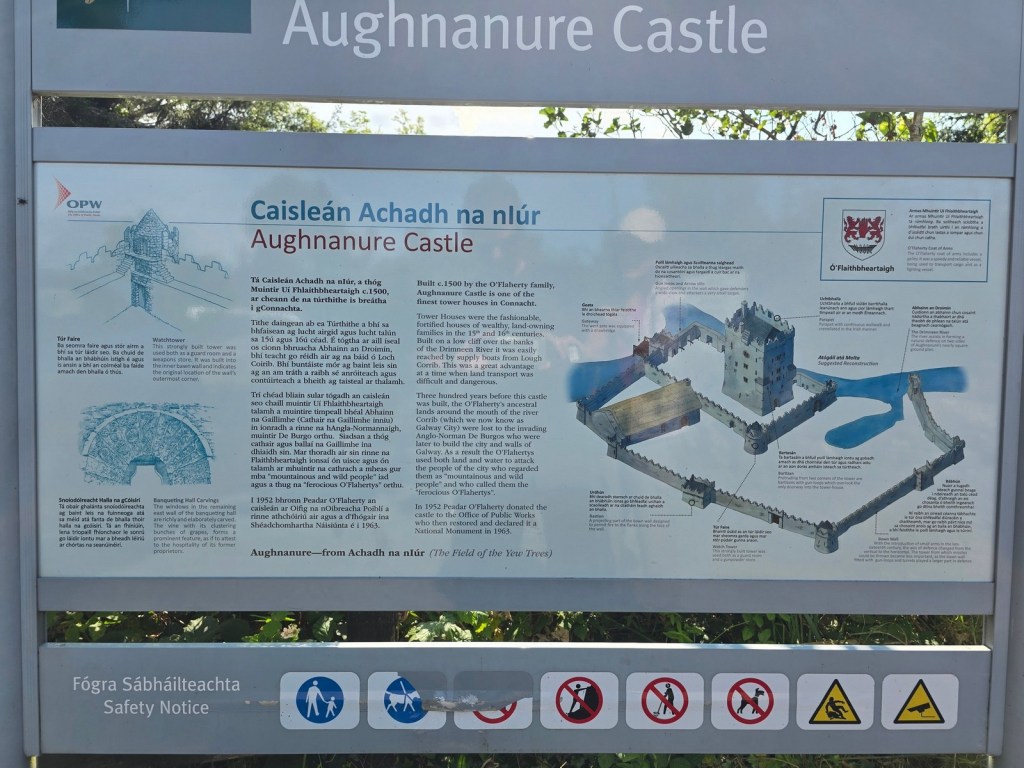
The castle is located about 3 km east of Oughterard on the banks of the Drimneen River. The castle is famous for its connection to the powerful Gaelic O’Flaherty clan, one of the dominant ruling families of western Ireland during the late medieval period.
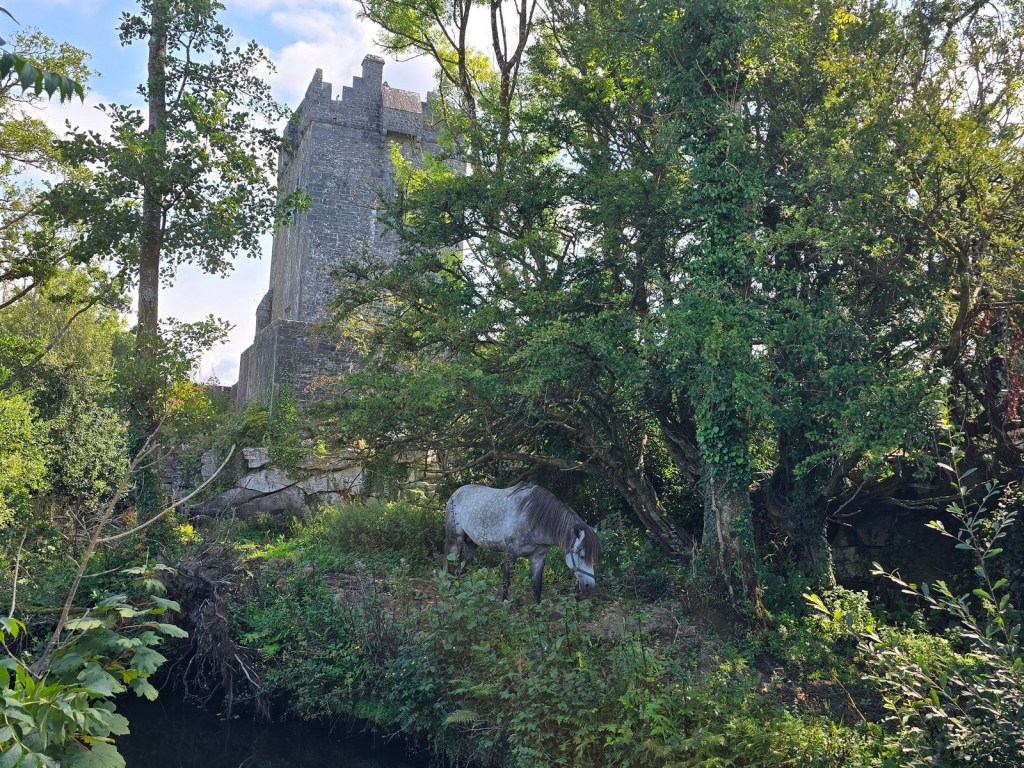
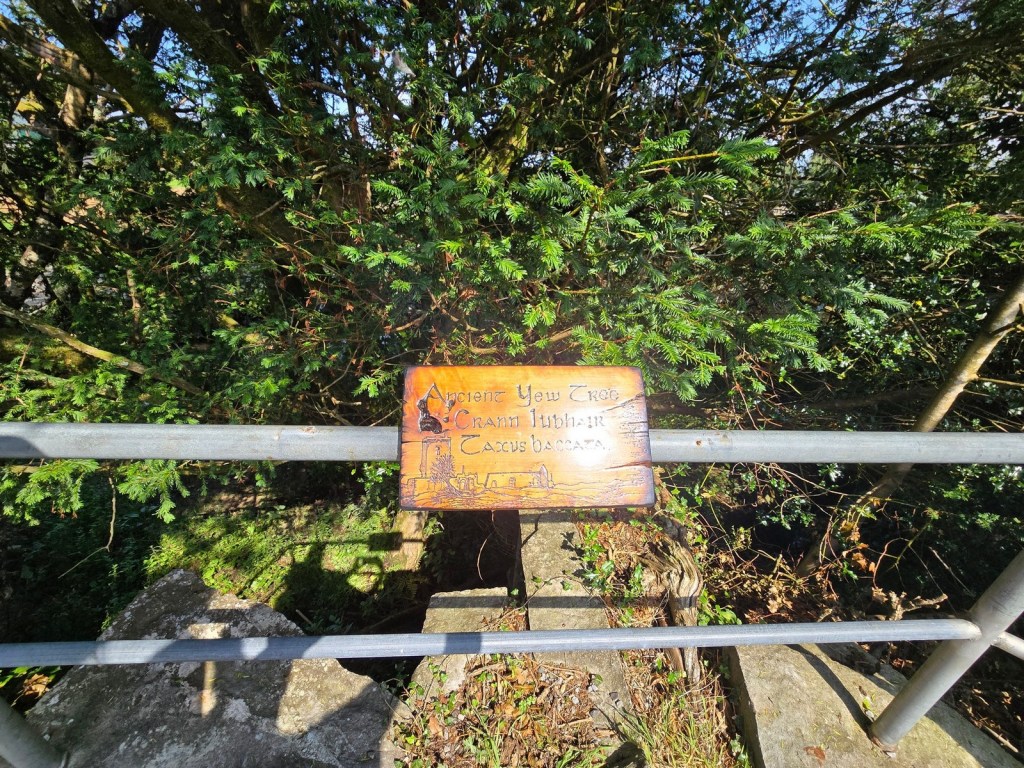
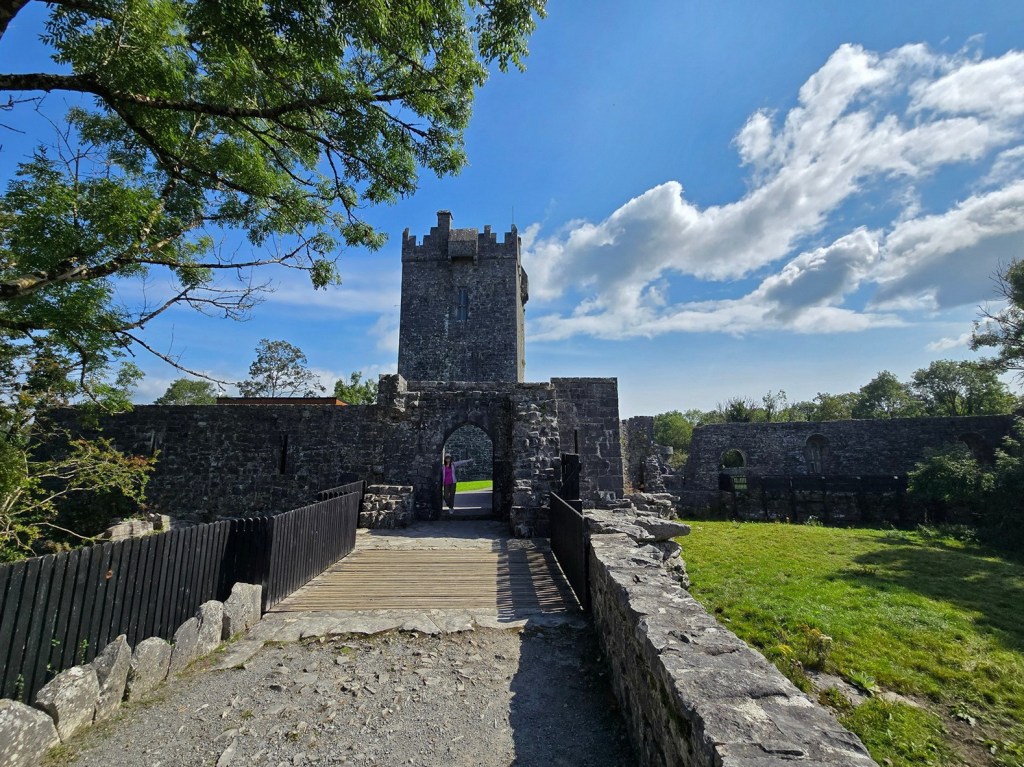
Because the O’Flahertys were frequently involved in conflicts with neighboring clans and the powerful merchant families of Galway, the castle was built as a defensive stronghold. Compared with some of the other castles we visited the main building is in decent shape.
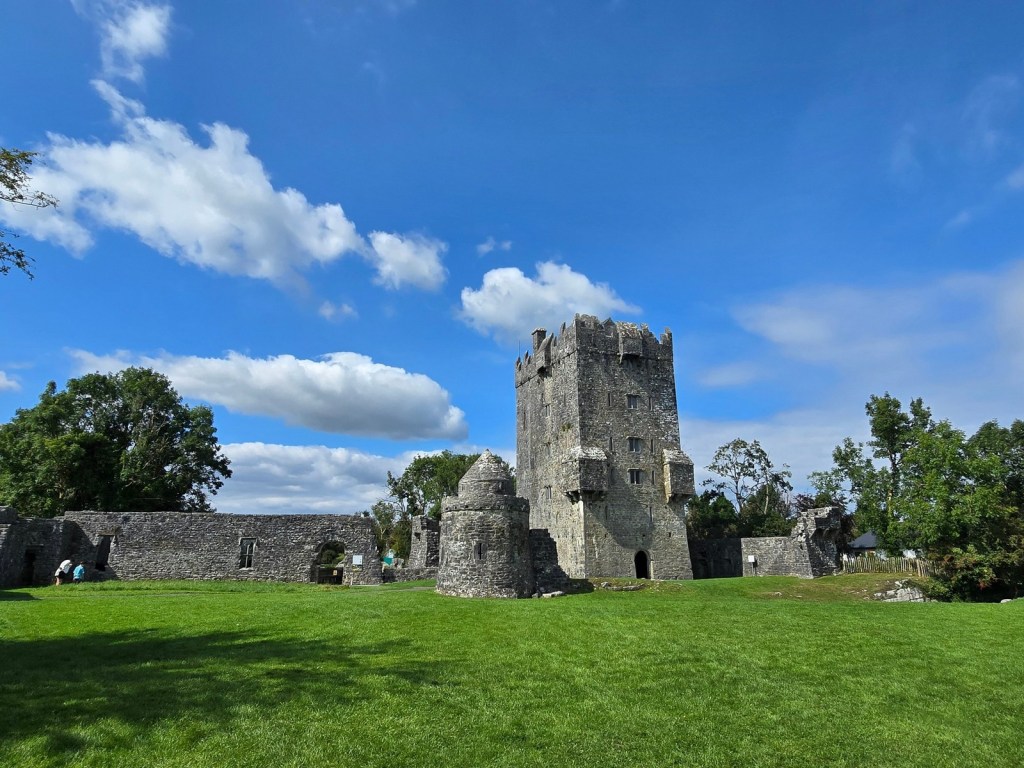
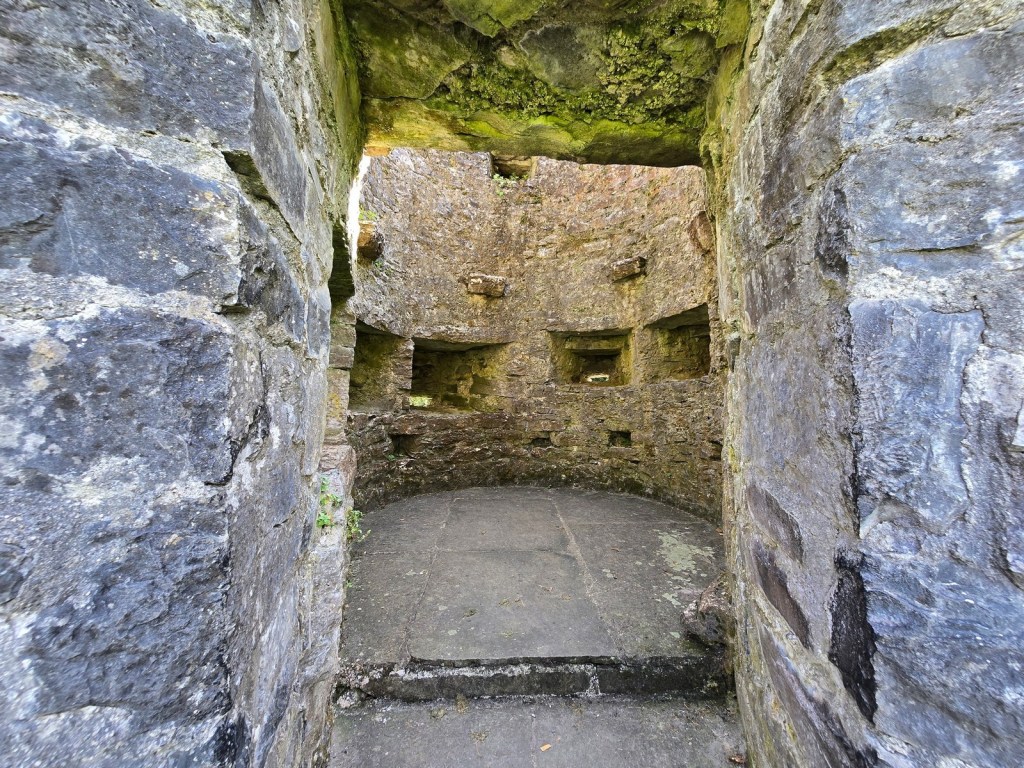
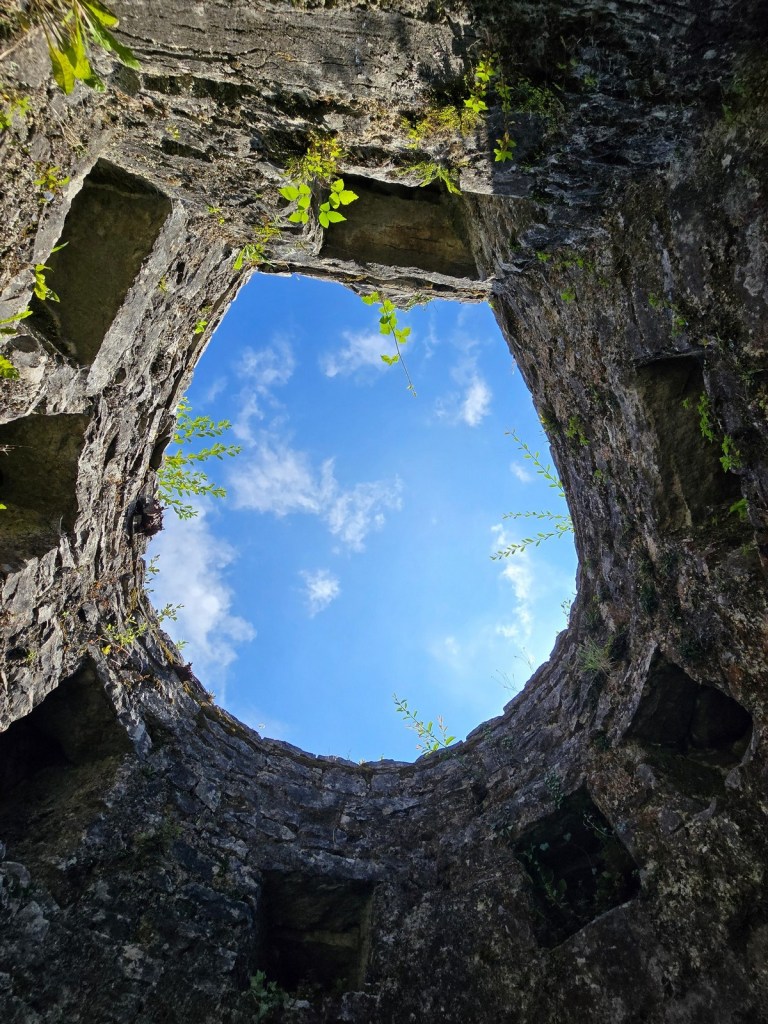
This castle is well worth visiting because the interior has been restored and gives a good sense of what life was like when during medieval times. Since we had our Irish Heritage Card, we didn’t have to pay separate admission for this OPW site.
We spent around 40 minutes wandering up and down the castle. Although the interior was spartan, it gave a good indication of life back in the day. Needless to say, we were glad we had more modern conveniences available to us nowadays, such as not having a toilet that emptied out into the grounds below!
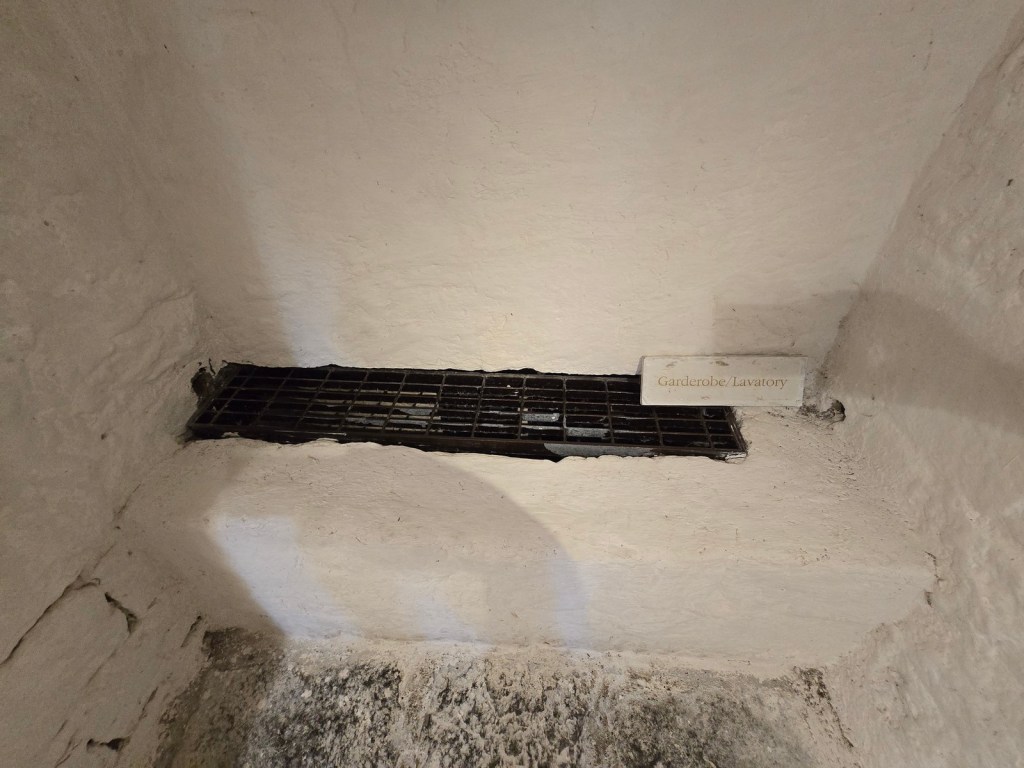
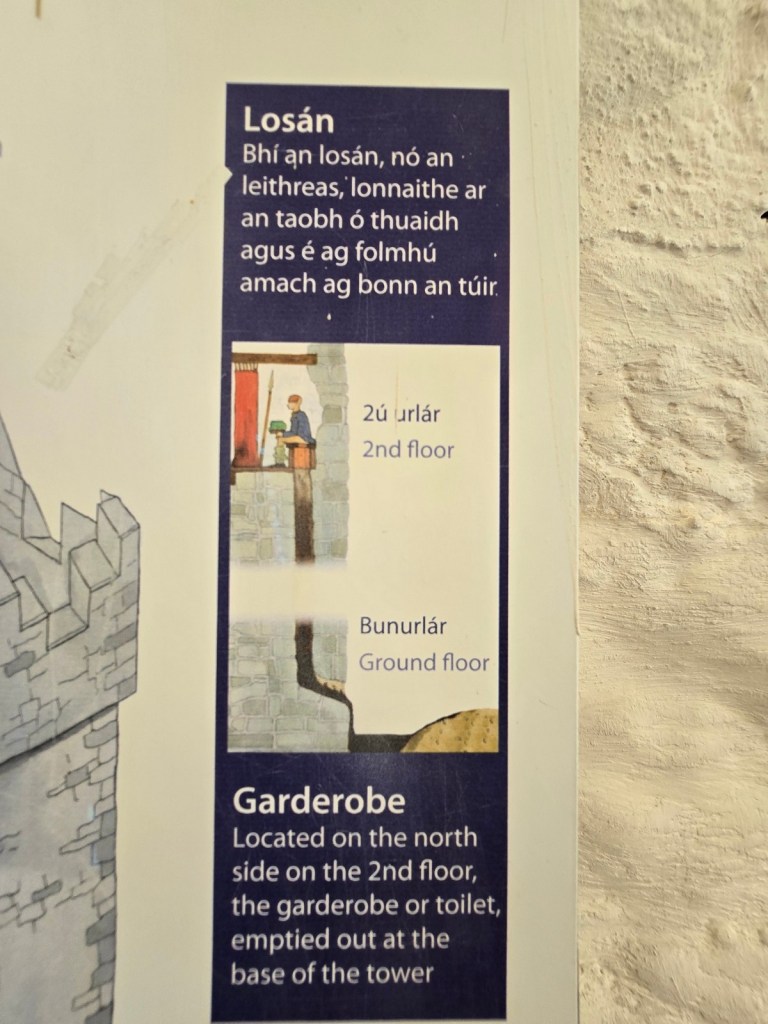
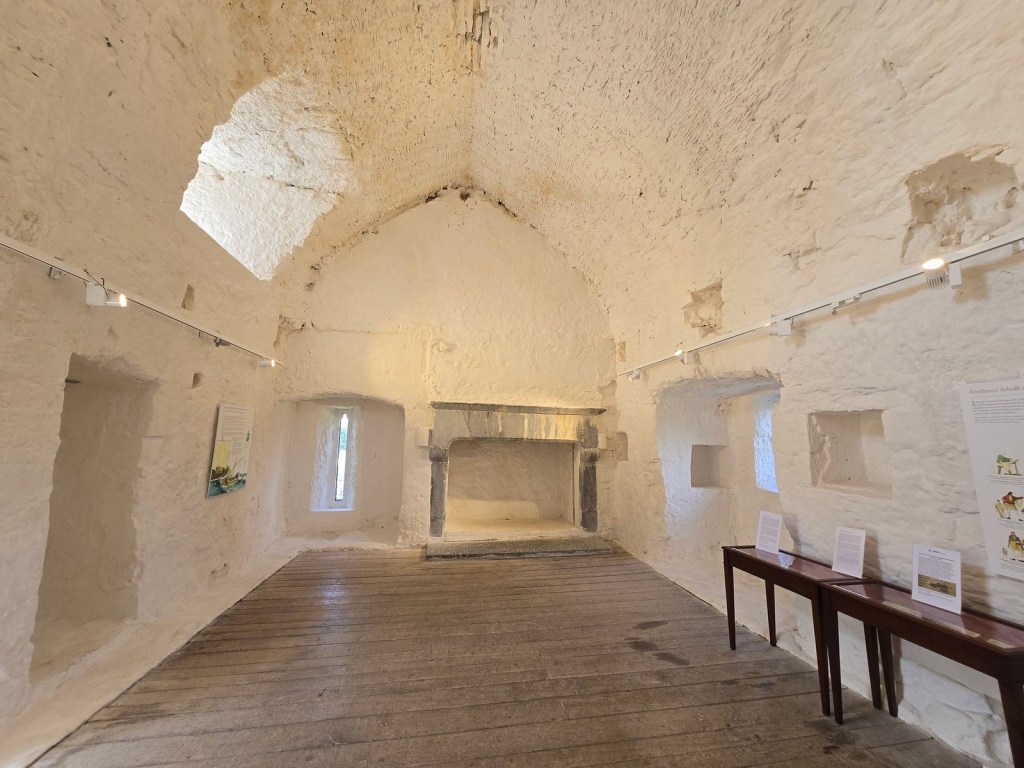
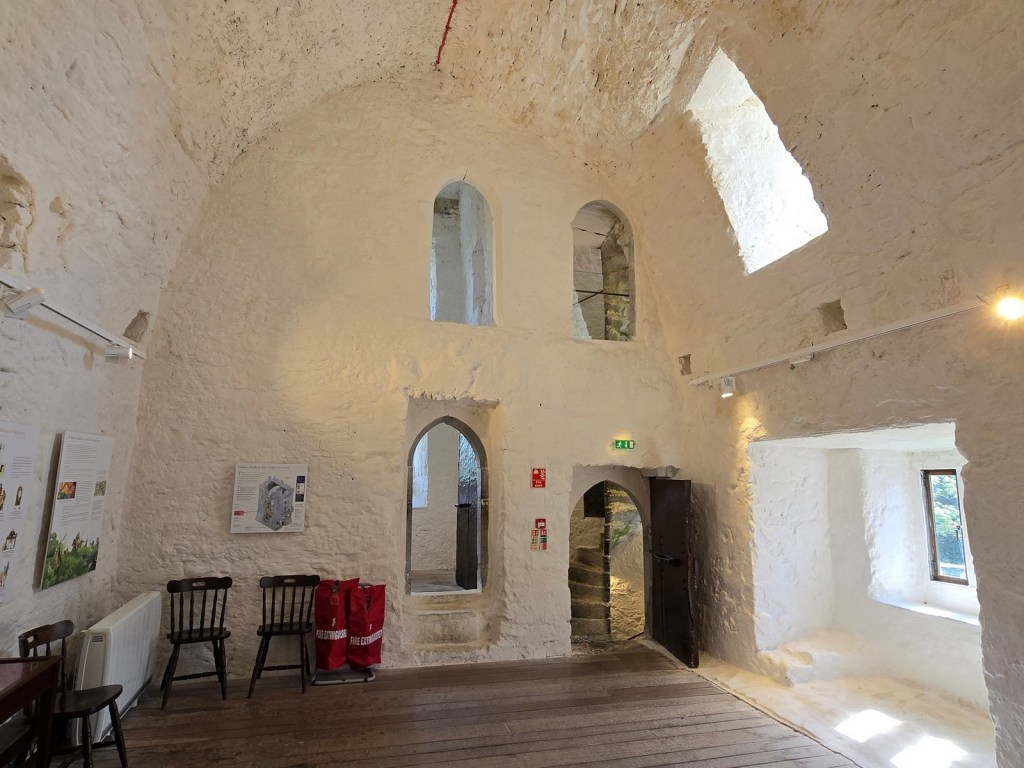
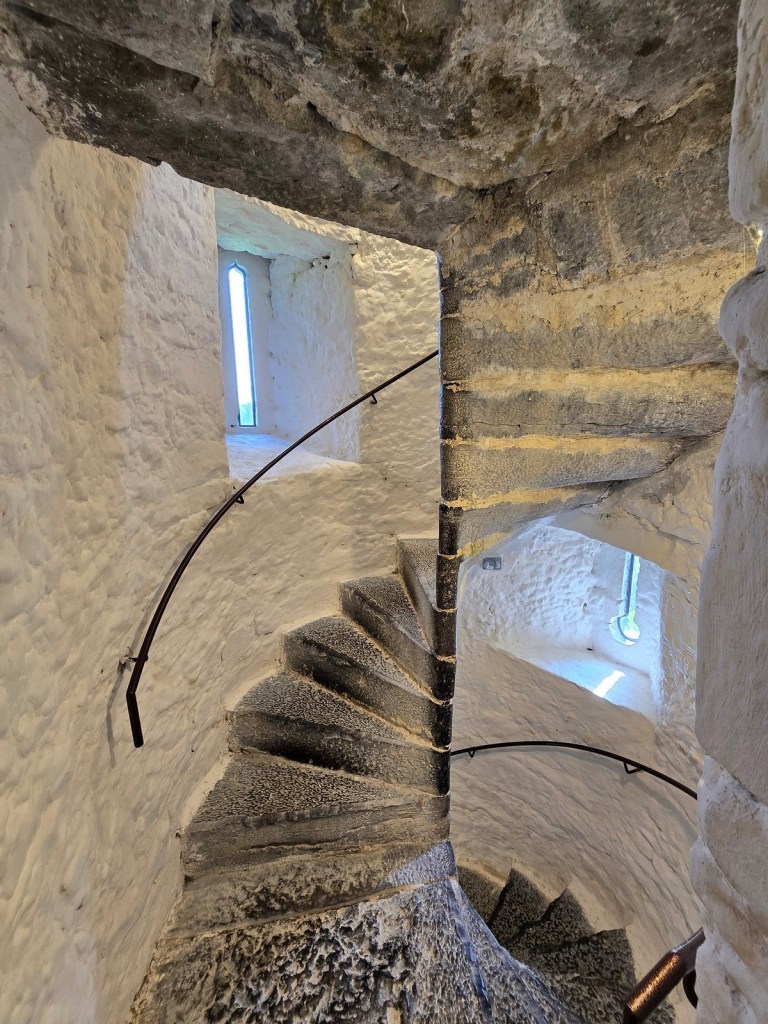
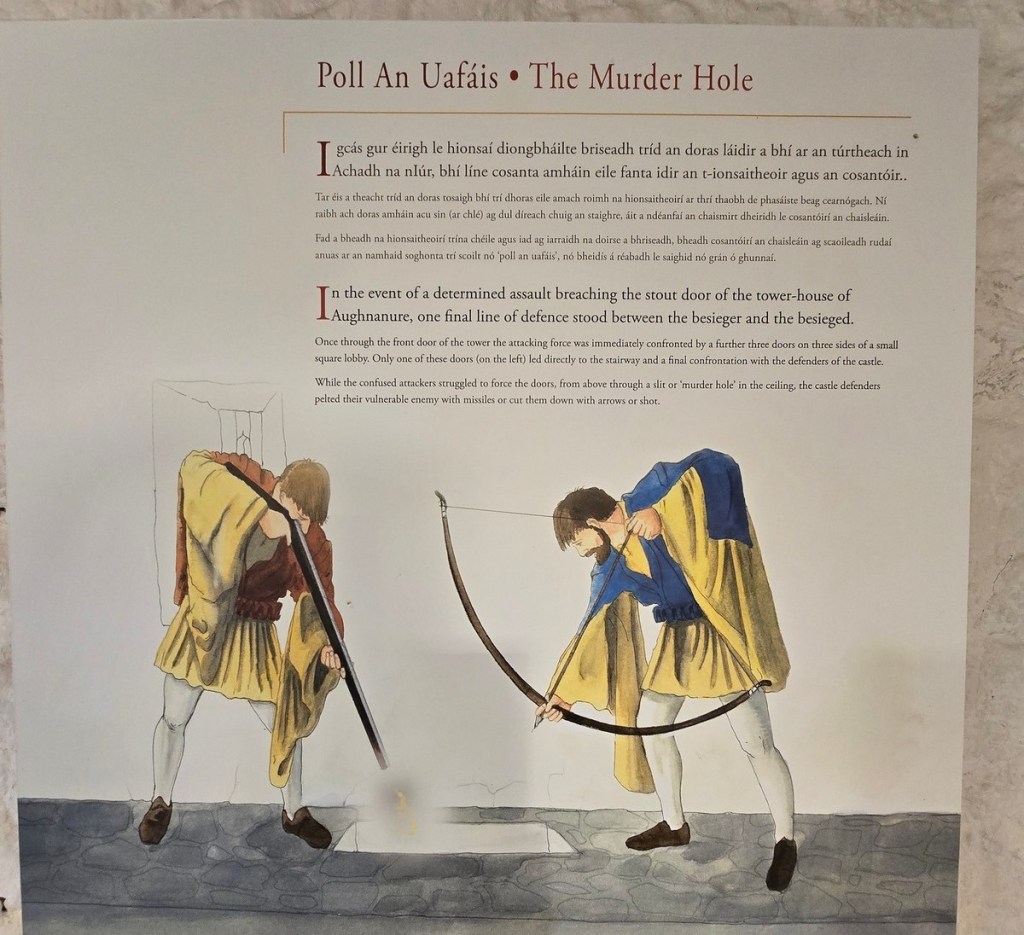
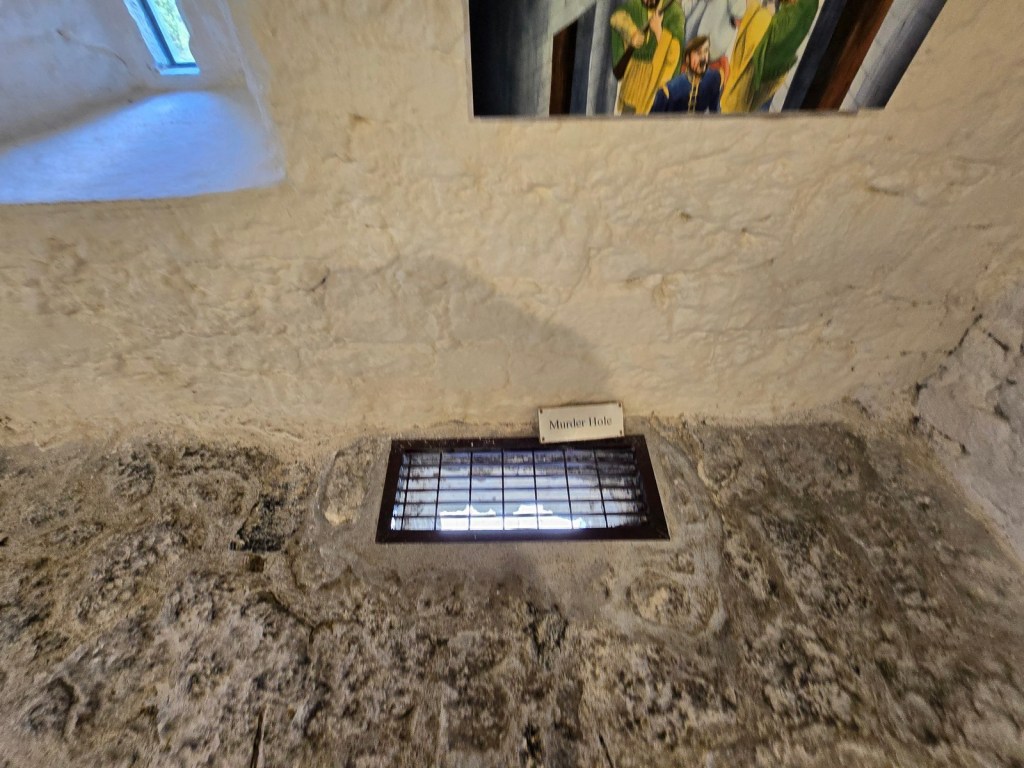
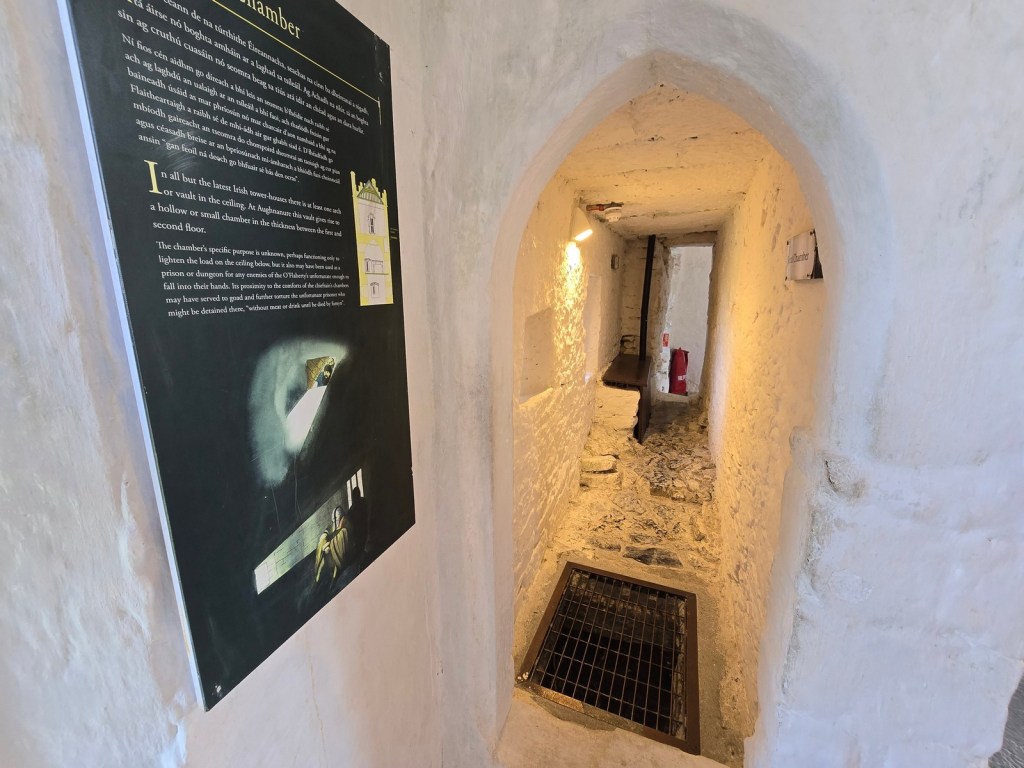
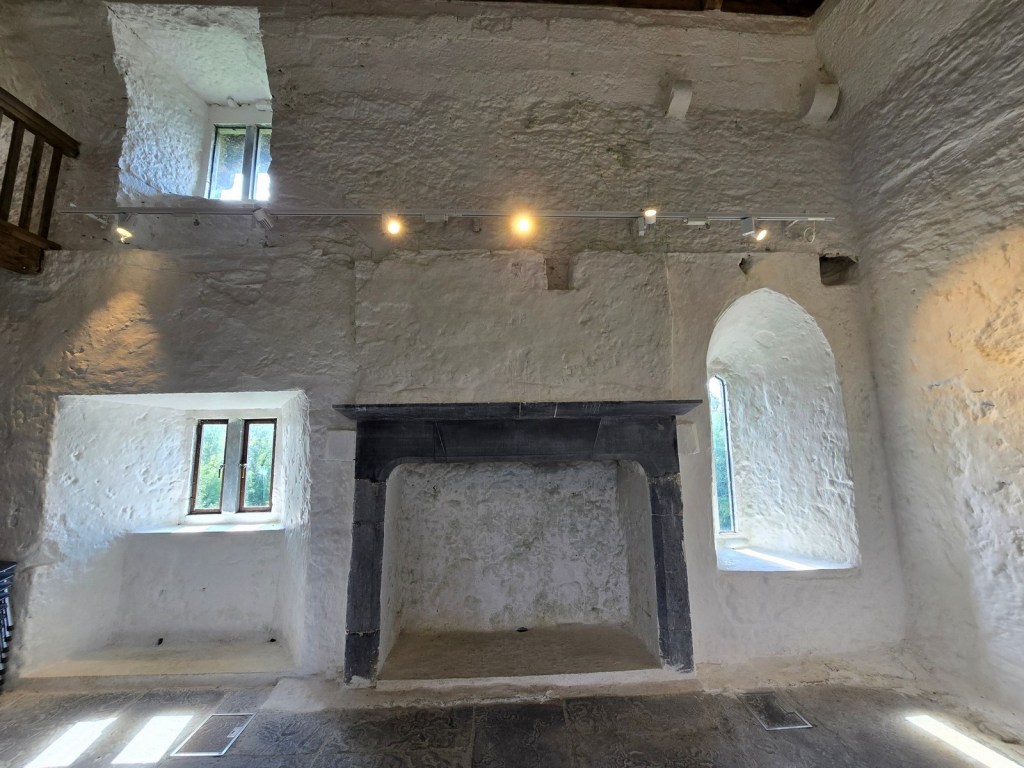
Most of the outside buildings no longer existed or were piles of rubble. The banquet hall only consisted of a partial wall and archway as the actual hall was long gone.
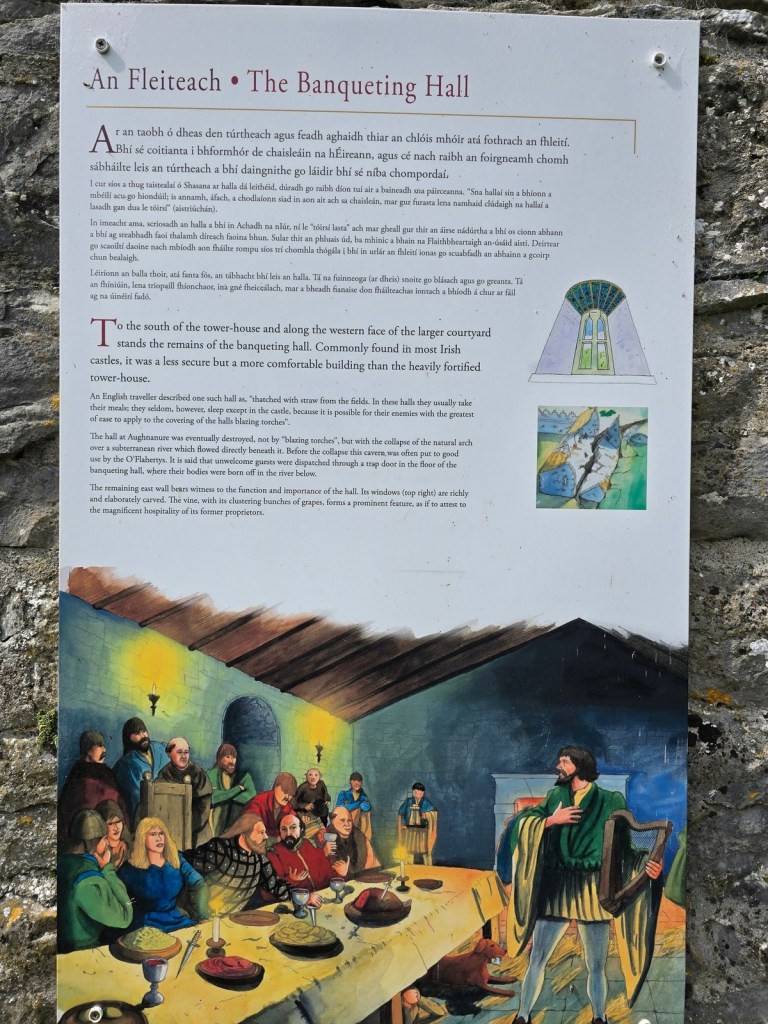
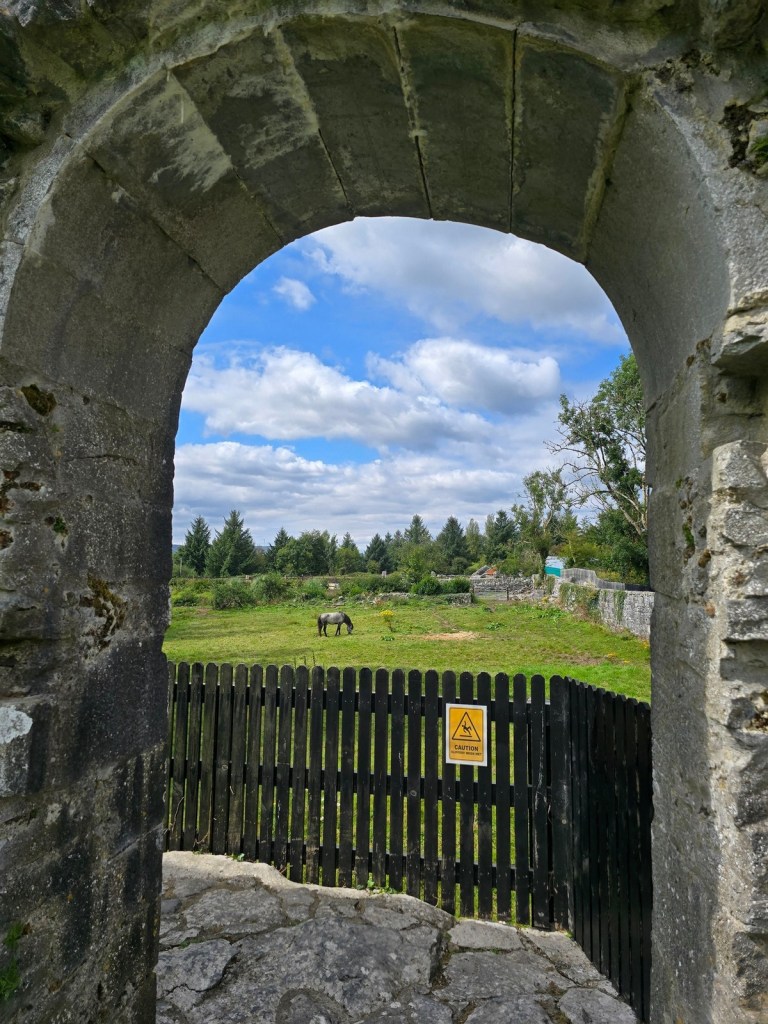
We enjoyed out time at Aughnanure Castle before heading towards our last stop on this day, the Quiet Man Bridge.
The Quiet Man Bridge
This Bridge was of little significance until it was used as a backdrop in a famous 1952 Hollywood film called “The Quiet Man.” Starring John Wayne and Maureen O’Hara, it won a number of Academy awards for its idealized portrayal or Irish country life. In one of the opening scenes, Wayne is dropped off near this bridge by a horse-drawn cart. Standing alone in the countryside, he looks around at the landscape of his homeland before beginning his journey into the fictional village of Innisfree.
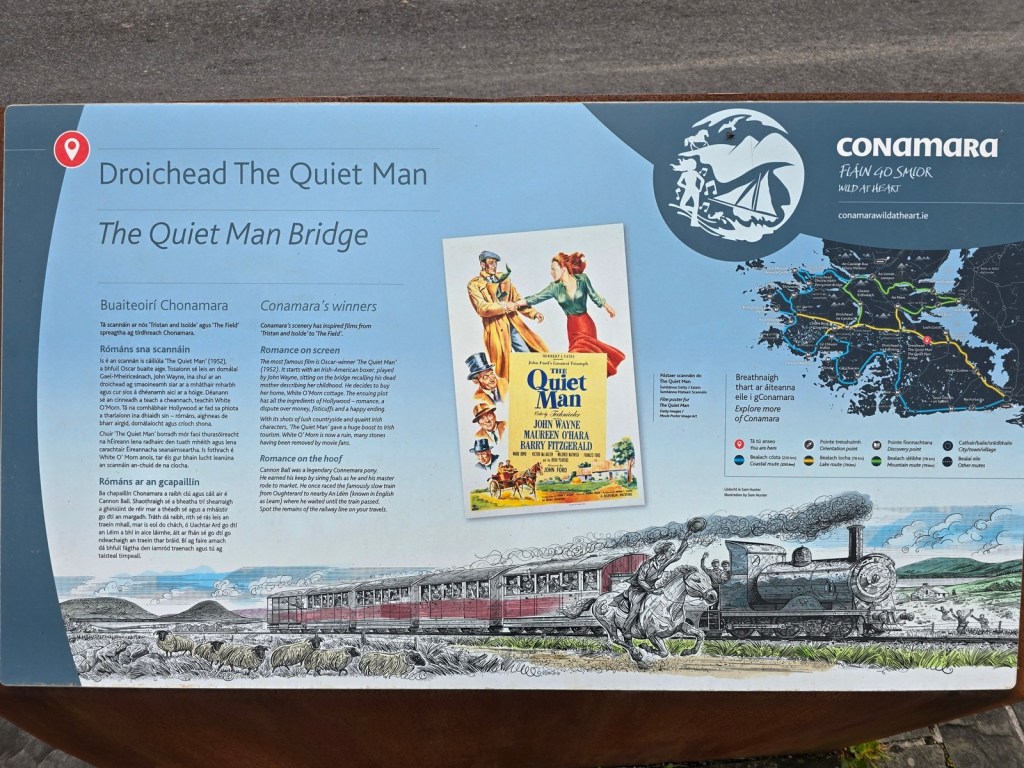
The bridge is a simple stone road bridge, typical of small rural bridges built in Ireland in the 18th or 19th century. It was never intended to be a major landmark, and its fame comes entirely from its connection to the film. Although we’re not particular fans of the film, it was a peaceful place to visit and it’s understandable that it was used for a key moment in the film. It was also a nice change from all the castles we’ve been visiting!
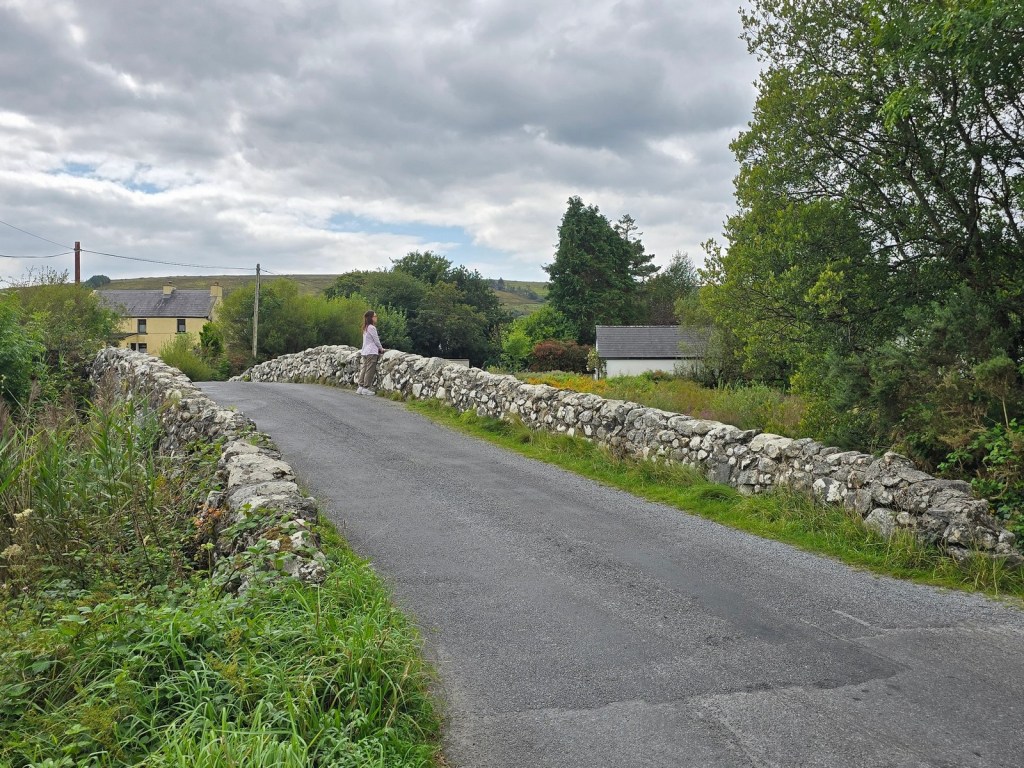
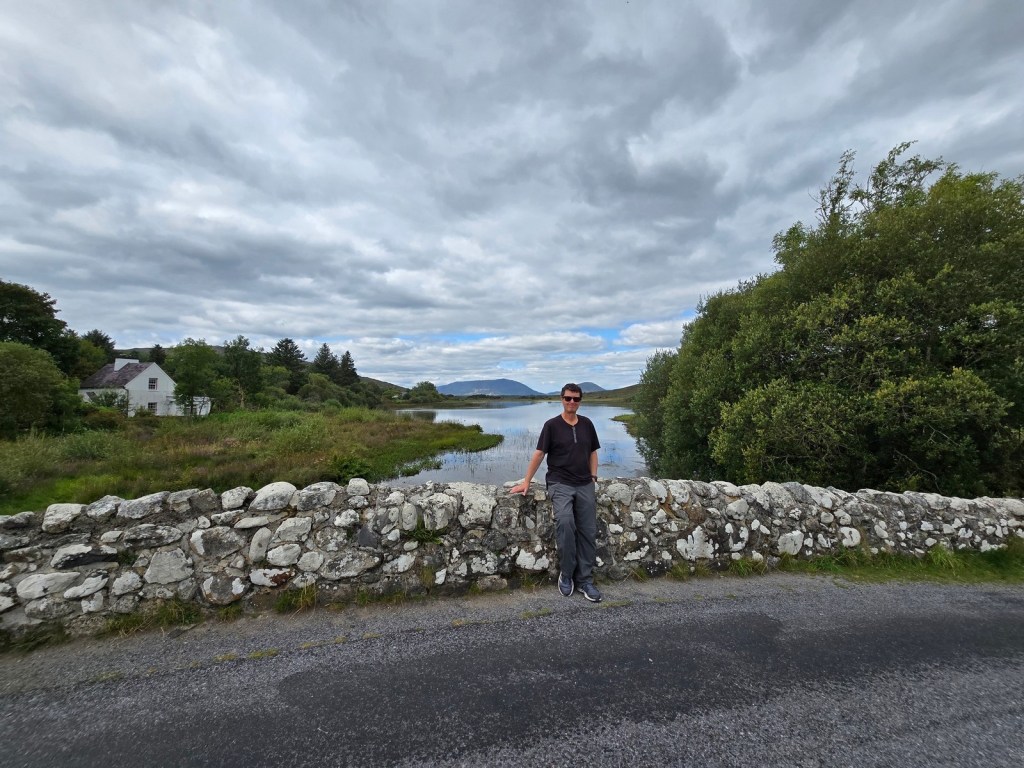
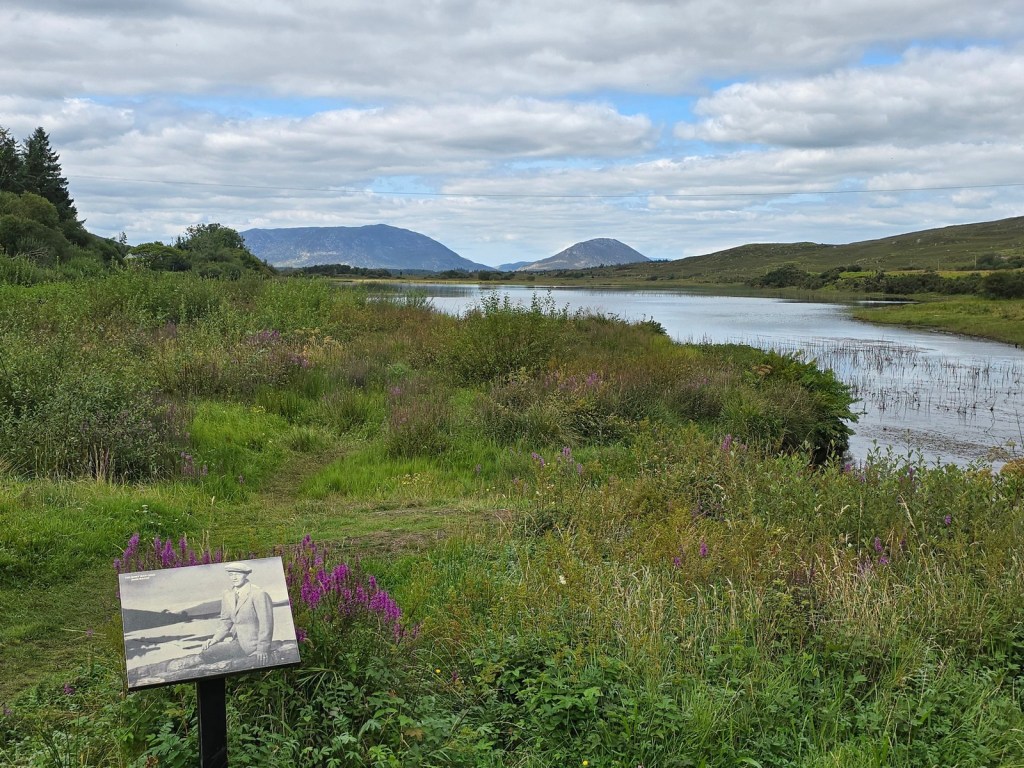
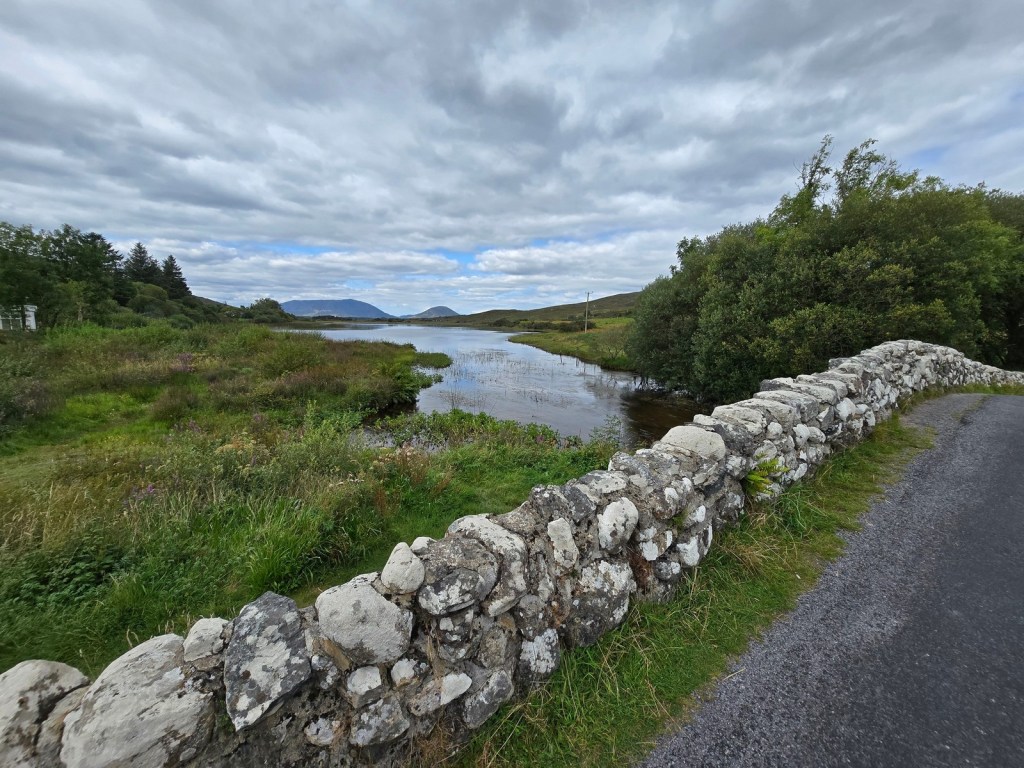
It was only a brief stop before heading back to our Air B&B for another night there. The next day we would do the Sky Road in Connemara, a beautiful loop along the west coast. And that’s the subject of our next post.
 Humphreys Travel