

We had to get up early to take a 6:30 a.m. bus departing from Puno towards Cusco. This was not a regular Peruvian bus like the Transvela we took from Arequipa to Puno. It was also not the Peruhop we had taken at various stages from Lima to Arequipa. This time it was a company called Inka Express. They did a special day tour both ways between Puno and Cusco that included lunch and a guided tour of some sights along the way. The total excursion cost for two people including pick up and drop off near our hotels in Puno and Cusco was US$138.
https://www.inkaexpressbus.com/inka-express-puno-cusco
With the extra stops, the six hour trip took over ten, but it helped break up the long ride and one stop in particular was excellent. We paid extra for pick up and drop off from our hotel, and were picked up promptly around 6 a.m. We were driven to an independent terminal in Puno owned by Inka Express. They had an efficient check in and boarding system and soon we were on our way. We feel it was the best organized of all our bus trips in Peru.
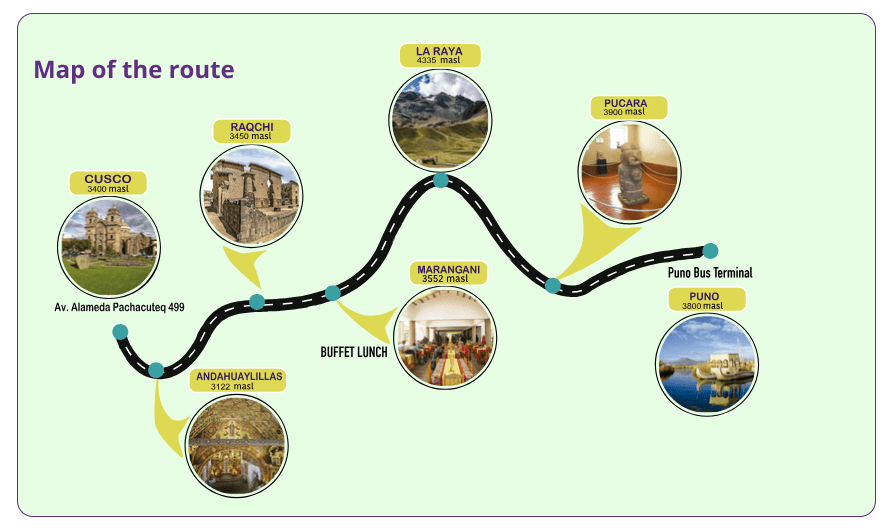
The first stop on the tour was the Pucara museum, located two hours north of Puno high in the Andes. This small museum focused on the archaeological finds including pottery, animal mummies and other artifacts recovered from the site and neighboring town.


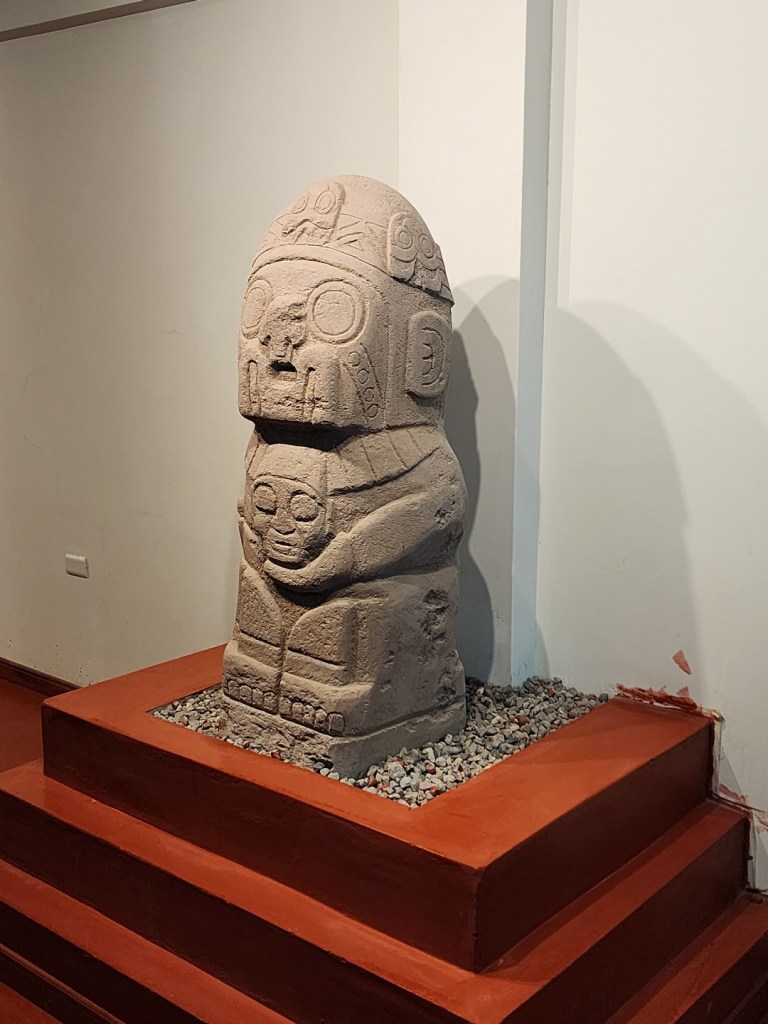
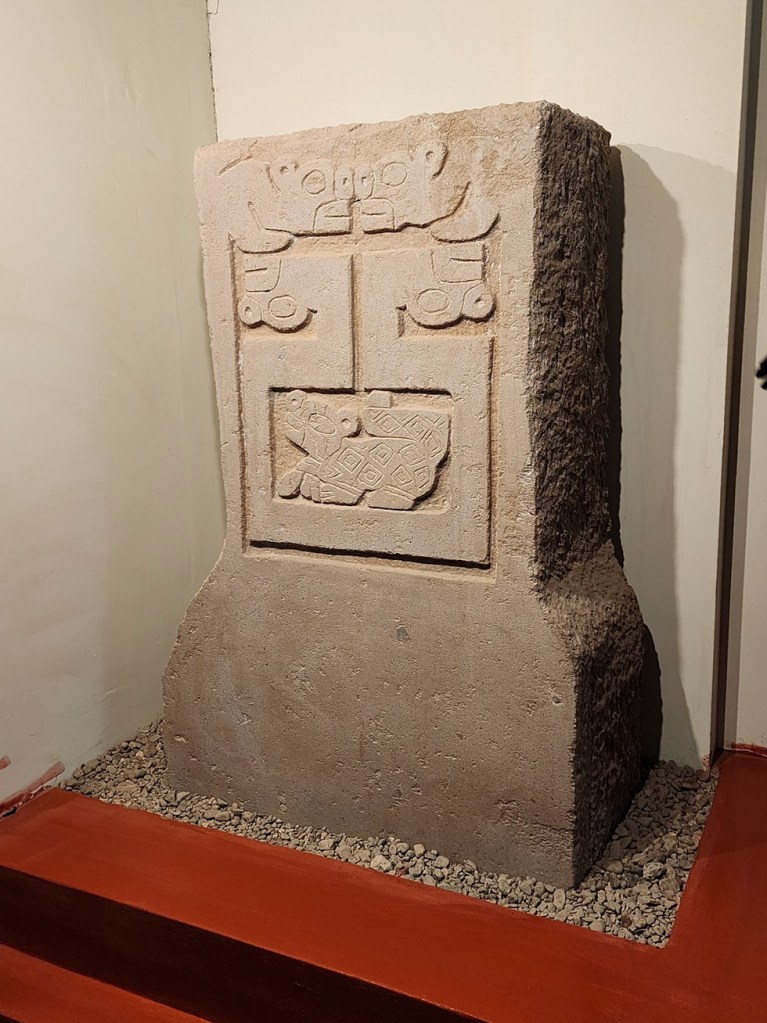
The Pukara museum had a collection of monolith sculptures from the Pucara Culture. Among the pieces on display are the 2 metre high Stela of the Rain or Stela of the Lightning, the stone monolith of the Cutthroat or Hatun Ñakaj and the Devourer.
After a brief stop of about 25 minutes at the museum (and one of many welcome bathroom breaks!) we were back on the bus. One and a half hours later we reached the Raya Pass. Located at an altitude of 4,325 m (14,222 ft), the Raya Pass is the border between the Puno and Cusco regions. It was also the highest point along the journey, and I highest we’d ever been on the ground. We could feel the thin air but it wasn’t too difficult as long as we were on level ground.


In the distance we could see the mountain ranges of central and southern Peru, where they met to form the Vilcanota ‘node’, whose snow-capped peaks are often shrouded in cloud. On this day we could see one of the distant mountains and there was some snow on the side of it.

A little while later we stopped for buffet lunch near the town of Sicuani. While the buffet was small and main dishes were very limited, there were enough options to fill us up.

From there we visited the highlight of the trip: the Raqchi Archaeological Complex. These ruins are located in the Andean highlands between Cusco and Puno.
The Inca site at Raqchi was a key part of a road system that originated in Cusco and expanded as the Inca empire grew. It is located in a valley known for sacred sites.
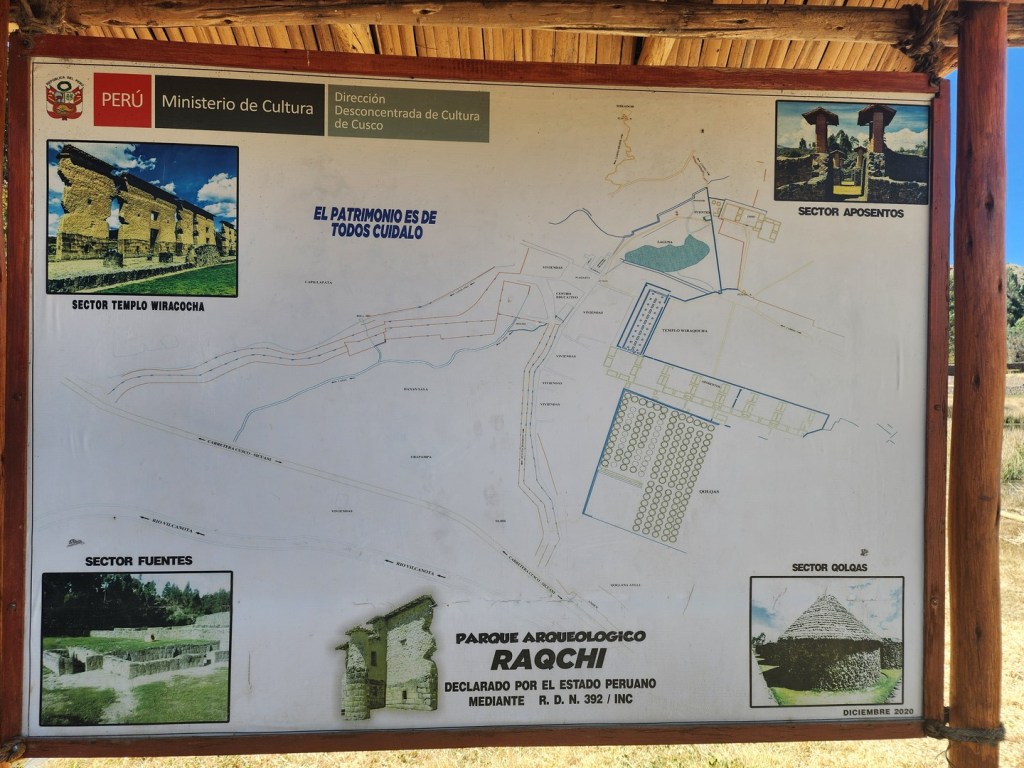
The Raqchi Archaeological Park covers an approximate area of one thousand hectares. Aside from the giant Inca wall that protects the park, there are also constructions such as aqueducts, underground tombs, and pre-Inca enclosures.

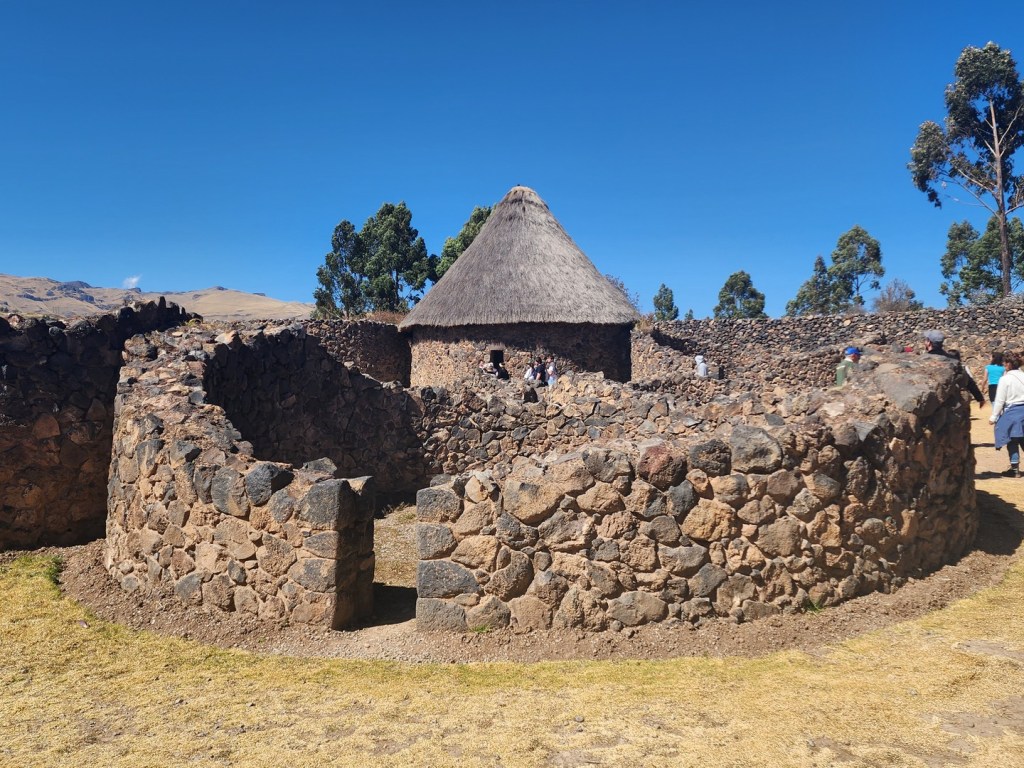
To the eastern side of the complex are 152 round qullqas (storehouses) in parallel lines, each measuring some 10 metres (33 ft) in diameter. These storehouses were used to hold grains, such as corn and quinoa, that would have been used for ceremonial purposes as well as pottery, woven cloth and military equipment.
Unlike most structures in the Incan world, these storehouses are rounded rather than square cornered. The reason for the difference in design is unknown.


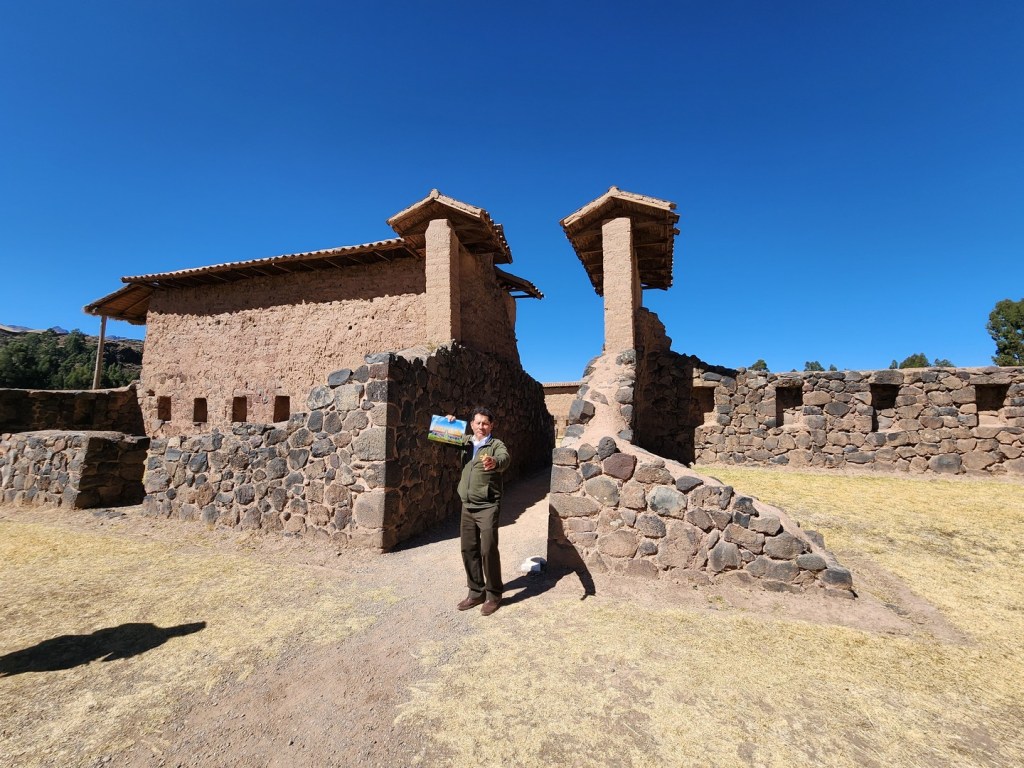


Composed of volcanic rock and clay, the temple dedicated to the Inca god Wiracocha is unique. The complex was built in different stages. Part of it was constructed during the reign of Inca Wiracocha. Later, between 1439 and 1471, the Incan leader Pachacútec expanded the construction, and finally, Inca Túpac Yupanqui completed the building between 1471 and 1493.

Prior to its destruction by the Spaniards, the temple had what is believed to be the largest single gable roof in the Incan Empire, know having its peak at the central wall, then stretching over the columns and some 25 metres (82 ft) beyond on each side.
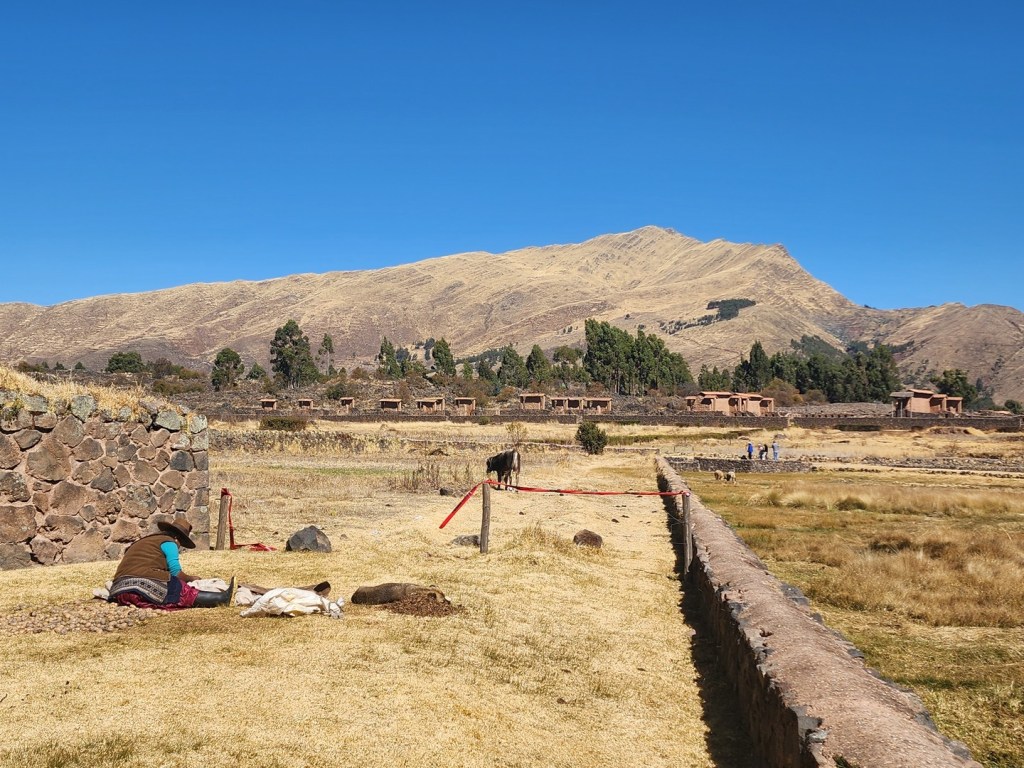
On the nearby hillsides are irrigated terraces which were likely used to keep the qullqas full for those traveling through. Raqch’i also houses a nearby spring and a pool or bath in proximity to the Temple of Wiracocha which could have been used for rituals.

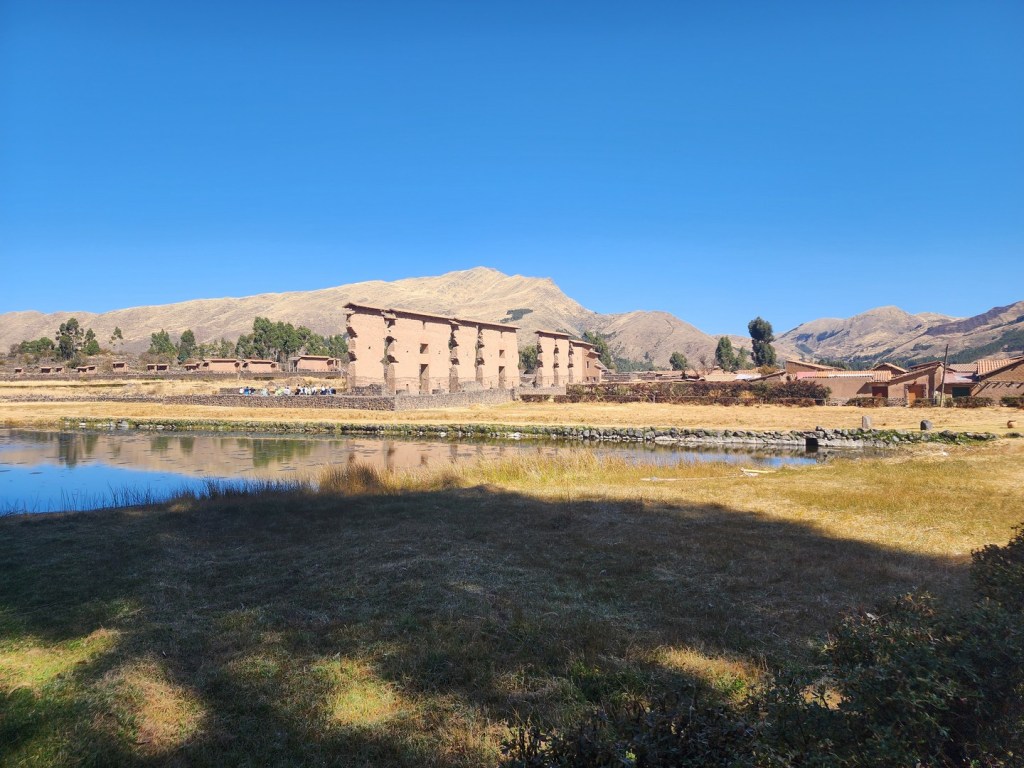
The Temple of Wiracocha measured 92 metres (302 ft) by 25.5 metres (84 ft). It consists of a central adobe wall some 18 to 20 meters in height. It is flanked on each side by a row of eleven columns. The foundations measure 4 metres (13 ft) for both the wall and the columns are classic high Inca stonework with the remaining height built of adobe

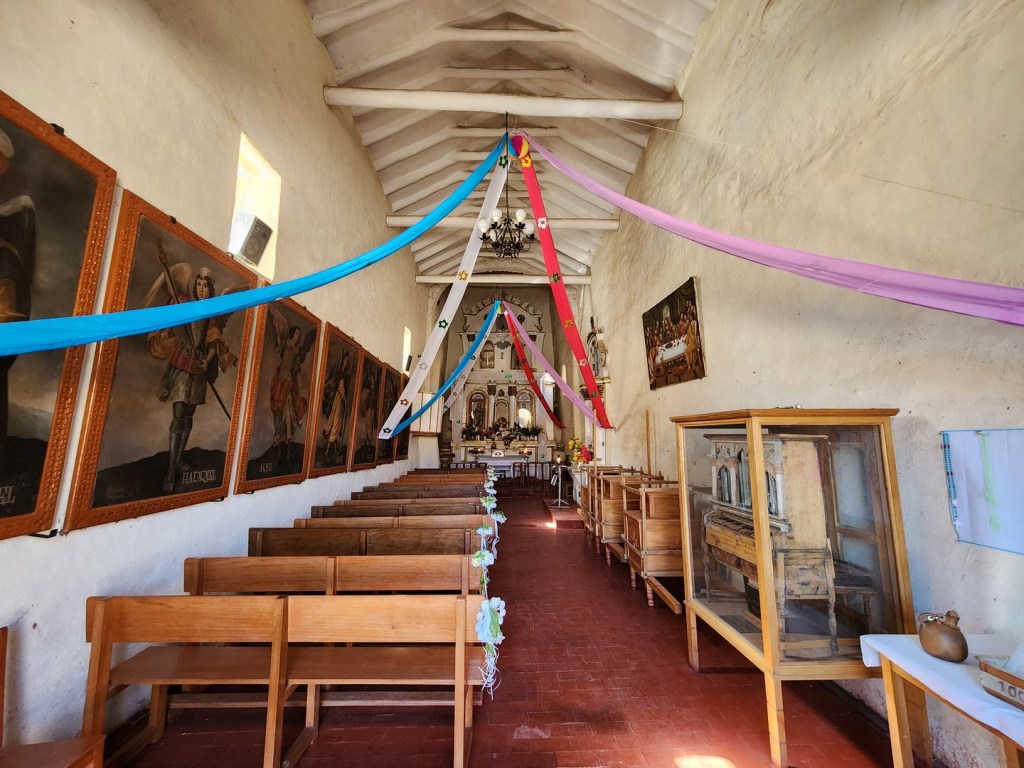
We drove a short distance before the bus stopped along the highway on the edge of a small town. This was to be our last stop on the tour, the Saint Peter the Apostle of Andahuaylillas church (AKA, the Sistine Chapel of the Americas). We learned that this church is known for its ornate gold interior and ceiling.
We were supposed to drive right up to the church, but there was a problem. Due to a recent earthquake, many of the buildings in the town were unstable or held up by scaffolding so larger vehicles could not get through. The bus had to park by the highway and we walked through the town towards the church.


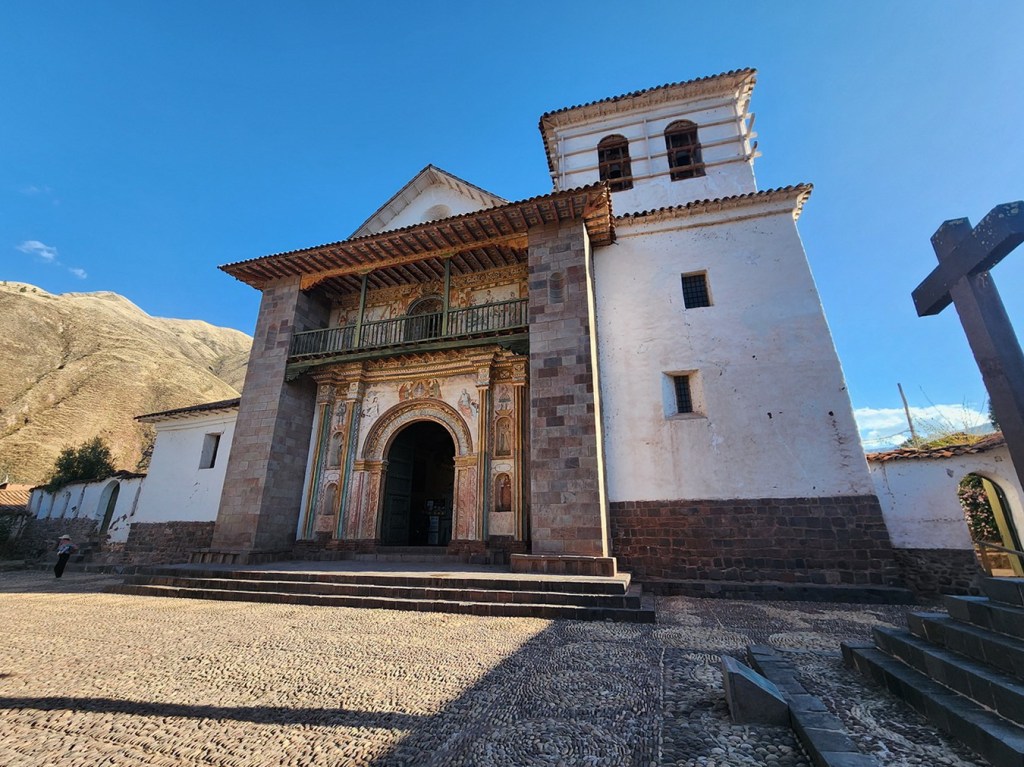
After about 15 minutes we arrived at the entrance to the church. Unfortunately we weren’t allowed to take photographs from within the church. Some images can be seen here:
https://www.wmf.org/project/san-pedro-ap%C3%B3stol-de-andahuaylillas-church
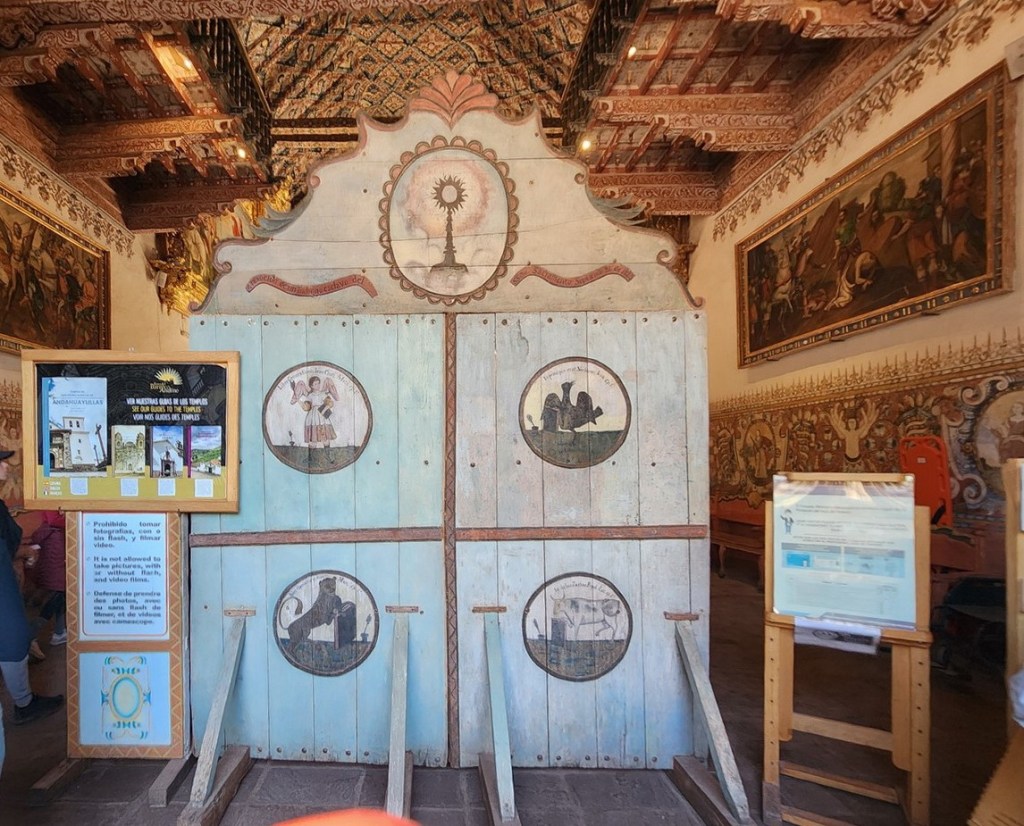
As a contrast to the simple exterior, the church really has a beautiful interior. It’s not something we’d want to see on its own, but as part of the trip it was a decent stop (and another opportunity for a washroom break!).

We arrived in Cusco around 5:30 p.m. and the sun was already below the surrounding mountains. It took about eleven hours in total, and we were tired by the end of it. However, it was a worthwhile way to see some lesser sights between Puno and Cusco as well as breaking up a long day. The trip is takes a little over 6 hours nonstop, so the slower way might not work for those in a hurry. In our case, we enjoy the sights along the way. On this tour it was mainly the Raqchi ruins which made this tour worthwhile. And for those not doing the Route of the Sun, they can also be done as a day trip from Cusco.
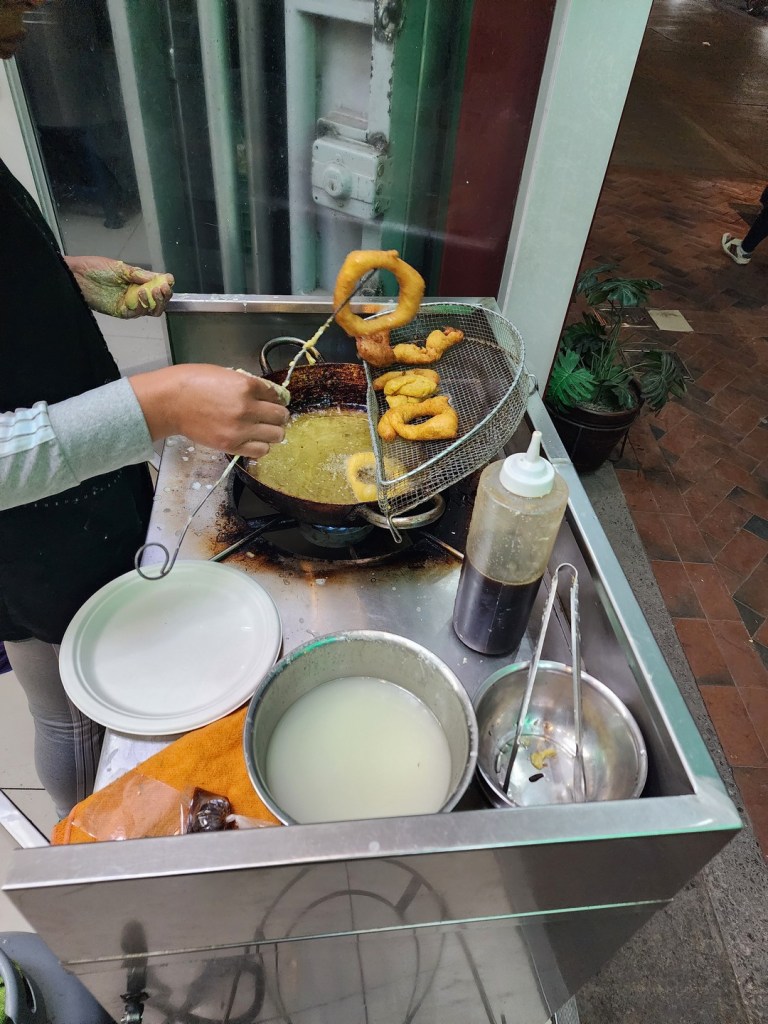
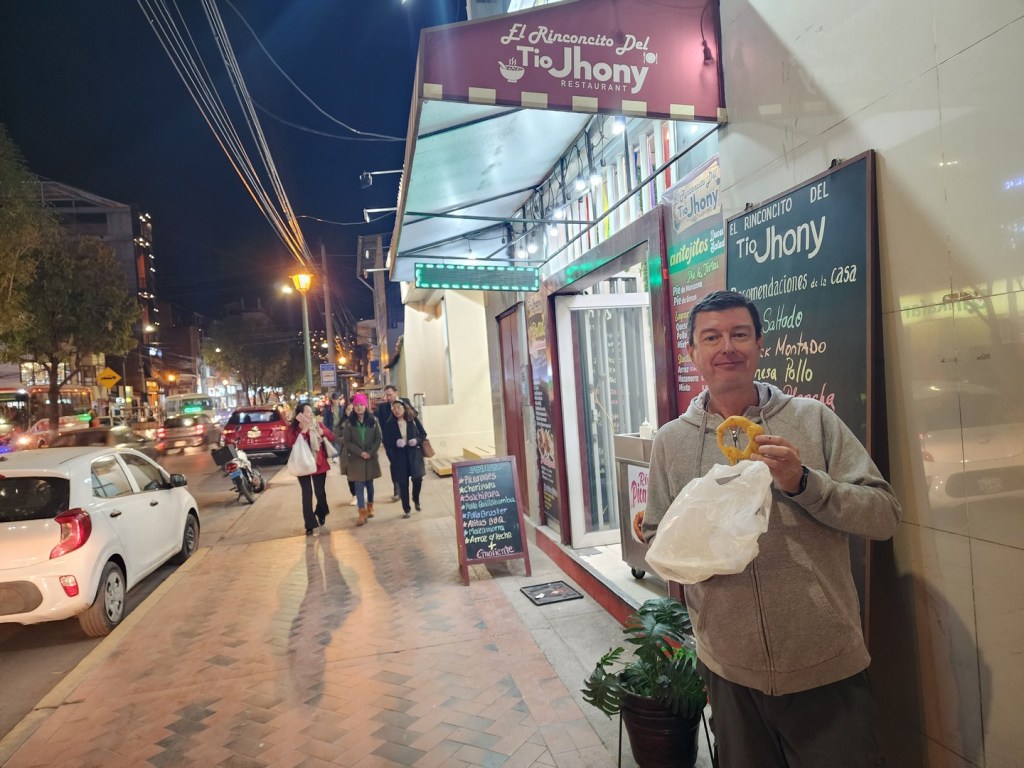
One we checked in at our hotel, the was just one thing we had to do on our first night in Cusco–eat picarones! A food since the time of the conquistadors, this simple snack began as a replacement for buñuelos, a Spanish food that had become too expensive to import in those times. It was gradually replaced by picarones using the native squash and sweet potatoes as a replacement filling. Sold along with a syrupy-sweet topping/dipping sauce, they were cheap and delicious with each order costing 5 soles (US$2.70). We accidentally made two orders when one was more than enough. It was a great end to a busy day.
 Humphreys Travel