After a long bus ride from Puno, we arrived in Cusco in the evening. We would spend the next four days in Cusco, with three days spent on days trips outside the city. But there was more than enough to do in the city, and we continued to acclimatize to the high altitude and thin air in preparation for the upcoming trip to Machu Picchu.
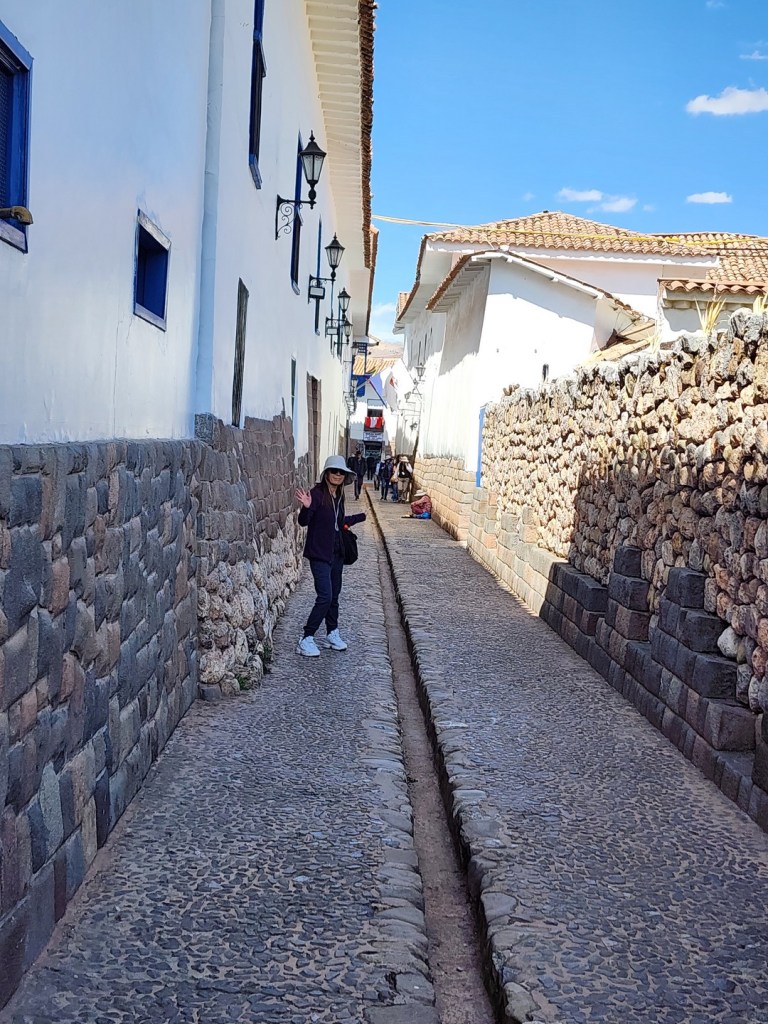
The walls found in a few places around the downtown give an indication of the engineering skills of the Inca. There are some old sections of wall that show gaps, but with time the skill of the Incas helped create walls that were so tight you could not see any gaps. This was in spite of the wide variety of the shapes and sizes of the stones used to build them!
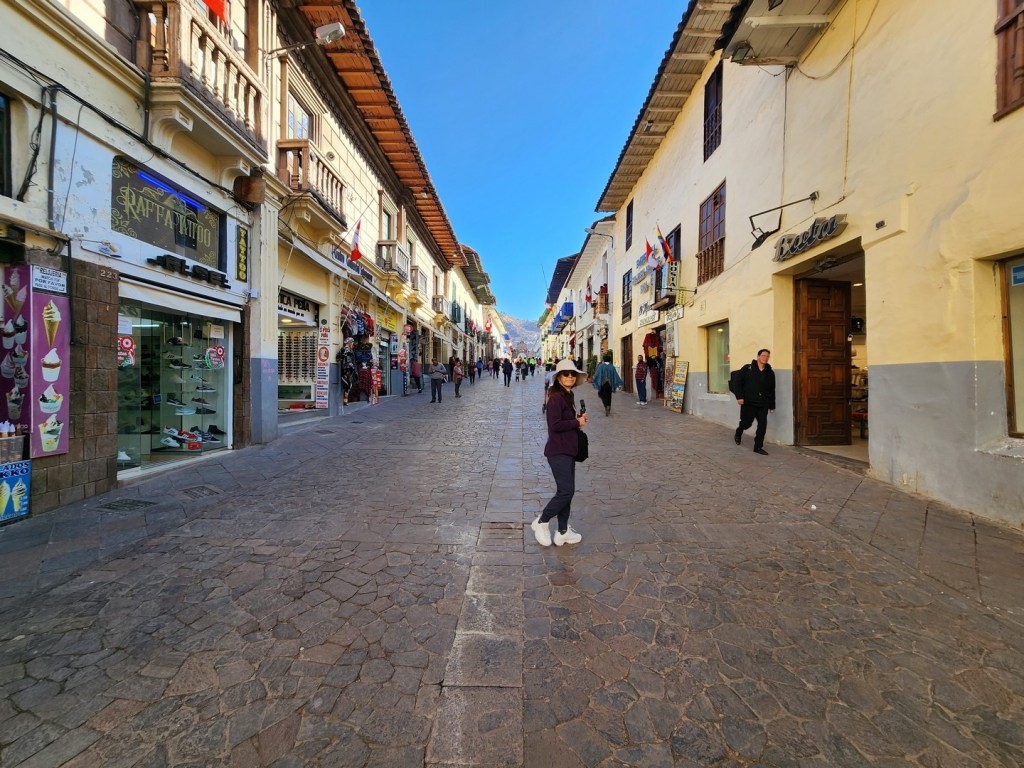
Aside from the traffic, the downtown and old town sections of Cusco are very walkable. Traffic pollution bothered us when things got very congested, as the pollution doesn’t disperse well and tends to hang in the air. But other than that, there were lots of sidewalks, narrow alleyways and different ways to get from one place to another.
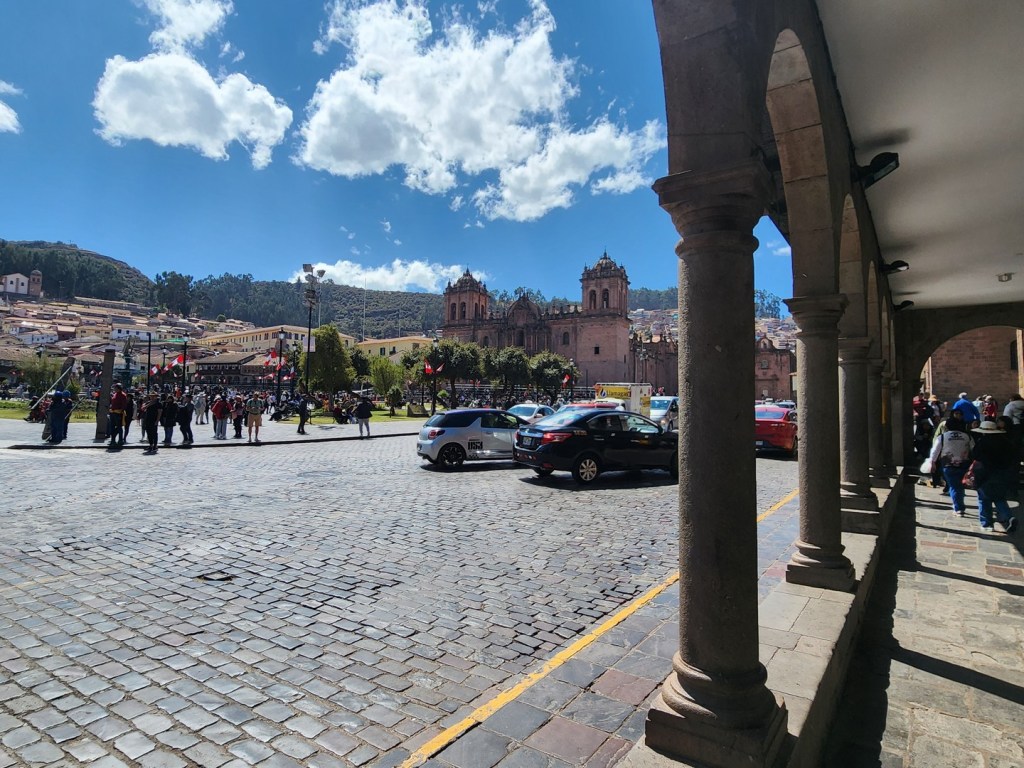
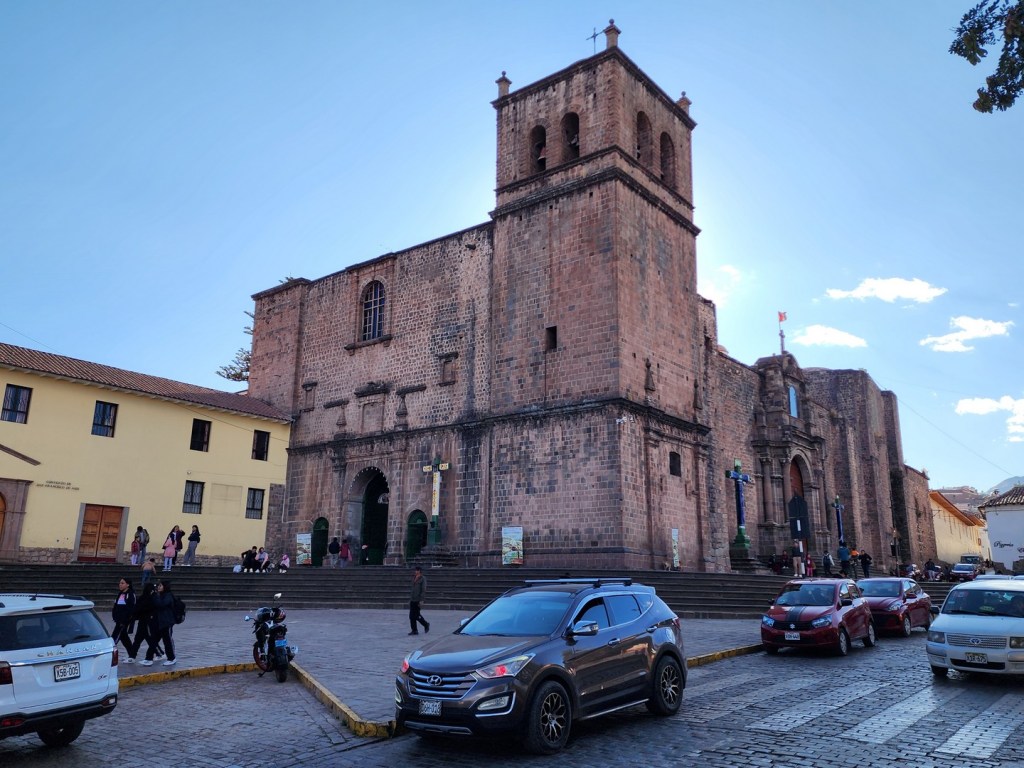
One of the main squares is the Plaza de Armas, with two large churches found at different ends of the square. People were hanging out in the square at all times of the day, and it was a lively place to visit.
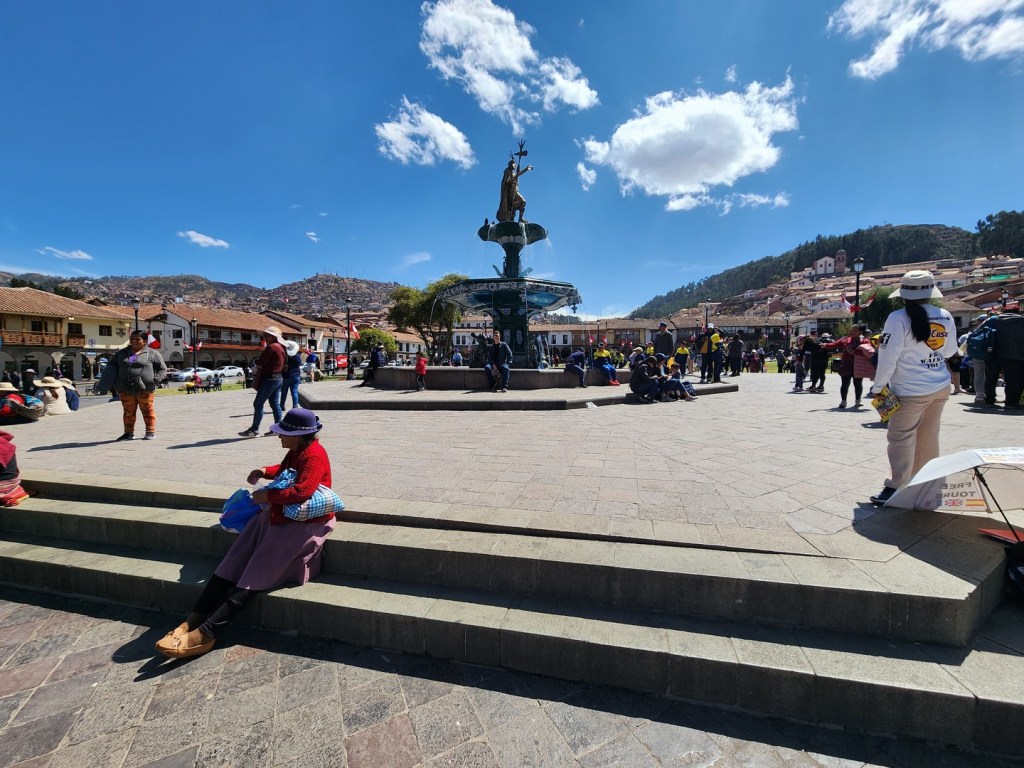
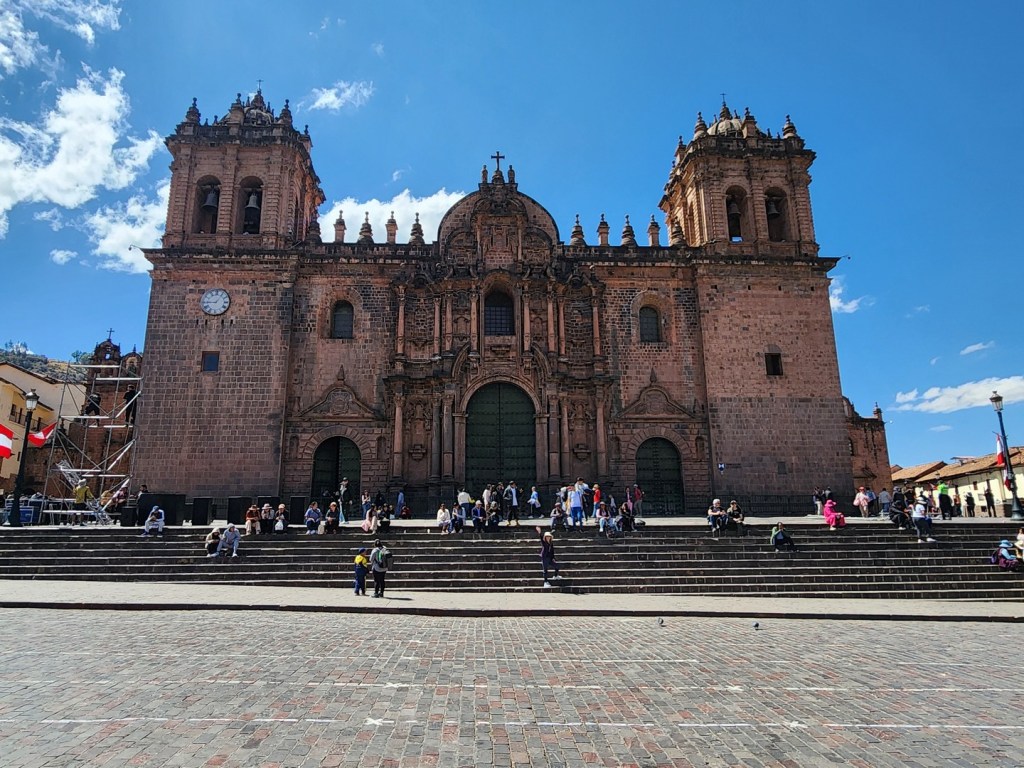
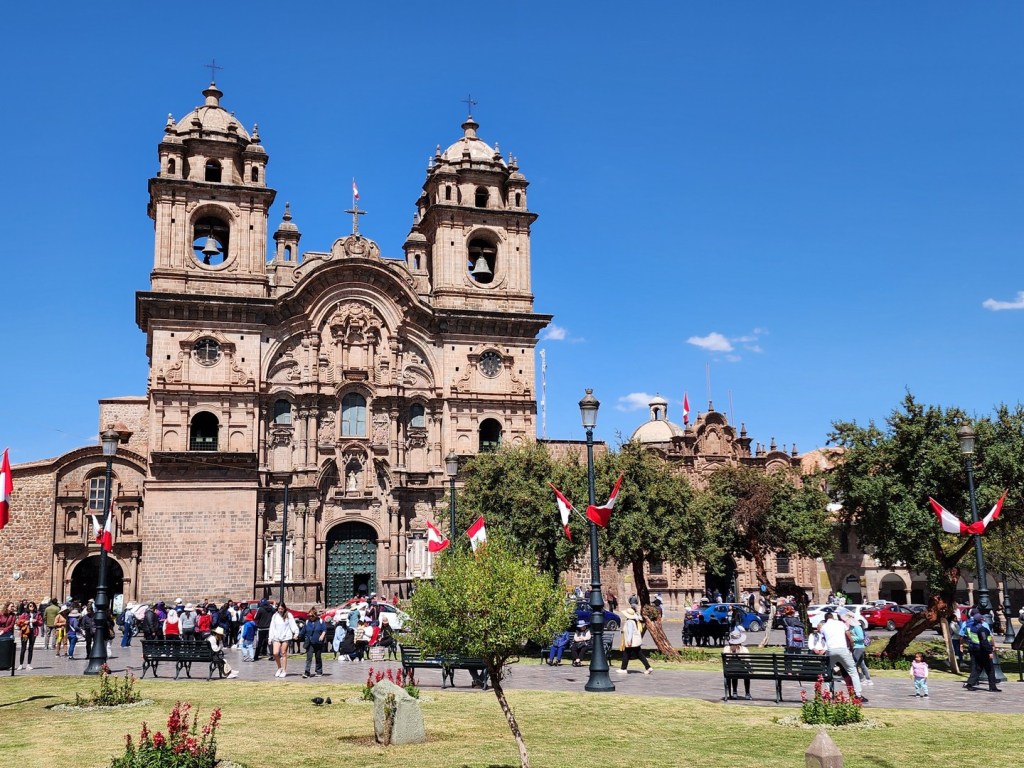
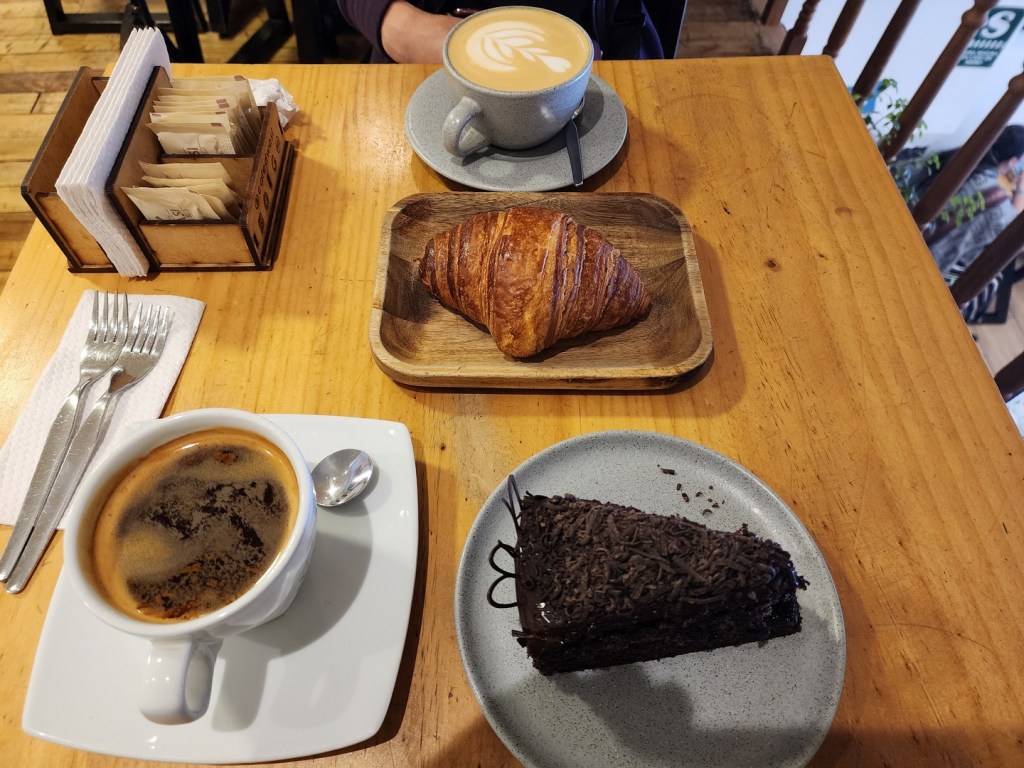
After a walk around the old town, we stopped off at a coffee shop for coffee and sweets. Cusco had a lot of nice independent coffee shops and restaurants, so it was easy to try different things.
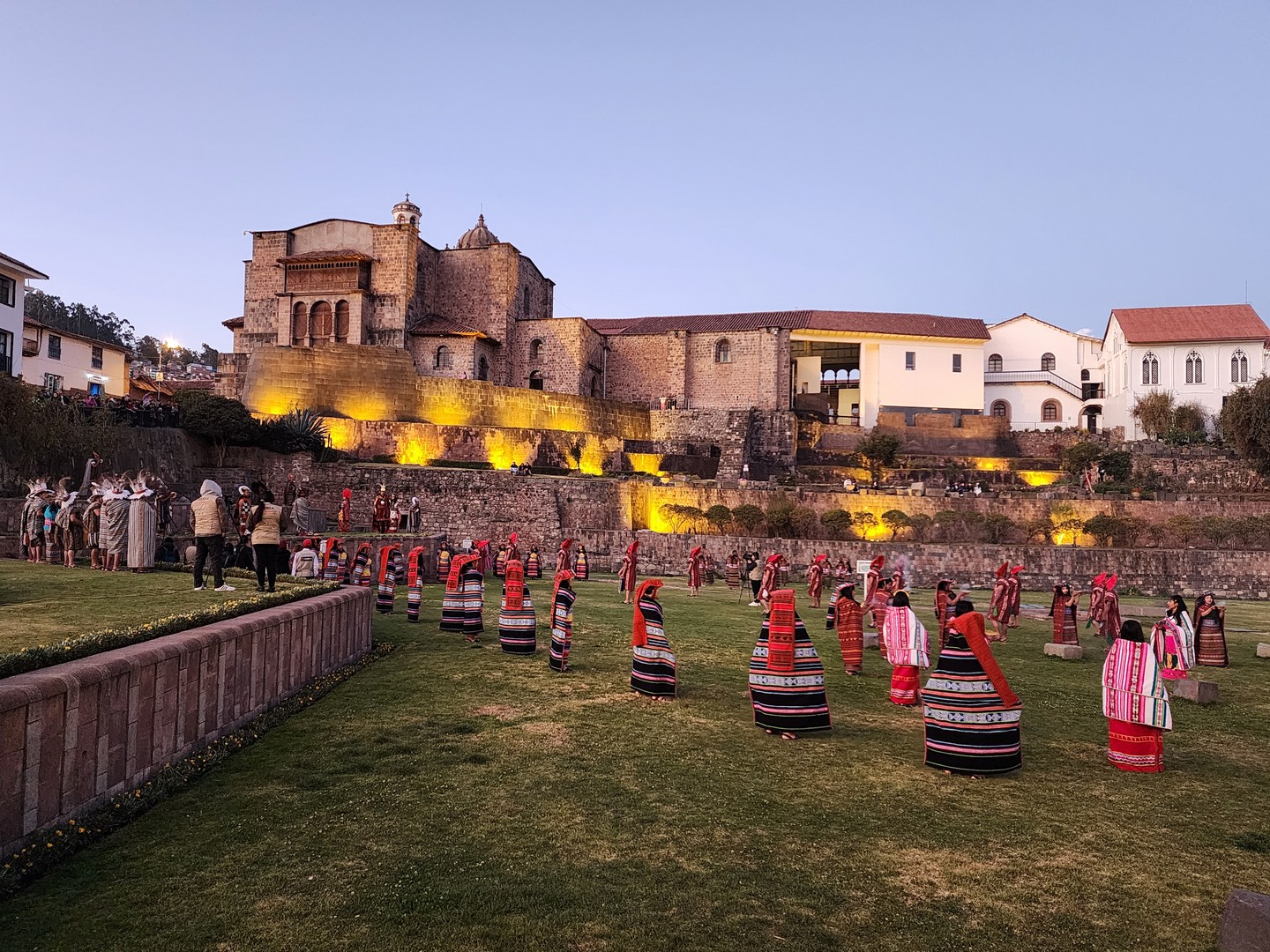
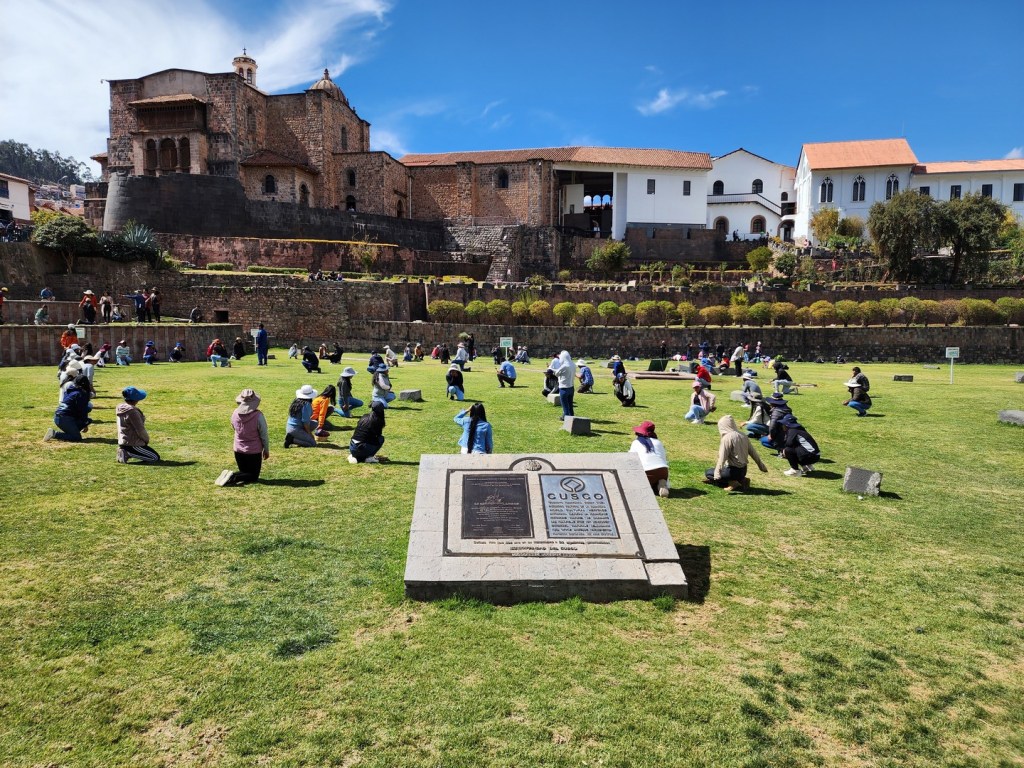
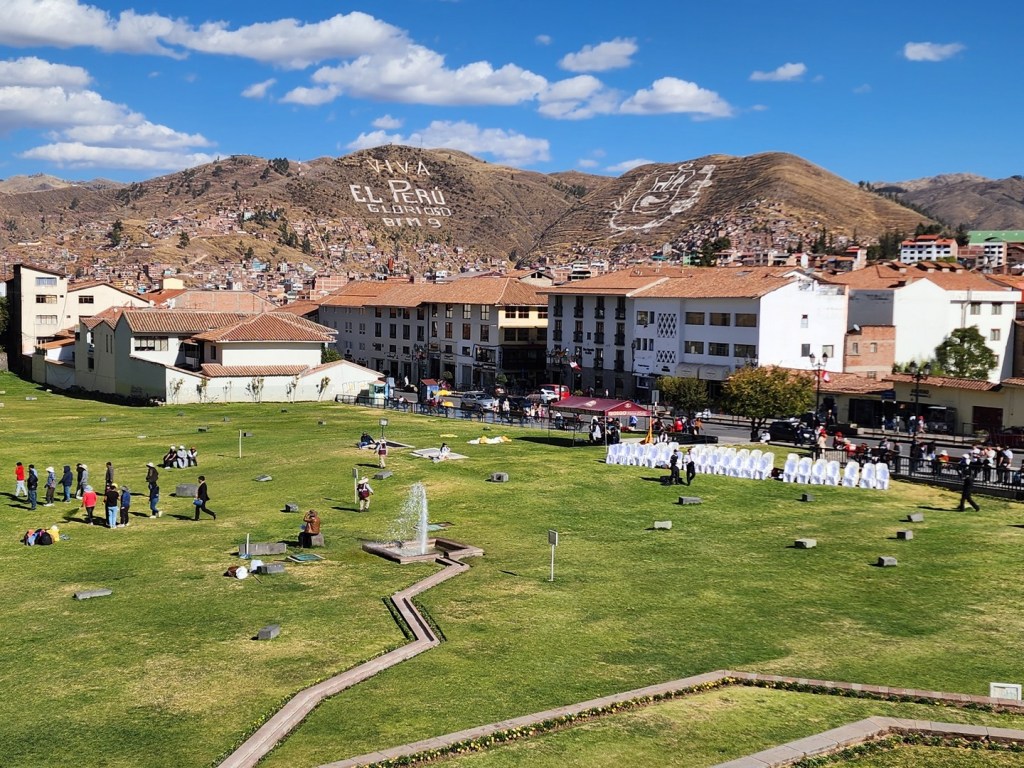
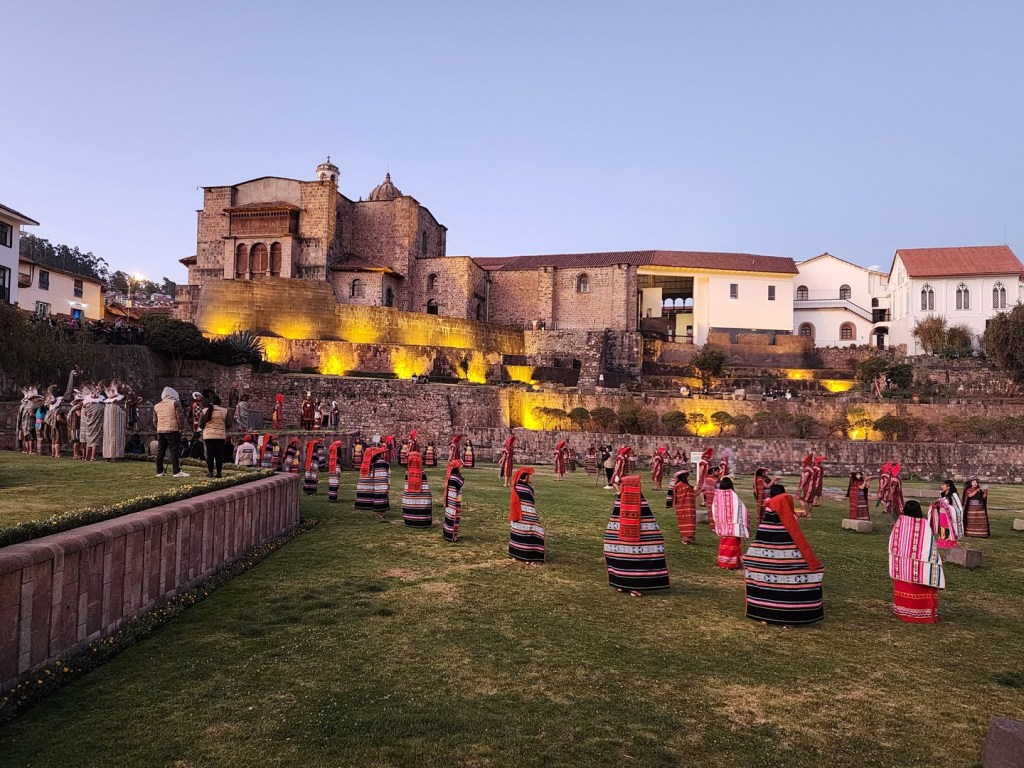
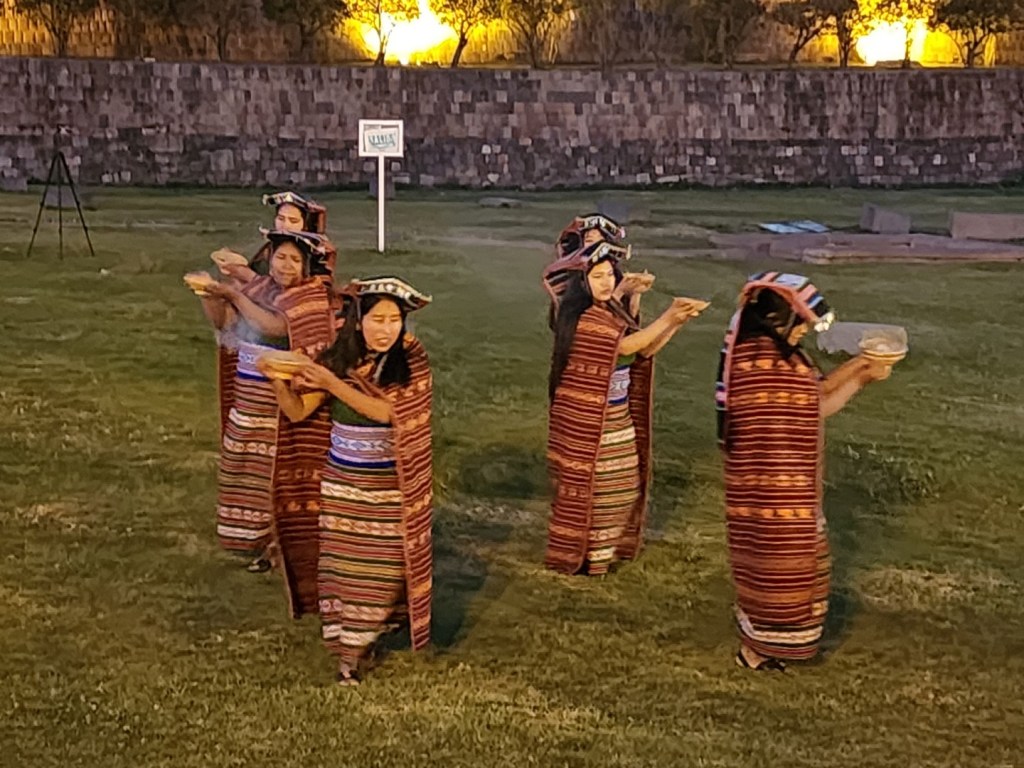
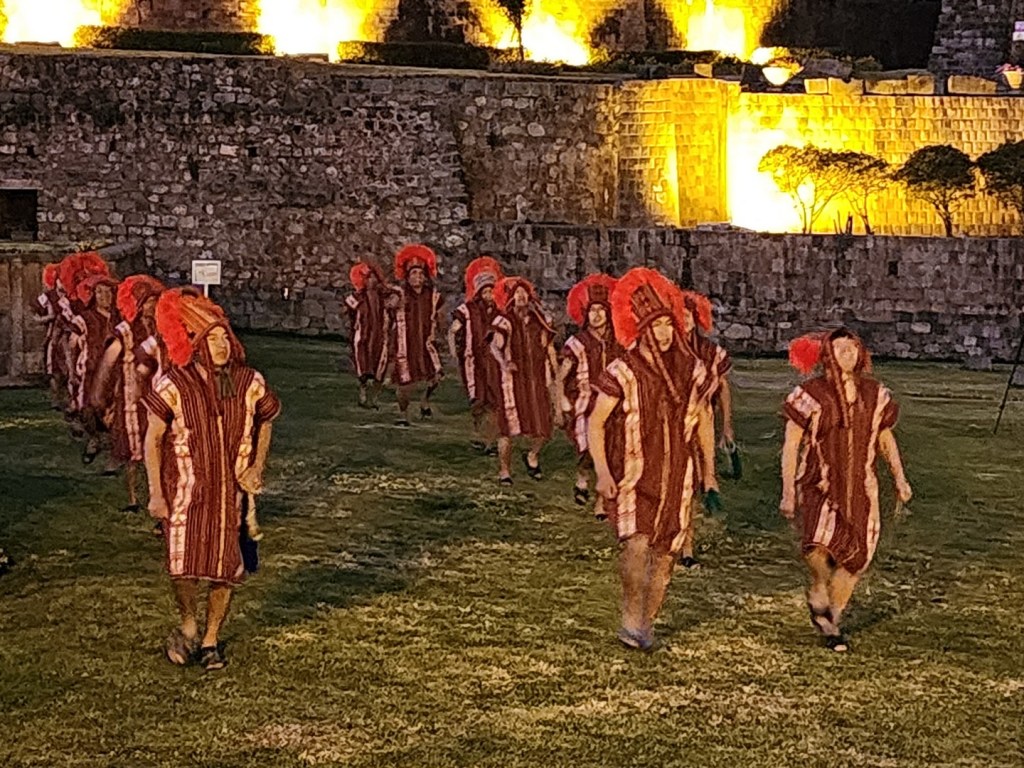
After coffee and cake we headed over to Qorikancha where a 15th century Inca temple used to be. It was captured and destroyed in the 16th century and a church and monastery replaced it. The open space where the temple used to be is now used for special ceremonies throughout the year. When we passed by, people were rehearsing for a performance later that night. We watched for a short time and then moved on.
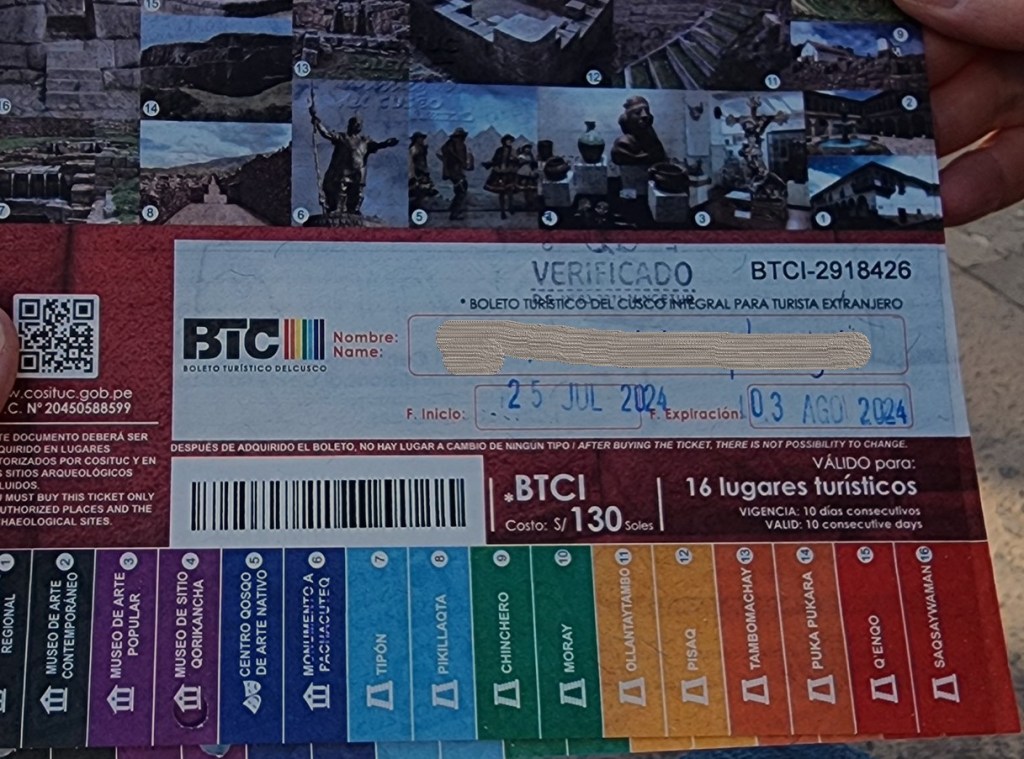
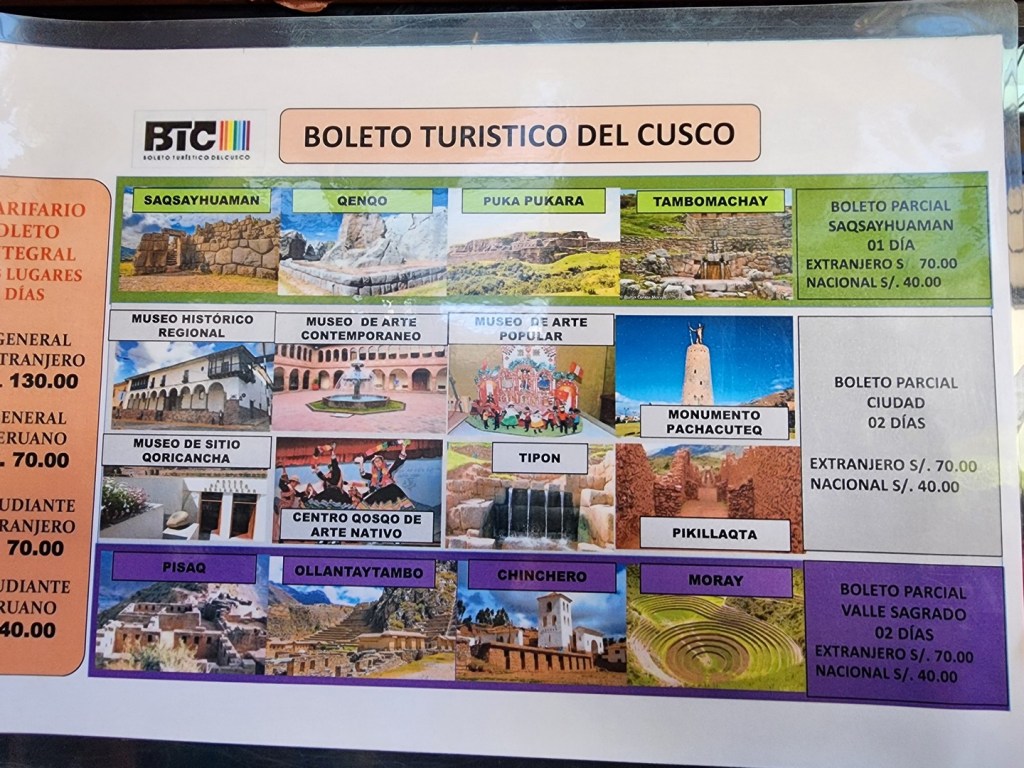
There were a few local museums in walking distance, so we figured it was time to pick up the Boleto tourist card. This regional card is very useful if you are going to visit most of the interesting sites in and around Cusco. We visited the local municipal office where we purchased a Boleto card for each of us. It was 130 soles (US$35) per person and valid for 10 days. While it didn’t cover all of the surrounding sights, we would make good use of it during our time in and around Cusco. It included entry fees to a number of local museums as well as some larger ruins like Moray and Pisac. The Monument to Incan leader Pachacuteq, found in a busy part of the city, was under renovation so we couldn’t visit.
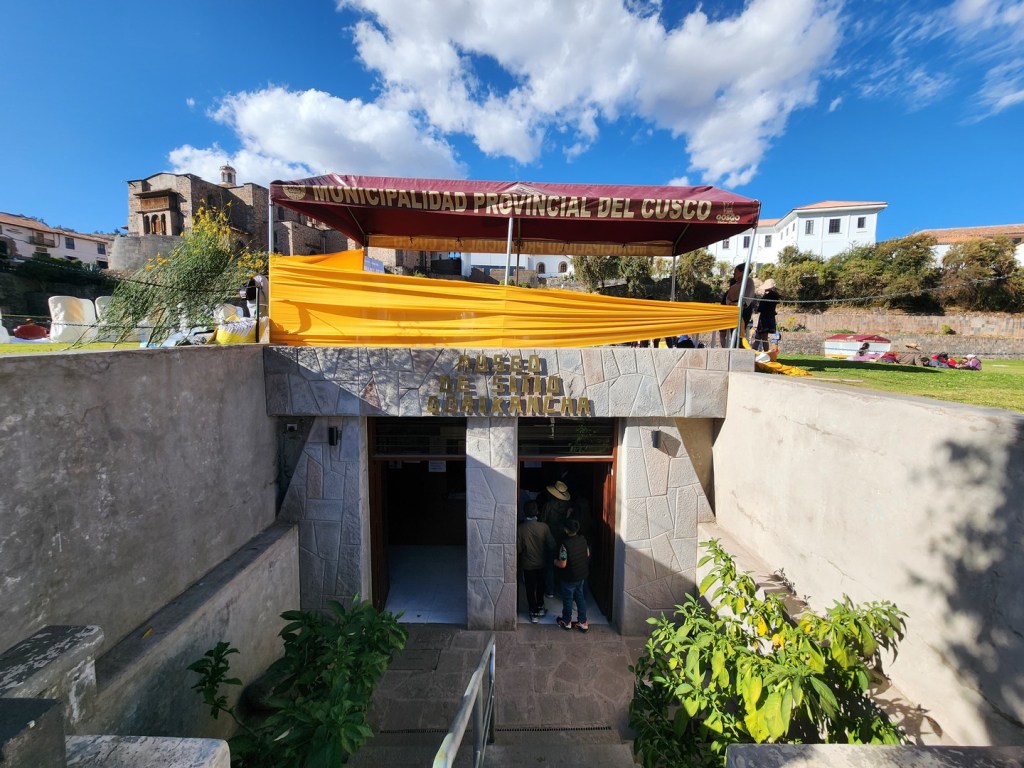
With Boleto cards in hand, we went over to the first museum located right under the open field at Qorikancha. This is a small museum that has only five rooms inside. It gives a history of the ancestors who lived in these region a long time ago.
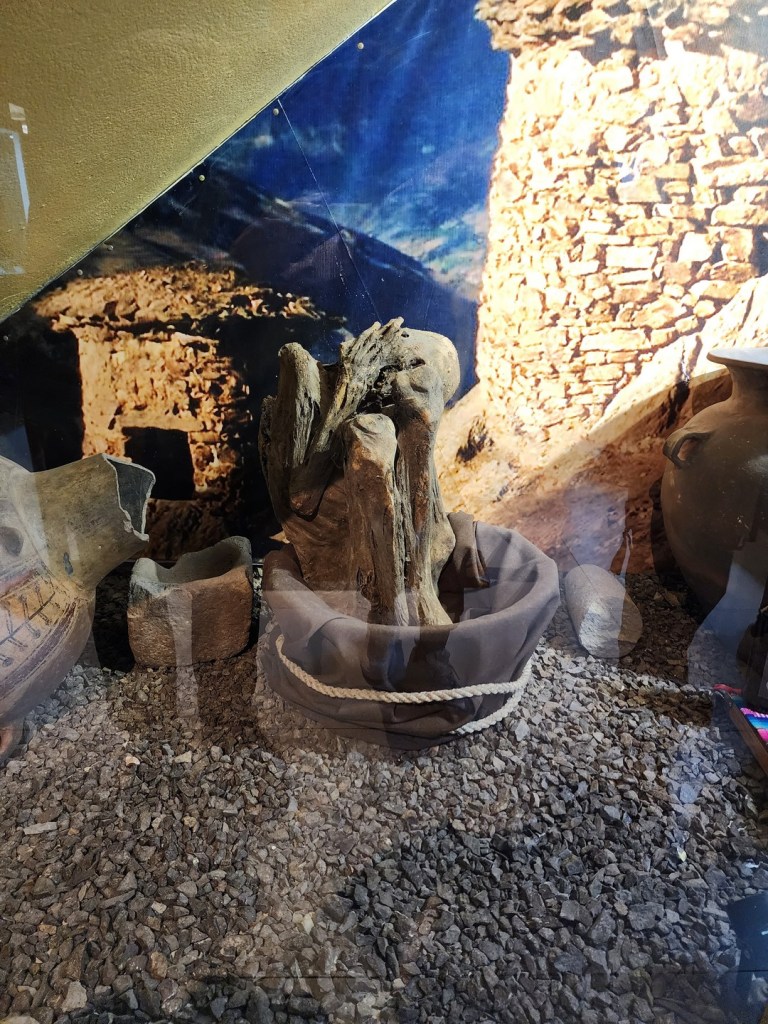
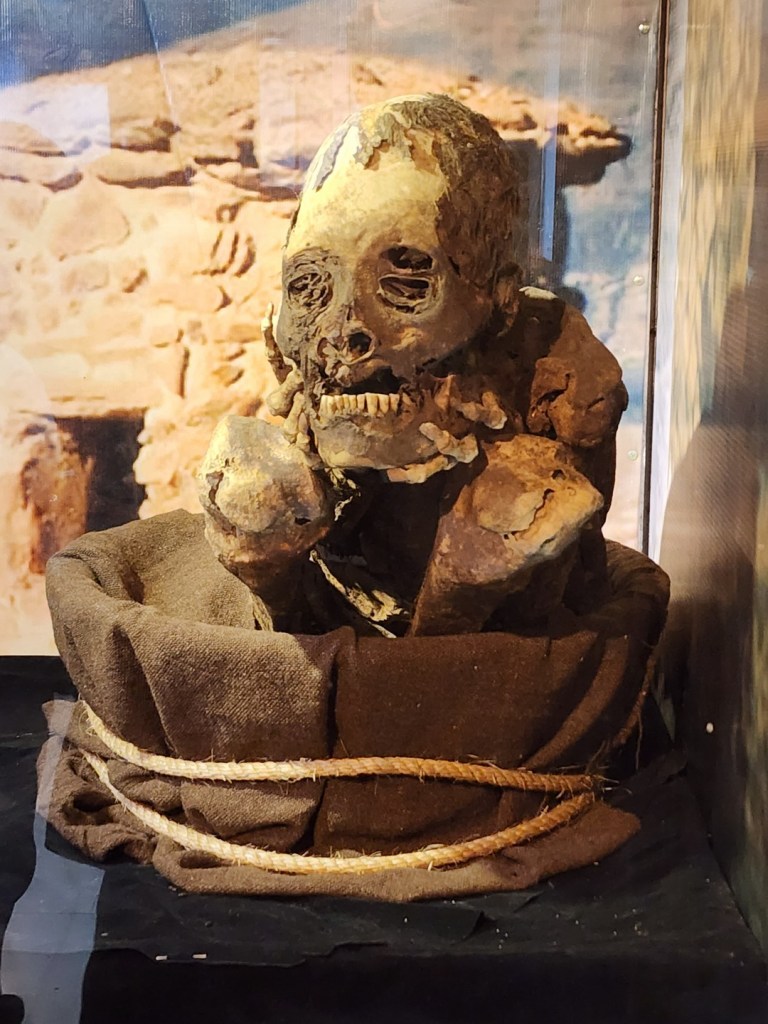
The musem shows the chronological evolution of civilization in Cusco. It exhibits fragments and ceramics from the Inca period as well as samples of metallurgy, textiles, paintings, sculpture, and musical instruments. Two mummies and a collected of skulls that went through trepanation are some of the more unusual objects in the collection.
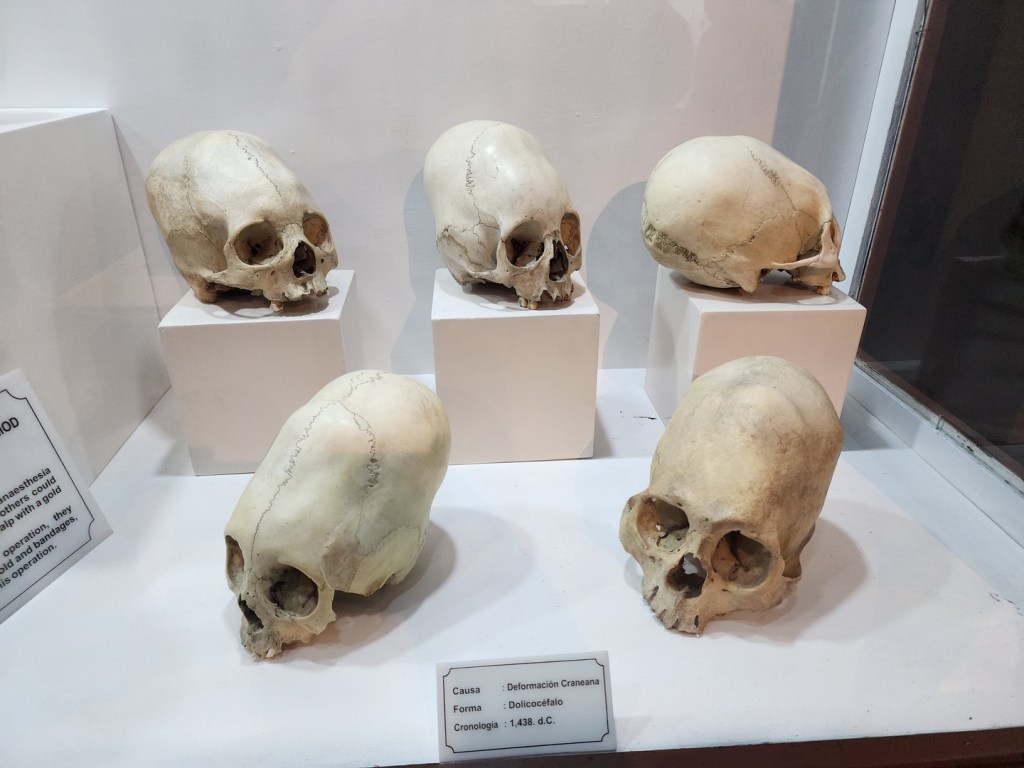
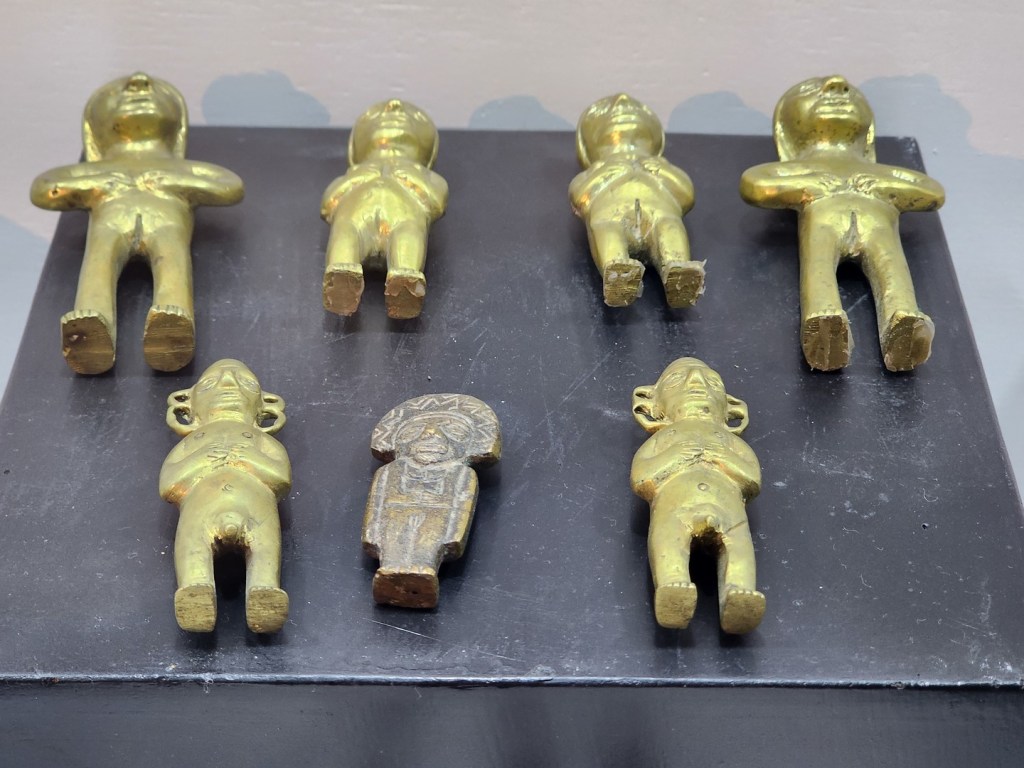
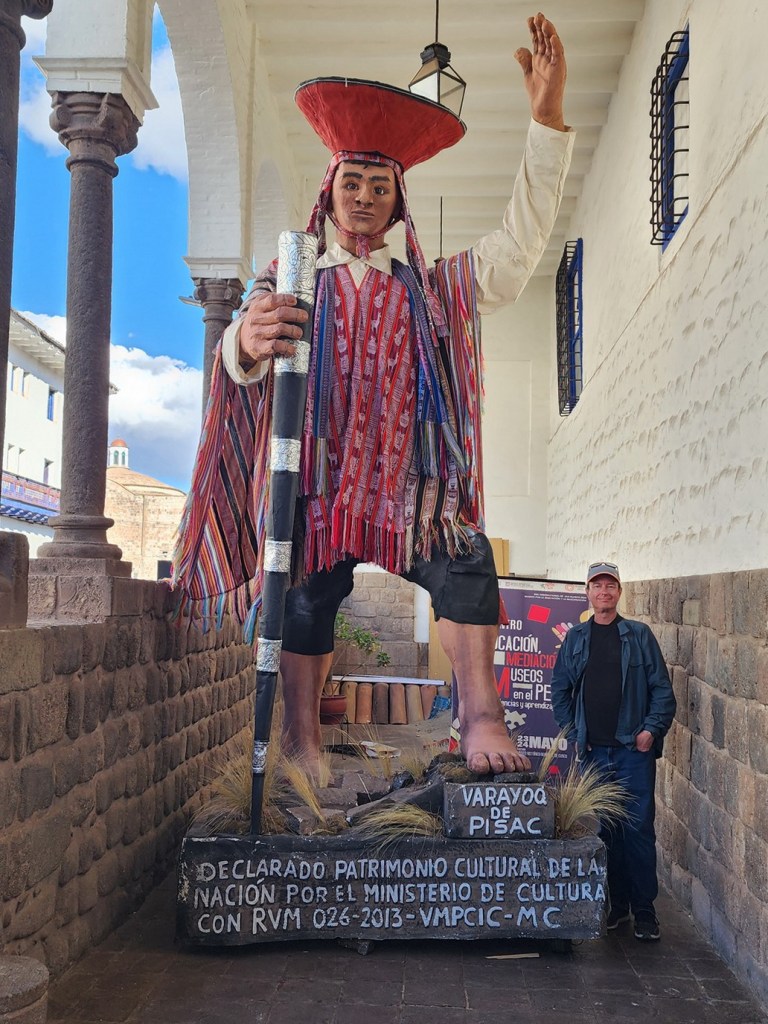
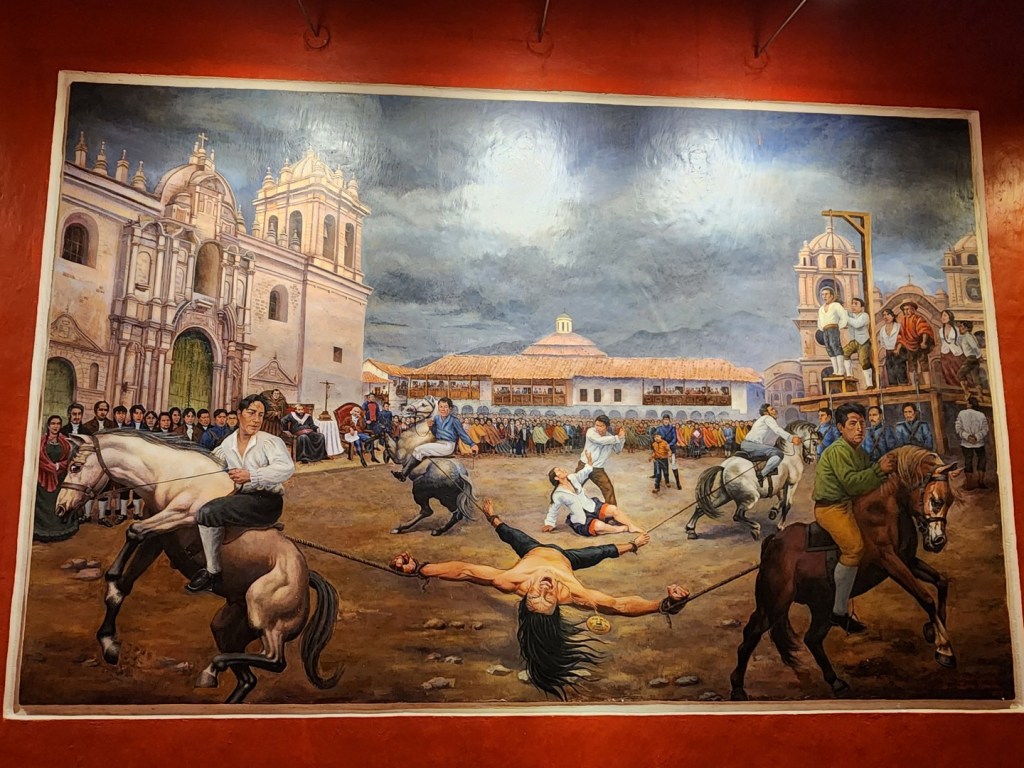
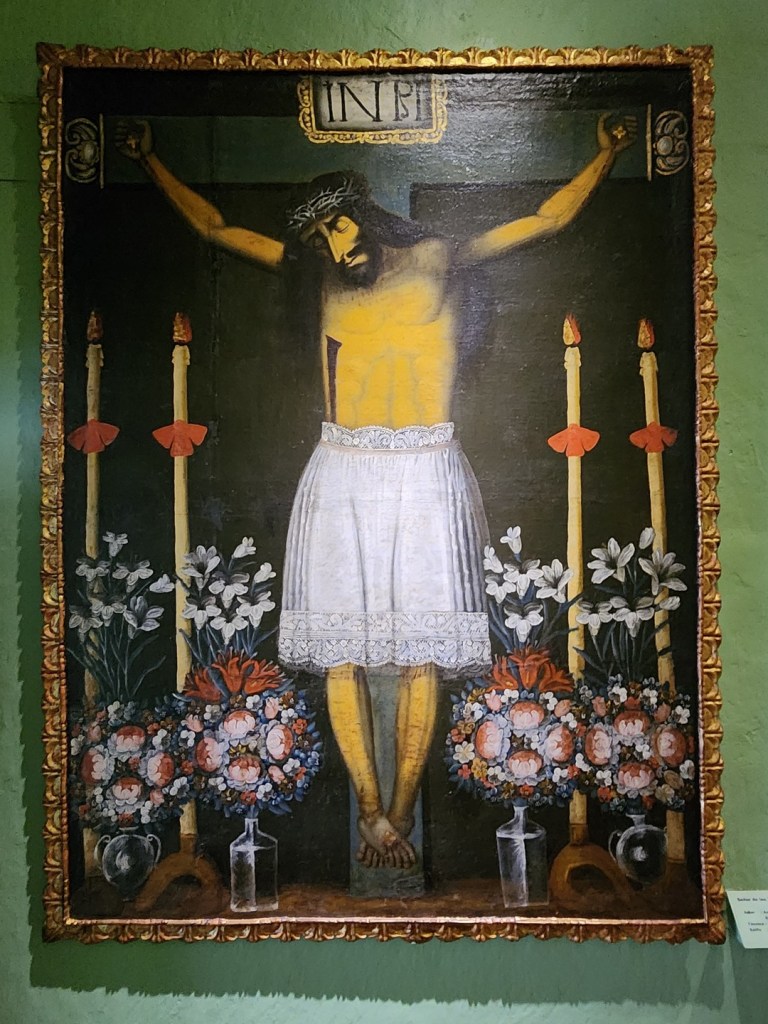
After wandering around some more, we went to the Inca Museum (Museo Inka), using our Boleto card again. The museum building, which rests on Inca foundations, is also known as the Admiral’s House after the first owner, Admiral Francisco Aldrete Maldonado. It was badly damaged in the 1650 earthquake and rebuilt. Further damage from the 1950 earthquake has now been fully repaired, restoring the building to its position among Cuzco’s finest colonial houses.
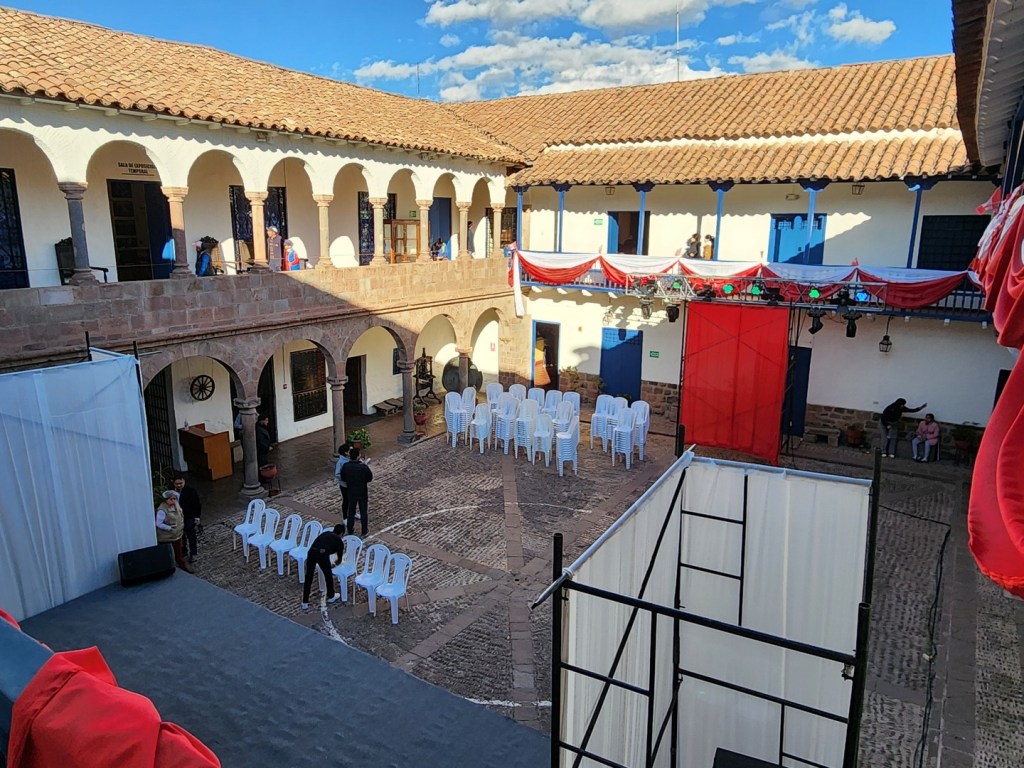
The museum houses an eclectic collection of artwork, historical artifacts and archaeological finds. It really spans a lot of time periods, but many of the objects felt very unique. While it was not a large museum, we enjoyed our time there.
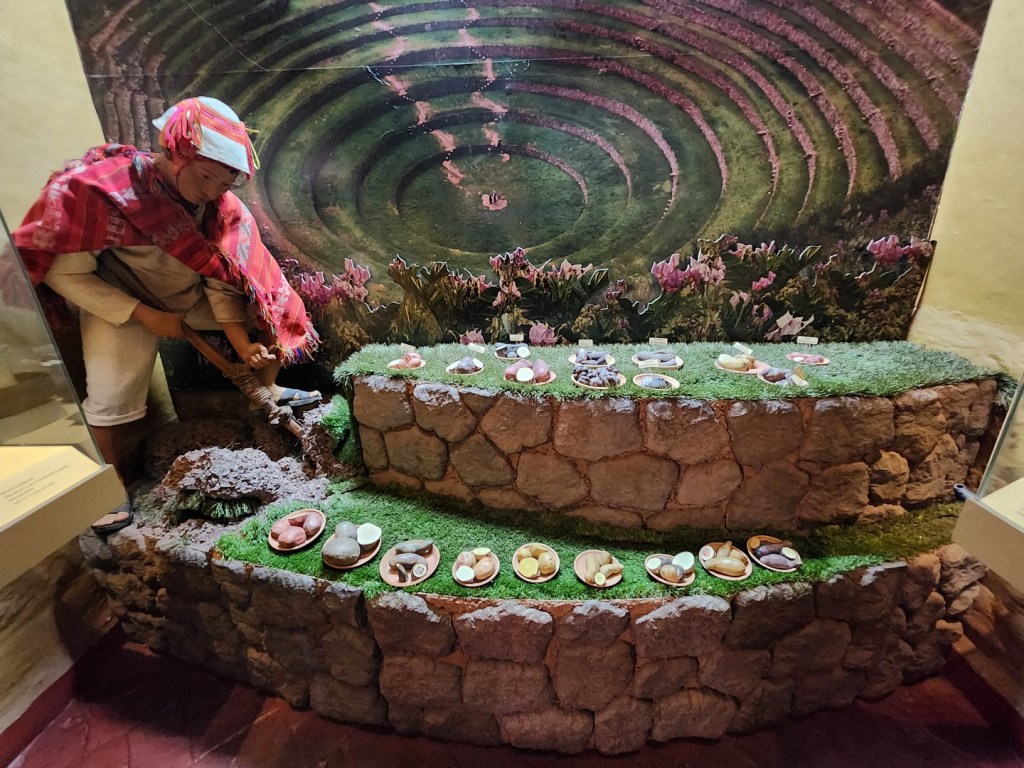
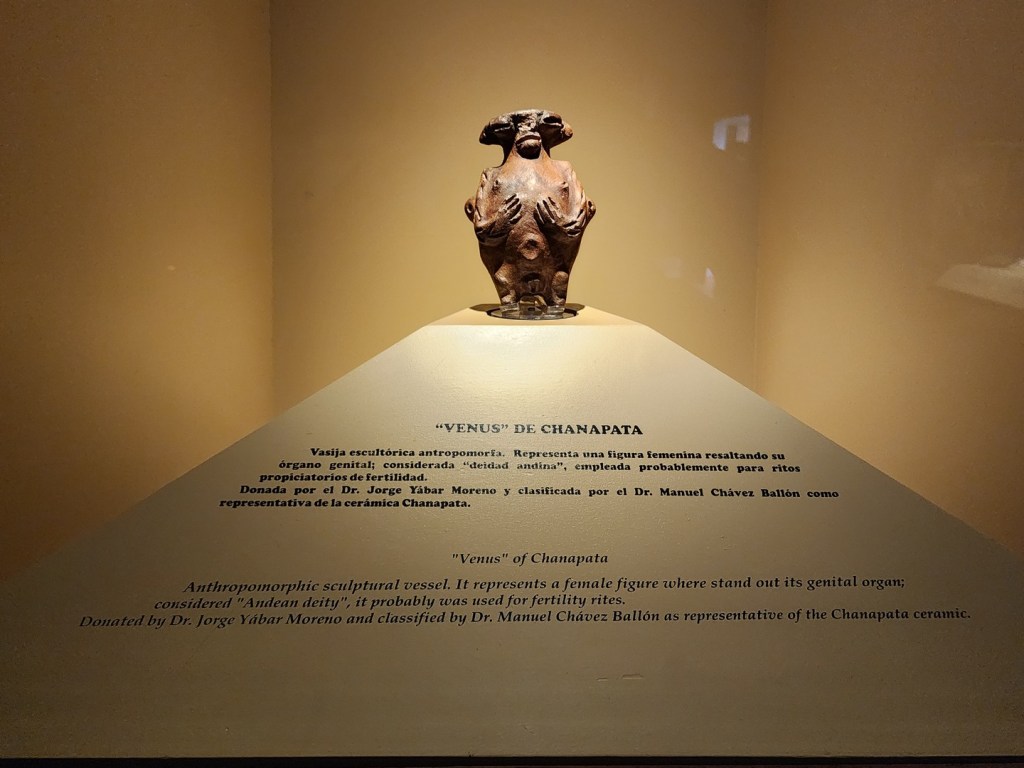
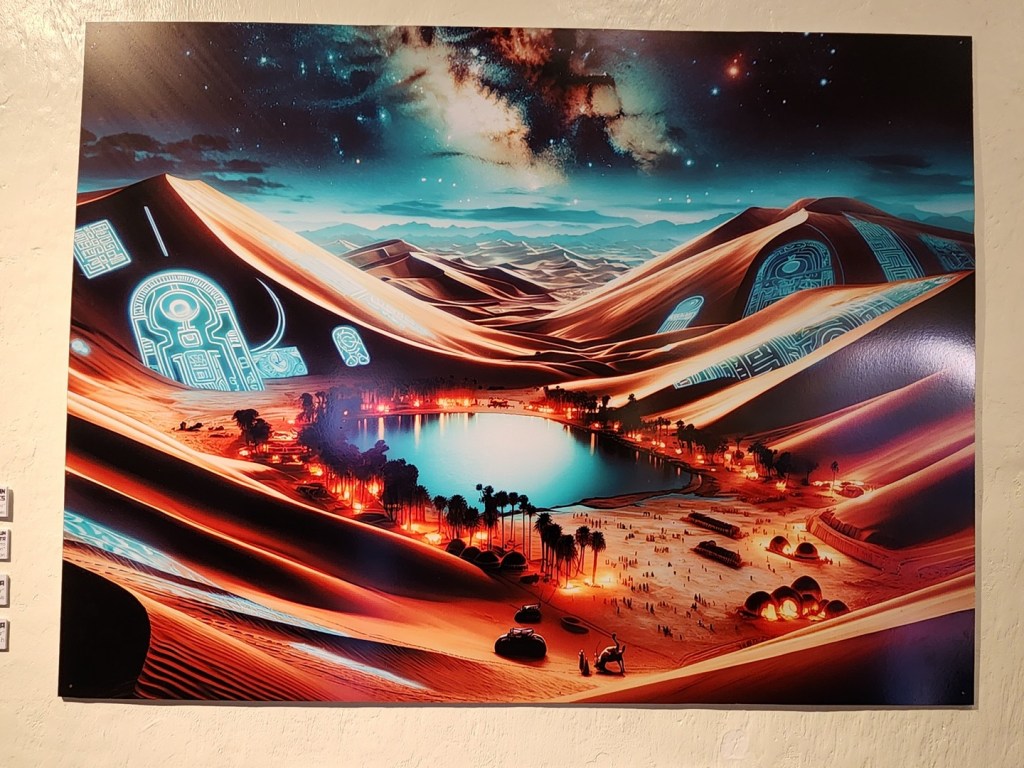
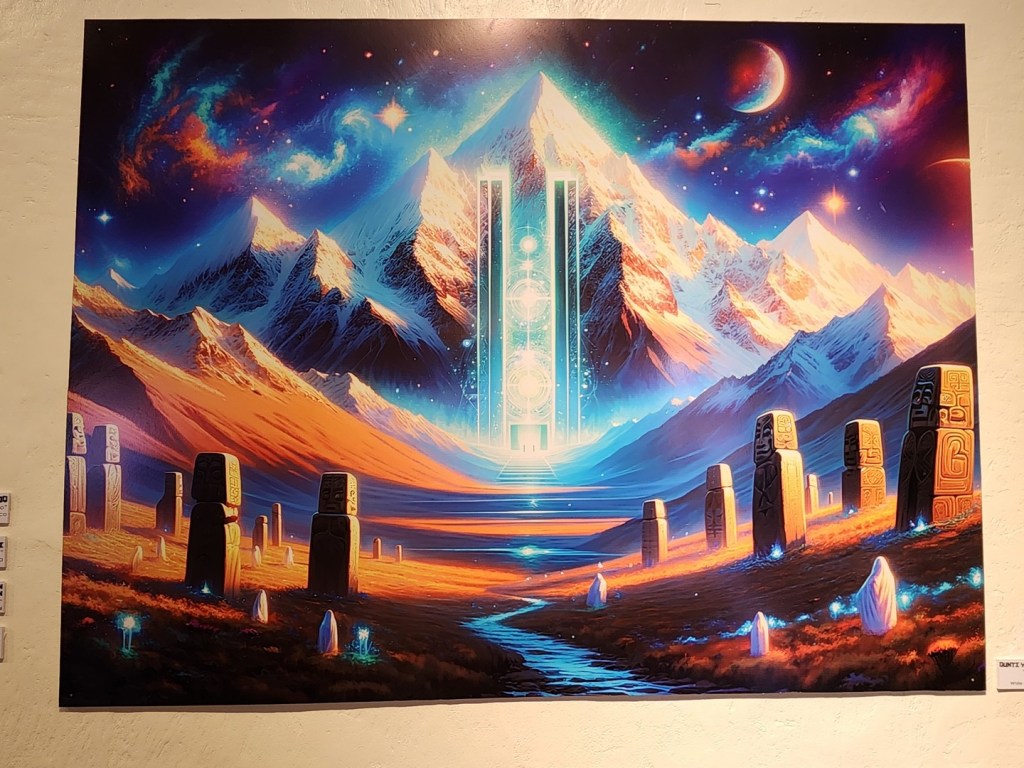
One section of the museum had futuristic art that combined the landscape of Peru with future technology. For a small museum, it was very ambitious.
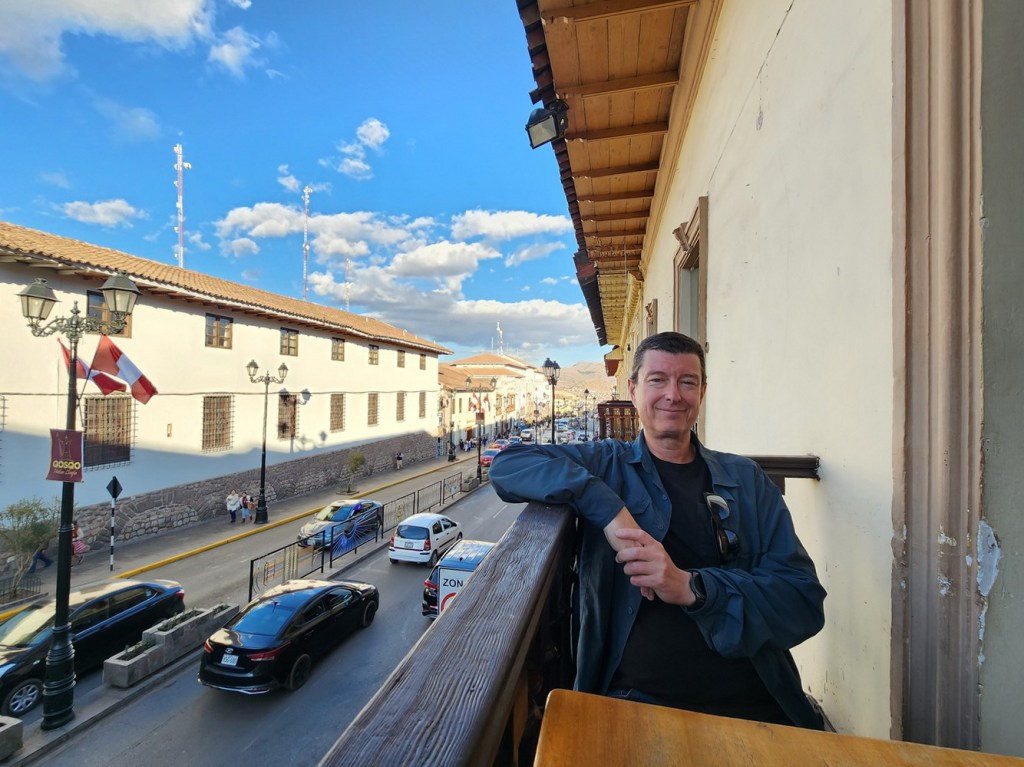
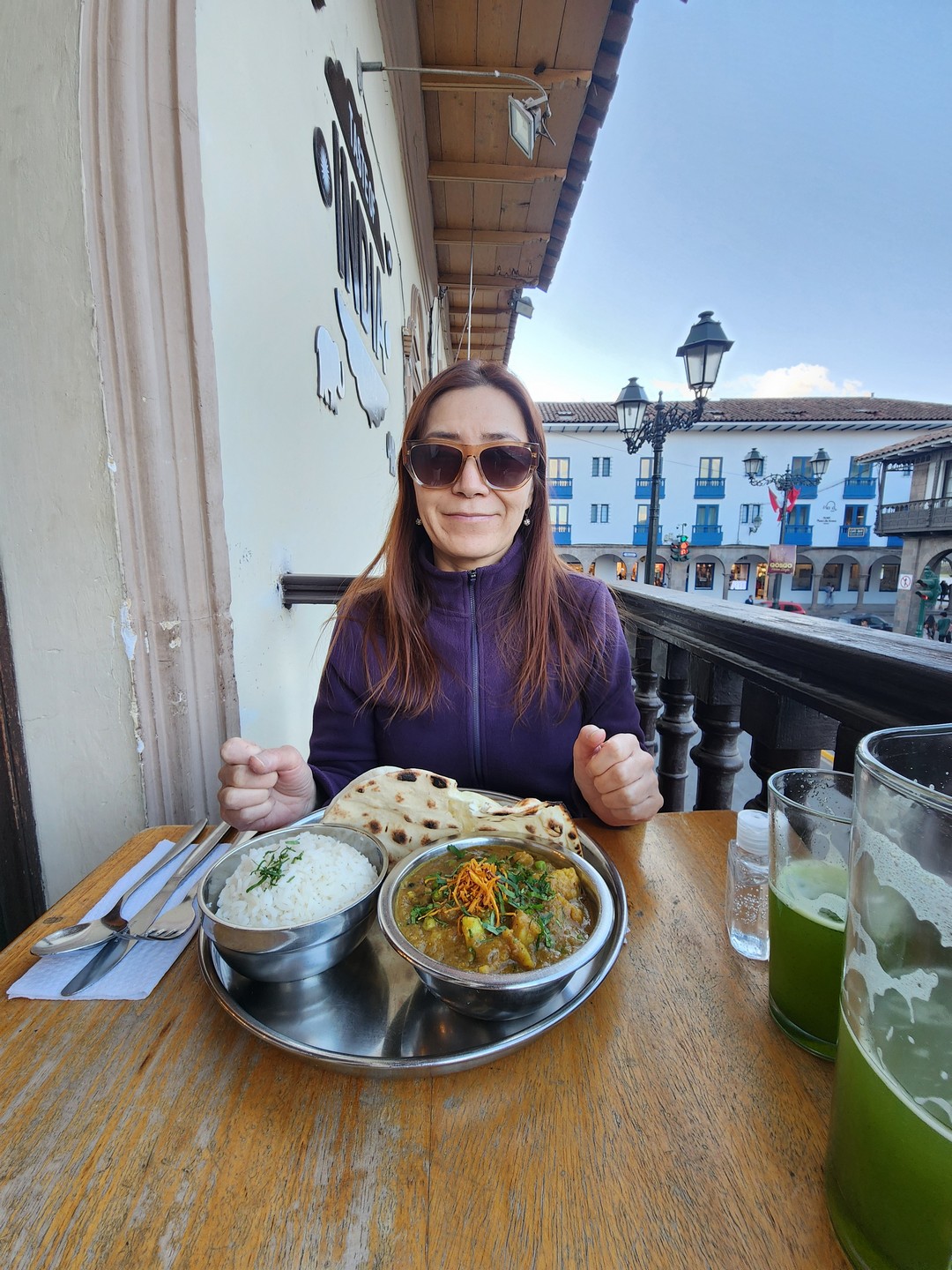
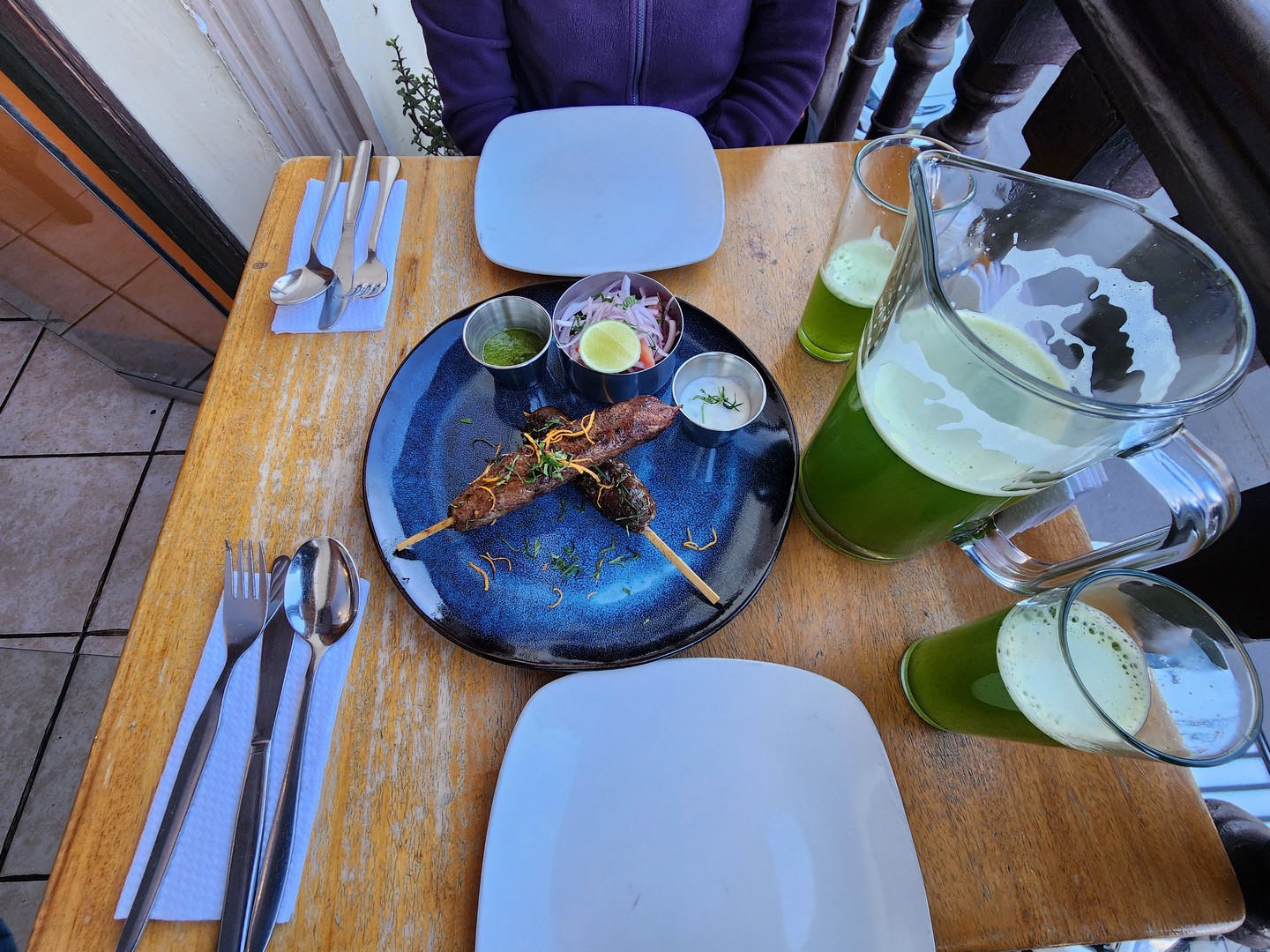
After the Inca Museum it was time for dinner, so we headed back near the Plaza de Armas and enjoyed an Indian dinner with a view.
As the sun began to set, we made our way back to the Qorikancha, as a special ceremony was about to begin.
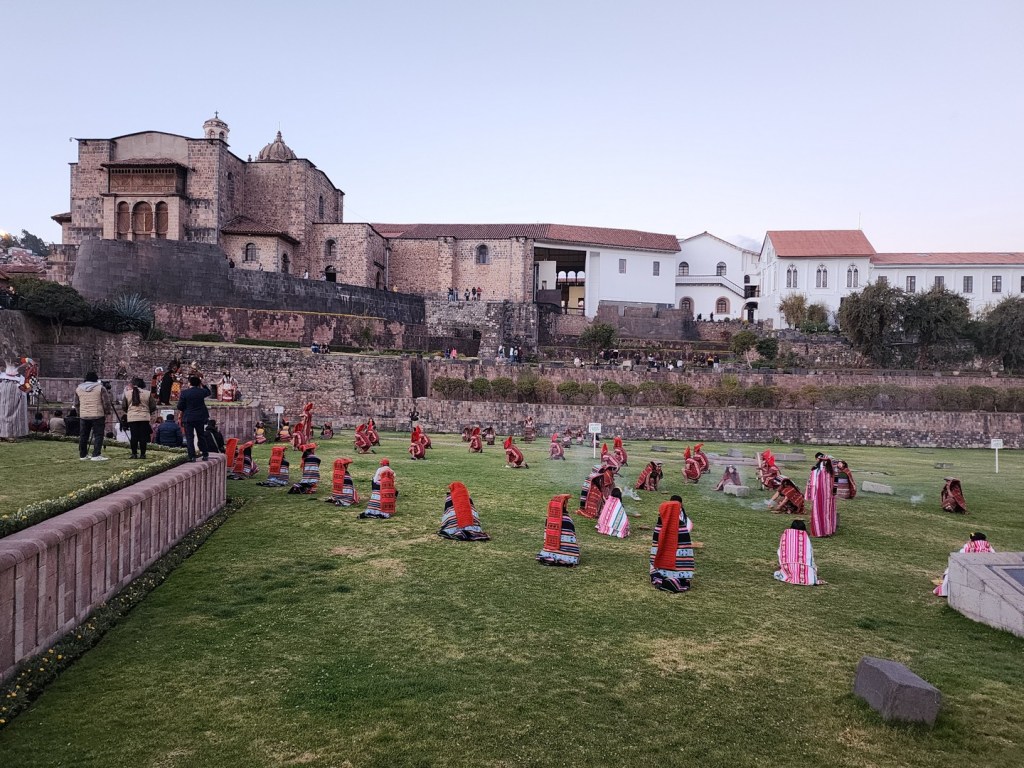
In Inca times, Qorikancha (Quechua for ‘Golden Courtyard’) was literally covered with gold. Once the richest temple in the Inca empire, all that remains today is the masterful stonework. The temple walls were lined with some 700 solid-gold sheets, each weighing about 2kg. All that remains now is the base of the colonial church and convent of Santo Domingo that replaced it. The temple was built in the mid-15th century, and upon capture Francisco Pizarro gave it to his brother Juan who bequeathed it to the Dominicans. The wall here has withstood all of the violent earthquakes that leveled most of Cuzco’s colonial buildings.
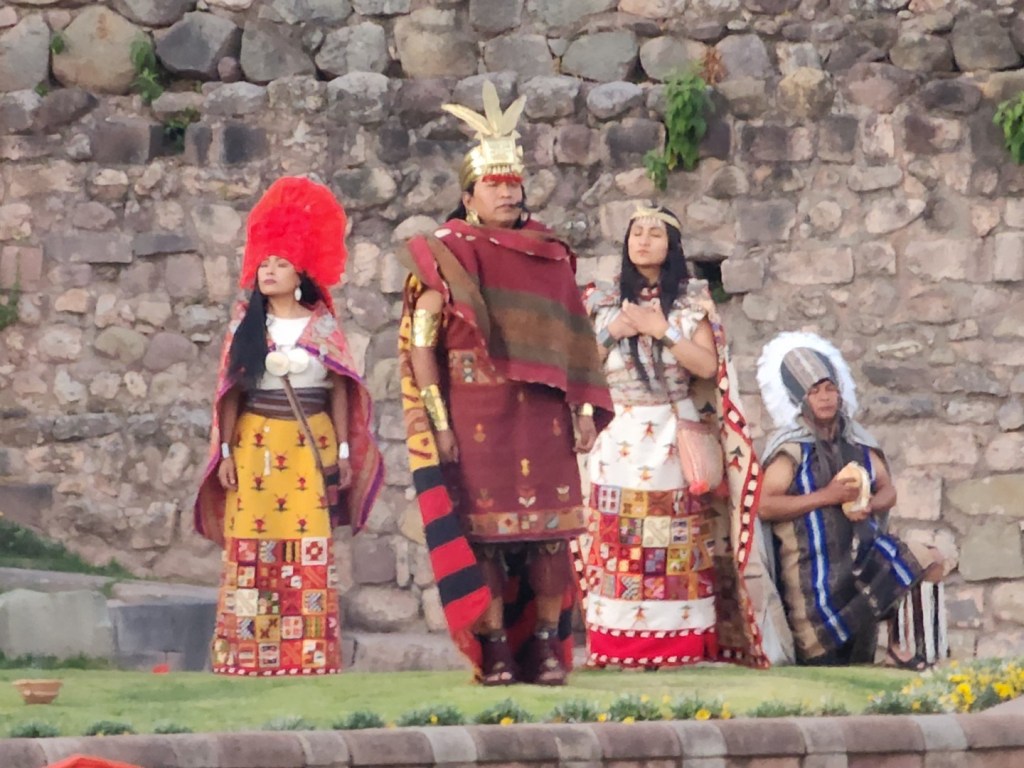
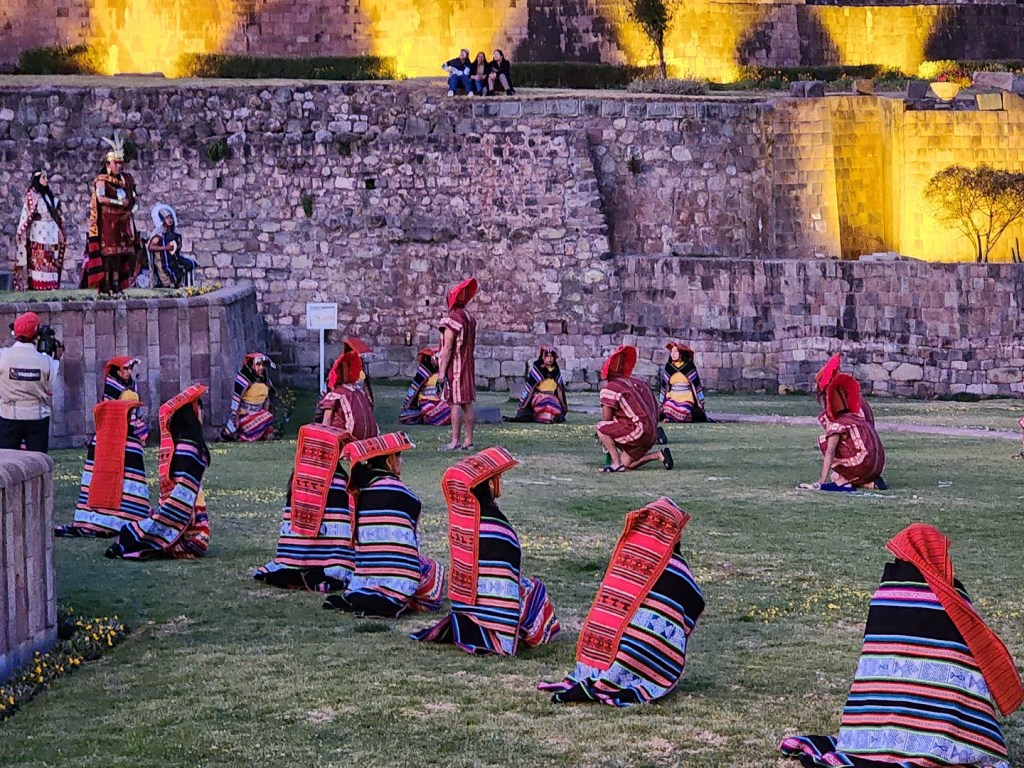
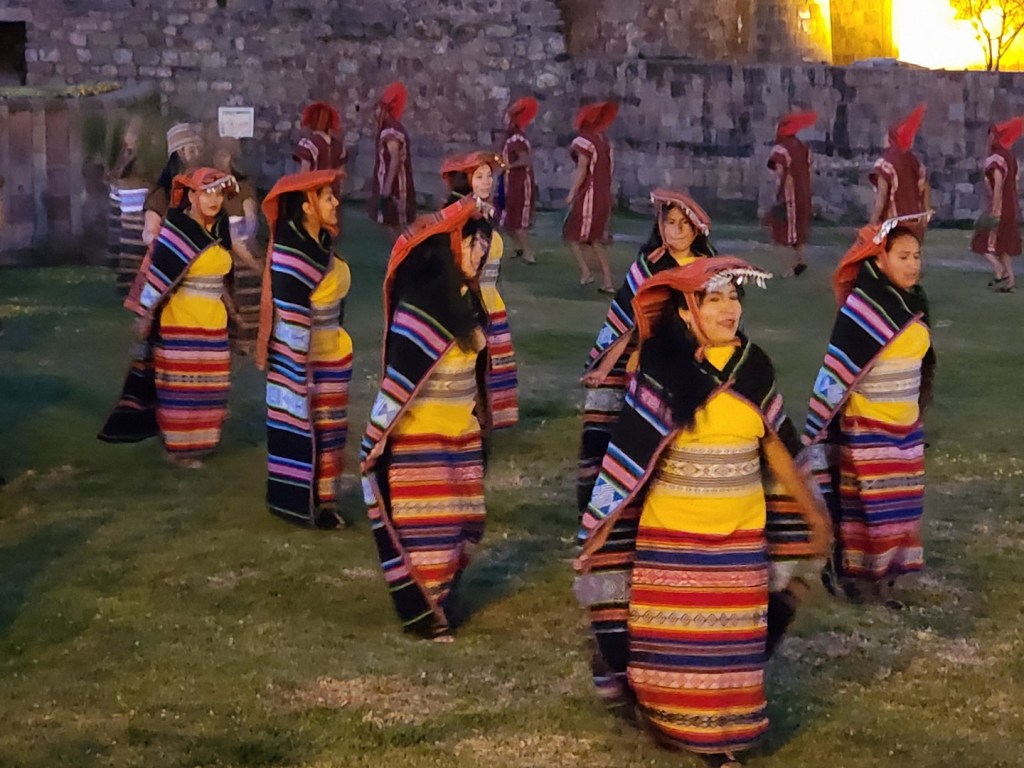
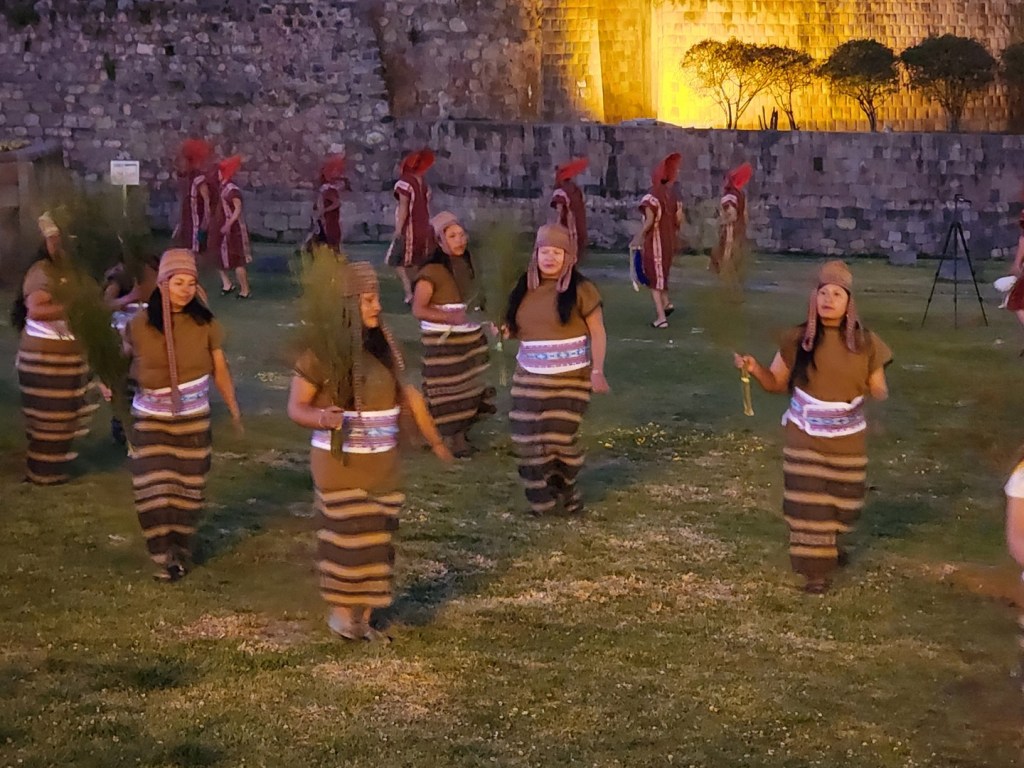
The recreation of the ceremony was the highlight of our time in Cusco. The free open air performance was really well done, as the main performers had microphones to carry their voices. There was also a large number of dancers on the field who had clearly rehearsed their roles. The main performers were projected onto a screen on one side of the field.
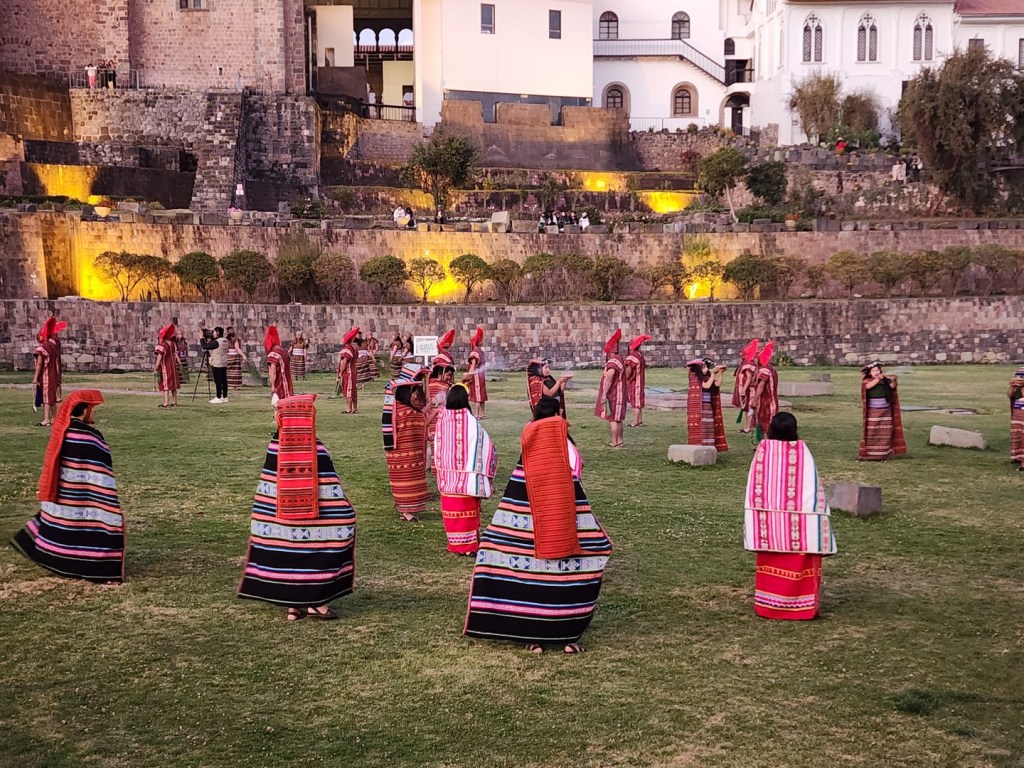
Back in Inca times, other religious rites took place in the temple. It is said that the mummified bodies of several previous incas (kings) were kept here, brought out into the sunlight each day and offered food and drink, which was then ritually burnt. Qorikancha was also an observatory where high priests watched the movement of the stars.
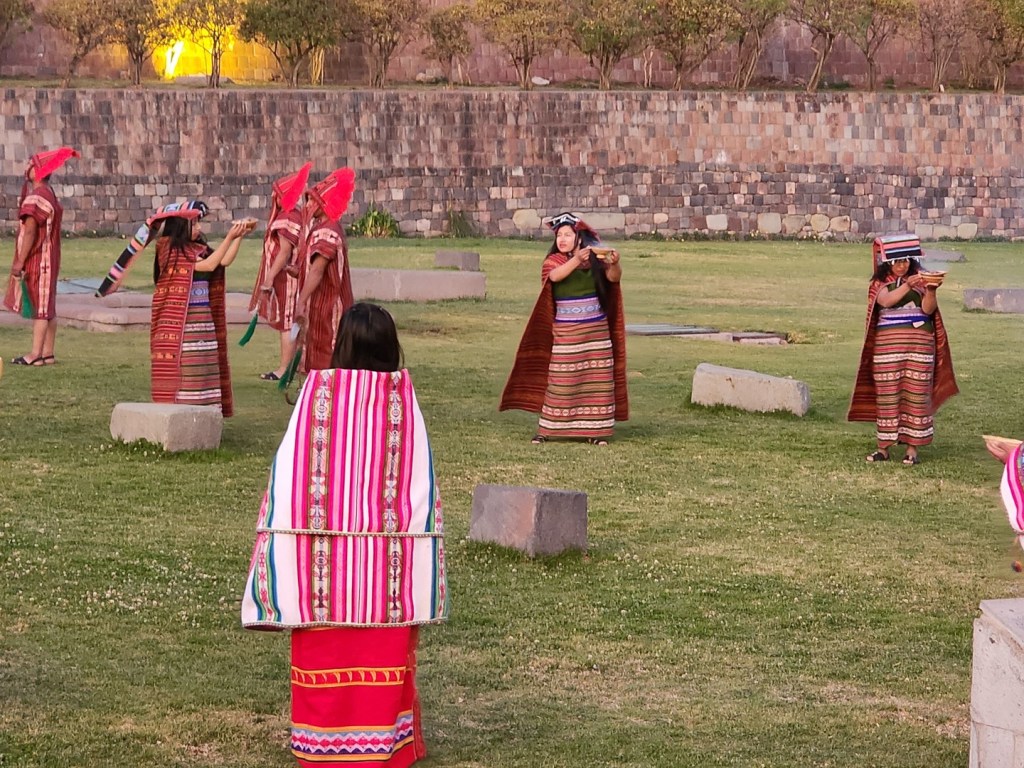
As the sun disappeared and dusk began to fall, the performance became even more impressive. We watched for almost an hour until it ended. It was a great end to the evening.
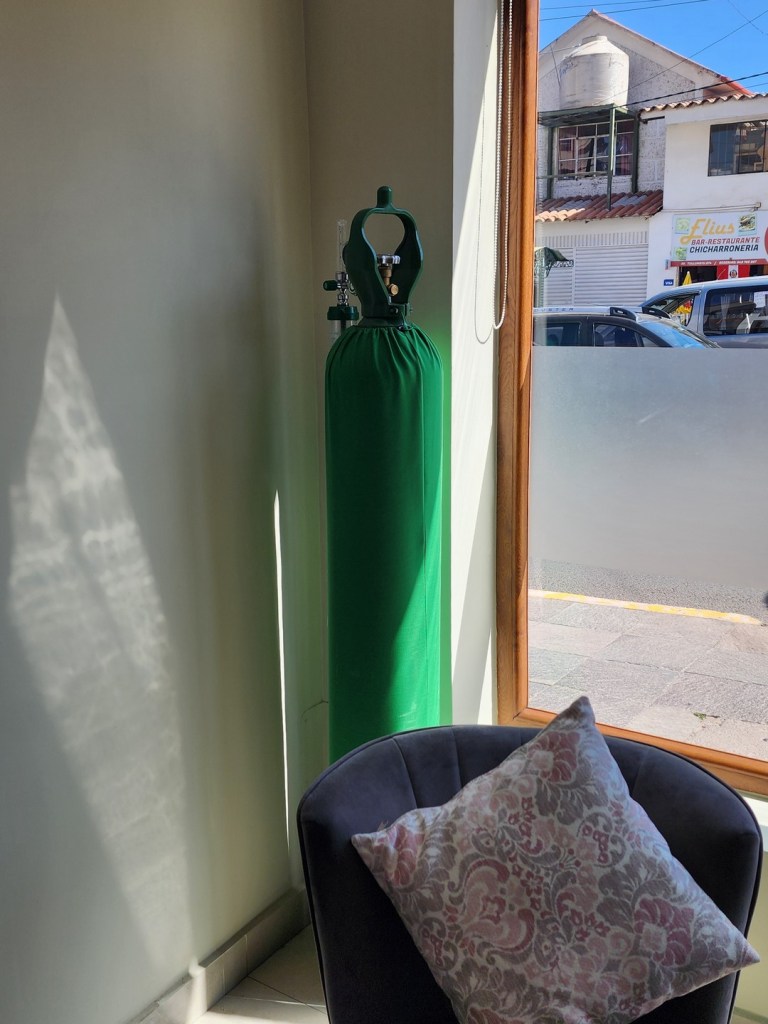
Although the next three days were full of day trips outside the city, we found other places to enjoy when we returned at night. The pollution combined with the high altitude made extended walks trickier than usual, but we got through it until the last day, when Kim needed an oxygen boost before we left for Ollantaytambo. We did not regret missing out on sights like Rainbow Mountain, as we had more than enough to entertain us and didn’t want to go any higher in altitude.
The next few posts will focus on the busy day trips we took outside Cusco to places like Sacsayhuamán, Pisac and Moray.

