
After weighing the options with buses and tours, we ended up choosing the private taxi/transfer service Taxidatum. They covered Lima and the south of Peru with a variety of services and the reviews looked good, so we decided to give them a try for this trip. If it went well, we would use them for our other trips to Pisac and Moray. If not, we’d take another option.
The driver arrived at our hotel on time and we got in. Although he didn’t speak English, we managed to communicate well enough (Google Translate helped!). After about a 30 minute drive we reached our first destination.
Site #1: Sacsayhuamán

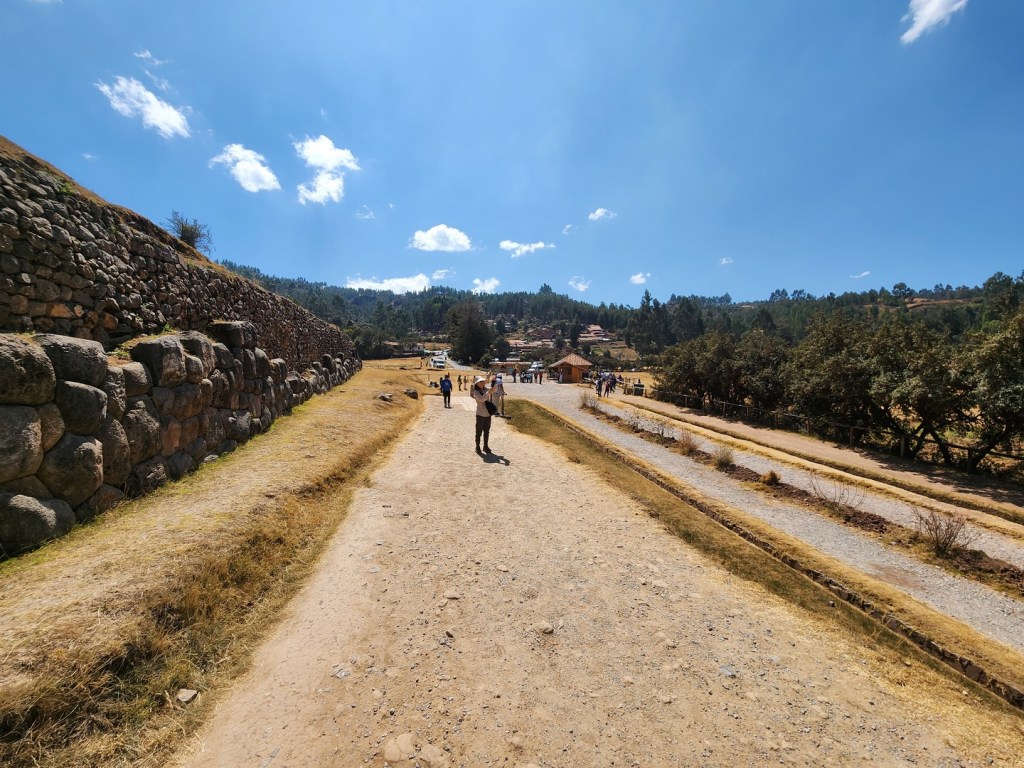
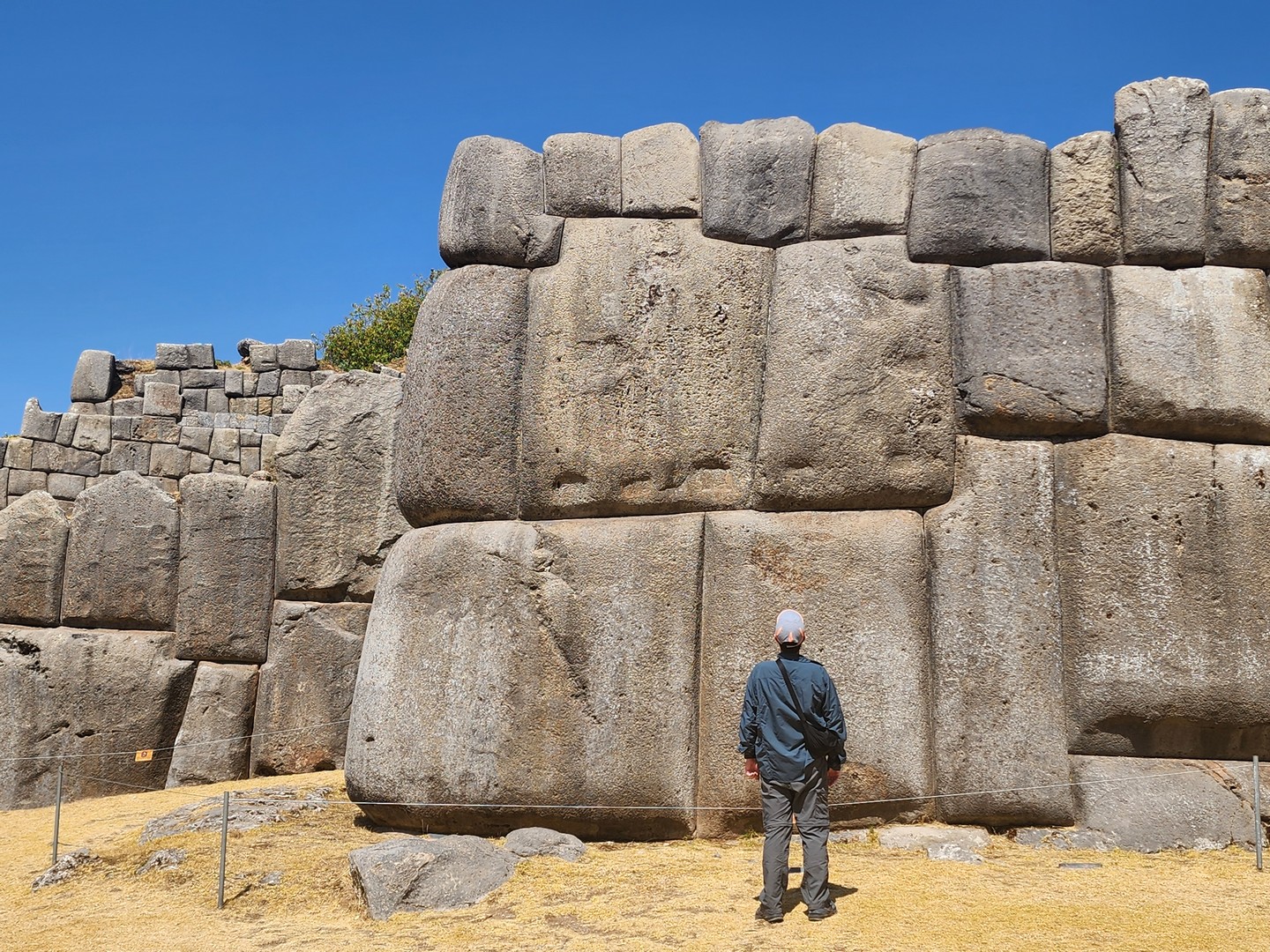
Sacsayhuamán is an impressive Incan archaeological site. The name “Sacsayhuamán” is believed to mean “satisfied falcon” or “royal hawk” in Quechua, but its exact meaning is still debated.
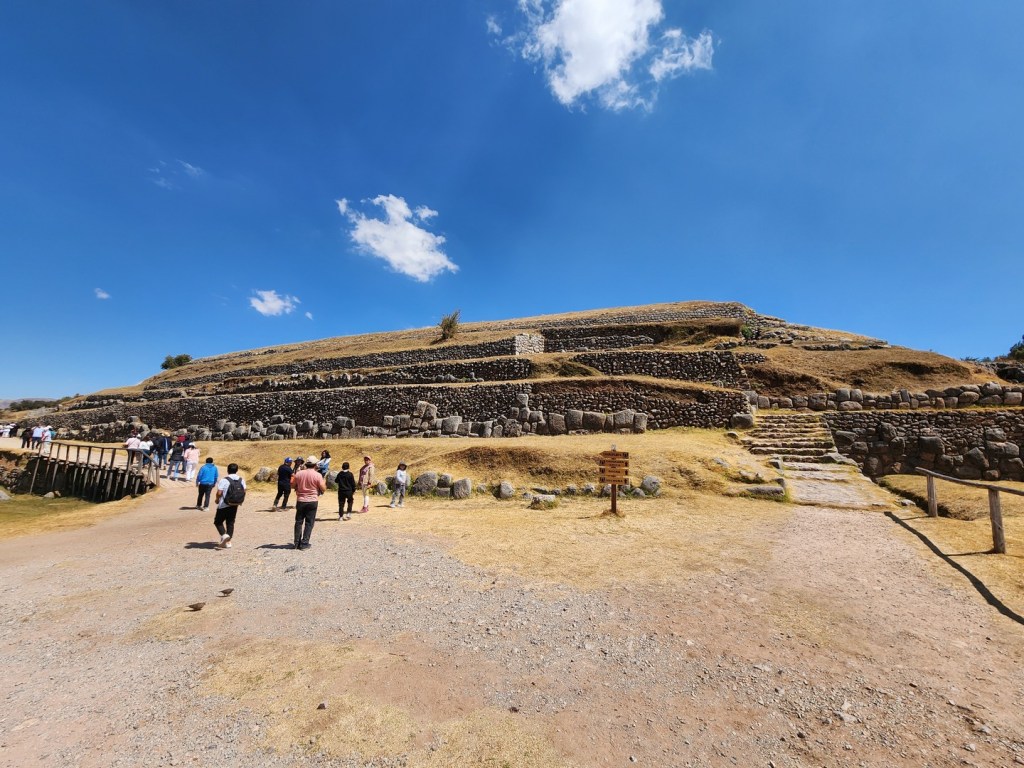
This place has been in use for a long time. Before the Incas, Sacsayhuamán was used by local cultures, such as the Killke, who inhabited the region between 900 and 1200 AD. The Killke built the first stone structures at the site, but the Inca Empire later adopted and expanded the area.

Sacsayhuamán is most famous for its massive stone walls, which were constructed during the reign of the Inca emperor Pachacuti (1438–1471 AD). The Incas meticulously built the site with large, precisely cut stones, many weighing several tons. The purpose of Sacsayhuamán was likely a ceremonial and military center, with its strategic location offering views over Cusco, the capital of the Inca Empire.
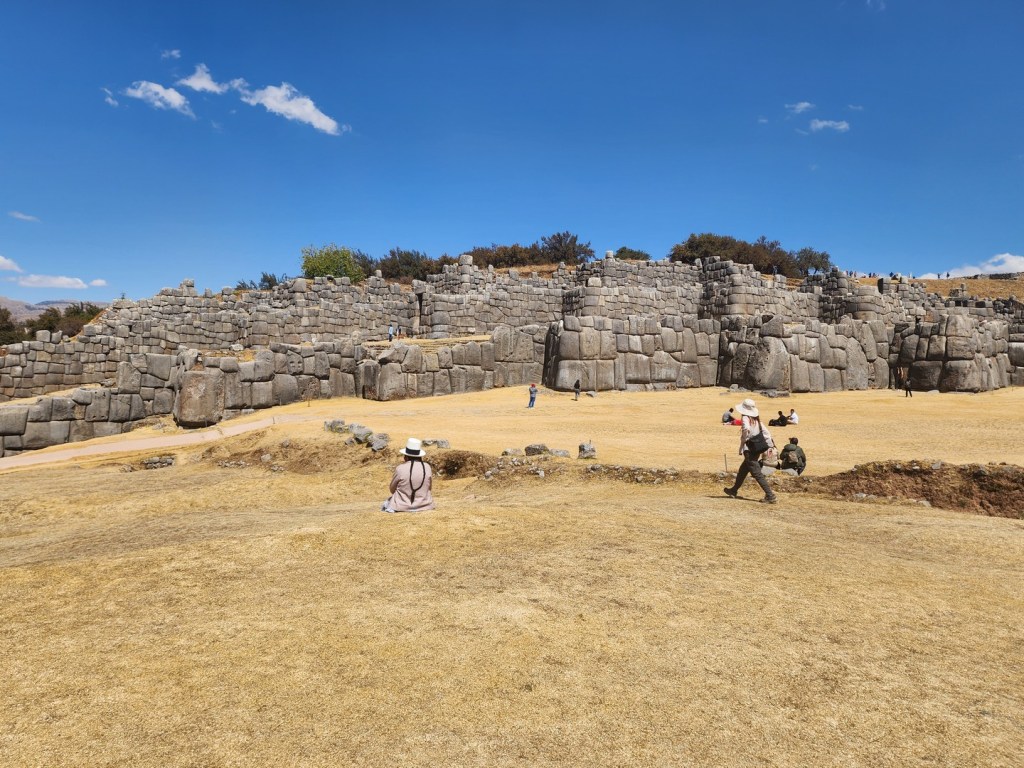


Sacsayhuamán played a significant role during the Spanish conquest of the Inca Empire. In 1536, the Inca emperor Manco Inca Yupanqui led a fierce resistance against the Spanish forces in Cusco. The site was used as a defensive stronghold, with its walls proving formidable against the Spanish attackers. However, the Spanish eventually overcame the Inca defenses and captured the city.

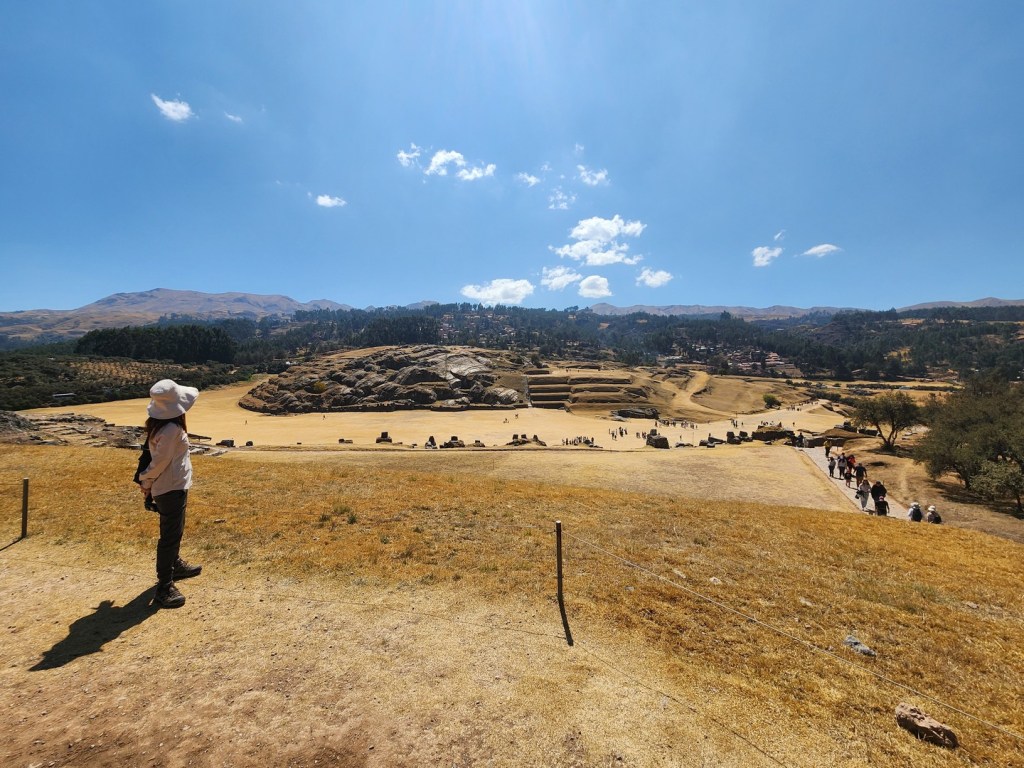
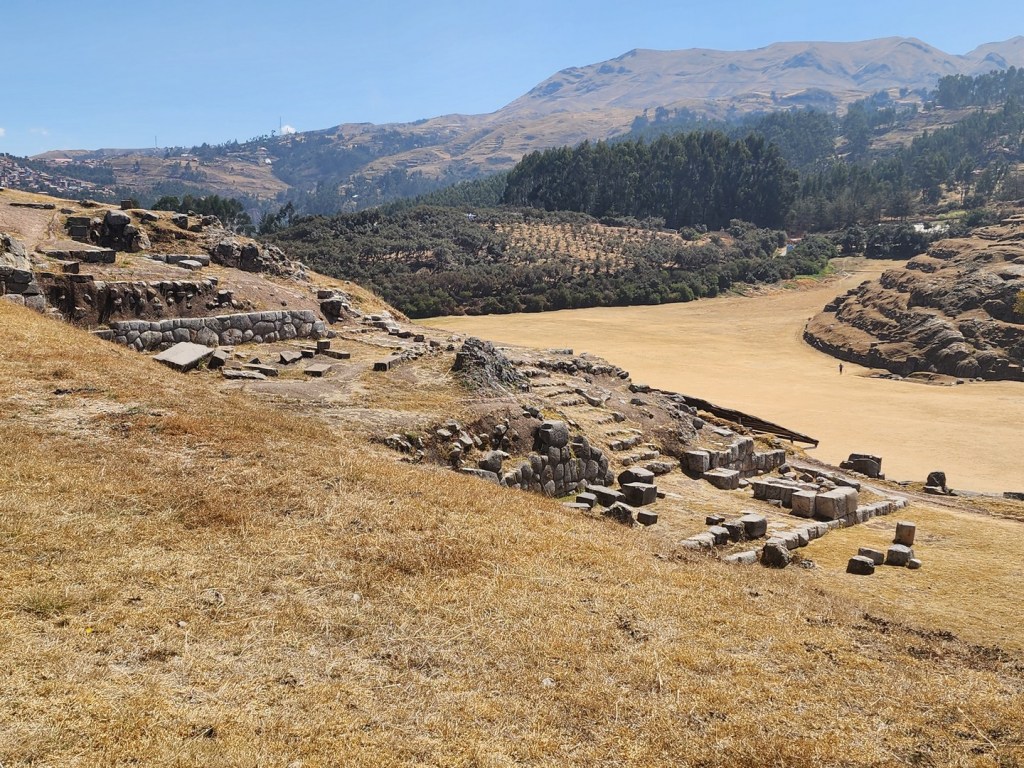
After the Spanish conquest, much of Sacsayhuamán was dismantled, with its stones being repurposed for the construction of colonial buildings in Cusco. Despite this, parts of the original Inca walls remain, showcasing the advanced engineering techniques of the Incas.
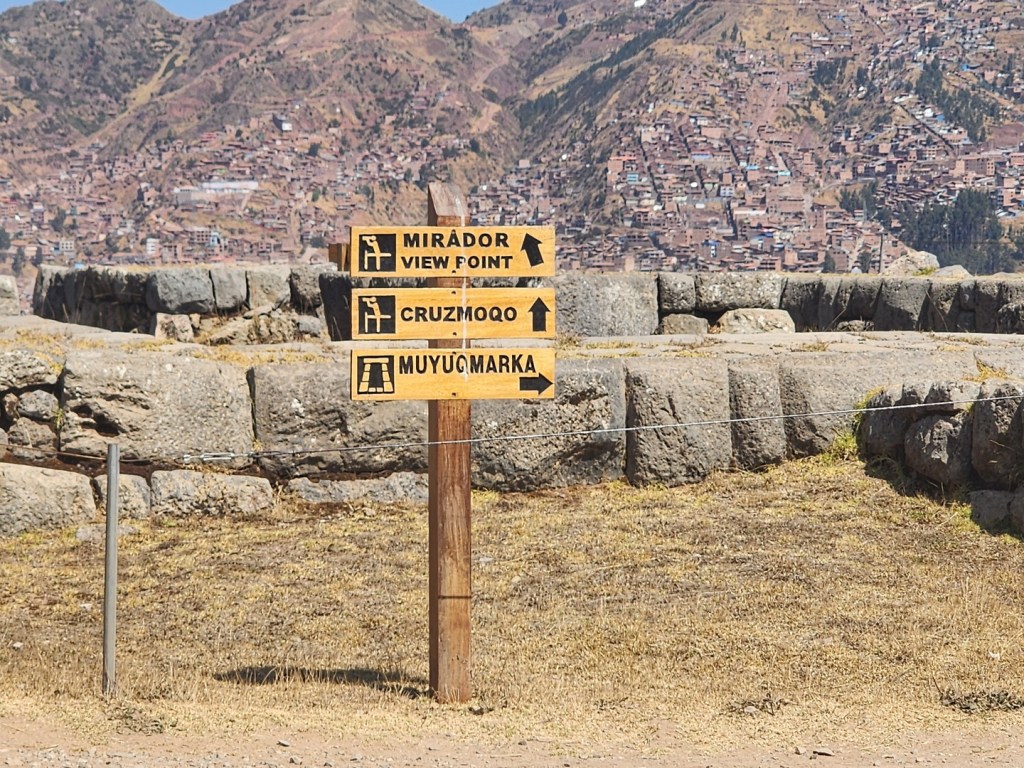
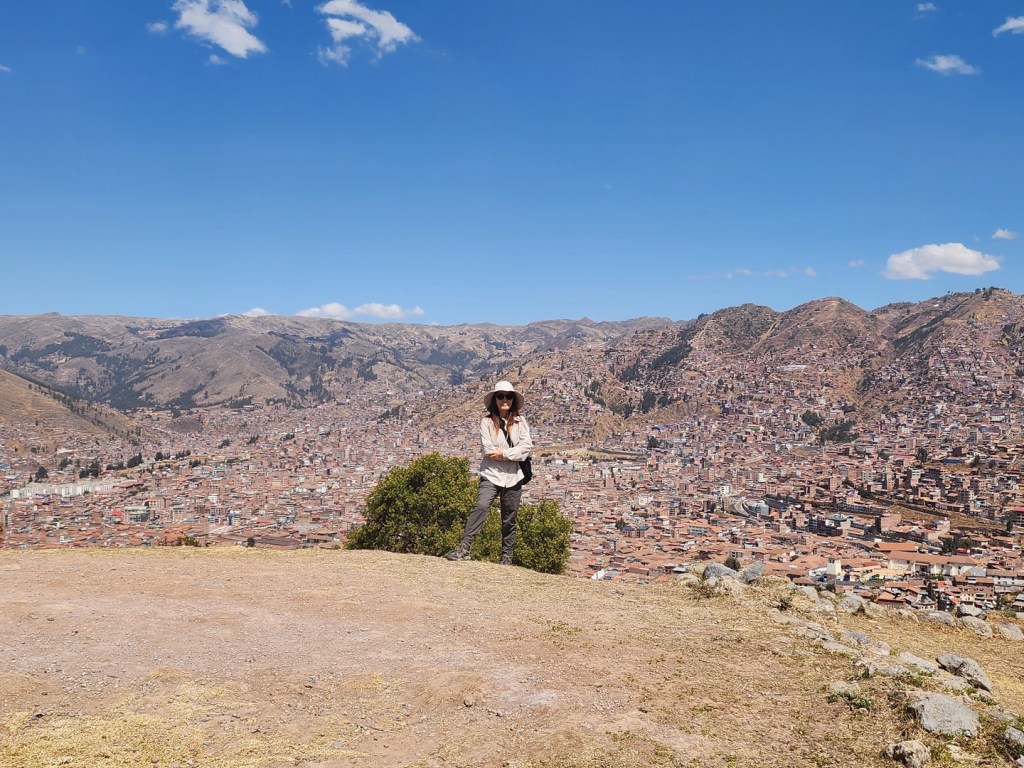
Today, Sacsayhuamán is one of Peru’s most important cultural and historical landmarks, attracting tourists and archaeologists from around the world. It’s a symbol of Incan ingenuity and resistance, offering insight into the ancient civilization’s construction skills and their ability to adapt to the rugged Andean landscape.
The site is also the location for religious and cultural celebrations, such as Inti Raymi, a festival honoring the Sun God, which is held annually in the city.

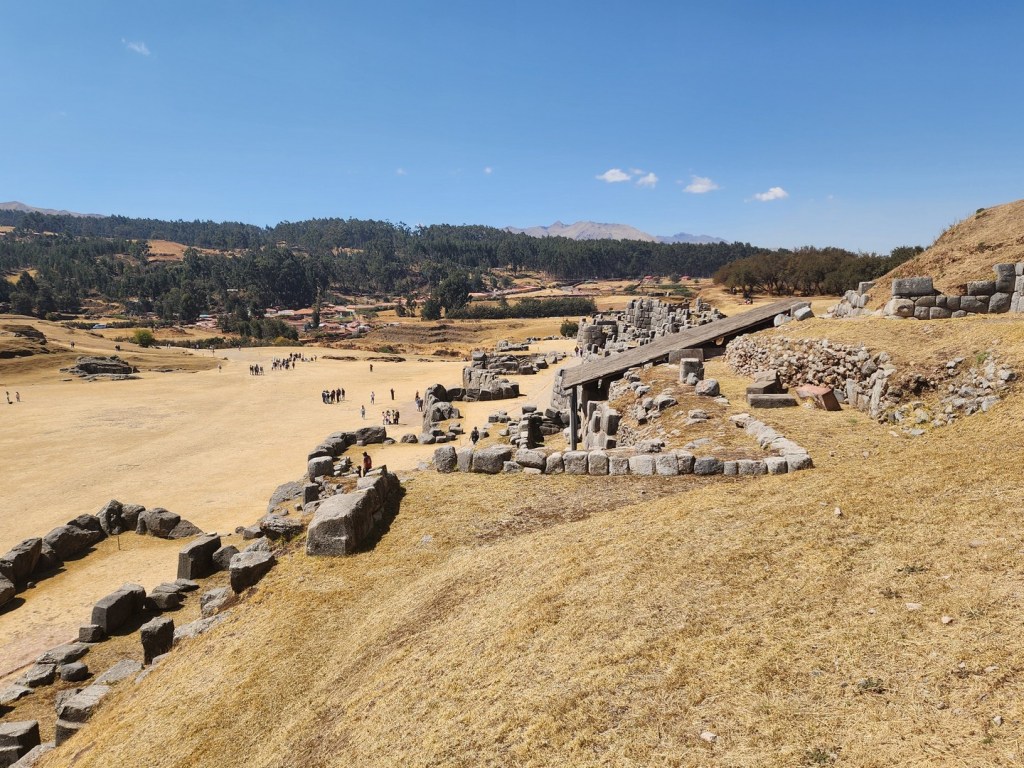
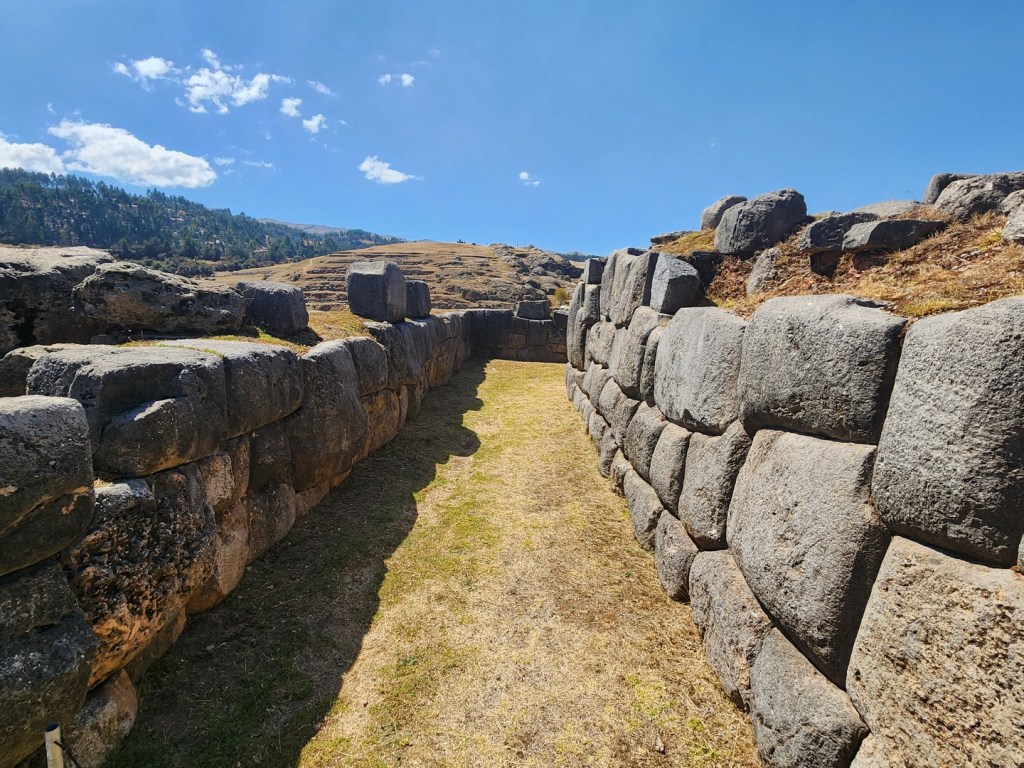

For a visit in the middle of summer, Sacsayhuamán didn’t feel crowded at all. It was a huge site, but the numbers of tourists seemed low considering how impressive it is. We weren’t complaining!
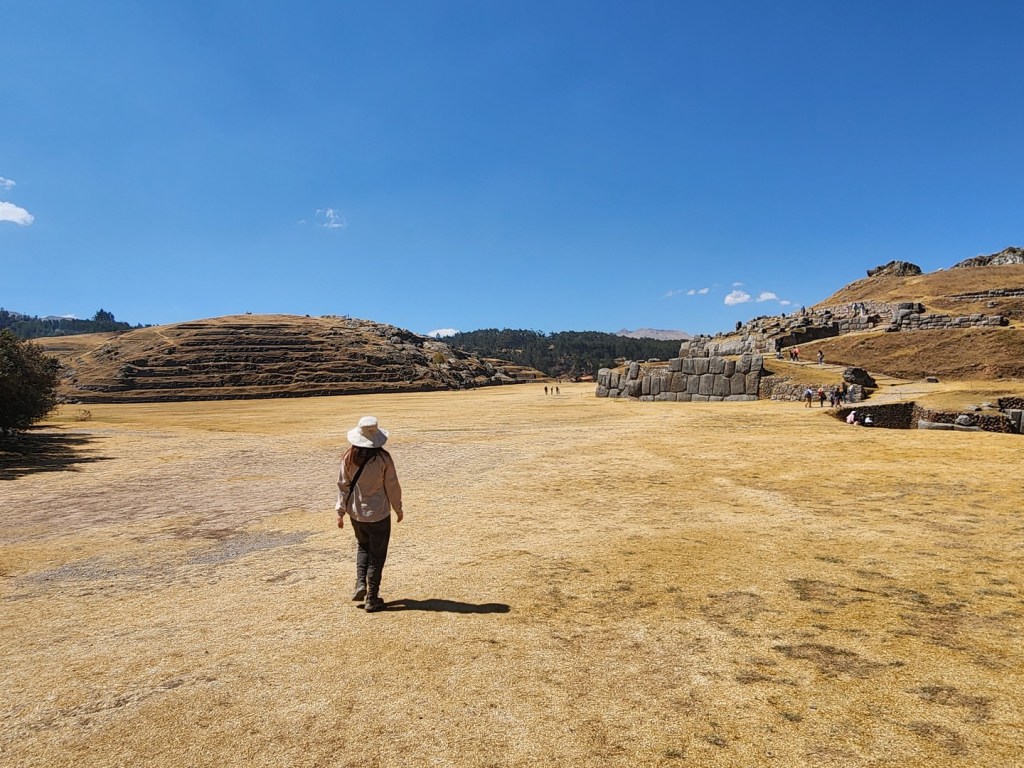
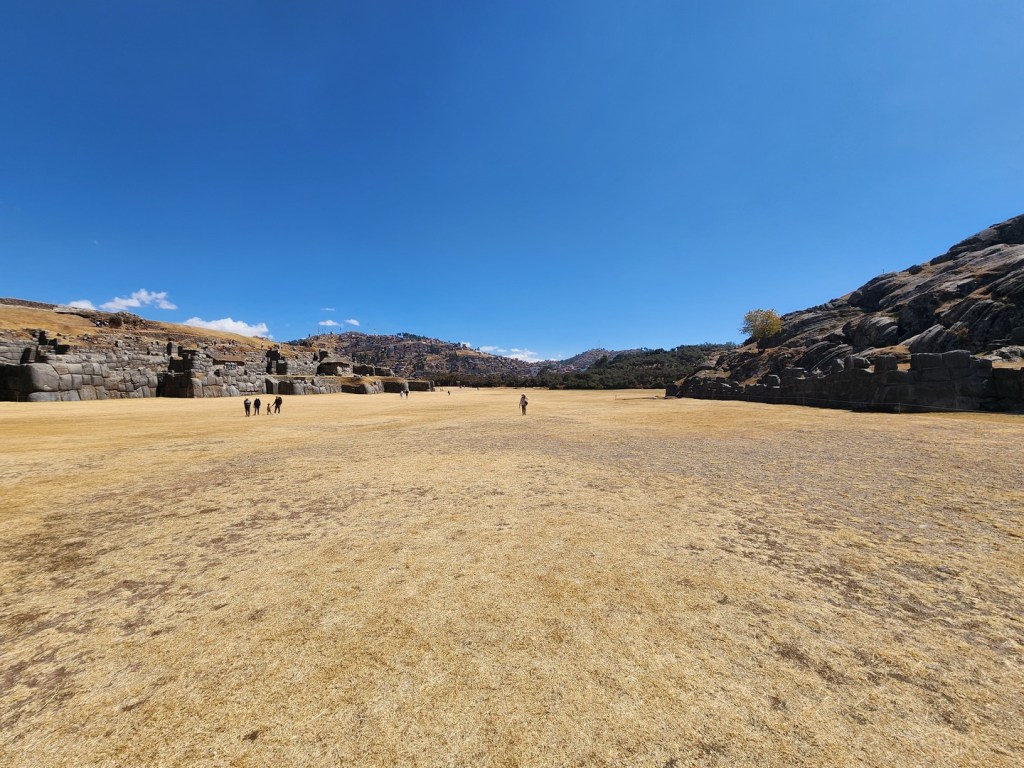
After an hour and a half, we headed back to the main entrance. We got back in the taxi and the driver took us to the second spot located about 15 minutes further north.
Site #2: Tambomachay

Tambomachay, often referred to as the “Bath of the Inca,” is an archaeological site located in the Sacred Valley of Peru, near the city of Cusco. It is one of the many significant Incan sites in the area and is known for its impressive water features, intricate stonework, and its association with ritualistic practices.

Tambomachay is believed to have been a ceremonial center dedicated to the worship of water. The site contains a series of aqueducts, canals, and waterfalls, which were likely used for water-related rituals. Some theories suggest it was also used as a spa or place for the Inca elite to relax and bathe.
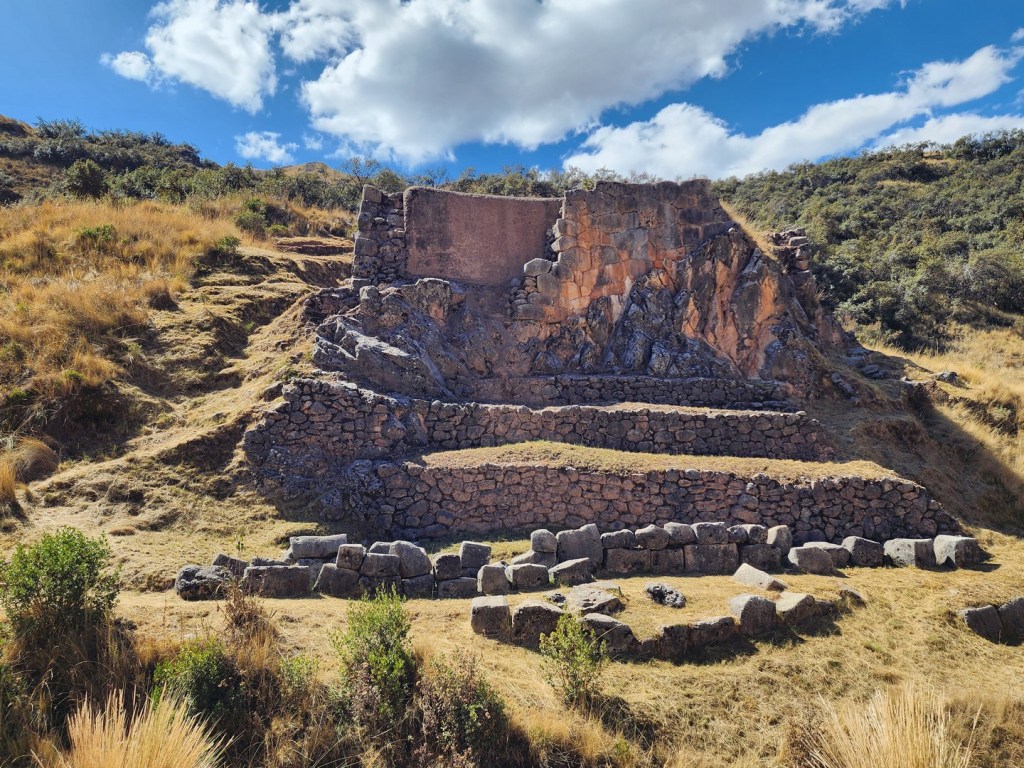
The site is made up of finely cut stone walls, and the water flows through channels carved into the stone. The Inca were skilled engineers, and the water system is a testament to their advanced knowledge of hydraulic engineering. The structures are believed to have been built to convey water from natural springs in the nearby mountains.
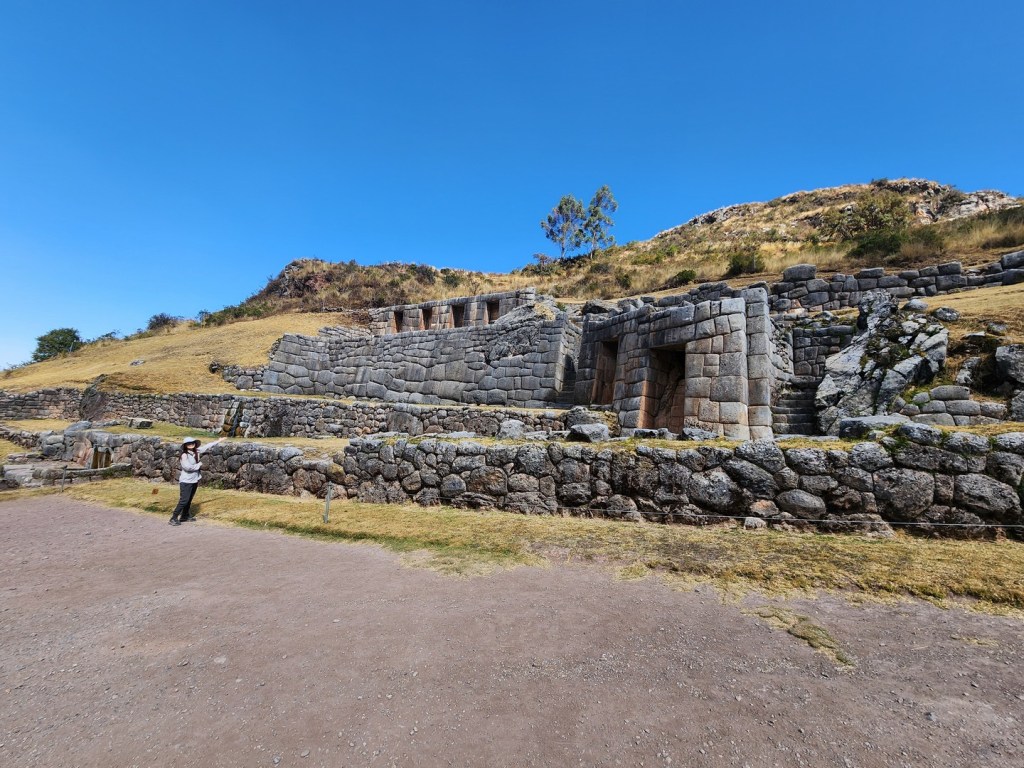
Tambomachay is located approximately 8 kilometers (5 miles) from Cusco and is situated at an elevation of around 3,700 meters (12,139 feet) above sea level. Its location at the foot of a mountain adds to its spiritual significance.
The Inca revered water as a sacred element and incorporated it into many of their religious and ceremonial practices. Water was thought to have life-giving powers, and Tambomachay’s connection to these practices reflects this deep cultural significance.


We spend around 30 minutes at this stop. We headed back to the entrance and drove just a few hundred feet to the next stop.
Site #3: Pukapukara

Pukapukara is an archaeological site in Peru, located near Cusco. The name “Pukapukara” means “Red Fortress” in Quechua, referring to the reddish hue of its stones, especially at sunset. It is believed to have been a military outpost, checkpoint, or resting place for Incan travelers, particularly for those heading toward the nearby Tambomachay, which was an important ceremonial and water worship site.


The site consists of terraces, stairways, plazas, and walls made from irregularly shaped stones, characteristic of Incan construction. It provides insight into the Incan road system and military infrastructure. It is situated on a hill with a commanding view of the surrounding valleys, making it an ideal military lookout.
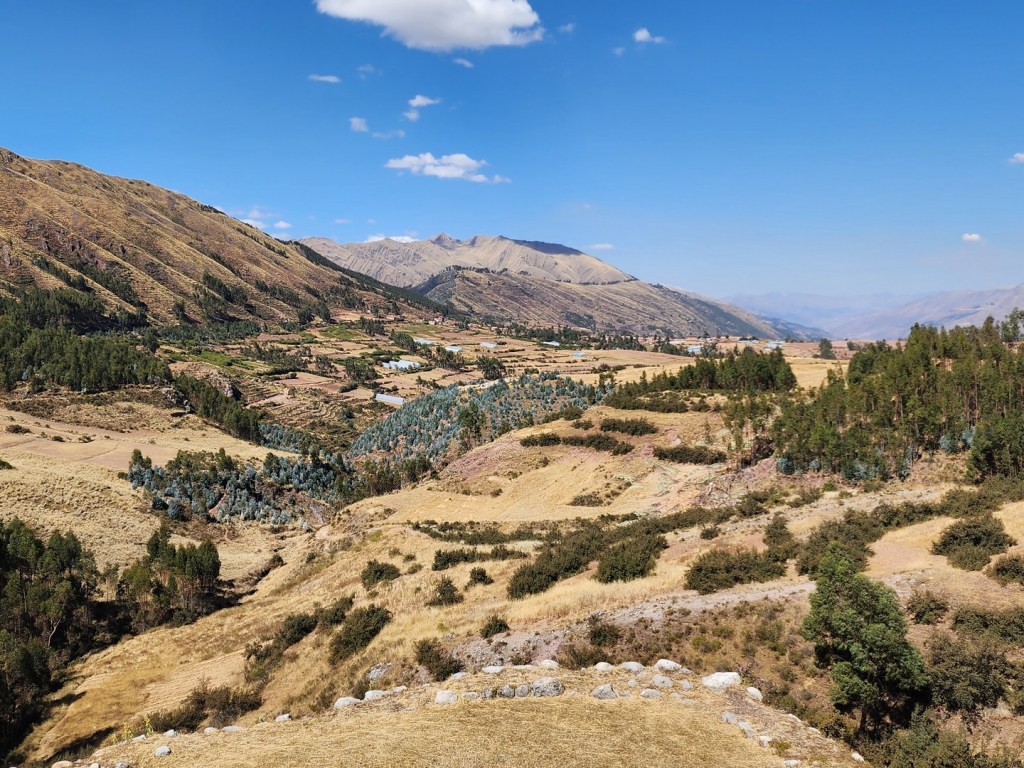
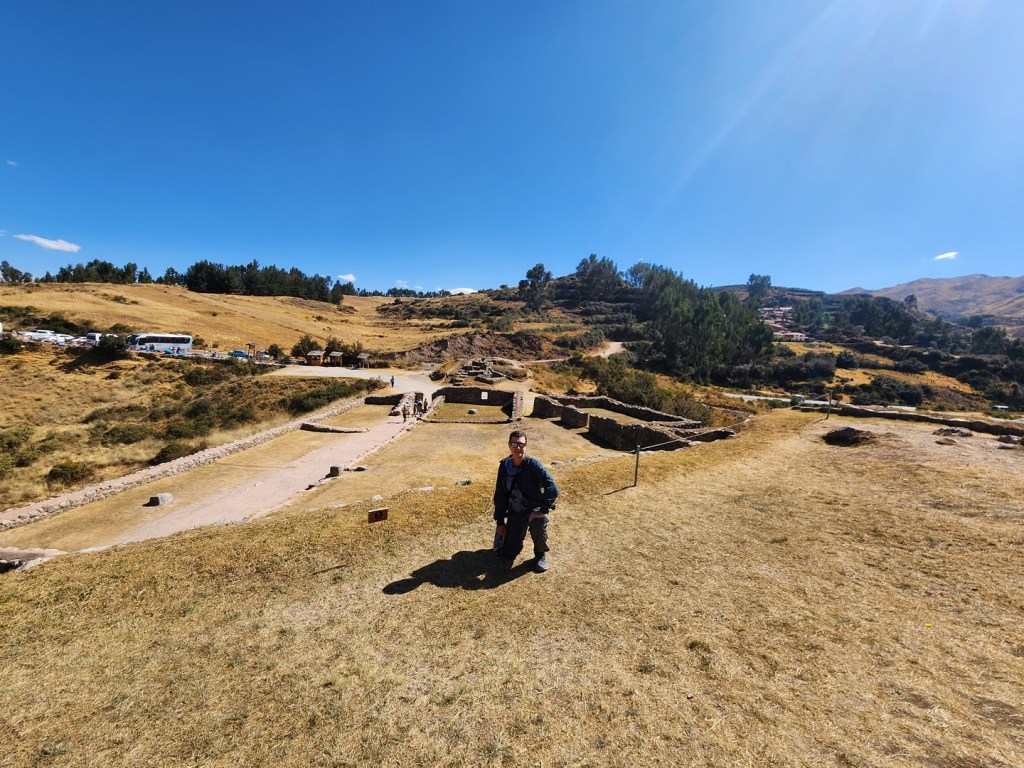
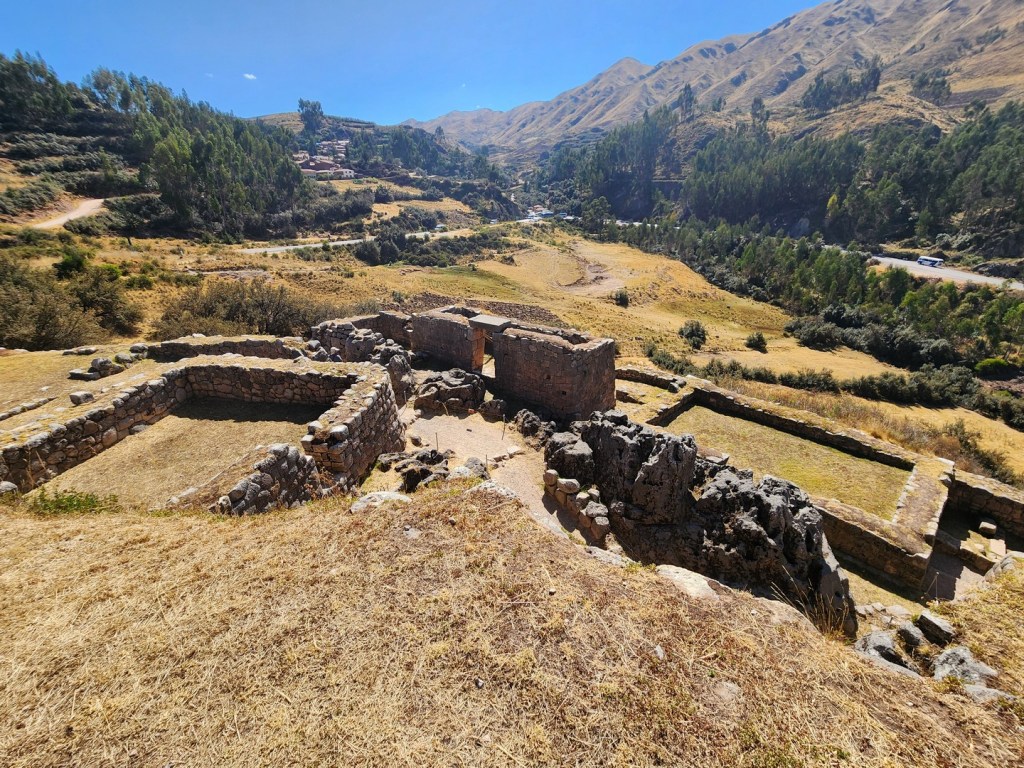


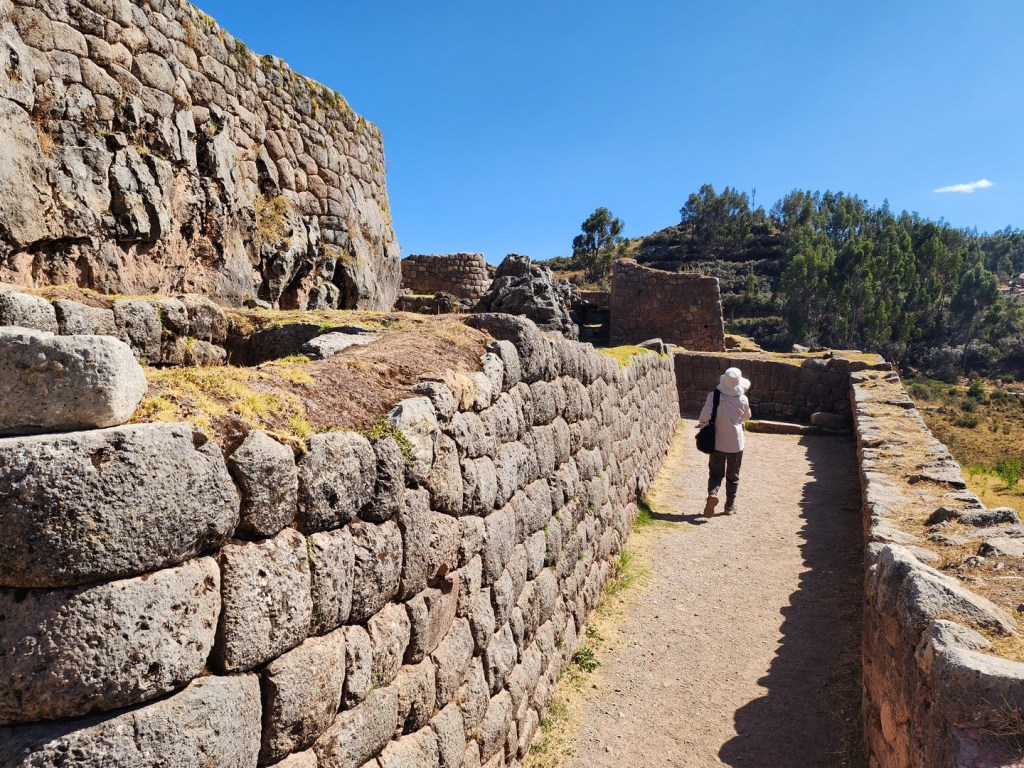
It only took around 30 minutes to get through this site as well, so we headed back. Our driver took us back towards our last stop, located very close to Sacsayhuamán.
Site #4: Qenqo

Qenqo is an archaeological site known for its mysterious rock formations and religious significance. The name “Qenqo” means “zigzag” in Quechua, referring to the site’s distinctive carved channels and passageways.

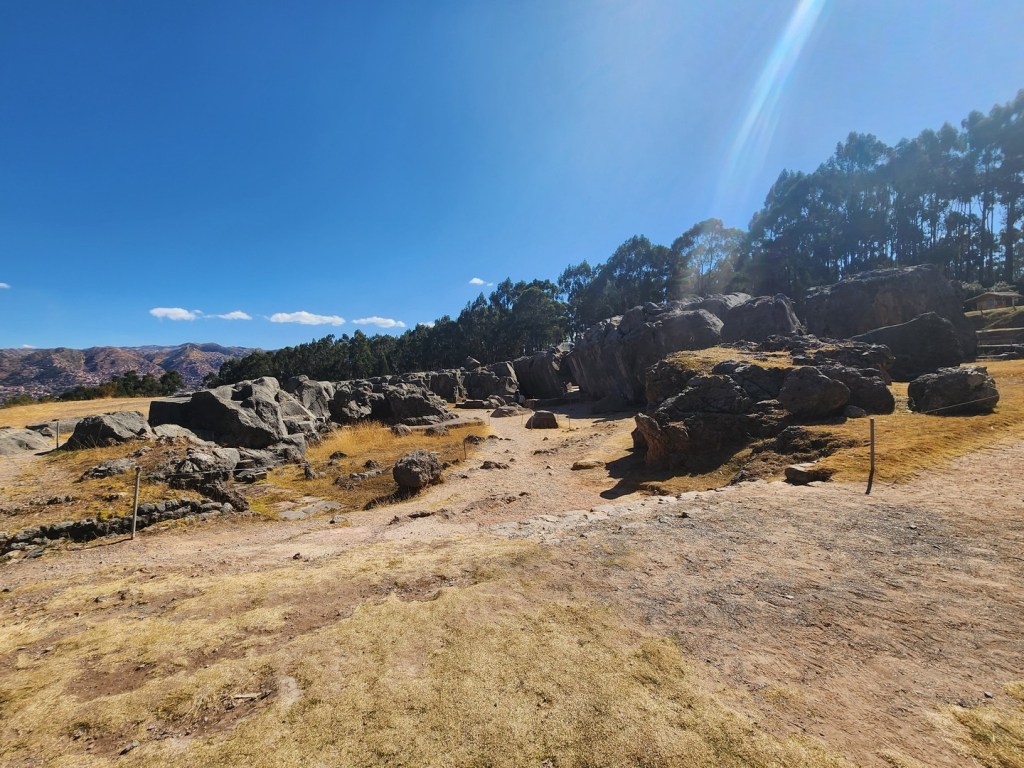
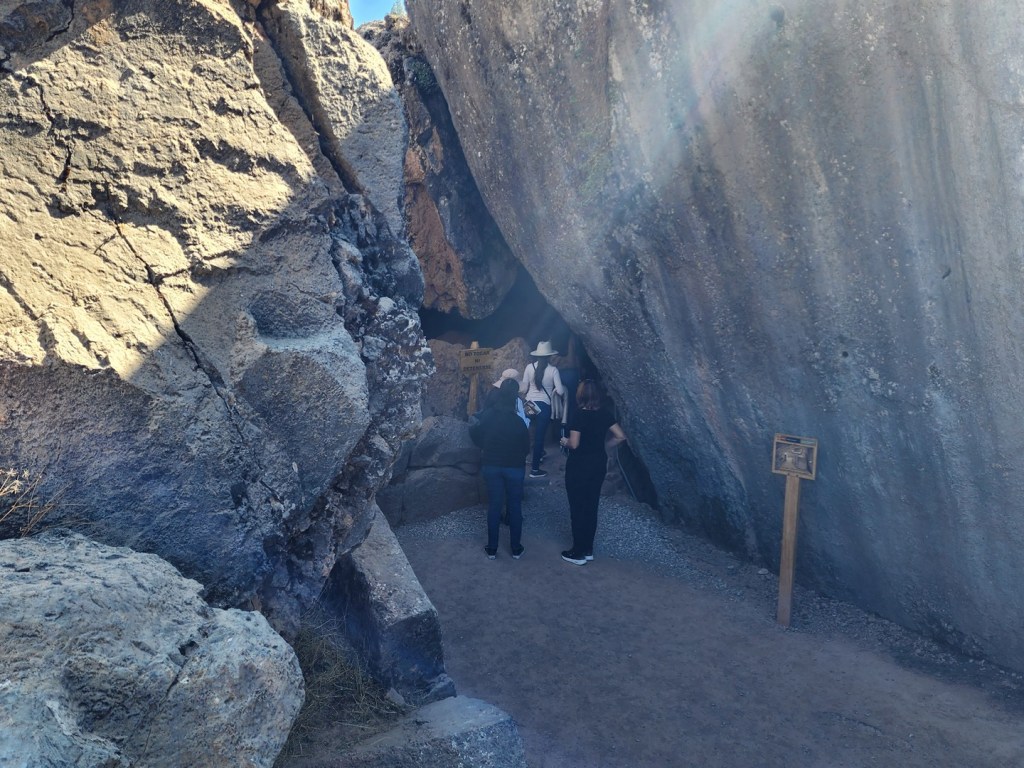
The site has carved zigzagging grooves in the rock, thought to have been used for ritual purposes. Historians believe liquids such as chicha (corn beer), blood, or sacred water were poured into the channels, and the way the liquid flowed determined omens.

One of the most intriguing parts of Qenqo is the underground chamber, carved into solid rock, which is believed to have been used for ceremonial sacrifices, mummification, or religious rituals. The Incas possibly performed rites here dedicated to the sun, moon, and other deities.
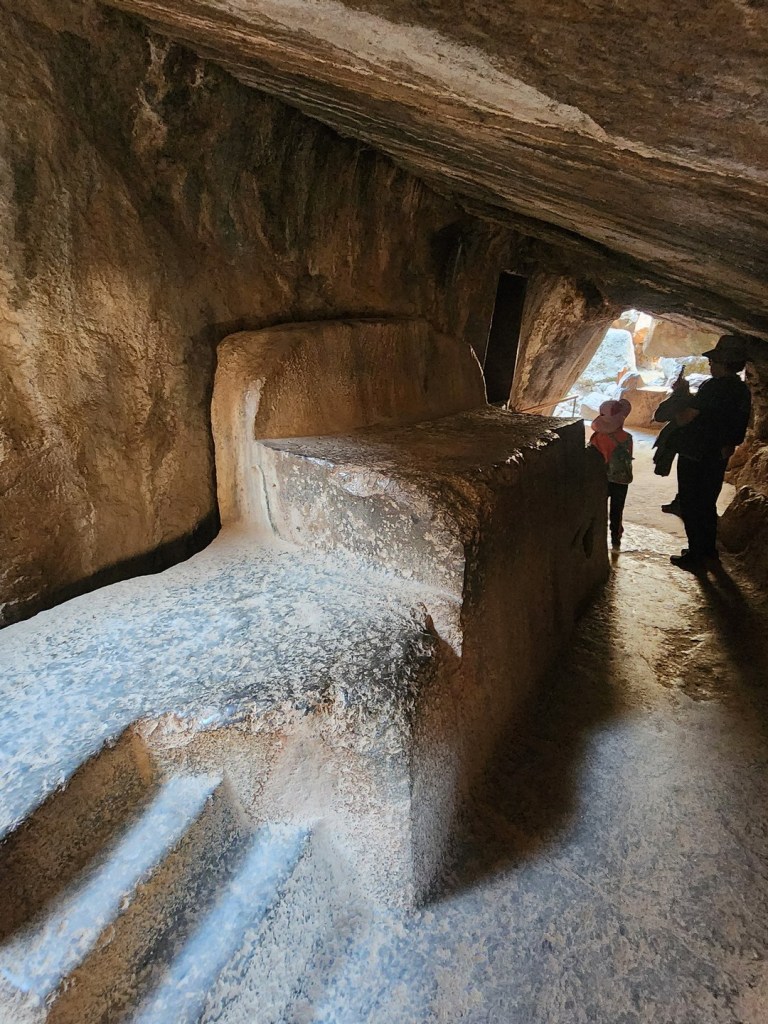

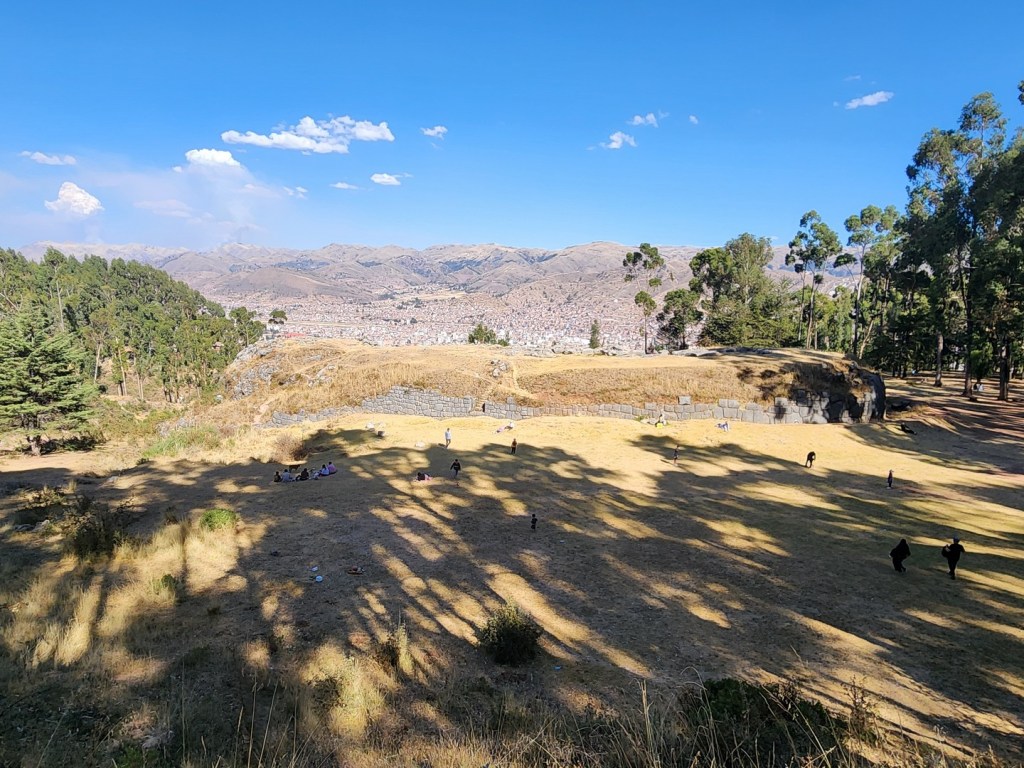
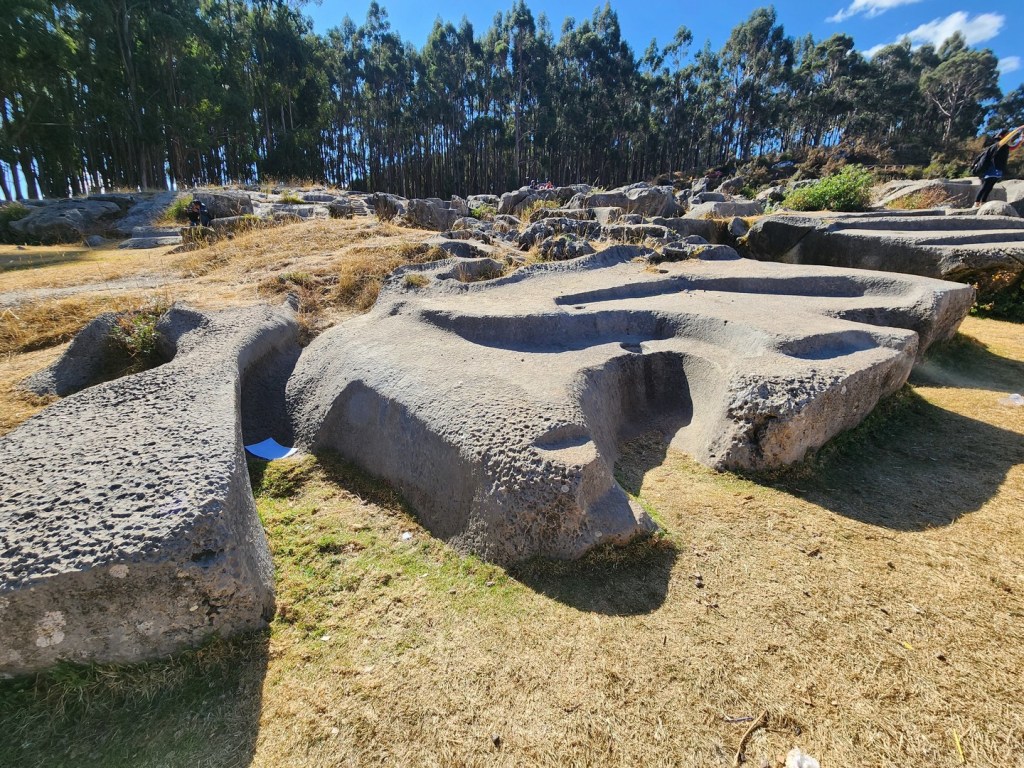
The site dates back to the late 15th or early 16th century and was likely an essential place for the ruling elite and priests of the Inca Empire. After the Spanish conquest, the site was partially destroyed by the Spanish, who saw it as a place of pagan worship.

We enjoyed the four ruins tour, and appreciated being able to go through each site at our own pace. The driver gave us a general time for each stop, but we went over time and he didn’t mind. We ended up being close to the four-hour time listed for the tour, and we really explored each site. The only downside was not having a guide explain the sites in detail. Since this trip was a success, we booked Taxidatum again for our upcoming trip to Pisac, the topic of the next post.
 Humphreys Travel