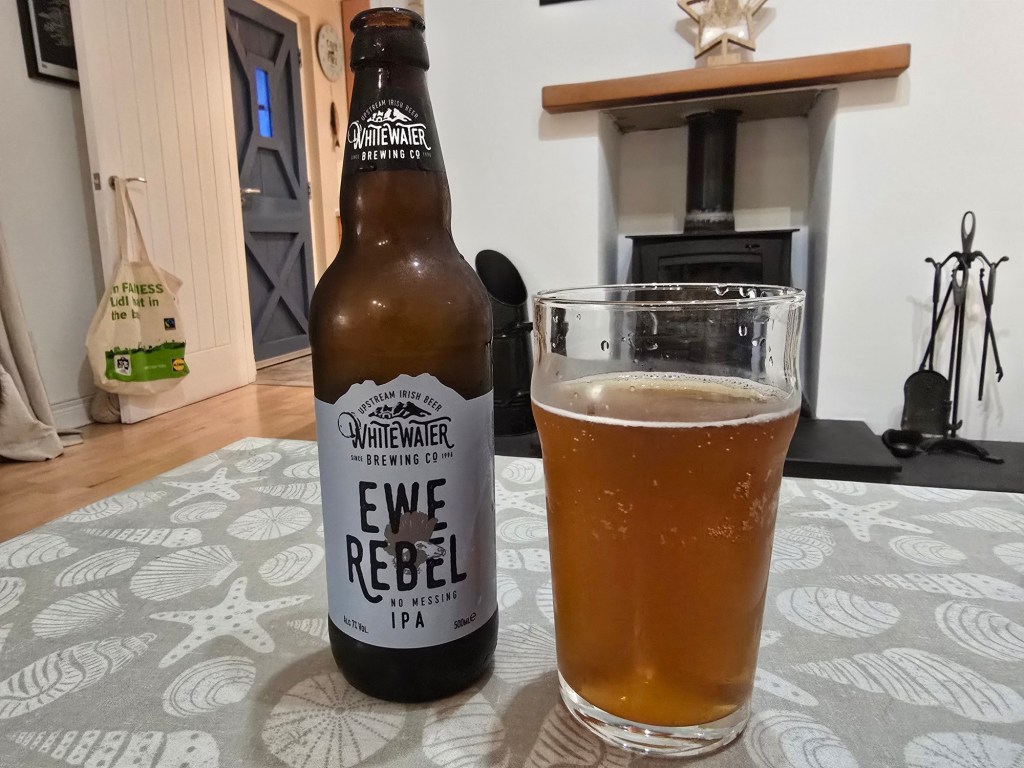
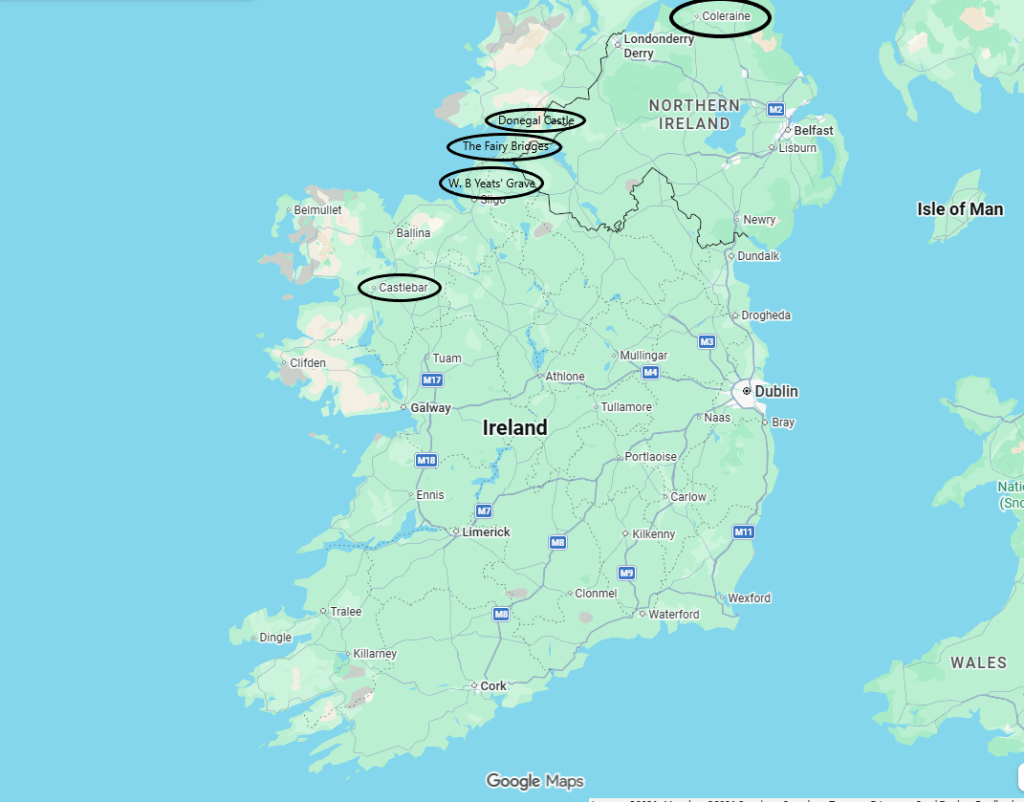
Due to the limits of our three week trip around the Republic of Ireland, we had to stretch out a portion of the drive to fit everything in. Our longest drive of the trip was from Castlebar in County Mayo to Bushmills at the top of Northern Ireland, crossing an invisible border along the way. It meant choosing carefully among the many sights, and we felt we chose very well with the three we did.
Drumcliff Churchyard
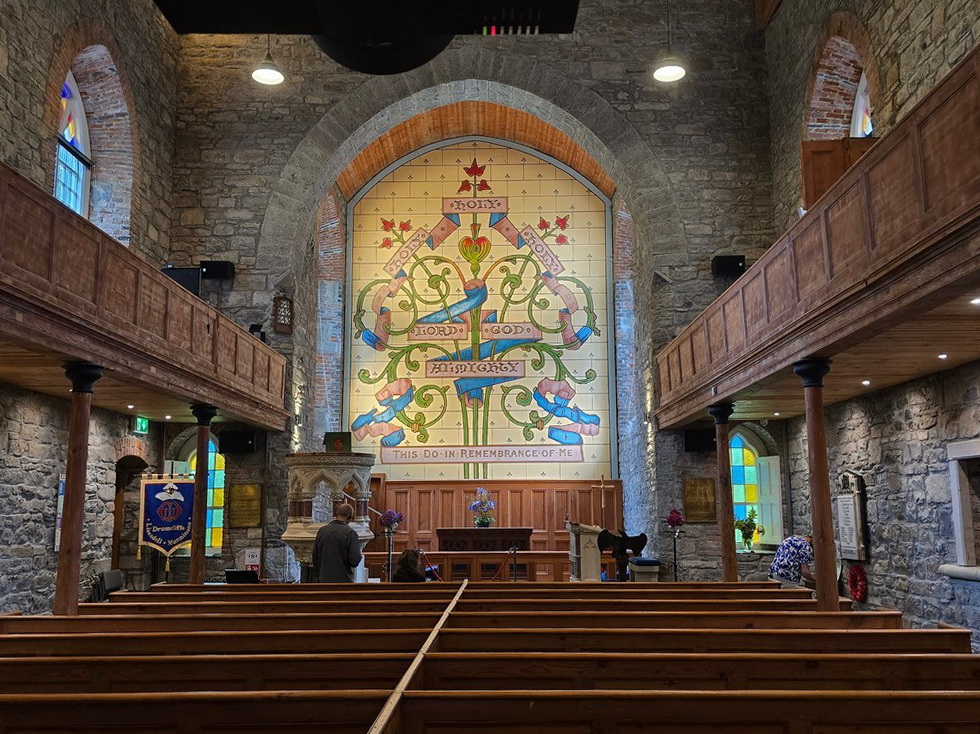
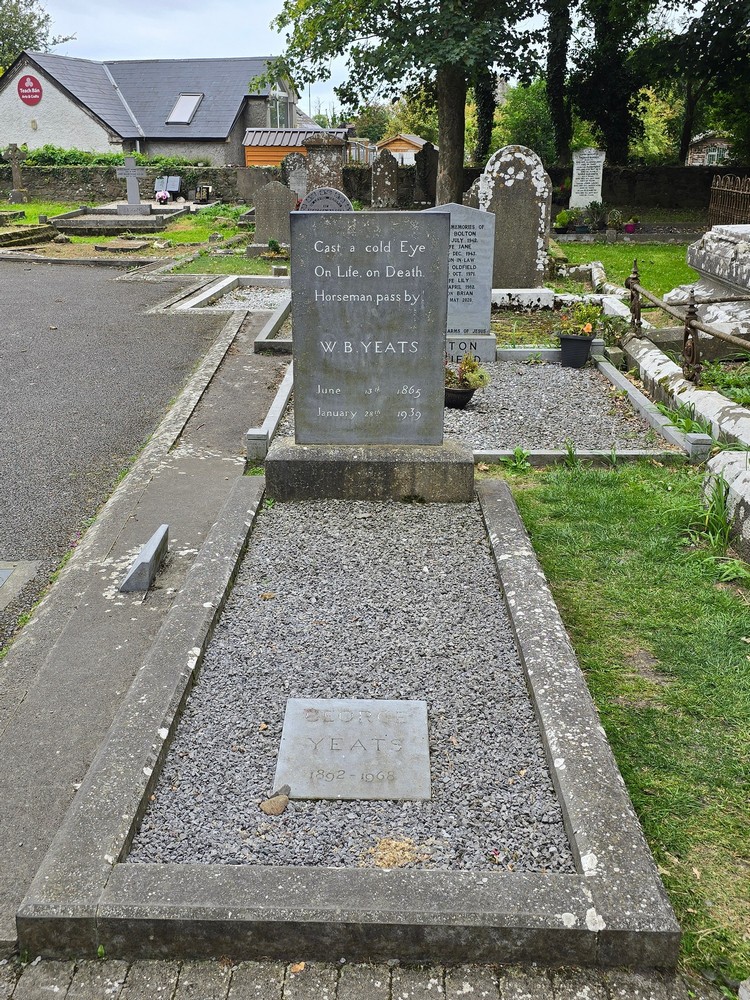
Our first stop was a visit to the grave of W.B. Yeats near the town of Drumcliff. Yeats is one of the most important literary figures Ireland ever produced, and we were well acquainted with him from our university years. His life blended poetry, Irish nationalism, mythology, mysticism, politics, and unrequited love, and his grave in County Sligo is a popular literary pilgrimage site.
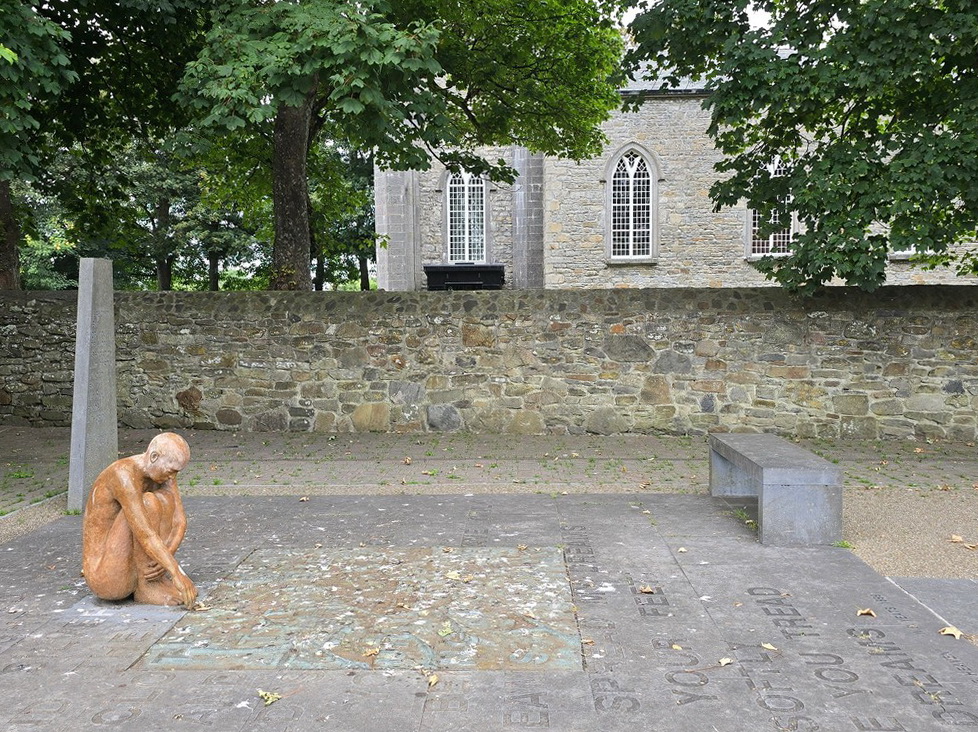
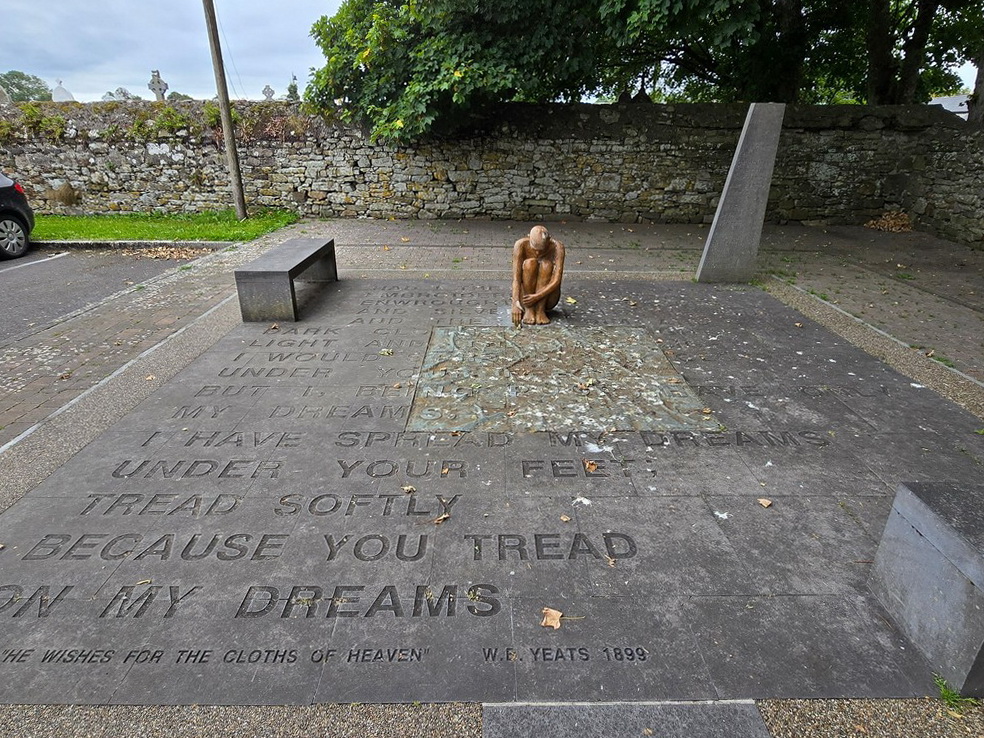
The site is easy to find as it’s located right off the main N15 highway. There’s ample parking and it’s a short walk to the entrance. Just outside the churchyard is a memorial to Yeats with a quote from one of his poems.
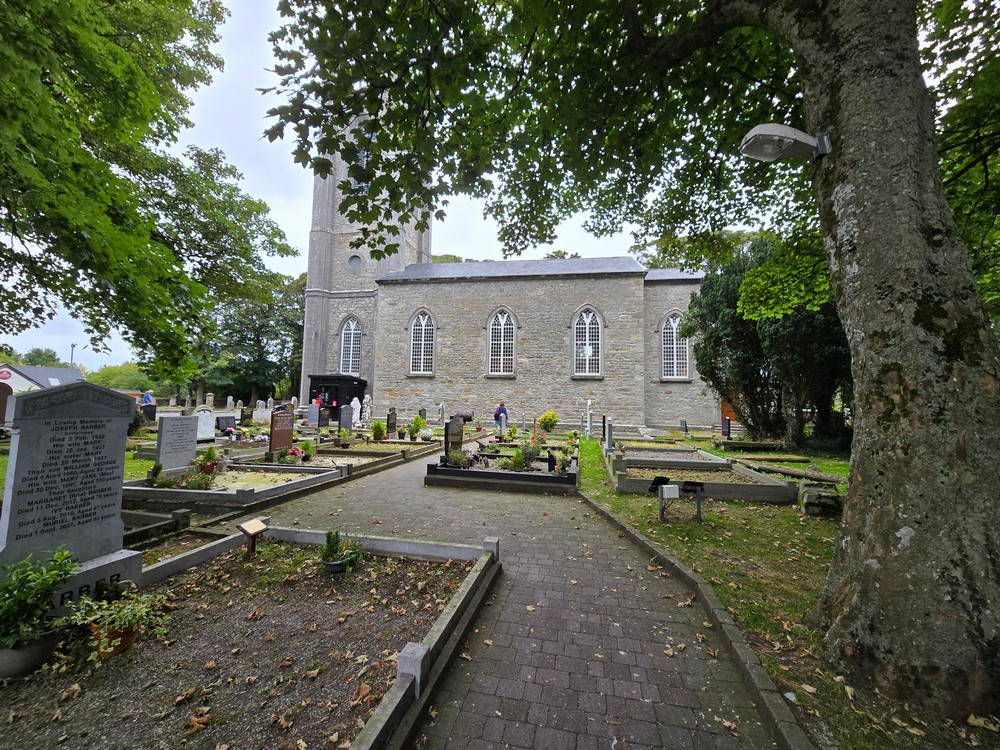
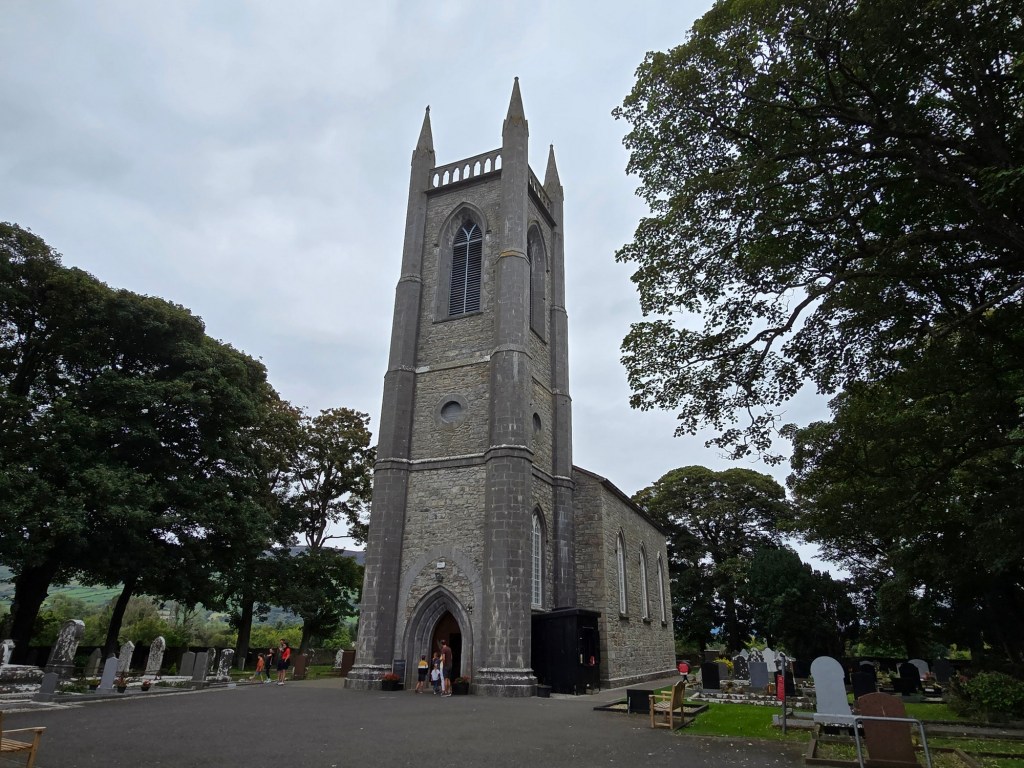
Yeats died in 1939 at age 73. He was first buried in France, but years later Ireland arranged to have his remains returned home. In 1948, his body was reinterred in County Sligo. His gravestone contains lines from his final poem, “Under Ben Bulben”:
“Cast a cold Eye
On Life, on Death.
Horseman, pass by!”
The Fairy Bridges
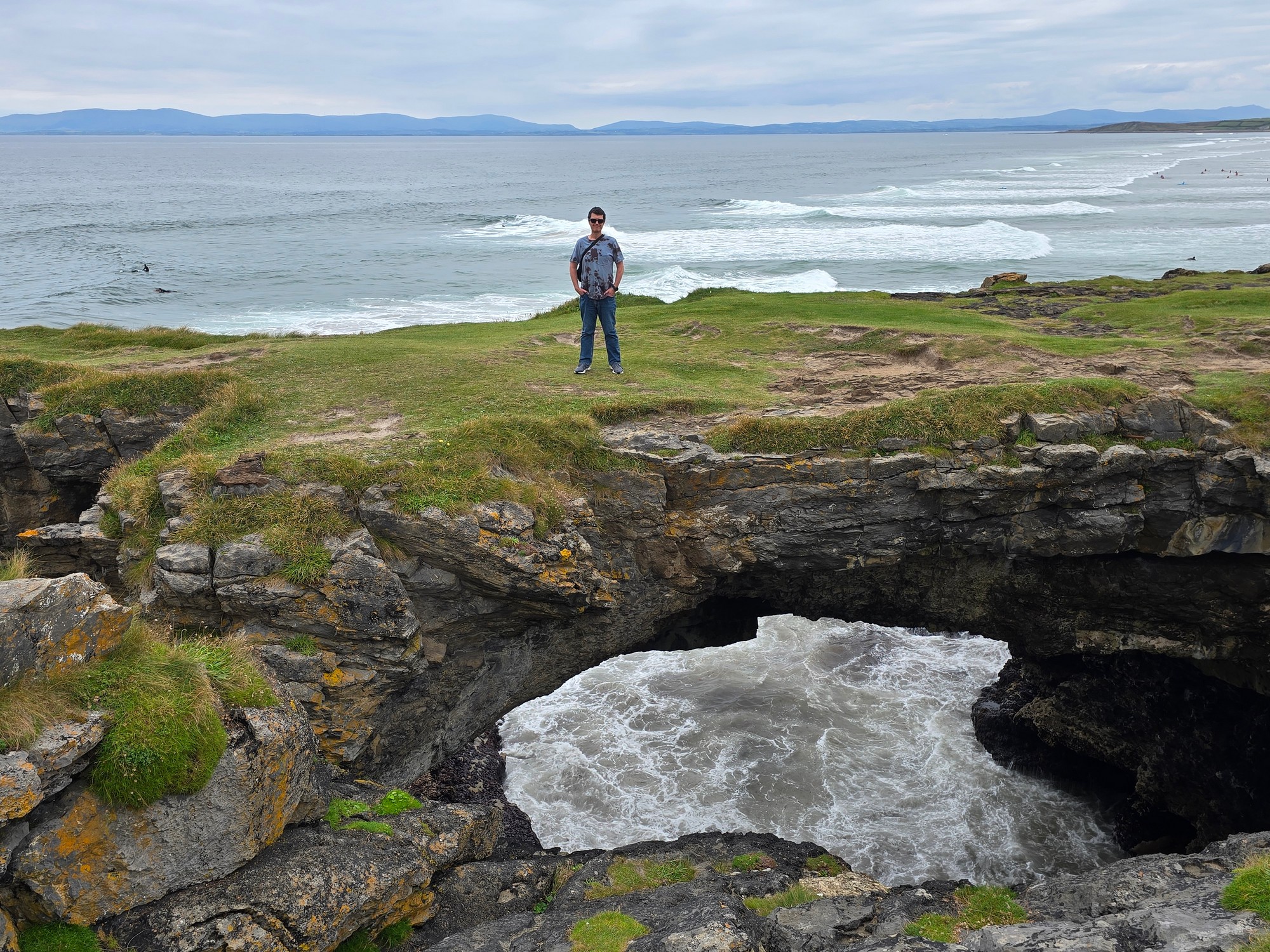
We moved on to our next stop, the Fairy Bridges near Bundoran.The Fairy Bridges are natural sea arches carved into limestone cliffs by thousands of years of Atlantic wave erosion. Storms, crashing surf, and blowholes gradually hollowed out weaker parts of the rock until arch-like “bridges” formed above the sea. Geological studies suggest the arches developed after the last Ice Age.
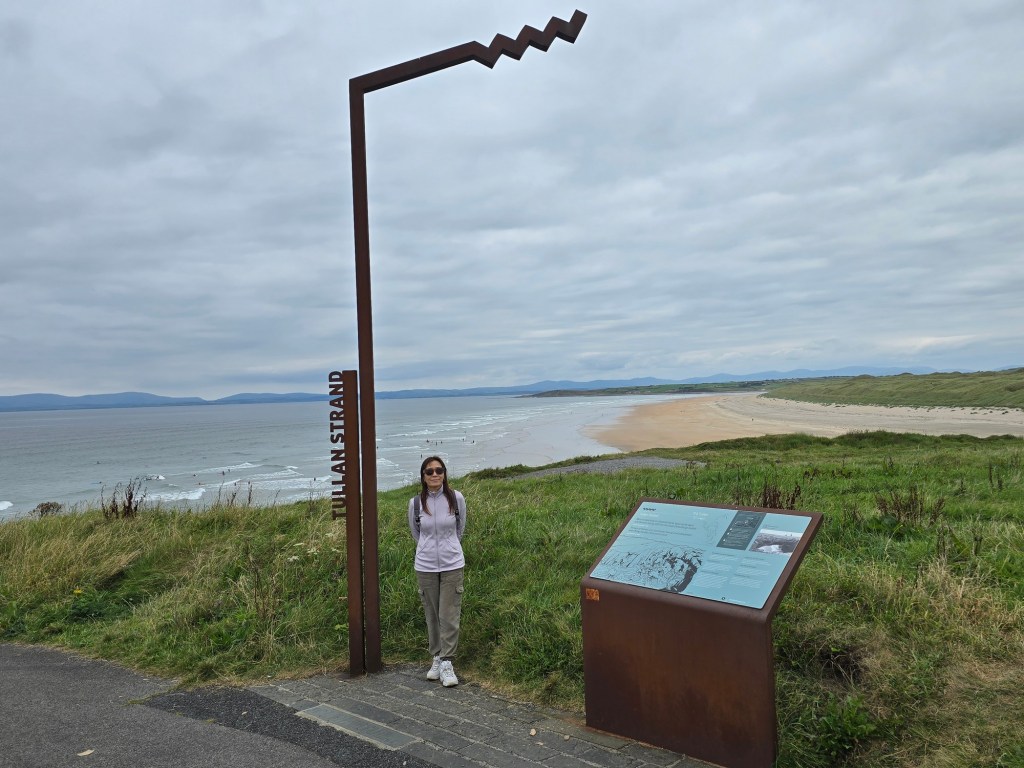
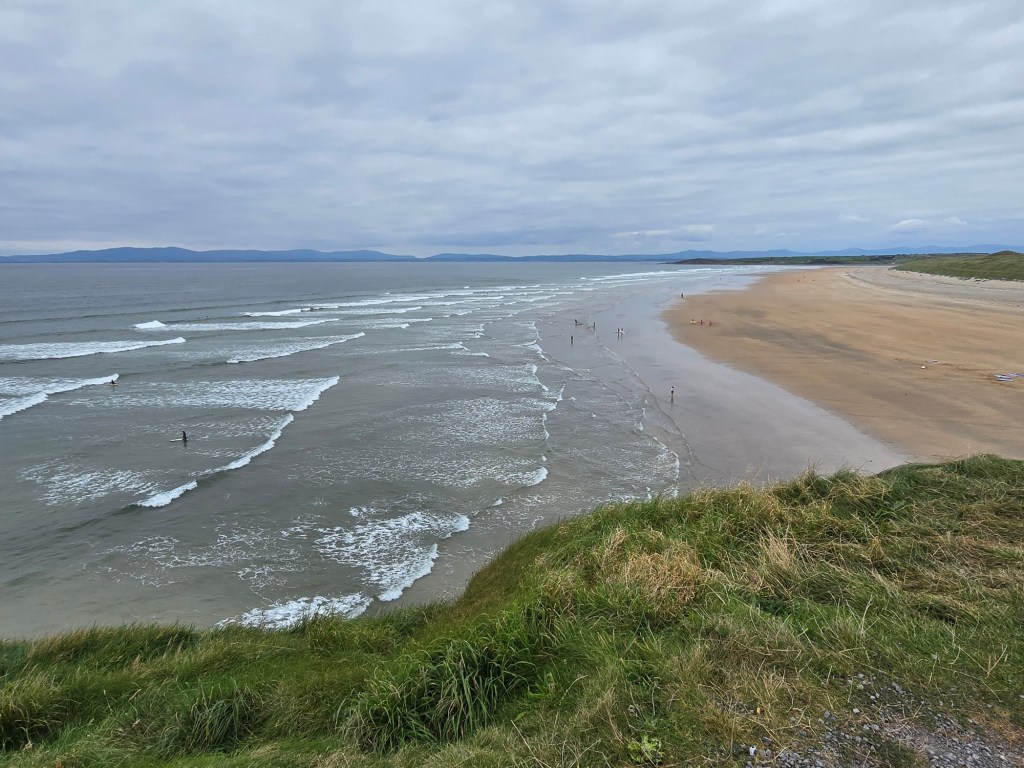
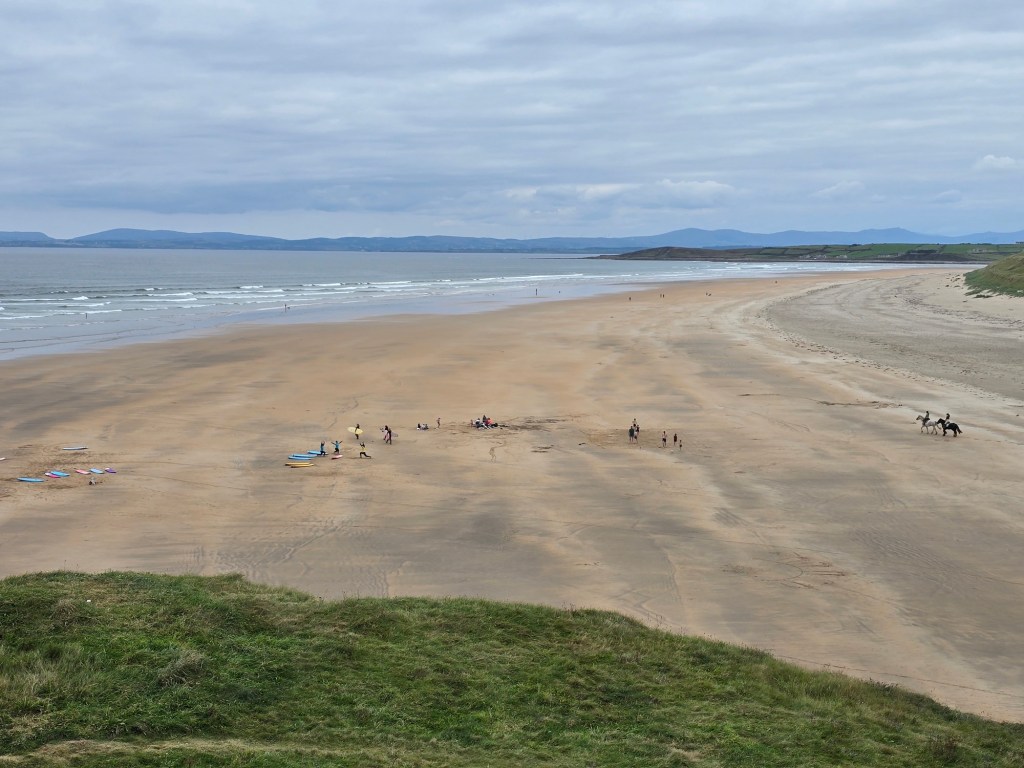
Getting to the fairy bridges is relatively easy as they are not far from the parking area. There are also a number of vendors selling surf equipment, drinks and snacks nearby. But there was a bonus attraction! Before taking in the unique formations, we had a look at the beautiful beach, one that was large and wide.
According to local tradition, people in the 1700s believed the area was inhabited or haunted by the “Little Folk”, supernatural beings from Irish folklore known as the Aos Sí (pronounced roughly “ees shee”).
In Irish tradition, fairies were not cute Disney-style creatures. They were ancient, unpredictable beings tied to the landscape, burial mounds, ruins, cliffs, and lonely natural places. Rural communities often treated these sites with genuine caution and respect.
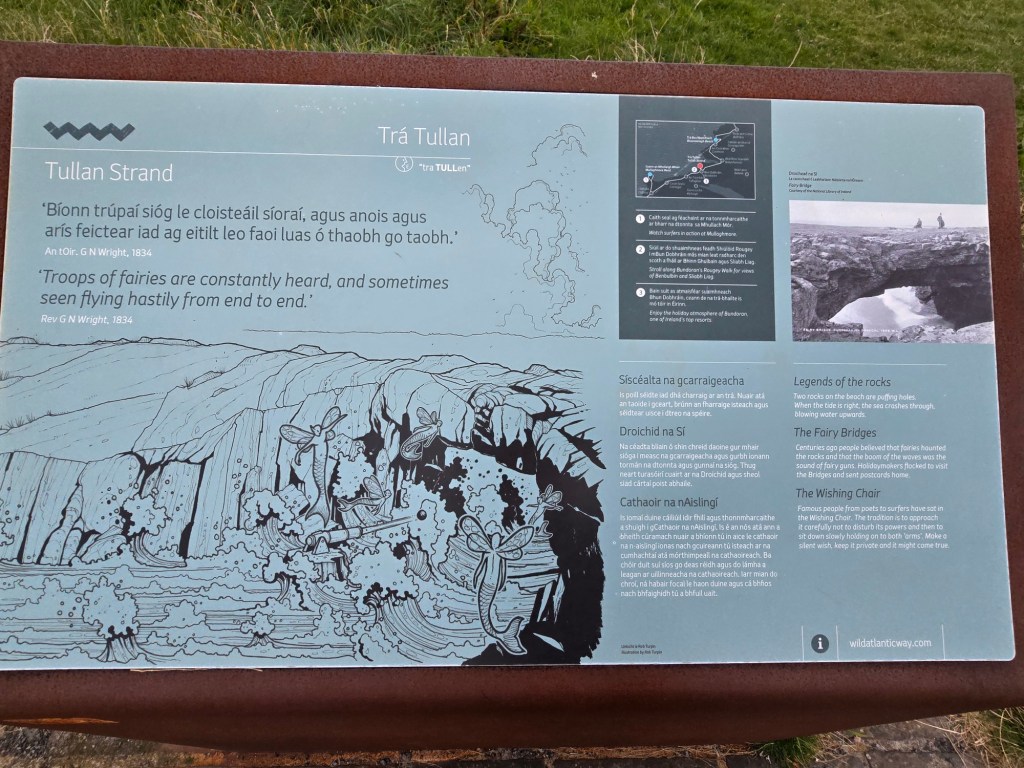
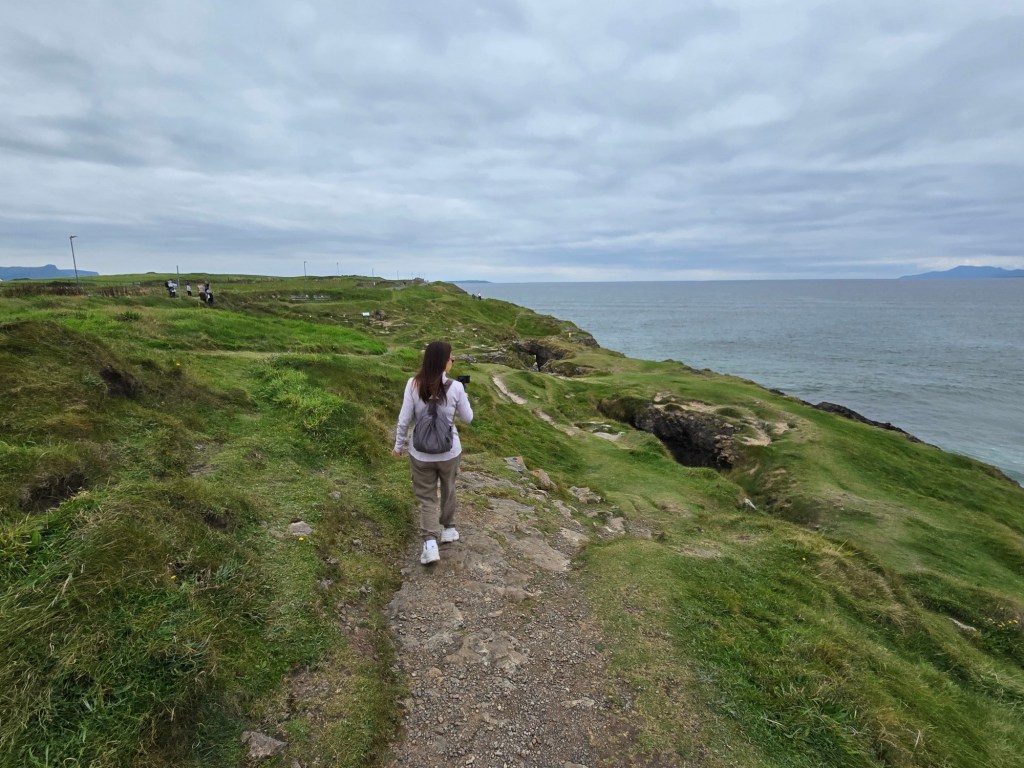
The strange shapes of the arches, the crashing sea beneath them, and the isolated headland atmosphere likely contributed to the belief that the fairies gathered there, though the atmosphere was much lighter when we visited. Regardless, the name “Fairy Bridges” stuck and eventually became famous!
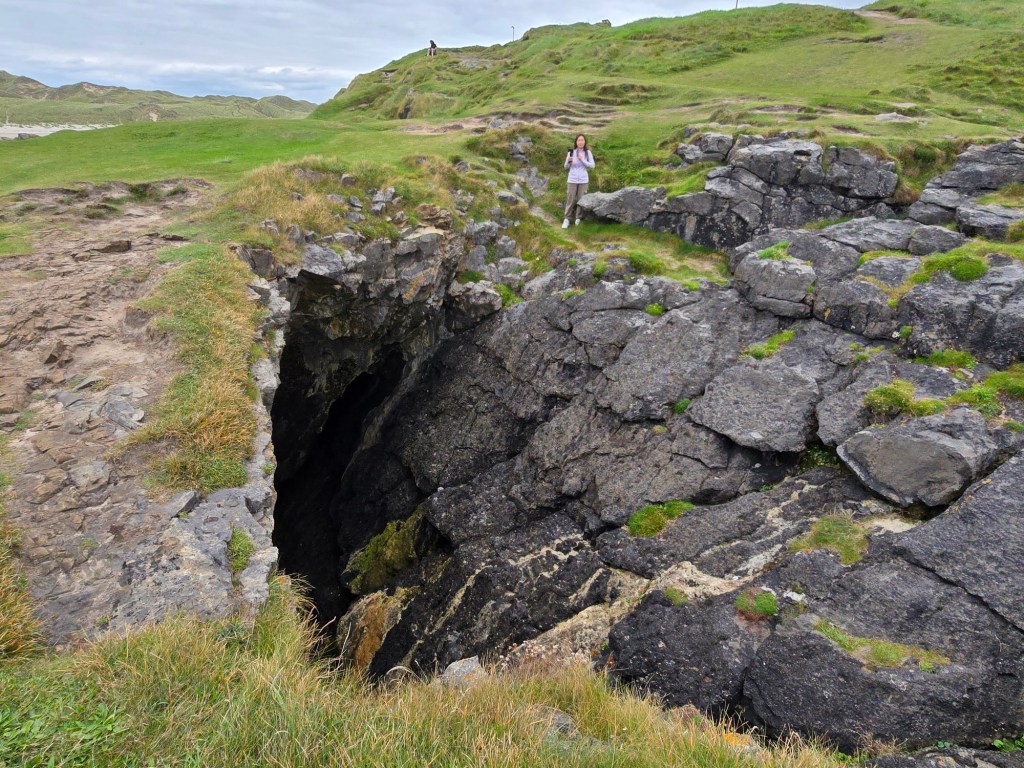
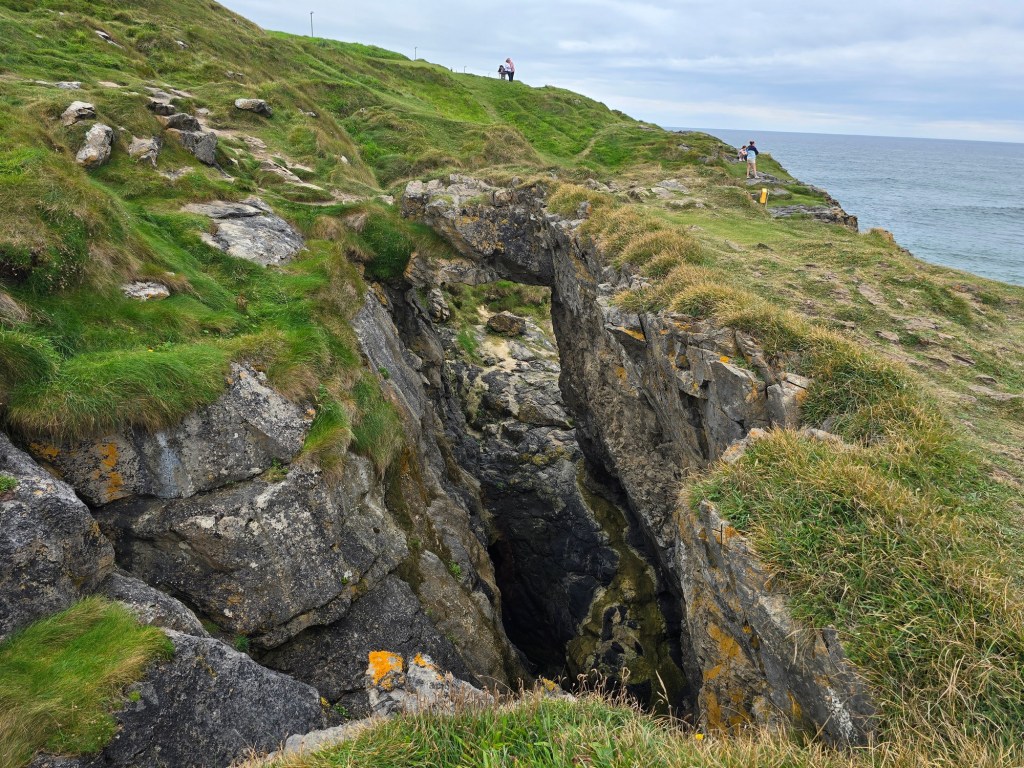
The Fairy Bridges became a tourist attraction surprisingly early on. By the late 1700s and 1800s, Bundoran had become a fashionable seaside resort town, and visitors came specifically to see the arches. Victorian travelers wrote about them, and artists painted them.
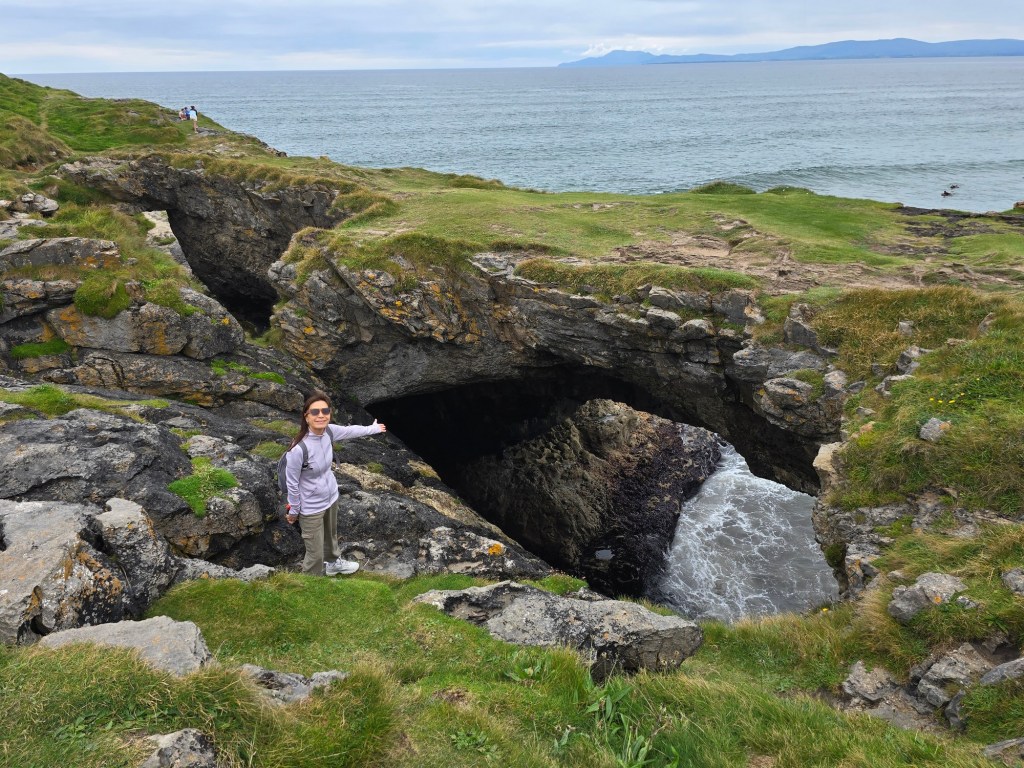
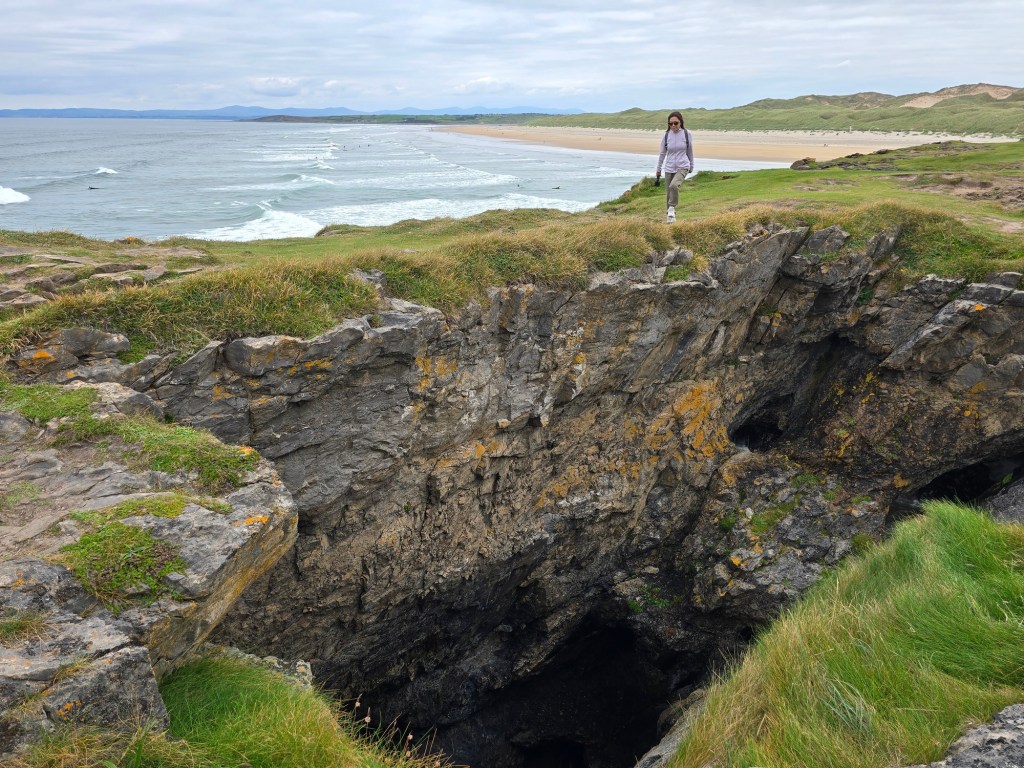
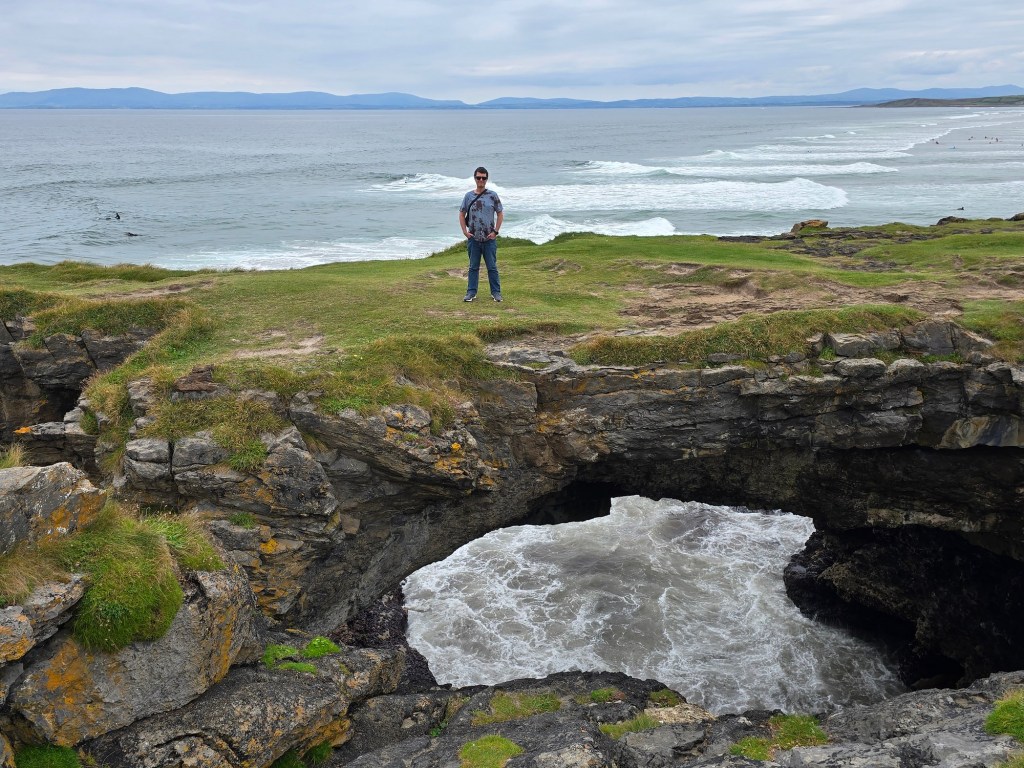
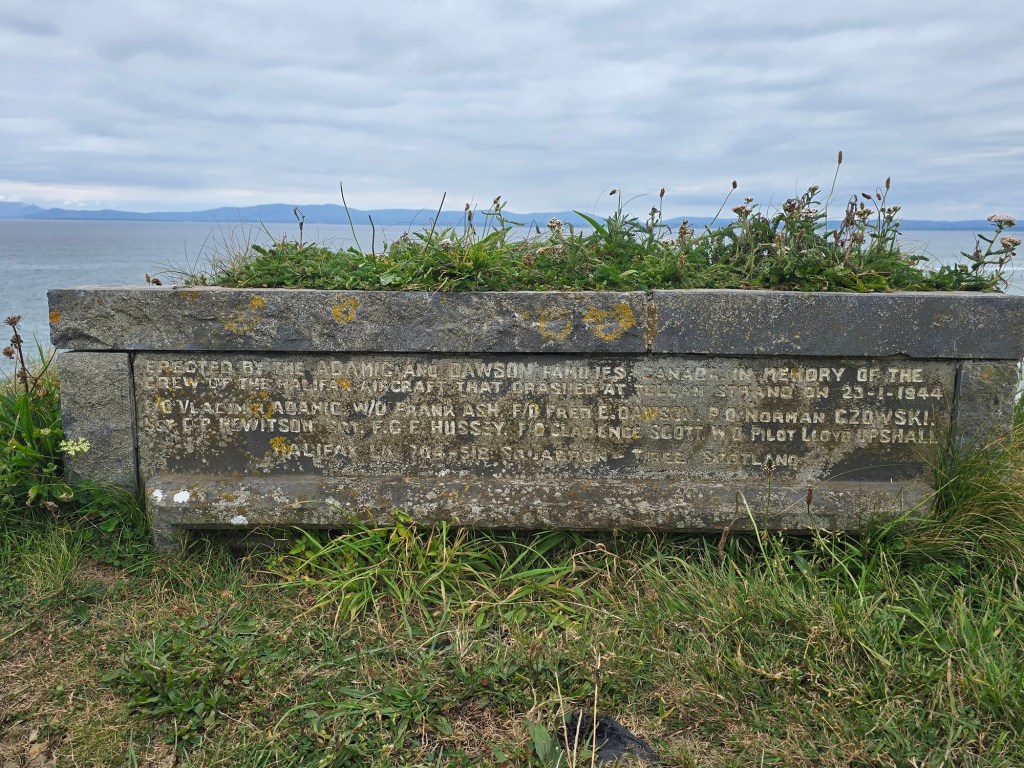
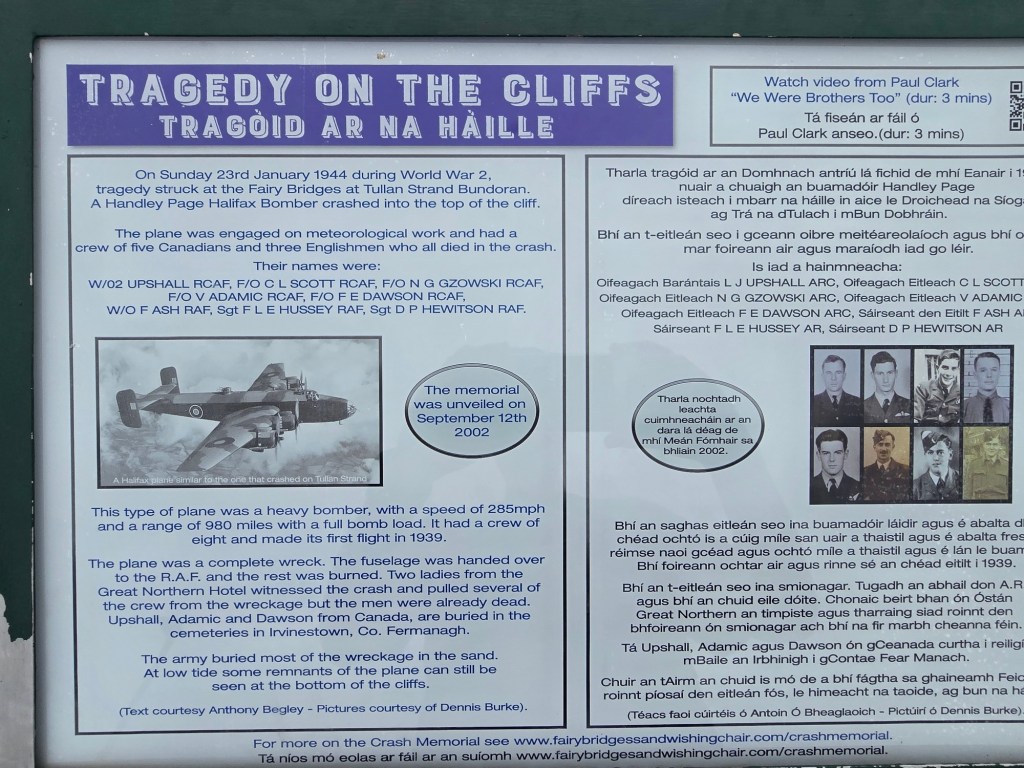
Along the cliff edge there’s a small memorial to the crew of a Halifax aircraft that crashed into the cliffs in bad weather during World War II. Eight Canadian servicemen were on board and all were killed, with six buried nearby.
Donegal Castle
Our last stop on the day was an impressive castle found in the middle of Donegal town. Parking isn’t easy to find near the castle so we parked in a large lot near the water and walked over. Someone was nice enough to give us their parking pass as they were leaving so we did the same later on.
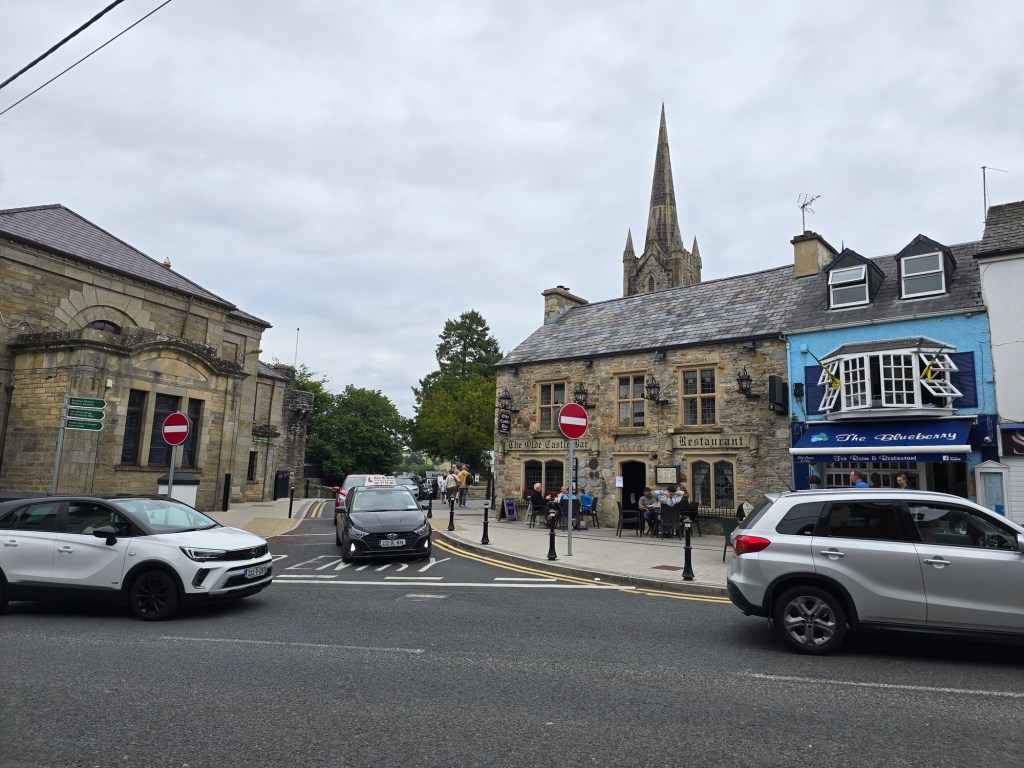
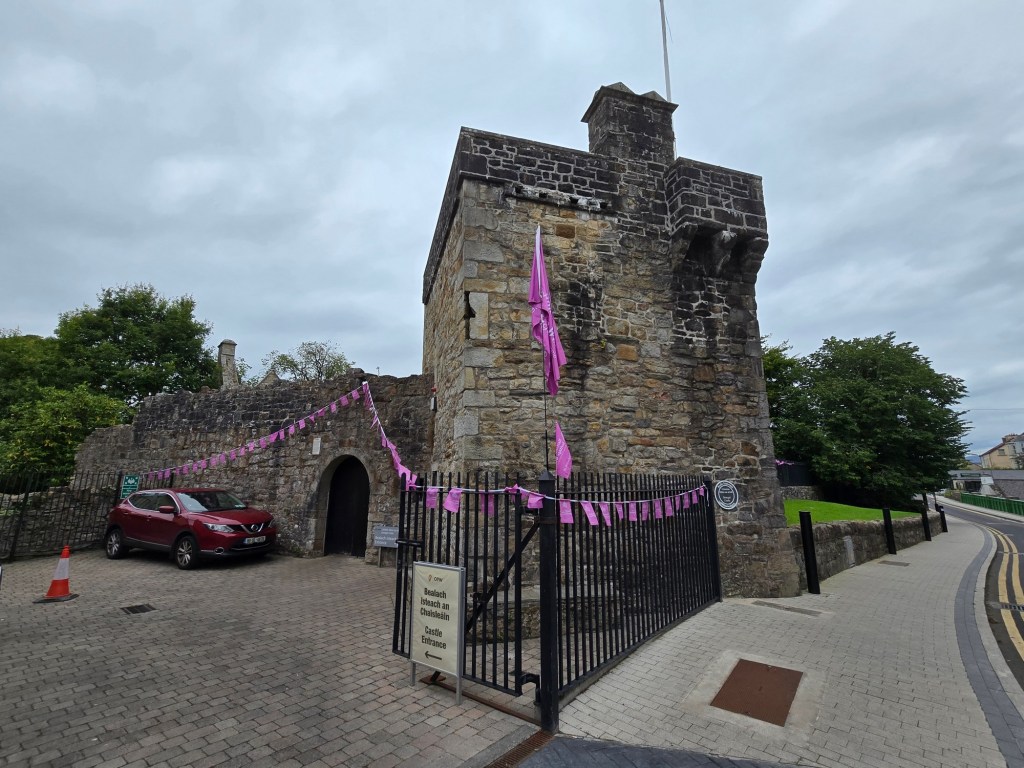
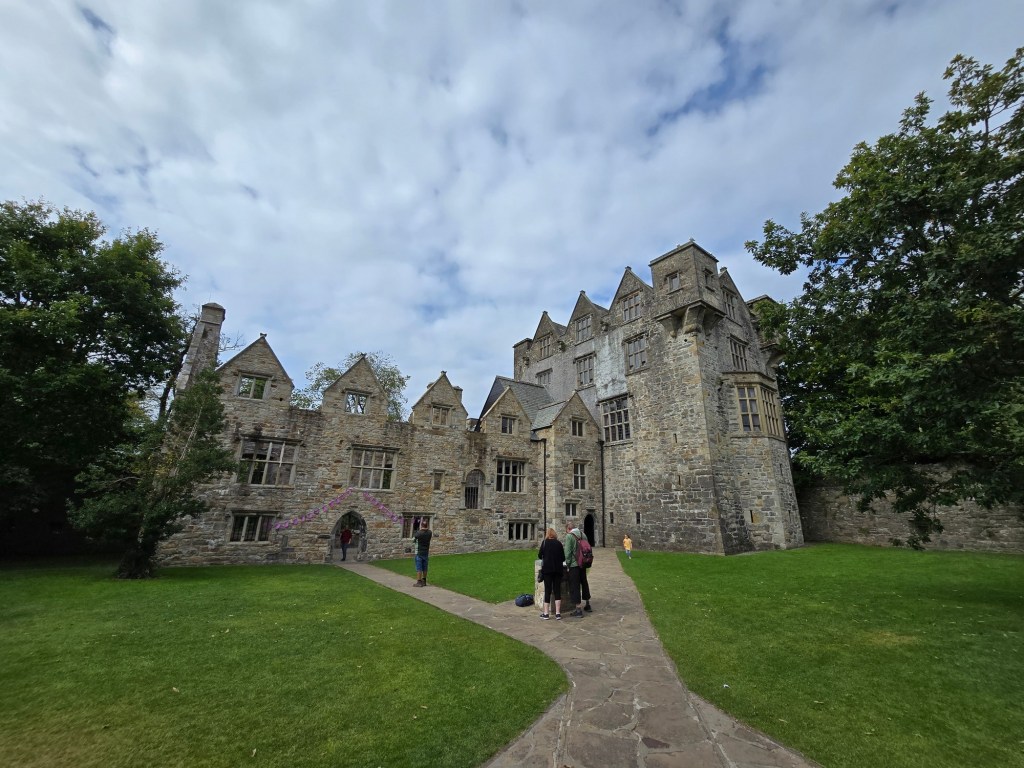
We used our OPS cards again (5 euro entry otherwise) and went in. It took us a little under an hour to get through the castle, though we took our time and read most of the display information. Everything was explained well.
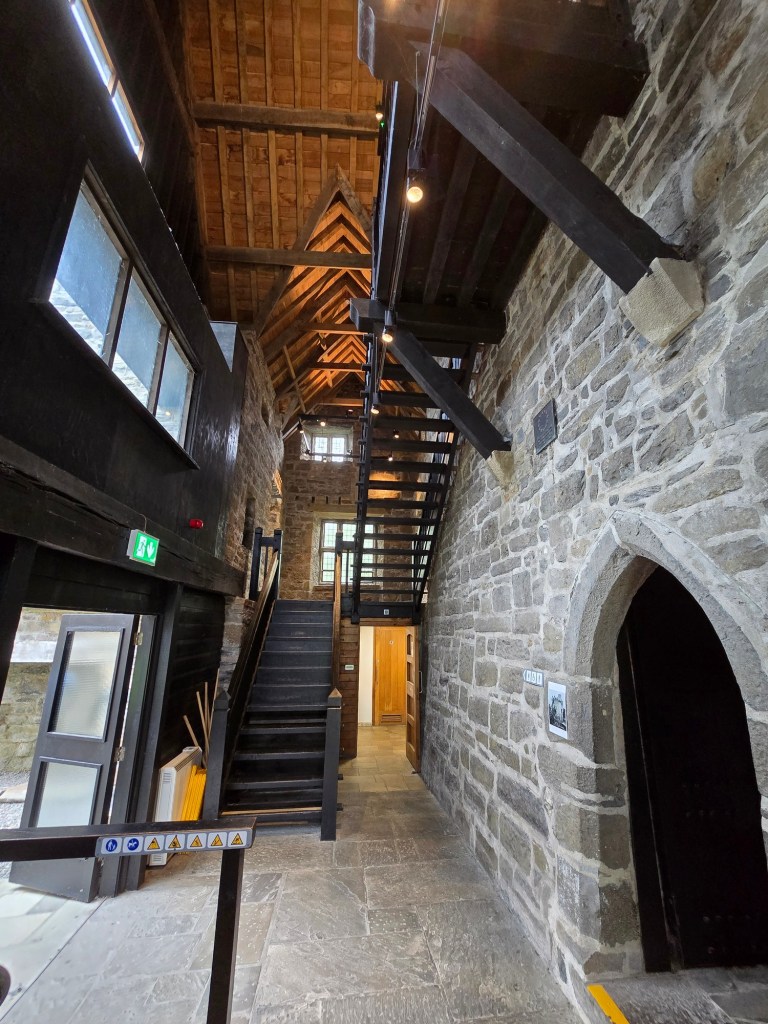
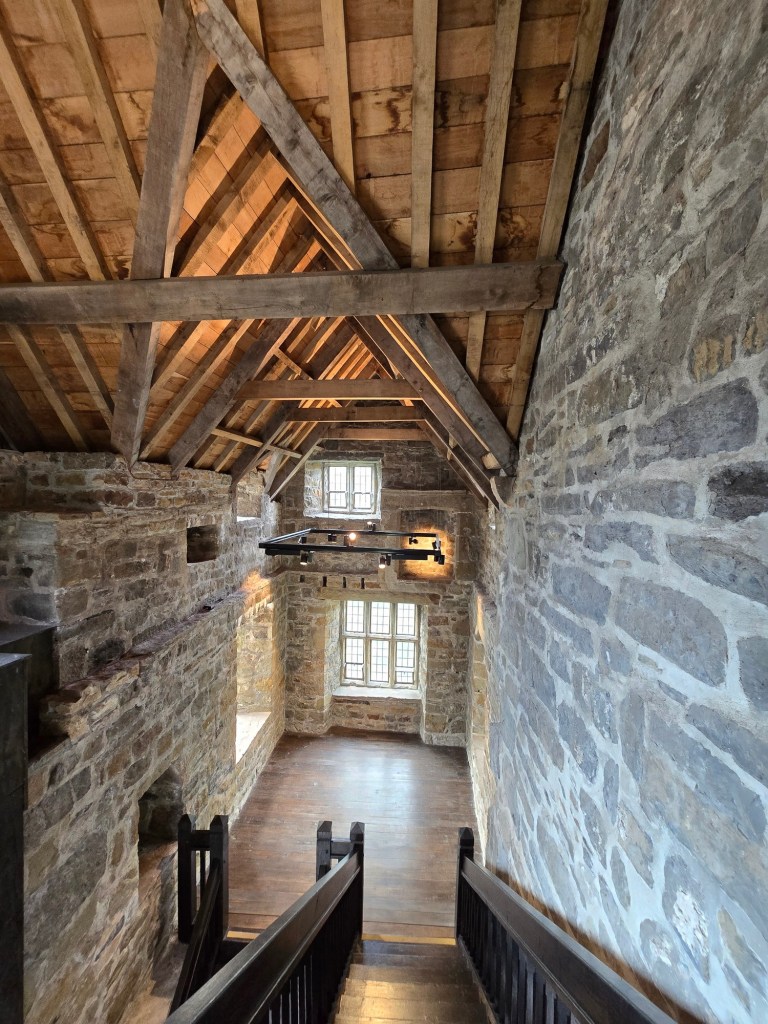
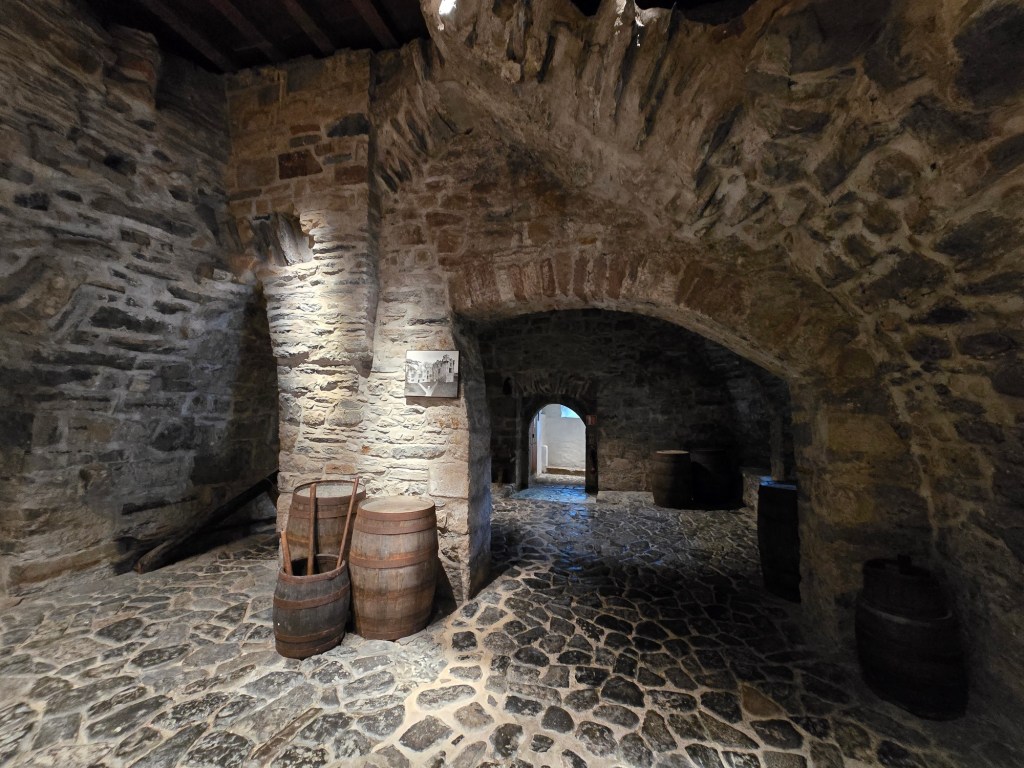
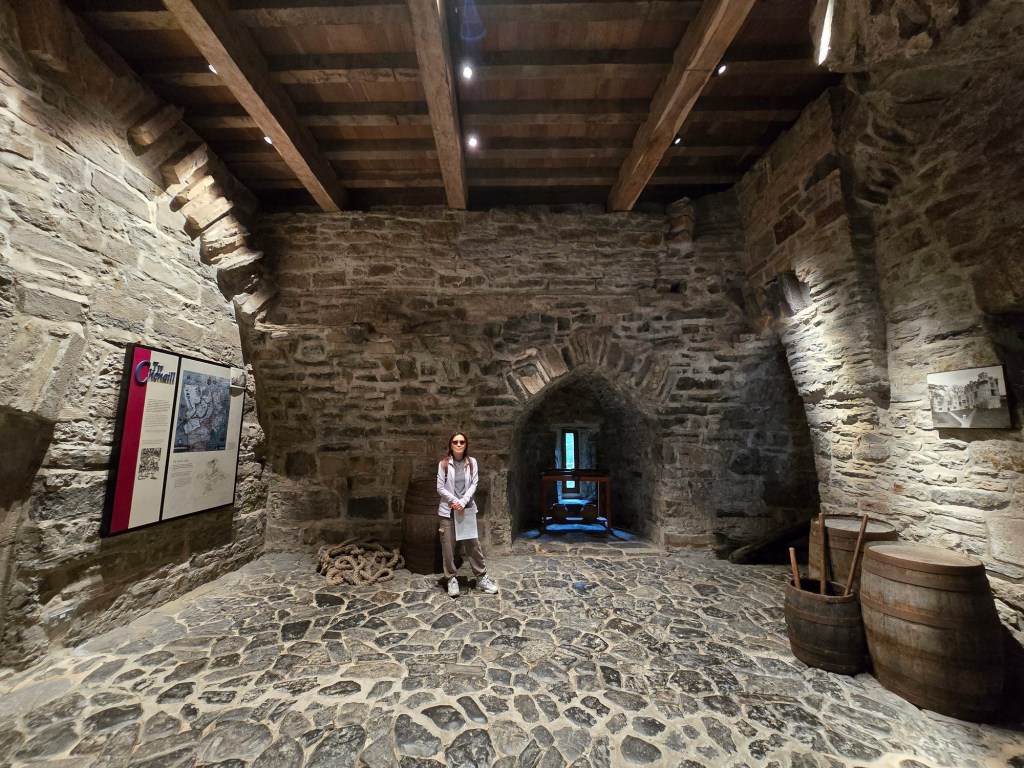
The place has quite a history. Donegal Castle was built around 1474 by the powerful O’Donnell clan, one of the great Gaelic ruling families of Ireland.The O’Donnells controlled much of what is now County Donegal and were among the most influential Gaelic lords in the country for centuries. The castle became a stronghold of political authority, military defense, trade control and clan administration.
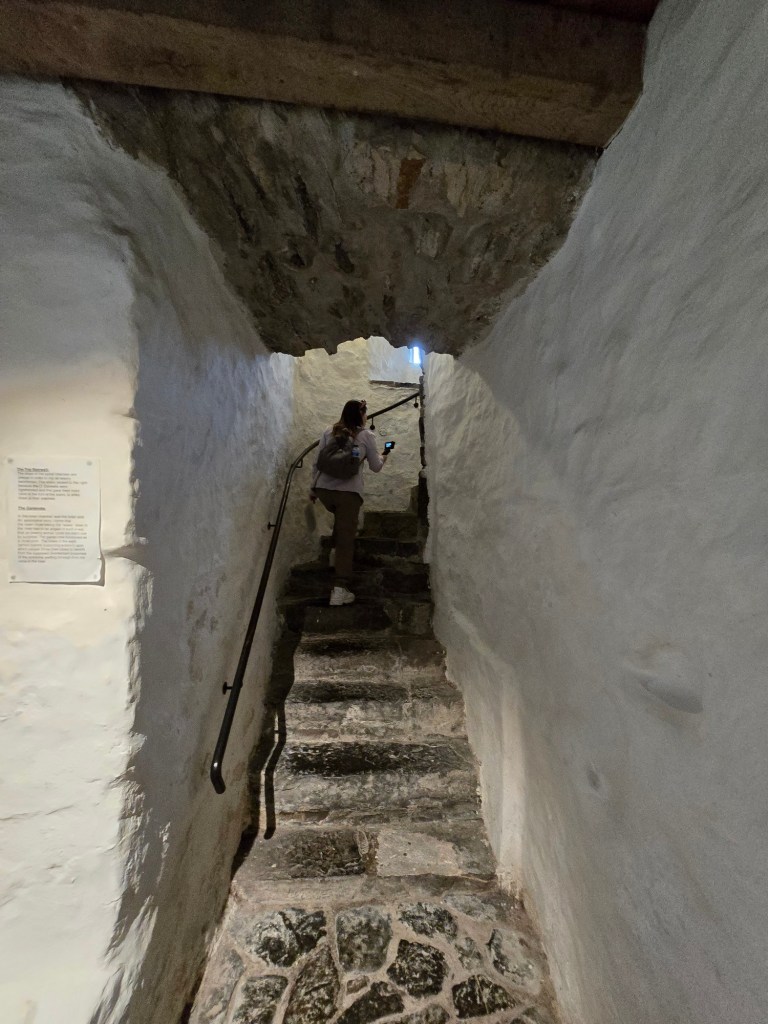
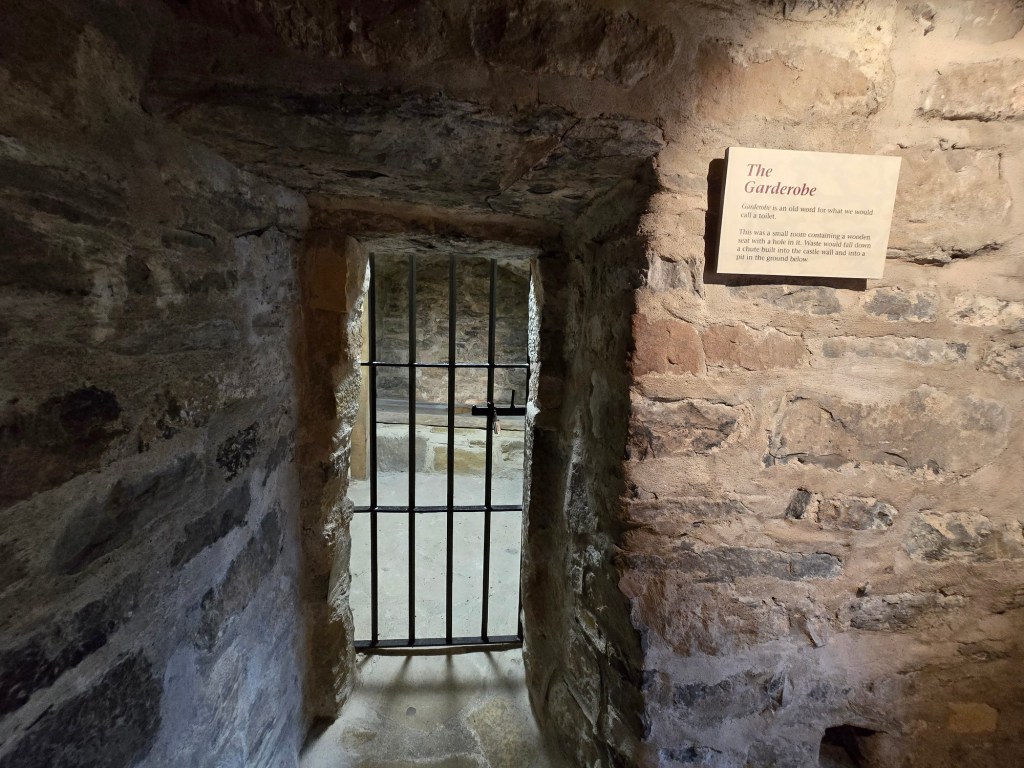
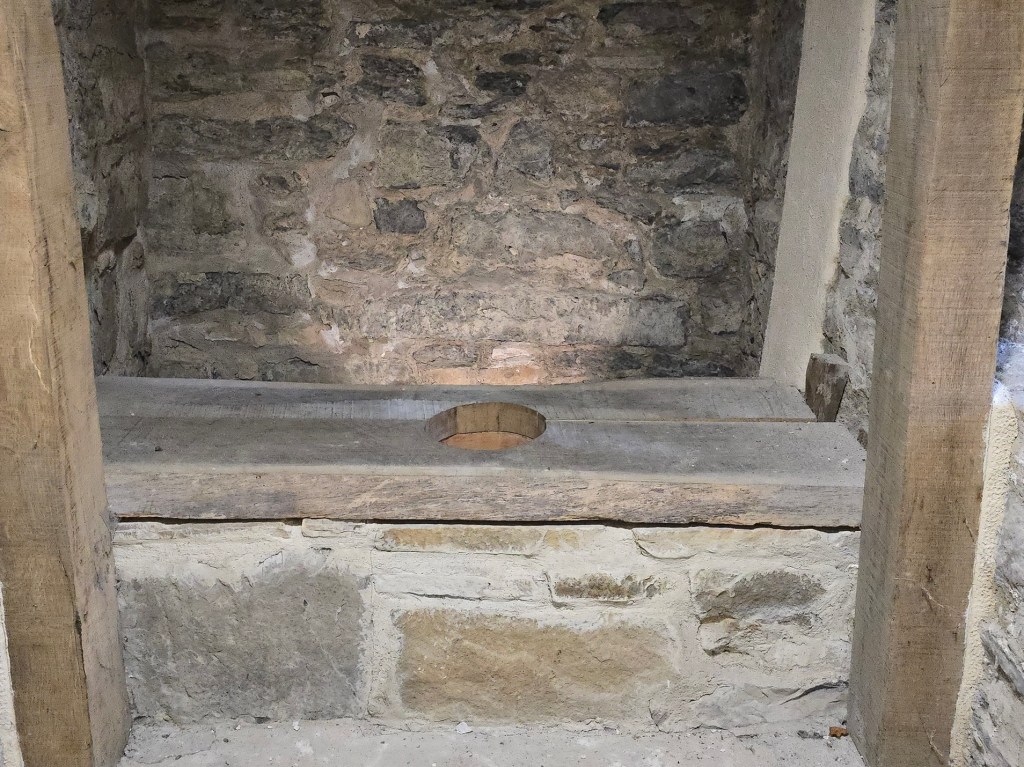
At the time of its construction, Gaelic Ireland operated largely outside direct English control and Donegal Castle represented native Irish power in Ulster. The most famous figure associated with the castle is probably Red Hugh O’Donnell (Aodh Ruadh Ó Domhnaill), one of the major leaders of resistance against English expansion during the late 1500s.
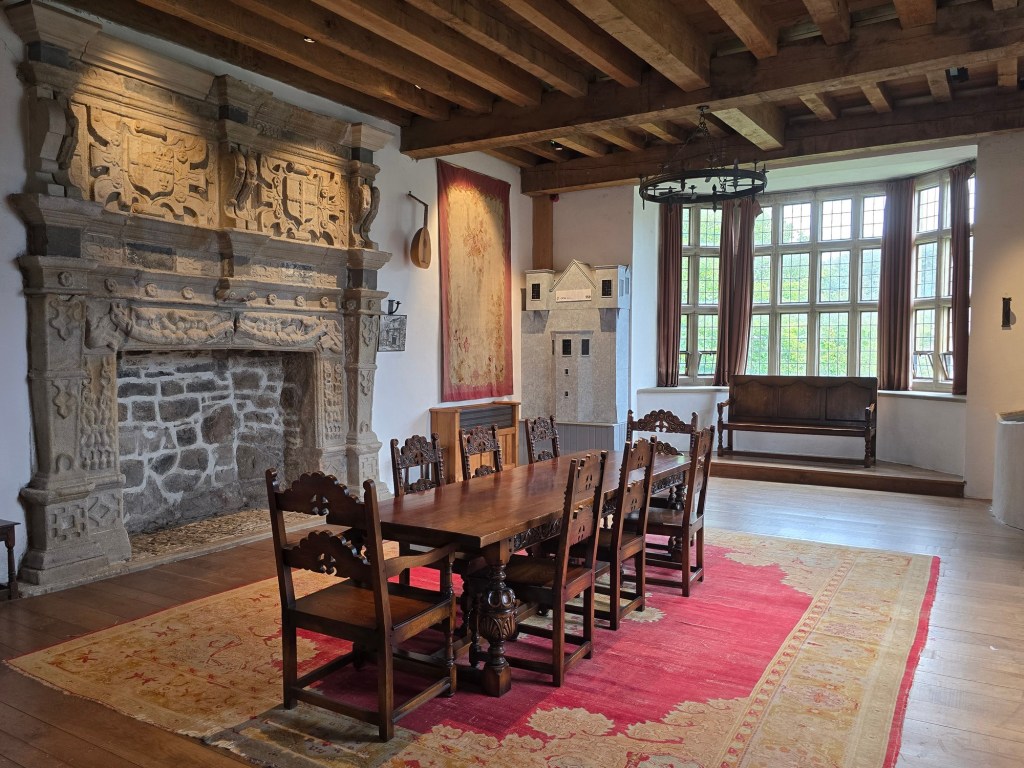
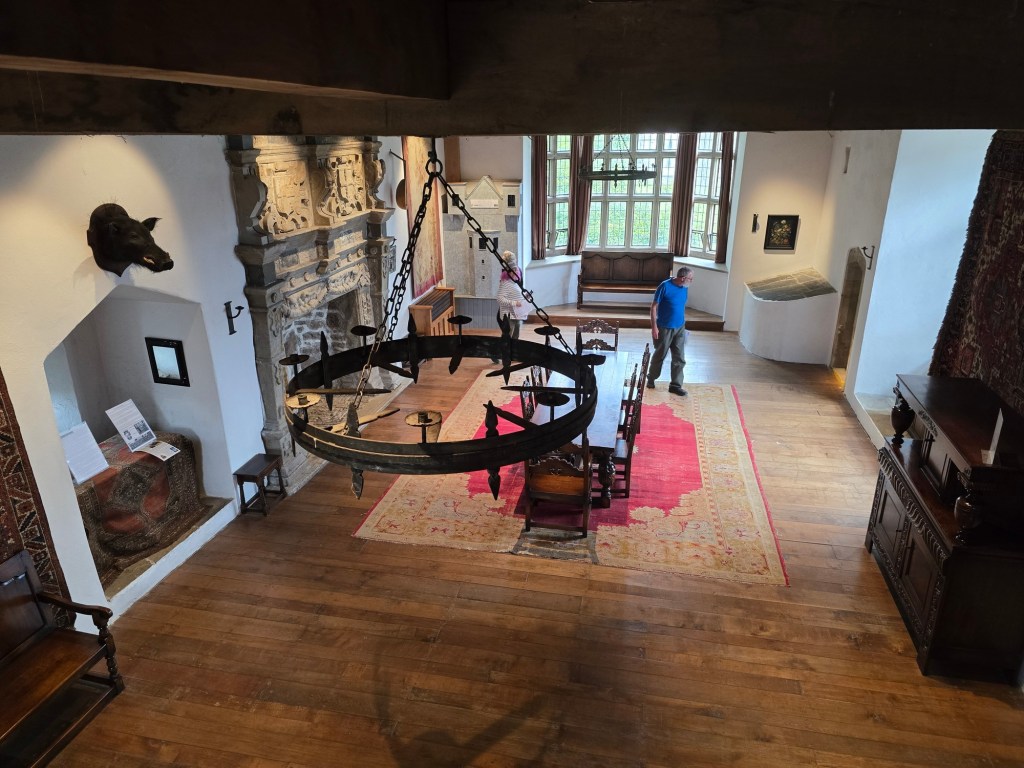
Red Hugh became famous for a number of reasons, including escaping imprisonment in Dublin Castle, leading Irish forces during the Nine Years’ War, uniting the Gaelic clans and forming alliances with Spain against England. The man was a larger than life character, that’s for sure.
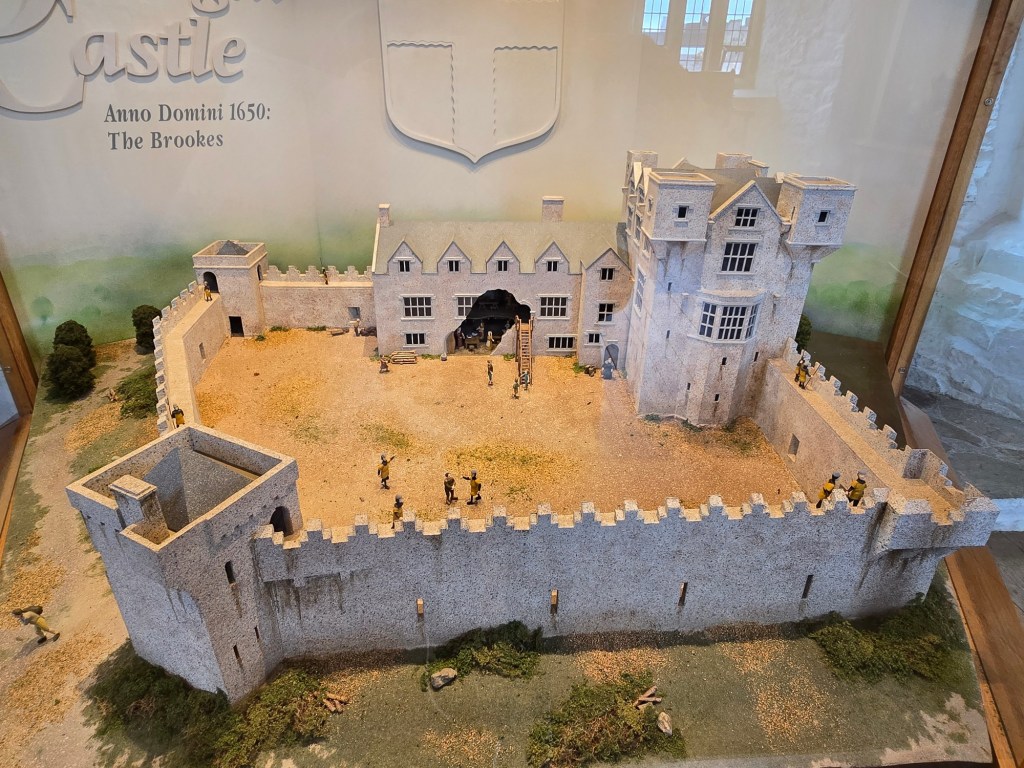
In 1607 came the Flight of the Earls, when major Gaelic nobles (including the O’Donnells) fled Ireland for continental Europe. This event effectively marked the collapse of the old Gaelic order. Before leaving, the O’Donnells reportedly burned parts of Donegal Castle so it would not easily fall into enemy hands.
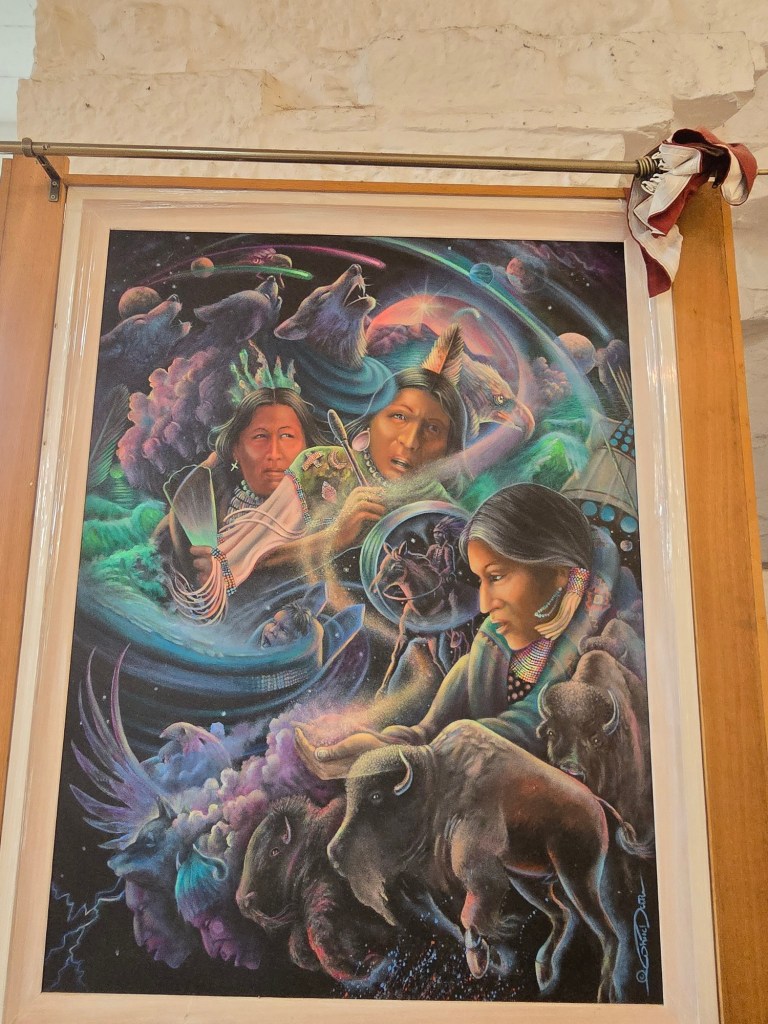
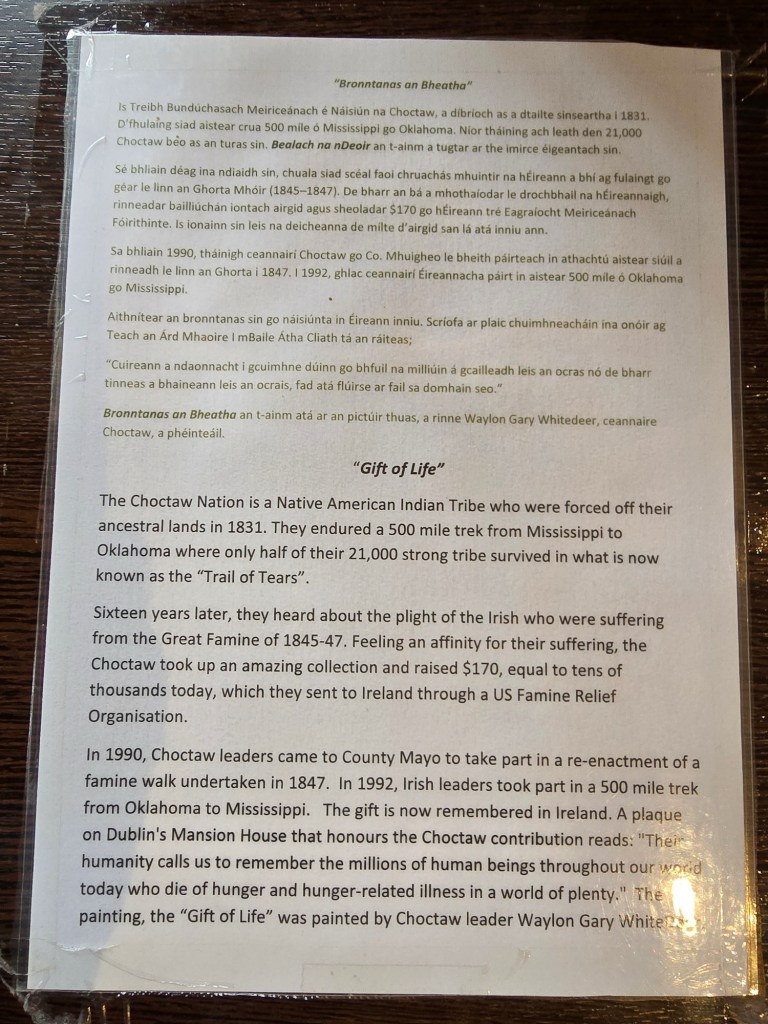
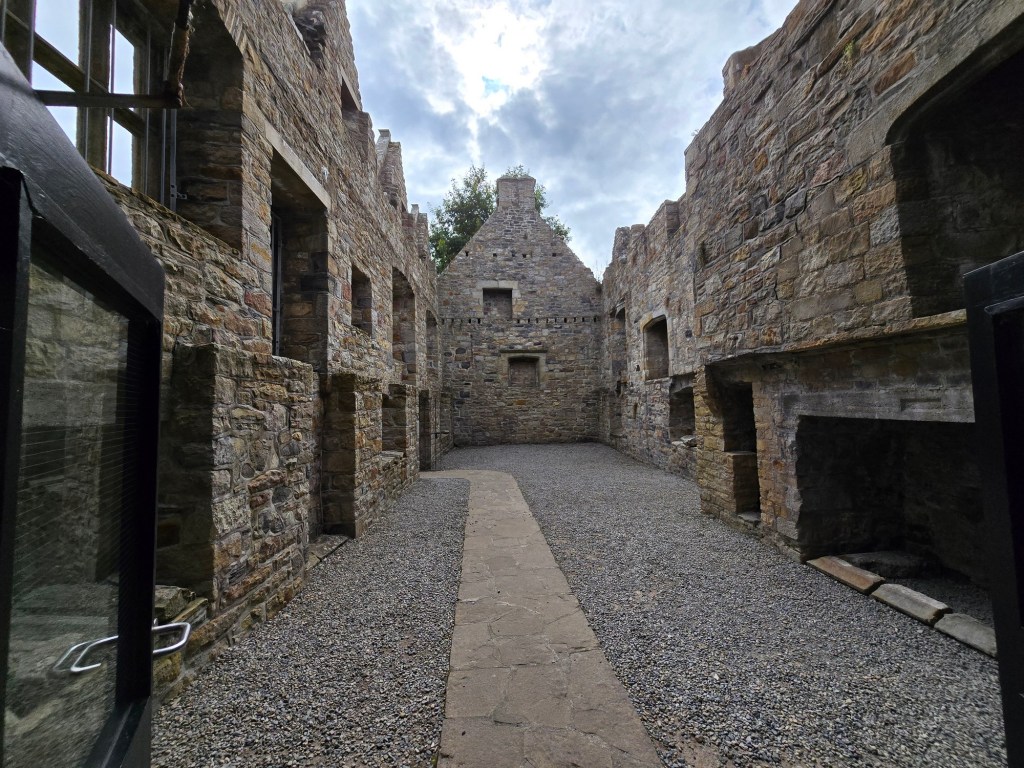
By the 19th century, the castle had fallen into major disrepair and the castle was ignored for decades. In the 20th century, Ireland’s Office of Public Works carried out significant restoration efforts. One of the biggest projects involved reconstructing portions of the Jacobean interior using historically appropriate methods and materials.We were impressed by the amount of renovations done, as it helped make the castle come to life.
We made it to Bushmills on the northern coast of Northern Ireland by early evening. It had been a long day of driving and checking out the sights, but very worthwhile. With less than a week left in our trip we now turned our attention to the North, and would start with the Giant’s Causeway the next morning. That will be the topic of the next post.